Isole e Olena

Falstaff Winery - 5 Stars
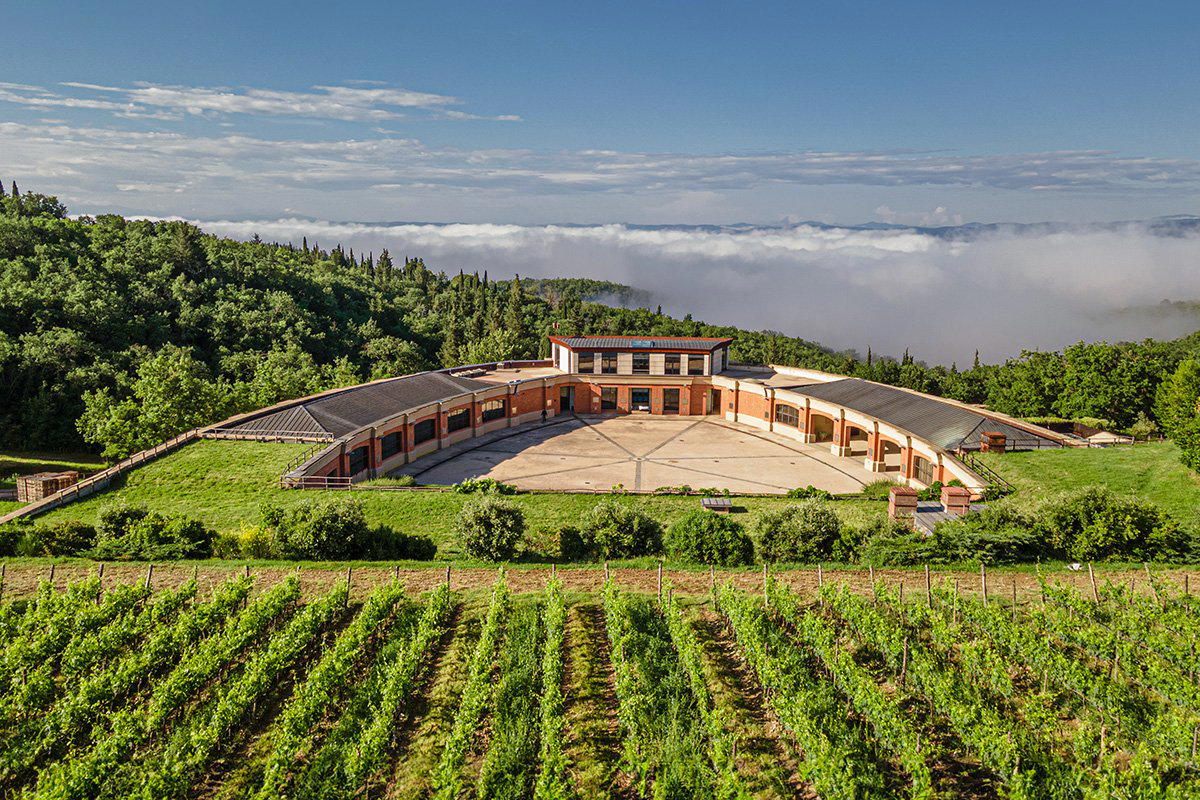
Isole e Olena sits in the Chianti Classico heartland of Barberino Tavarnelle. The estate represents the restrained, terroir-focused school of Tuscan winemaking that defines this corridor between Florence and Siena. For those tracing the region's serious producers, it belongs on any considered itinerary.

Pearl is the En Primeur Club membership app, where members save venues, book tables and use the concierge.
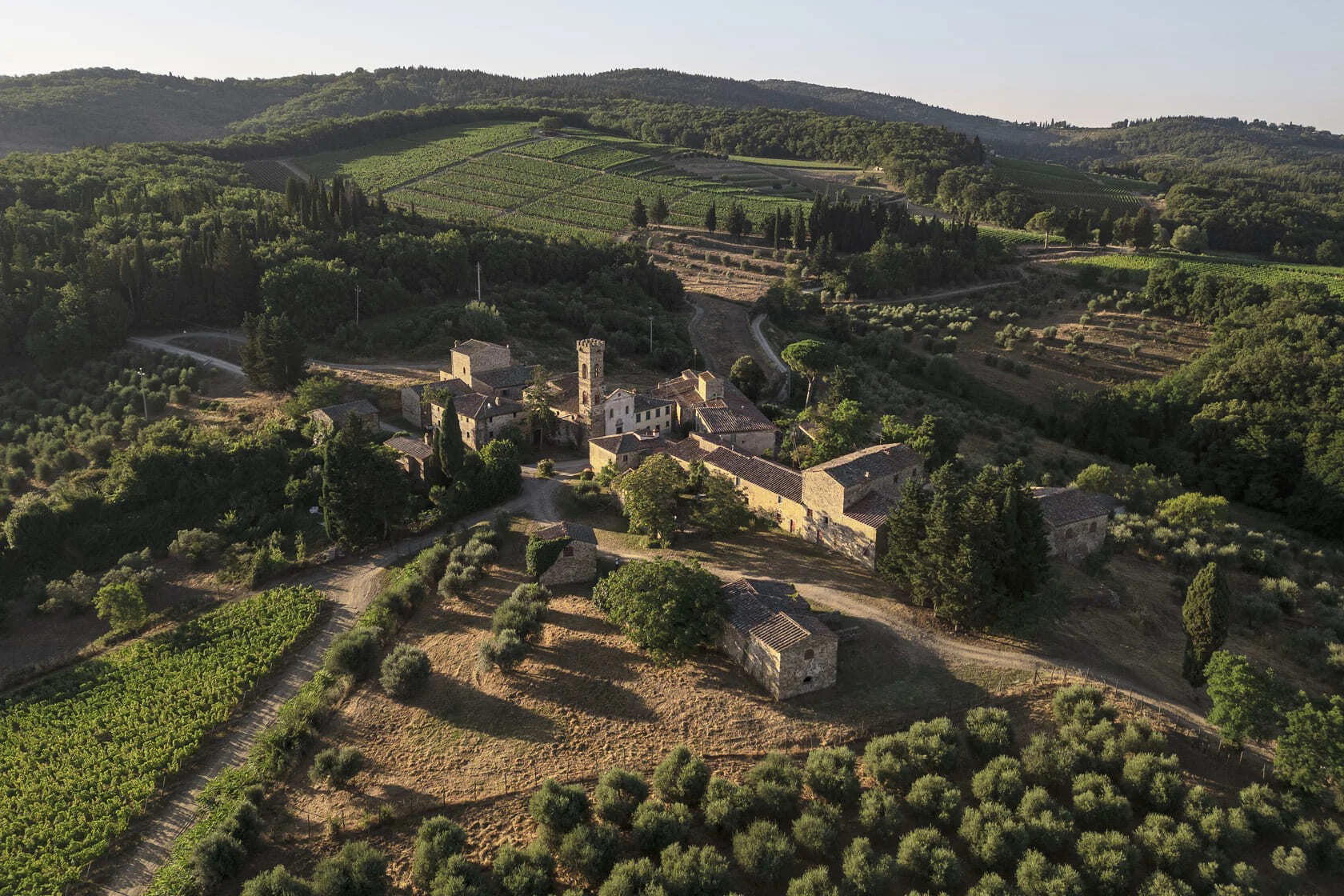
Arriving in the Chianti Classico Heartland
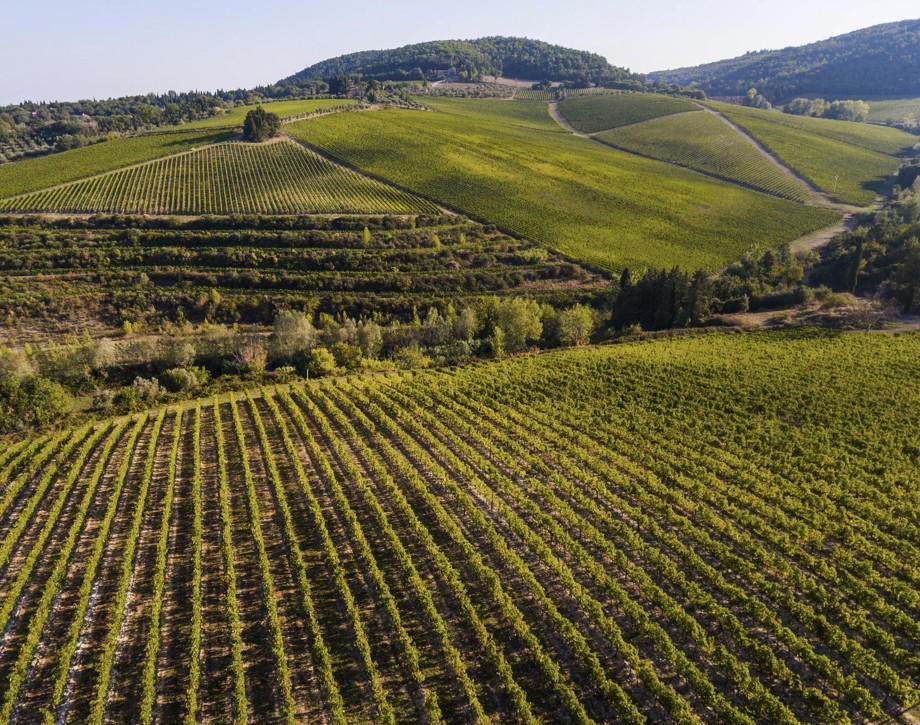
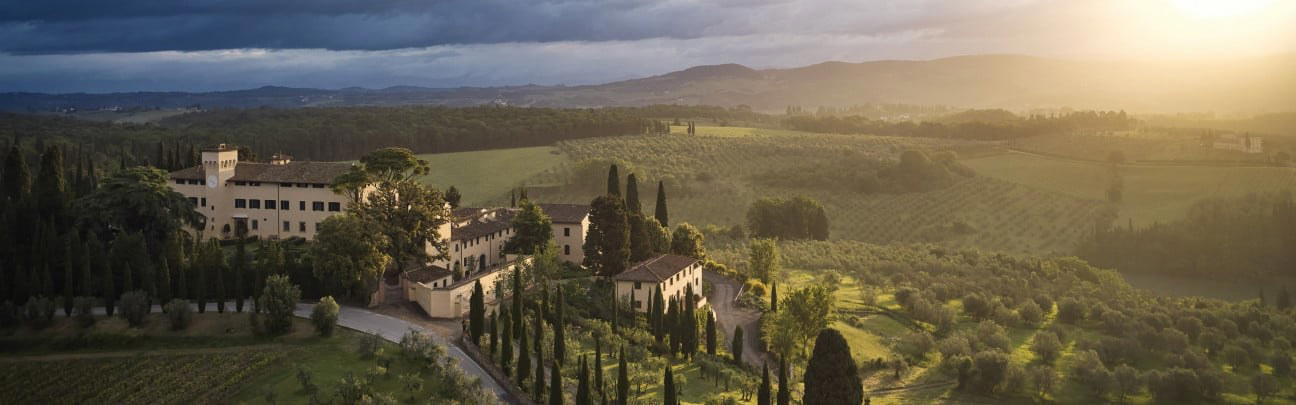
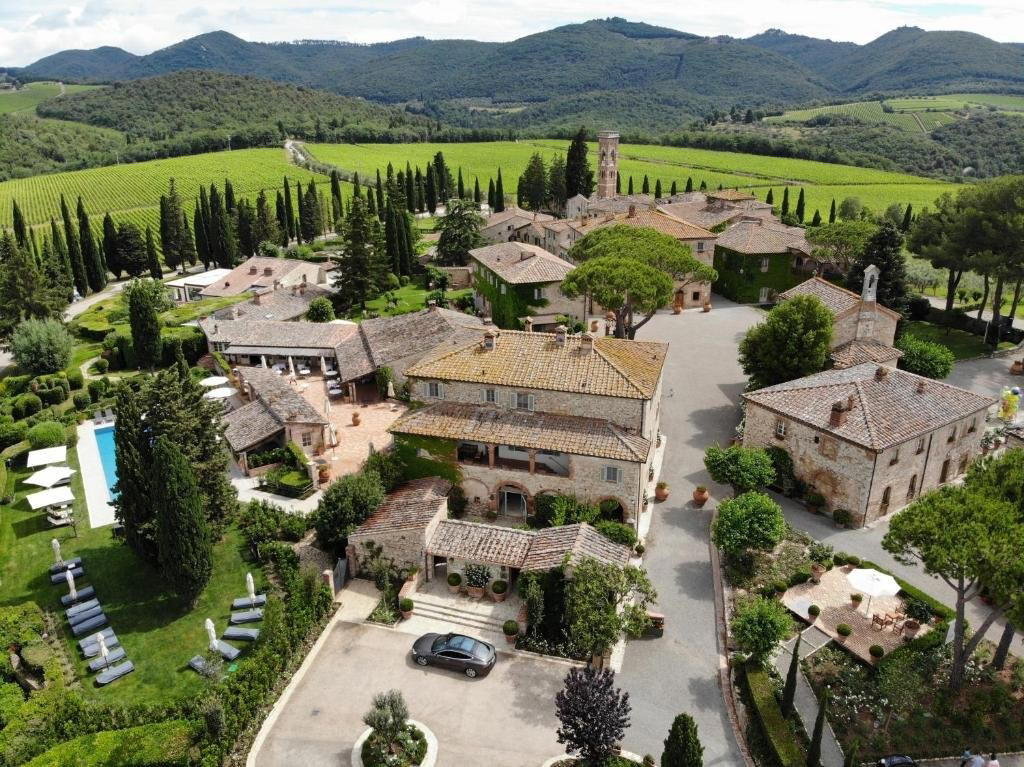
The road to Barberino Tavarnelle moves through a landscape that has shaped Italian wine identity for centuries: cypress lines, limestone ridges, and vineyards that have been producing Sangiovese long enough to make vintage variation a genuine conversation rather than a marketing footnote. Isole e Olena sits at Località Isole, 1, within this corridor, and the approach itself sets expectations. This is not a hospitality-forward destination designed for high-volume visitor traffic. It is, first and foremost, a working estate whose reputation rests on what ends up in the bottle.
Chianti Classico's geography runs between Florence and Siena, and the communes that make up the DOCG zone vary considerably in elevation, aspect, and soil composition. Barberino Tavarnelle occupies the northern section of the zone, where the wines tend toward a slightly cooler character than those from Castelnuovo Berardenga to the south. For producers in this part of the zone, that translates into longer hang time, preserved acidity, and Sangiovese with structural backbone.
The Tasting Format and What It Signals
Across Chianti Classico, the tasting experience divides sharply between two models. The first is the large estate with a dedicated visitor center, retail floor, and scheduled group tours running multiple times daily. The second is the appointment-led producer, where a visit involves direct engagement with the estate's wines in a setting closer to a private cellar than a tourist attraction. The two models attract different visitors and produce fundamentally different encounters with the wine.
Isole e Olena belongs to the second category. Visiting here requires planning ahead and treating the appointment as a serious engagement rather than a casual drop-in. That discipline on the producer's side tends to translate into a more focused conversation about the wines themselves, the growing season's challenges, and the decisions made between harvest and bottling. Visitors who arrive having done some research on Chianti Classico's Gran Selezione tier and the Cepparello IGT will get considerably more from the exchange than those expecting a guided introduction to the region from scratch.
For reference on what the broader region offers in terms of visitor infrastructure, our full Barberino Tavarnelle restaurants guide covers the wider context of dining and drinking in the commune, including options for pairing a cellar visit with a proper lunch or dinner. Nearby, Castello di Monsanto and Distilleria Deta round out what is available within the commune itself.
At this level, the expectation is that the wines hold up to serious scrutiny, that the estate has a clear point of view on its viticulture and winemaking, and that engagement with the producer rewards rather than frustrates.
Compare the positioning to estates like Castello di Volpaia in Radda in Chianti, which operates in a different commune but shares a commitment to terroir specificity, or L'Enoteca Banfi in Montalcino, which sits in a different appellation entirely but illustrates how Tuscan estates at this quality level tend to approach the relationship between wine and visitor.
Italy's serious wine estates outside Tuscany offer useful benchmarks too. Aldo Conterno in Monforte d'Alba represents the Barolo equivalent of this kind of appointment-led, quality-first producer, while Lungarotti in Torgiano and Planeta in Menfi demonstrate how different Italian regions approach the balance between production scale and tasting experience quality. For visitors building a broader Italian itinerary, Ca' del Bosco in Erbusco in Franciacorta shows how northern producers have developed a different visitor model around sparkling wine.
The Wines in Context
Sangiovese is the central thread running through Chianti Classico, but the way producers interpret it varies considerably. Some lean into approachability, producing wines that drink well within three to five years of vintage. Others age longer in barrel and bottle before release, targeting a more structured profile that rewards cellaring. Isole e Olena has a reputation, established over decades, for sitting closer to the latter orientation: wines built with enough structure to evolve, but balanced to avoid the austerity that some producers in the zone tip into.
Cepparello, the estate's flagship IGT Sangiovese, sits outside the Chianti Classico DOCG designation by choice, a decision that reflects a winemaking philosophy prioritizing expression over appellation conformity. That approach places Isole e Olena in a tradition shared by other Tuscan producers who found the DOCG framework too constraining for their most serious wines during the 1980s and 1990s, a period when the so-called Super Tuscans redrew the map of Italian fine wine. Understanding that history is useful context for any tasting here, because it explains why the estate's most discussed wine does not carry the Chianti Classico label.
Planning a Visit
Barberino Tavarnelle is approximately 30 kilometers south of Florence, reachable by car via the Via Cassia or the Superstrada del Palio. Public transport options exist but are limited, and the estate's location outside the main town means a car is effectively necessary. The practical rhythm for a day visit from Florence is to depart mid-morning, allow the better part of a half-day for the estate visit, and plan a lunch stop in the commune before returning or continuing south toward Siena.
Booking in advance is essential. The estate does not operate walk-in tastings, and given the limited-capacity format, availability during the September-October harvest period and during peak summer months requires planning several weeks ahead at minimum. Spring, particularly April through early June, offers a quieter window with the added context of seeing the vines moving through their early growth stages.
For those building a longer regional itinerary that extends beyond wine, the commune's broader offer is detailed in our Barberino Tavarnelle guide. Visitors whose interest extends into Italian spirits can cross-reference Nonino Distillery in Pavia di Udine, Distilleria Marzadro in Nogaredo, Distilleria Romano Levi in Neive, and Campari in Milan for a fuller picture of Italian producer visits across categories. For those whose itinerary reaches beyond Italy entirely, Aberlour in Aberlour and Accendo Cellars in St. Helena represent how serious producers in Scotland and Napa Valley handle the appointment-led visitor model.
Cuisine and Credentials
Comparable venues nearby, for context on price, style, and recognition.
| Venue | Cuisine | Price | Awards | Notes |
|---|---|---|---|---|
| Isole e OlenaThis venue (the venue you are viewing) | Sangiovese, Canaiolo | Not listed | Falstaff Winery - 5 Stars | Not listed |
| Castello di Monsanto | Sangiovese, Canaiolo | Not listed | Falstaff Winery - 5 Stars | San Donato in Poggio |
| Distilleria Deta | Sangiovese, Canaiolo | Not listed | Not listed | Barberino Tavarnelle |
| Mazzei (Castello di Fonterutoli) | Sangiovese, Merlot | $50–100 | Not listed | Castellina in Chianti |
| Fontodi | Sangiovese, Syrah | Not listed | Falstaff Winery - 5 Stars | Panzano in Chianti |
| Barone Ricasoli (Brolio) | Sangiovese, Merlot | Not listed | Not listed | Gaiole in Chianti |
Recognition history
Dated appearances from independent guides and award organizations, with the underlying list record or original source where available.
Falstaff Winery - 5 Stars
Falstaff
Continue exploring
More in Barberino Tavarnelle
Wineries in Barberino Tavarnelle
All wineries in Barberino Tavarnelle →
Bars in Barberino Tavarnelle
Browse all →
Details
- Rustic
- Elegant
- Scenic
- Classic
- Wine Education
- Special Occasion
- Solo Exploration
- Vineyard Tour
- Panoramic View
- Estate Grounds
- Sustainable
- Vineyard
- Mountain
- Sangiovese
- Canaiolo
- Syrah
- Chardonnay
- Trebbiano
- Still Red
- Still White
- Estate Tasting
Elegant and serene Tuscan countryside atmosphere with cool sea breezes and hillside vineyards.