La Torre

1 Michelin Star
Our verdict
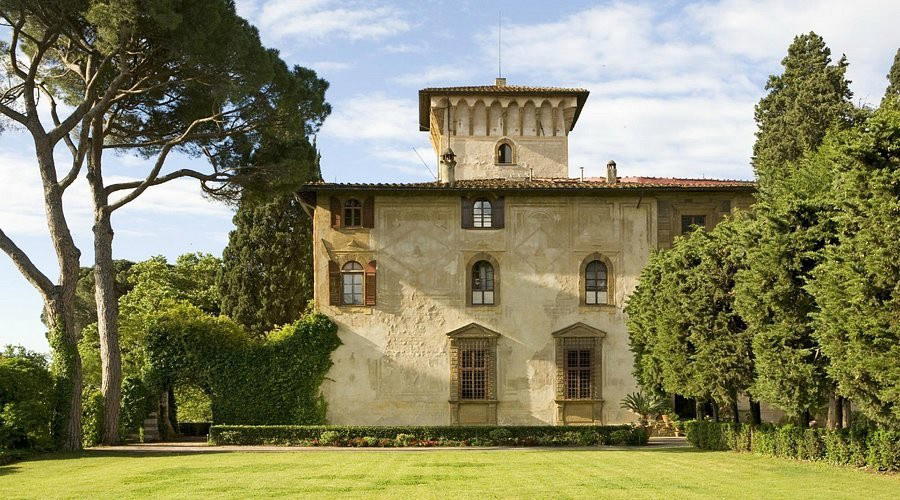
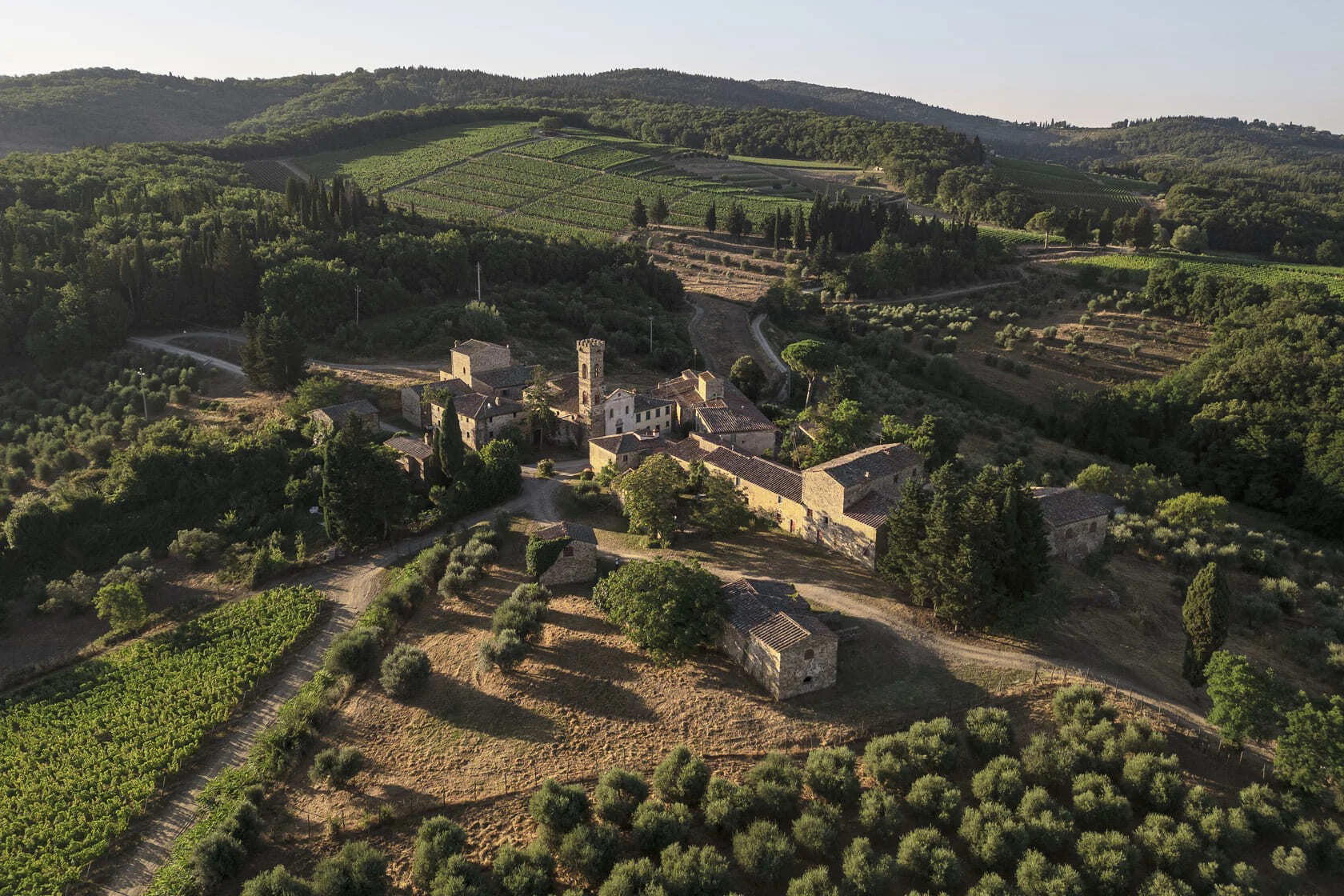
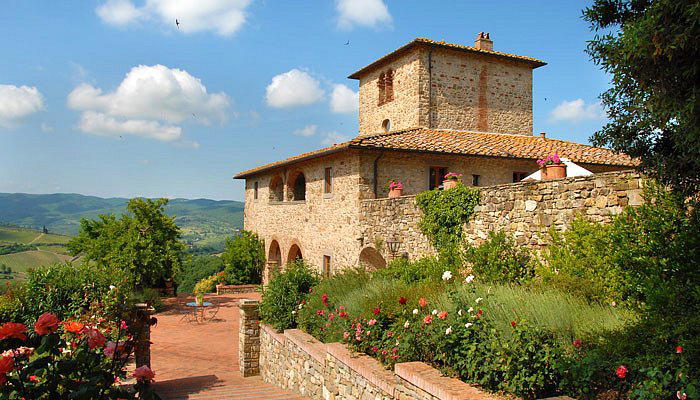
Set within Il Castello del Nero, a 12th-century estate in the Chianti hills south of Florence, La Torre holds a Michelin star for creative cuisine that draws directly from the property's organic kitchen garden. Chef Di Pirro structures the menu around three distinct tasting formats, with produce sourced metres from the kitchen.

Pearl is the En Primeur Club membership app, where members save venues, book tables and use the concierge.
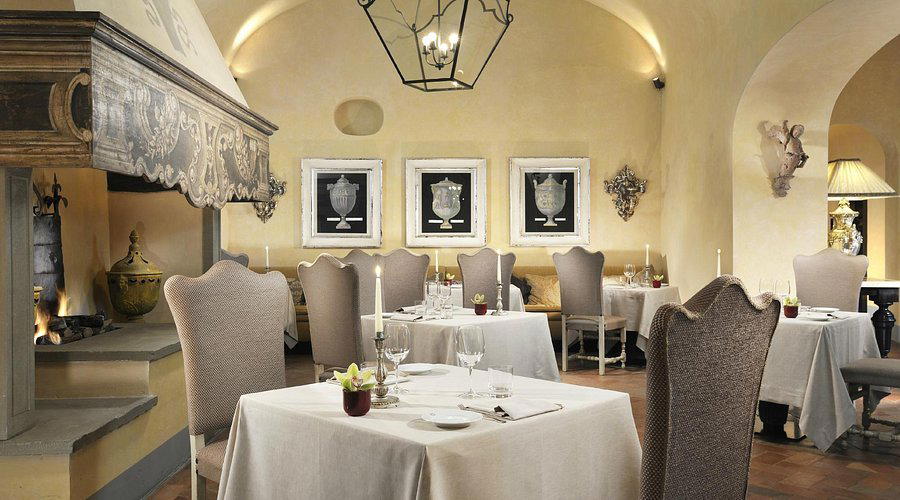
A 12th-Century Estate and What Grows Behind It
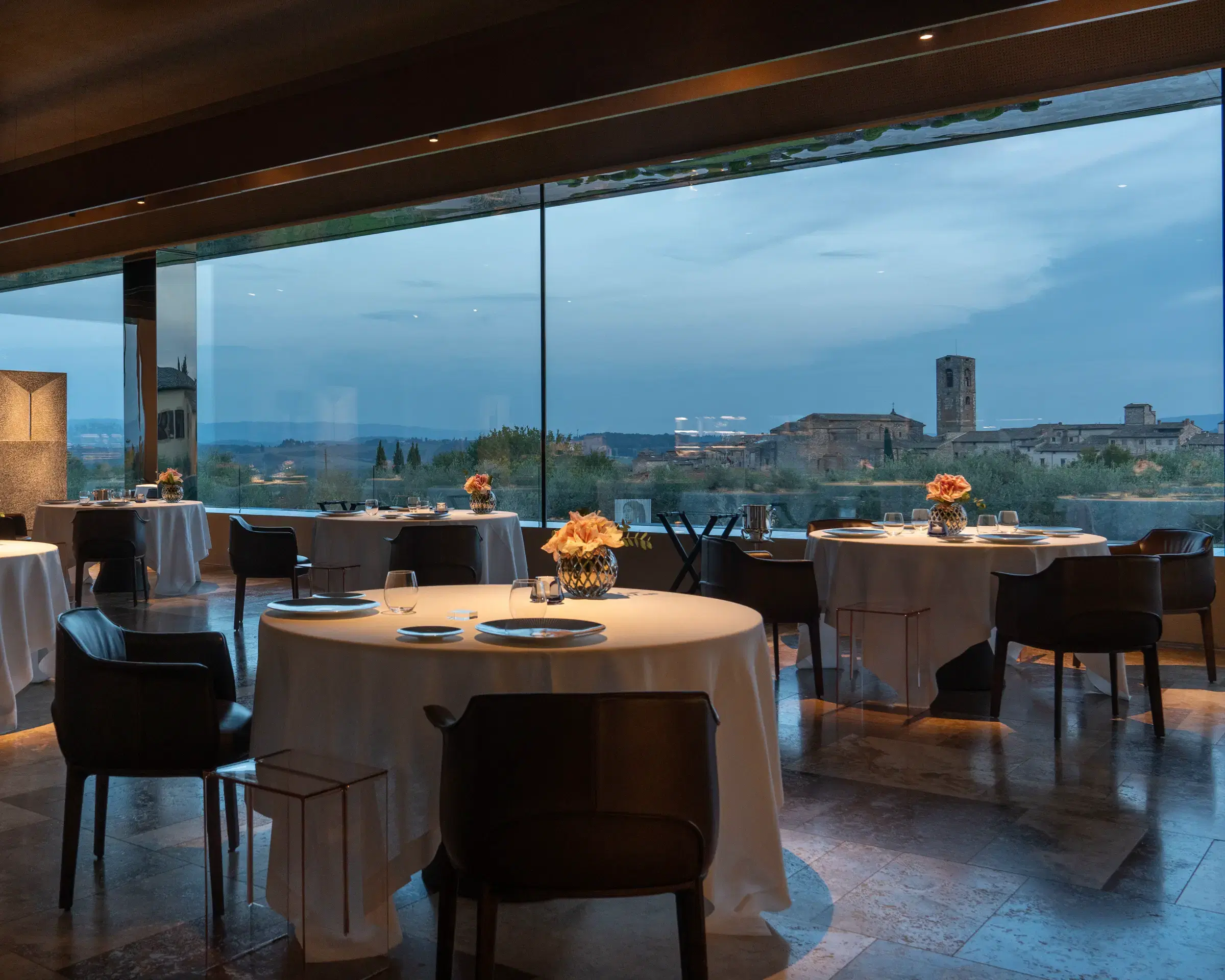
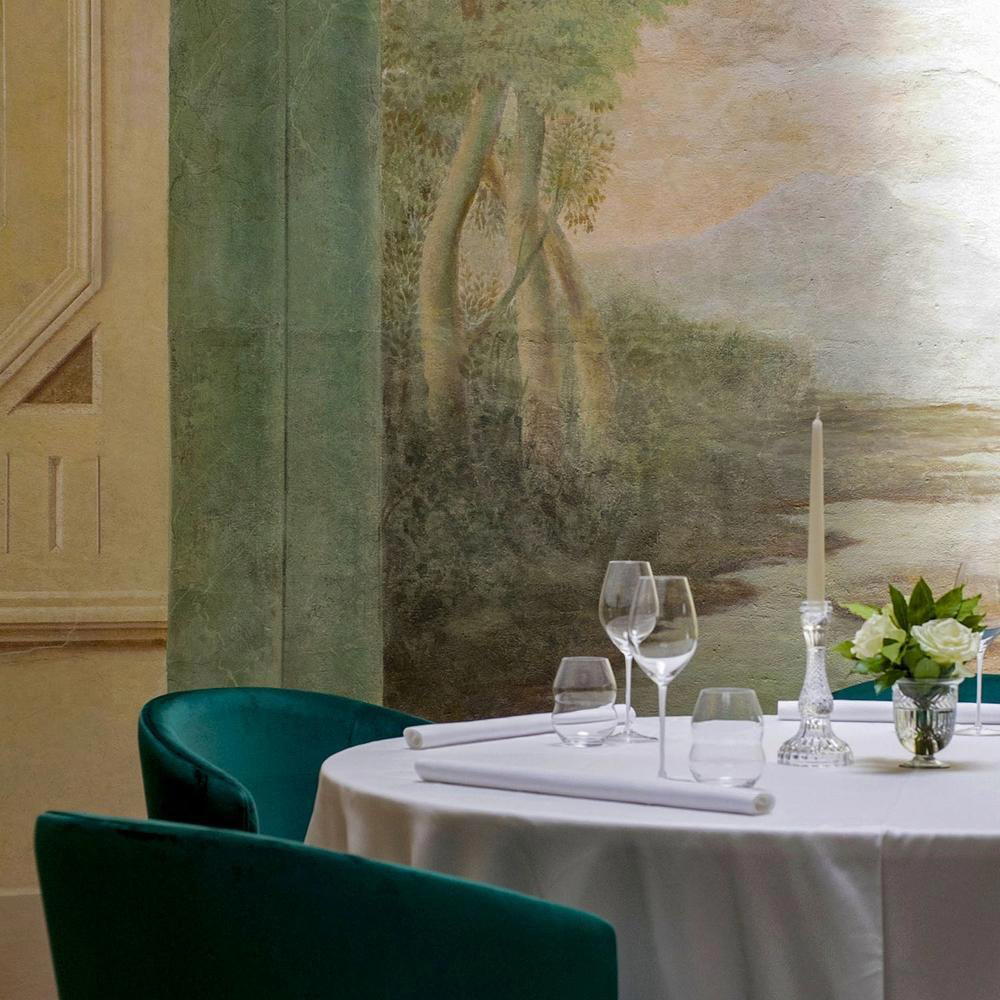
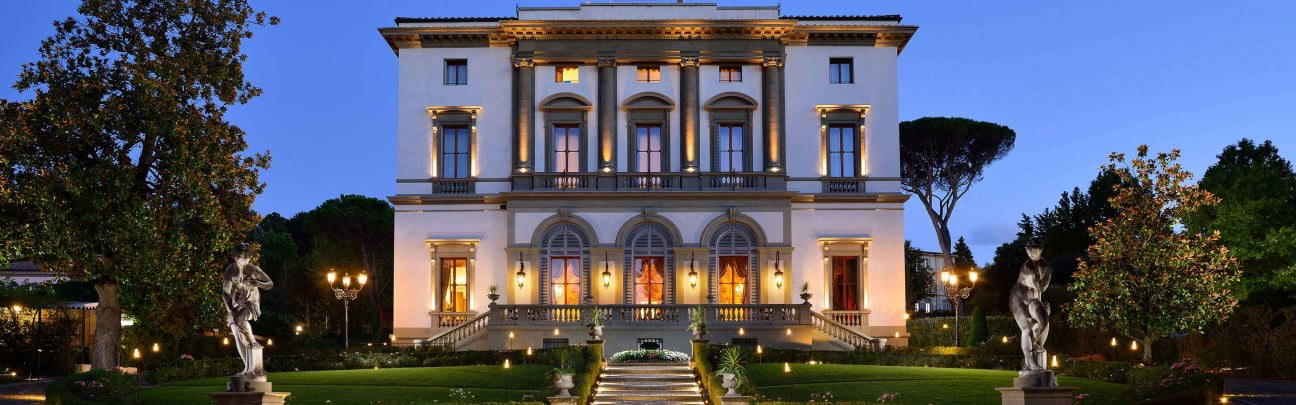
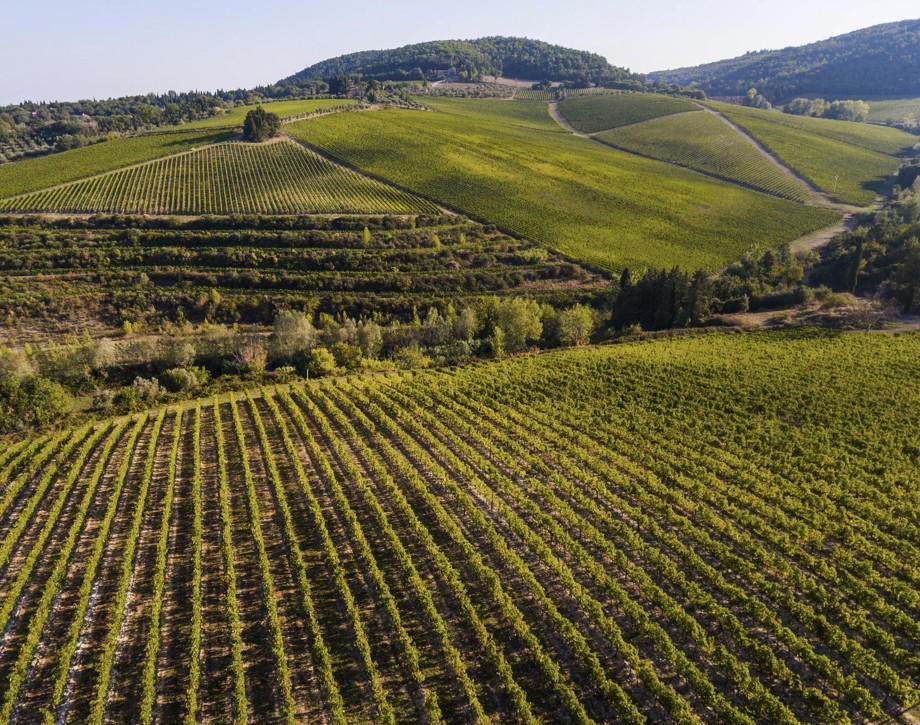
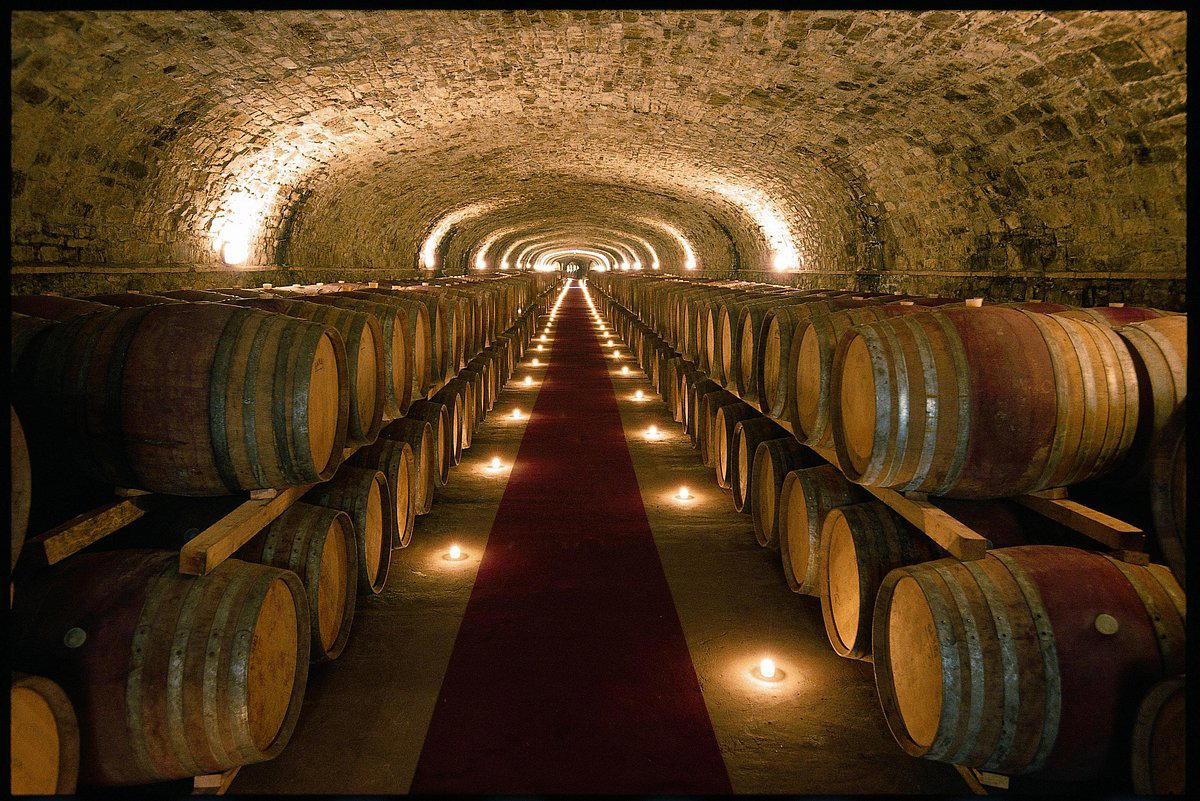
The approach to Il Castello del Nero sets a particular tone before any food arrives. The summer terrace opens toward a view that captures the olive groves and cypress lines that define this corridor between Florence and Siena. Inside, the dining room carries the weight of the building itself: stone walls, proportioned ceilings, and a wine cellar that functions as both storage and atmosphere.
What makes this setting editorially interesting, rather than merely decorative, is that the property operates a kitchen garden directly on site. The garden is cultivated organically (though not yet formally certified) and grows up to ten varieties of tomato alongside fruit trees that feed into Di Pirro's kitchen across the seasons. In a region where restaurants routinely invoke local provenance as a marketing position, the infrastructure here is verifiable: the garden is on the grounds, the produce is in the kitchen, and the distance from soil to plate is measured in metres rather than supply chains.
The Ingredient Logic Behind the Three Menus
Italian creative fine dining at this price tier (€€€€) increasingly structures itself around tasting menus that reflect a declared sourcing philosophy rather than a simple sequence of courses. La Torre takes this further by segmenting its offering into three named menus: Evoluzione Vegetali, the vegetarian format built around the kitchen garden's output; La Terra, in which meat-based preparations take precedence; and Il Mare, oriented around fish and seafood. The division is practical but also editorial: it tells you that Di Pirro's kitchen operates different technical vocabularies depending on the ingredient category, rather than offering a single progression with optional substitutions.
The vegetarian menu is worth noting in particular. At the €€€€ price point, a dedicated vegetable tasting format signals something about kitchen confidence. The estate's garden, with its range of tomato varieties and fruit-bearing trees, provides enough raw material to sustain a menu that doesn't read as a concession to dietary preferences but as an expression of what the land produces. Comparable creative Italian programs, such as Atelier Moessmer Norbert Niederkofler in Brunico and Reale in Castel di Sangro, have made ingredient provenance central to their tasting logic at three-star level. La Torre operates a tier below that in Michelin terms, but the structural thinking is analogous.
What the Michelin Recognition Signals
La Torre received its first Michelin star in 2024, placing it in a growing cohort of estate-based restaurants in central Tuscany that have moved from regional comfort into formal recognition. The star is for creative cuisine, which in Michelin's framing typically denotes technique applied to local ingredients with clear compositional intent, rather than classical reproduction. Di Pirro's food is described in Michelin's own notes as technical and creative while remaining full of flavour, which is a specific formulation: it places the kitchen on the more disciplined end of the creative spectrum, where presentation and concept serve the ingredient rather than obscuring it.
For context, the three-star tier in Italy includes kitchens like Osteria Francescana in Modena, Dal Pescatore in Runate, Enoteca Pinchiorri in Florence, Enrico Bartolini in Milan, and Le Calandre in Rubano. La Torre's one-star position locates it as a serious, technically accomplished kitchen that is still building its record in formal recognition terms. That trajectory is often more interesting from a reader's perspective than an established three-star table: the cooking tends to be more risk-tolerant, and the booking is considerably more accessible.
Other notable Italian creative tables worth considering in this broader context include Piazza Duomo in Alba, Uliassi in Senigallia, Quattro Passi in Marina del Cantone, and Casa Perbellini 12 Apostoli in Verona. For the European creative category more broadly, Alléno Paris au Pavillon Ledoyen and Arpège in Paris represent the scale against which estate-sourced, garden-driven menus are increasingly being measured internationally.
The Wine Dimension
The cellar at Il Castello del Nero is described as holding a generous selection, and the estate produces its own wine, which situates La Torre within a category of Tuscan restaurants where the beverage program is tied directly to agricultural production on the property. Chianti Classico, the denominazione that covers much of this territory between Florence and Siena, has undergone considerable quality stratification over the past two decades, with Gran Selezione as its prestige tier.
Extra-virgin olive oil from the estate is also cited as a key ingredient, which matters in this context: Tuscan EVOO from properly managed groves is among the most regionally specific flavour inputs a kitchen can deploy, and its presence as a listed feature rather than a background assumption reflects a kitchen that thinks about fat and flavour at the ingredient level, not just at the cooking stage.
Dessert as a Separate Register
The Michelin notation specifically calls out the dessert sequence at La Torre as striking for its imaginative construction, singling out the petit fours: mini cakes, chocolates, and macarons served alongside coffee. This is a meaningful signal. In creative fine dining, the dessert and mignardise stage often reveals the kitchen's range most clearly, because the technical constraints of sugar work and confectionery are different from savoury cooking, and a kitchen that handles both registers with conviction is operating at a broader skill base. The fact that this element receives individual mention in Michelin's notes suggests it is not incidental.
Planning a Visit
La Torre operates Tuesday through Saturday evenings only, with a service window from 7:30 PM to 9:30 PM. The restaurant is closed Sunday and Monday. At a €€€€ price point with Michelin recognition and a limited weekly schedule, advance booking is advisable, particularly for weekend dates during the Chianti high season from late spring through harvest in October.enprimeurclub.
Frequently asked questions
What price level is La Torre?
Pricing at La Torre is listed as €€€€.
What time does La Torre open and close?
Hours at La Torre: Monday closed Tuesday 7:30 PM-9:30 PM Wednesday 7:30 PM-9:30 PM Thursday 7:30 PM-9:30 PM Friday 7:30 PM-9:30 PM Saturday 7:30 PM-9:30 PM Sunday closed.
How It Stacks Up
| Venue | Cuisine | Price | Awards | Notes |
|---|---|---|---|---|
| La TorreThis venue (the venue you are viewing) | Michelin-Starred Tuscan Fine Dining | Not listed | 1 Michelin Star | Not listed |
| Atelier Moessmer Norbert Niederkofler | Modern Alpine Fine Dining | $300–500 | 3 Michelin Stars · World's 50 Best #20 | Italian, Creative |
| Dal Pescatore | Classic Italian Fine Dining | $200–300 | 3 Michelin Stars · World's 50 Best #38 | Italian, Italian Contemporary |
| Enoteca Pinchiorri | Contemporary Italian Fine Dining | $200–300 | 3 Michelin Stars · World's 50 Best #32 | Italian - French, Italian Contemporary |
| Enrico Bartolini | Modern Italian Fine Dining | $300–500 | 3 Michelin Stars · World's 50 Best #85 | Creative |
| Osteria Francescana | Avant-Garde Italian Contemporary | $300–500 | 3 Michelin Stars · World's 50 Best #1 | Progressive Italian, Creative |
Recognition history
Dated appearances from independent guides and award organizations, with the underlying list record or original source where available.
Michelin 1 Star
Michelin
Full recognition history (4 entries)
Michelin Bib Gourmand
Michelin
Michelin 1 Star
Michelin
Michelin 1 Star
Michelin
Continue exploring
More in Tavarnelle Val di Pesa
Restaurants in Tavarnelle Val di Pesa
All restaurants in Tavarnelle Val di Pesa →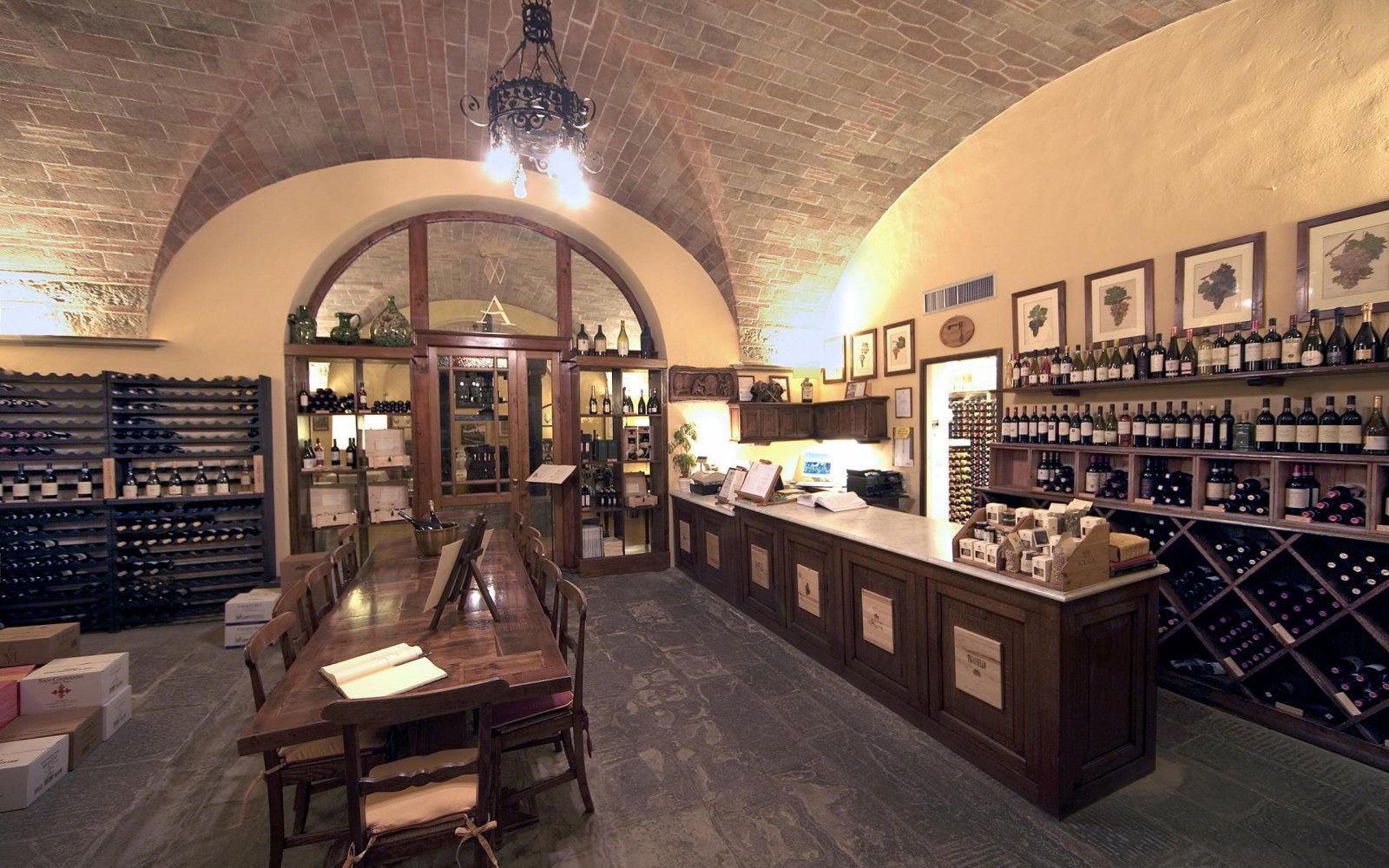
Bars in Tavarnelle Val di Pesa
Browse all →
Hotels in Tavarnelle Val di Pesa
All hotels in Tavarnelle Val di Pesa →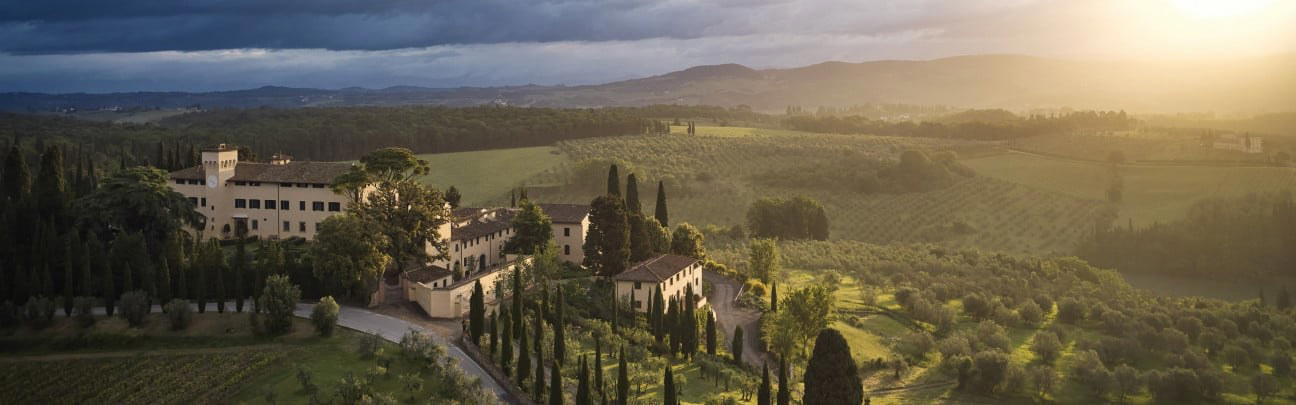
La Torre
The wine
- Wine program
- Deep wine list
- Extensive wine list
- Sommelier-led
Details
- Elegant
- Romantic
- Scenic
- Rustic
- Sophisticated
- Date Night
- Special Occasion
- Celebration
- Panoramic View
- Historic Building
- Terrace
- Wine Cellar
- Extensive Wine List
- Sommelier Led
- Farm To Table
- Local Sourcing
- Organic
- Vineyard
- Tasting Menu
- A La Carte
- Vegetarian Friendly
- Vegan Options
- Gluten Free Options
Current opening hours
- Monday
- Closed
- Tuesday
- 7:30–9:30 PM
- Wednesday
- 7:30–9:30 PM
- Thursday
- 7:30–9:30 PM
- Friday
- 7:30–9:30 PM
- Saturday
- 7:30–9:30 PM
- Sunday
- Closed
Hours can change for holidays and private events. Hours as of .
Elegant dining room in former castle stables with vaulted ceilings, period fireplace, and warm stylish atmosphere; summer terrace offers far-reaching panoramic views of Chianti countryside, vines, and olive groves.