
A Michelin Plate-recognised osteria in Setagaya's Soshigaya neighbourhood, Zupperia Osteria Pitigliano brings central Italian countryside cooking to Tokyo with an unusually specific focus: the soup traditions of Maremma, paired with handmade pasta, char-grilled fish and meat, and a culture of shared plates. At ¥¥, it occupies a modest price tier within a city where Italian dining spans everything from grand tasting menus to neighbourhood trattorie.
Pearl is the En Primeur Club membership app — saves, bookings, and concierge access live there. Same editors, same standards.
- Address
- Japan, 〒157-0072 Tokyo, Setagaya City, Soshigaya, 3 Chome−4−9 2F
- Phone
- +81 3-3789-0017
- Website
- zo-pitigliano.com
- Directions
- Get directions
 Saves & bookings on Pearl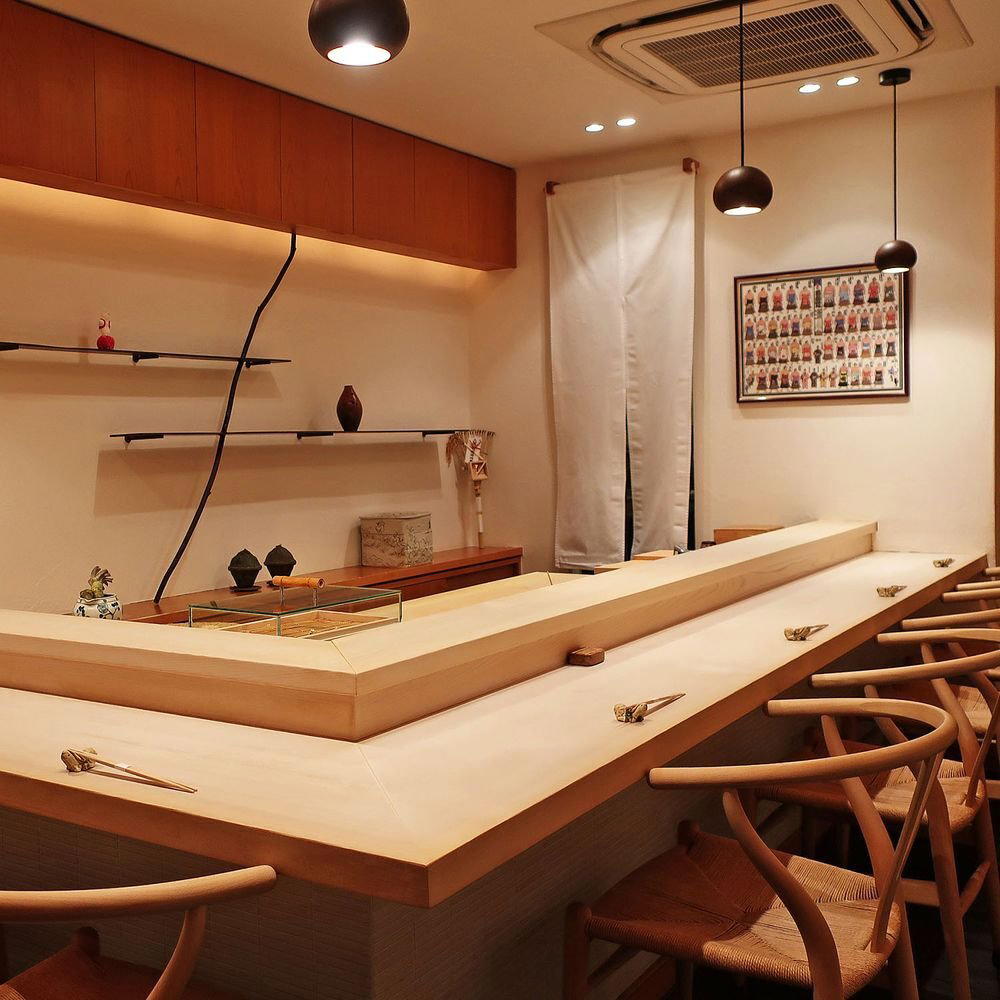
Soup, Bread, and the Logic of the Italian Table
In the Italian countryside, a meal rarely announces itself. A pot of beans simmers, bread goes stale and then becomes useful again, and dinner is assembled rather than constructed. This is the premise behind the zuppa tradition, the practice of tearing bread into vegetable and bean soups to stretch and absorb, and it is precisely this unhurried logic that sits at the centre of what Zupperia Osteria Pitigliano does in Tokyo's Soshigaya neighbourhood. While much of Tokyo's Italian dining gravitates toward elaborate tasting formats and imported prestige, a smaller category of restaurants has found its audience by going in the opposite direction: fewer ingredients, slower techniques, and menus that treat rusticity as a considered position rather than a fallback.
Zupperia Osteria Pitigliano belongs to that quieter cohort. The restaurant holds a Michelin Plate (2025). In a city where Aroma Fresca and Gucci Osteria da Massimo Bottura Tokyo occupy the high-spend, high-concept end of Italian dining, and where PRISMA and Principio represent their own distinct takes on the cuisine, Pitigliano operates from a different premise entirely. The question it asks is not how to reimagine Italian cooking but how to translate it accurately, specifically the food culture of the Maremma, the low-lying coastal and inland region of southern Tuscany.
The Maremma Influence and What It Actually Means on the Plate
Pitigliano is a small hill town in the Maremma, perched on volcanic tufa rock above a range of olive groves and grazing land. It is not a place that has historically produced restaurant food. Its cooking tradition is domestic: bean soups enriched with bread, pasta made by hand from local flour, fish from the Tyrrhenian coast cooked over direct heat, and meat treated with the same directness. The Italian concept of cucina povera, cooking that extracts maximum flavour from minimal, inexpensive ingredients, is not a trend in this context; it is simply how people ate.
The restaurant's menu extends this logic through an extensive selection of soups. Where many Italian restaurants in Tokyo treat soup as a transitional course, here it anchors the offering. The char-grilled fish and meat dishes follow the same principle: direct heat, good sourcing, no elaborate saucing. Handmade pasta appears without the layered embellishment that characterises pasta at higher-price-point Italian rooms. This is the editorial bet the kitchen makes: that fewer interventions, when those interventions are precise, produce more convincing results than complexity deployed for its own sake.
The shared-plate format reinforces the philosophy. At Pitigliano, diners are encouraged to eat as Italians do in domestic settings, from communal dishes, in sequence, without the formality of individual portioning. In a Tokyo dining culture that tends toward careful individual plating, this approach reads as deliberate regionalism rather than informality.
Where Pitigliano Sits in Tokyo's Italian Scene
Tokyo has more Italian restaurants than most Italian cities, and the category has developed distinct internal tiers. At the leading, multi-course tasting menus at ¥¥¥¥ addresses benchmark themselves against European fine dining. In the middle, a broad range of trattorie and modern Italian rooms fill the ¥¥¥ bracket. At ¥¥¥, Pitigliano prices as a neighbourhood osteria, comparable in spend to AlCeppo rather than to the city's Michelin-starred Italian rooms.
That positioning matters. Tokyo diners who approach Italian dining through the lens of kaiseki-influenced precision or the grandeur of European fine dining may find the deliberate plainness here disorienting at first. The value is in the specificity: this is not generic Italian, nor is it Italian food adapted for Japanese palates in the ways that are common at mid-range trattorie. It is a relatively narrow regional tradition executed with fidelity in a second-floor space in Soshigaya, a residential area of Setagaya Ward that sits well outside the central dining circuits of Ginza, Roppongi, or Shinjuku.
For comparison, cenci in Kyoto shows how a Japanese chef trained in Italy can produce a personal synthesis of both culinary traditions at higher price points. Pitigliano operates with a different ambition: not synthesis, but fidelity to a source material that most diners, even well-travelled ones, would struggle to identify precisely.
Getting There and What to Expect
The restaurant occupies a second-floor space at 3 Chome-4-9 Soshigaya, Setagaya City, a residential address that makes no concessions to passing foot traffic. Soshigaya sits on the Odakyu Odawara Line, accessible from Shinjuku in roughly 20 to 25 minutes, though the neighbourhood character is entirely unlike the central wards. This is the kind of location that requires intention: diners come specifically, not incidentally.4 across 71 reviews signals a small, committed audience rather than a broadly surveyed crowd.
Reservations are essential. Dress: smart casual. Budget: ¥¥¥ price tier, positioning this as an accessible mid-range spend by Tokyo standards. Getting there: Soshigaya-Okura Station on the Odakyu Odawara Line is the nearest access point.
For readers building a broader Tokyo itinerary around restaurants, our full Tokyo restaurants guide maps the city's dining scene across all price tiers and cuisines. For hotels, bars, and experiences in the city, see our full Tokyo hotels guide, our full Tokyo bars guide, and our full Tokyo experiences guide. Those travelling beyond Tokyo can find equivalent regional guides for HAJIME in Osaka, Gion Sasaki in Kyoto, akordu in Nara, Goh in Fukuoka, 1000 in Yokohama, and 6 in Okinawa. For Italian dining outside Japan, 8 1/2 Otto e Mezzo Bombana in Hong Kong represents a different end of the Italian fine dining spectrum in Asia. The Tokyo wineries guide covers wine-focused stops for those pairing regional Italian food with wine exploration.
Standing Among Peers
Comparable venues nearby, for context on price, style, and recognition.
| Venue | Cuisine | Price | Awards | Notes |
|---|---|---|---|---|
| ZUPPERIA OSTERIA PITIGLIANOThis venue — the venue you are viewing | Tuscan Italian Countryside Cuisine | $$$ | Bib Gourmand | Not listed |
| Gigio | Regional Italian Trattoria | $$$ | Bib Gourmand | Setagaya |
| ROZZO SICILIA | Authentic Sicilian Trattoria | $$$ | Bib Gourmand | Minato |
| TRATTORIA BUCA'MASSIMO | Italian Trattoria | $$$ | Bib Gourmand | Kōtō |
| Shokudo Wata | Modern Japanese Izakaya | $$$ | Bib Gourmand | Shinjuku |
| Ginza Katsukami | Tonkatsu Omakase | $$$ | Bib Gourmand | Chūō |
Recognition history
Dated appearances from independent guides and award organizations, with the underlying list record or original source where available.
Michelin Bib Gourmand
Michelin
Michelin Plate
Michelin













At a Glance
- Rustic
- Intimate
- Cozy
- Elegant
- Date Night
- Special Occasion
- Celebration
- Group Dining
- Wine Cellar
- Private Dining
- Open Kitchen
- Extensive Wine List
- Sommelier Led
- Local Sourcing
Current opening hours
- Monday
- 5:30–11 PM
- Tuesday
- 5:30–11 PM
- Wednesday
- Closed
- Thursday
- 5:30–11 PM
- Friday
- 5:30–11 PM
- Saturday
- 11:30 AM–3 PM, 5:30–11 PM
- Sunday
- 11:30 AM–3 PM, 5:30–11 PM
Hours can change for holidays and private events. Last verified .
Warm, cave-like atmosphere with European materials, natural textures, and warm wood tones evoking a traditional Italian countryside osteria; intimate and relaxing with antique foreign decor.