Michelin Plate
Our verdict
A Michelin Plate-recognised Italian restaurant in Nakagyo Ward, Zucchero brings a seafood wholesaler's sourcing discipline to a daily-changing menu of carpaccio, fritters, pasta, and oven-baked vegetables. The chef's background in both fish markets and kappo kitchens shapes a format that is direct and seasonal, with dishes served at the kind of heat that signals care rather than ceremony.

Pearl is the En Primeur Club membership app, where members save venues, book tables and use the concierge.
The menu
What to order
- Seasonal seafood carpaccio
- Fritto misto
- Scallop and beet cold pasta
- Squid ink tagliolini
- Braised beef cheek in red wine
- Milanese-style veal cutlet
Italian Cooking in a City Built on Restraint
Kyoto's relationship with Italian food is more considered than it might first appear. The city's dining culture is shaped by precision and seasonal logic, principles that translate surprisingly well across culinary traditions. Where Italian restaurants in Tokyo often compete on spectacle or imported ingredients, Kyoto's Italian scene tends to absorb local sourcing habits and a quieter register. A small number of addresses have built real followings by operating somewhere between the two traditions rather than choosing between them. cenci represents the fine-dining end of that space, holding three Michelin stars at a higher price tier. Zucchero occupies a different position: a Michelin Plate recipient at ¥¥ pricing, where the emphasis falls on daily-sourced seafood and direct, unfussy cooking.
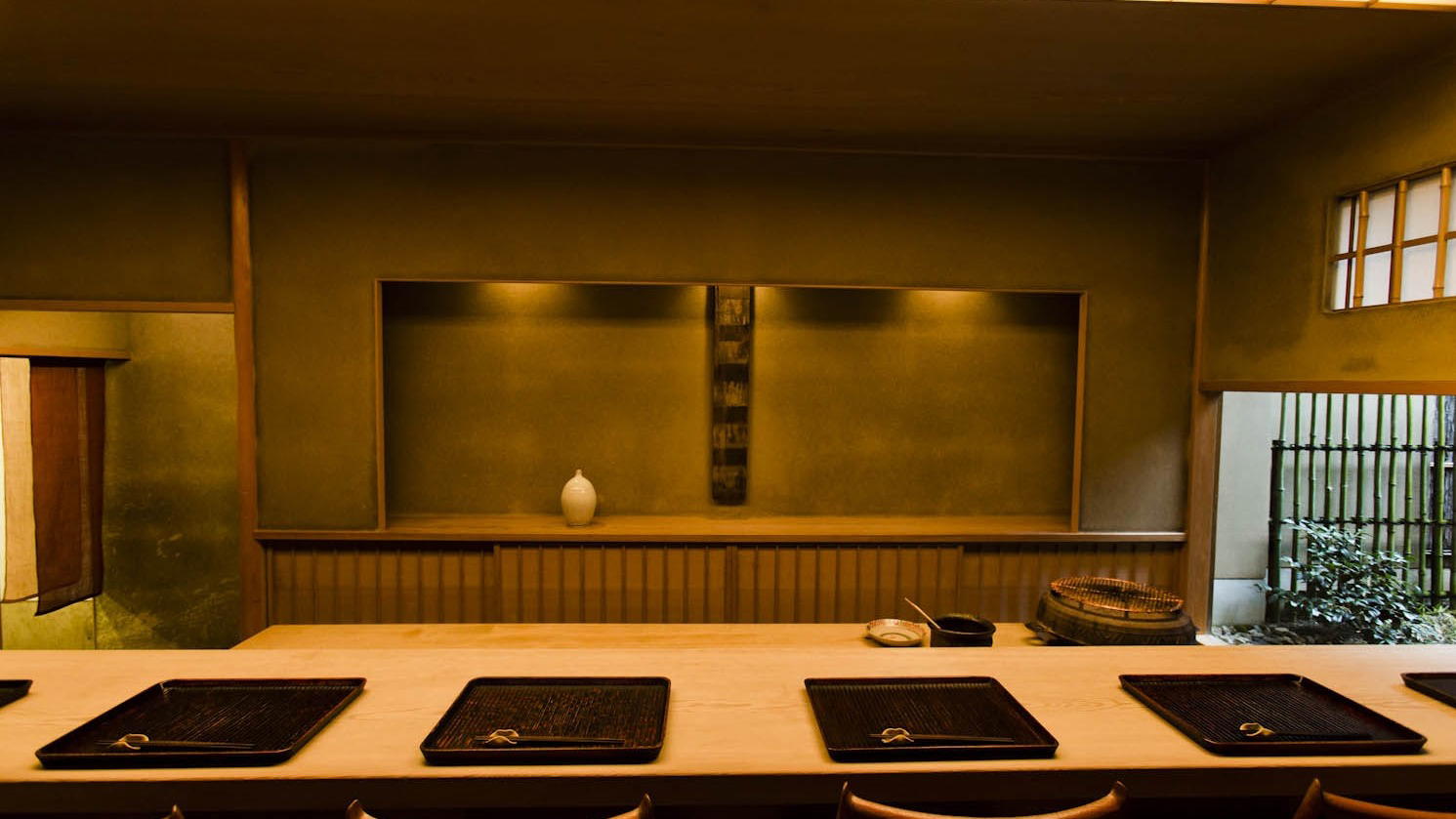
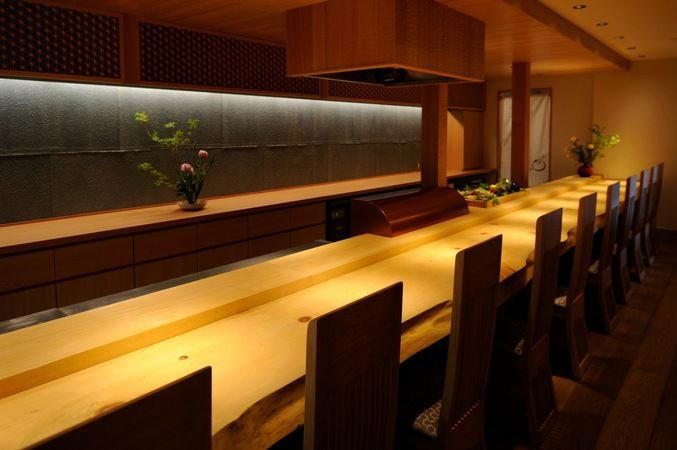
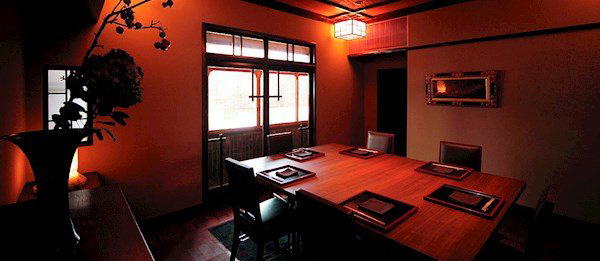
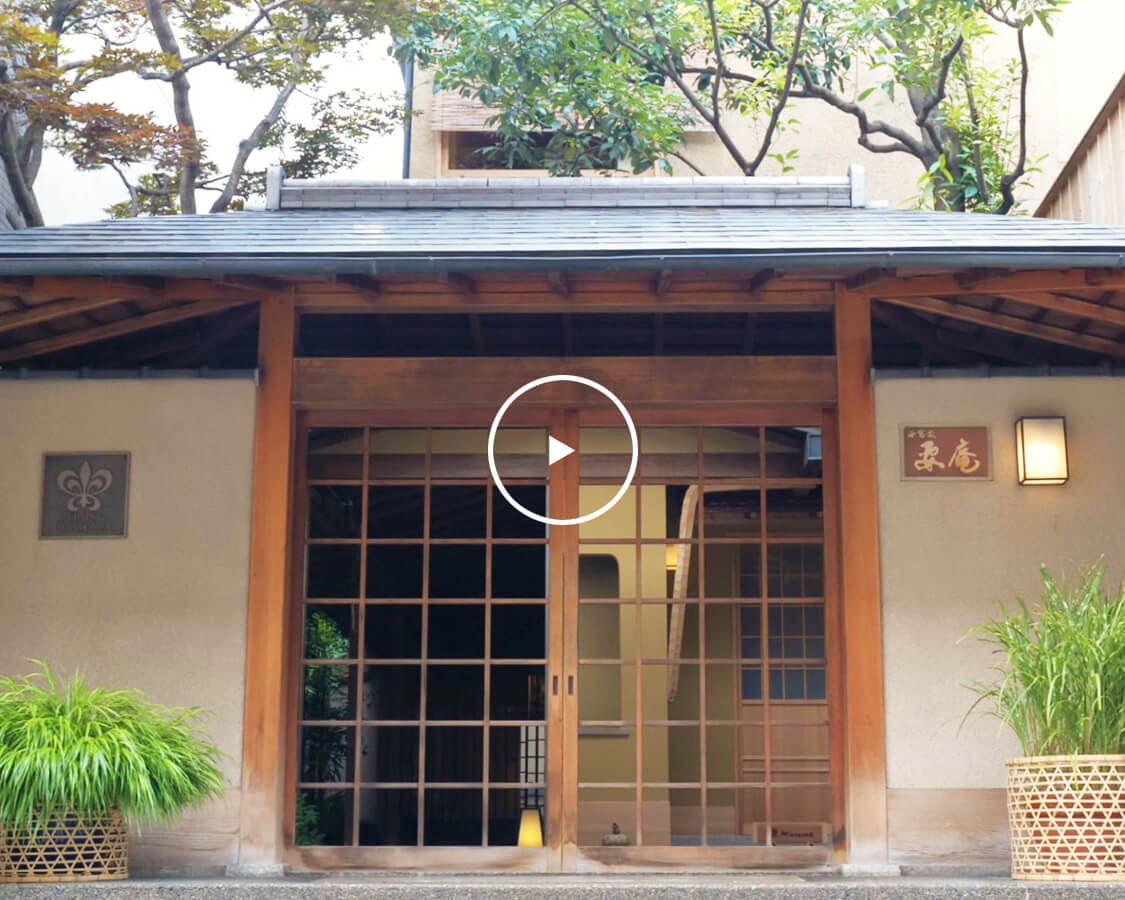
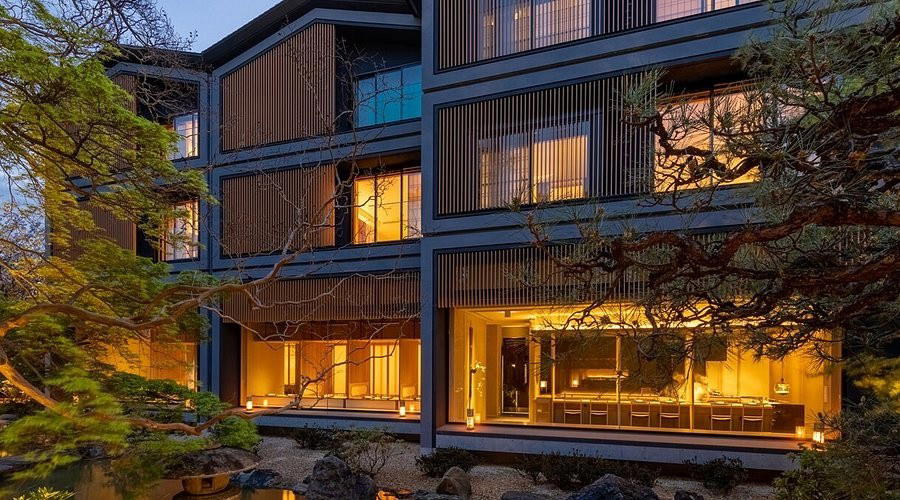
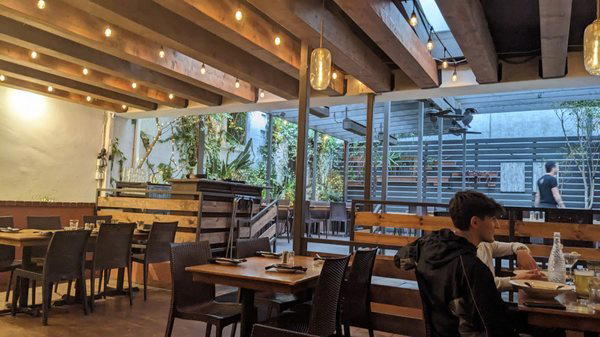
The address is Matsuyacho in Nakagyo Ward, on the second floor of a building that gives little away from the street. Nakagyo sits between the traditional corridors of Gion to the east and Nishiki Market to the south, a ward that hosts a cross-section of Kyoto's working restaurants rather than its tourist-facing set pieces. Arriving here, the expectation is set by the surroundings: this is not a destination built around atmosphere as a product. The room is where the cooking speaks.
What the Menu Structure Reveals
The menu at Zucchero changes daily. That single structural fact carries more information than most marketing language could. A daily-changing menu tied to seafood sourcing means the kitchen is not building around fixed signatures or a rehearsed narrative, it is building around what arrived that morning. This is a discipline more commonly associated with Japanese kappo or kaiseki formats, where the chef's role is to make the leading possible decision given the day's market, not to reproduce a predetermined dish list.
Chef's background connects those two traditions directly. Having worked in fish markets and kappo kitchens before running an Italian restaurant, the approach to seafood handling reflects training that is partly Japanese in character. The result is an Italian menu constructed with the sourcing logic of a wholesale operation: the restaurant has direct access to the supply chain, which means the seafood lineup changes as availability and season shift rather than on a quarterly menu rotation.
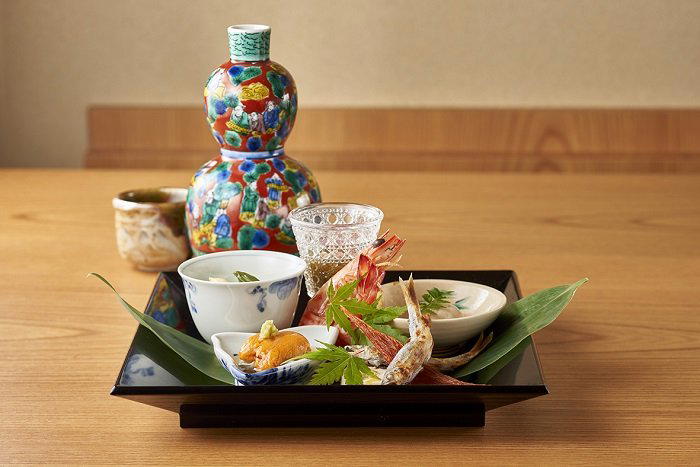
Dishes themselves are described as simple, carpaccio, fritters, stewed tomatoes, pasta, oven-baked vegetables served in the pot. This is not minimalism as aesthetic statement but simplicity as a technical choice. A carpaccio prepared with fish sourced that day, handled by someone trained in kappo knife work, does not need embellishment. The restraint is a form of confidence. At ¥¥ pricing, Zucchero sits well below the city's fine-dining tier, where cenci prices at ¥¥¥ and kaiseki rooms like Gion Sasaki and Ifuki operate at ¥¥¥¥. The accessible price point here is not a compromise on sourcing, it reflects a menu format that keeps preparation direct and lets ingredient quality carry the weight.
One distinguishing operational detail: dishes arrive hot. This is noted as a specific point of pride, and it is worth pausing on. In a city where presentation often takes precedence over serving temperature, the kitchen's insistence on heat as a marker of quality reflects a cook's rather than a designer's priorities. Steaming pasta and oven-baked vegetables brought directly from the pot to the table are practical demonstrations of that position.
Placing Zucchero in Kyoto's Italian Tier
Italian cooking in Japan has a longer and more textured history than the restaurant count in any single city might suggest. At the upper end, addresses like HAJIME in Osaka and Harutaka in Tokyo demonstrate how Japanese chefs have absorbed and reinterpreted European culinary frameworks into something with its own logic. In Kyoto specifically, the Italian segment is smaller and more specialist. Bini and Vena represent different points in that local field, as does BOCCA del VINO, which sits at a similar mid-range price tier.
Zucchero's 2024 Michelin Plate recognition places it in the category of restaurants the guide considers worth attention without a full star recommendation. In practical terms, the Plate designation signals a kitchen operating with consistency and care rather than representing the city's most technically ambitious cooking. That ratio, high satisfaction at low volume, is typical of second-floor Nakagyo addresses that rely on repeat custom and word-of-mouth rather than walk-in traffic.
For comparison outside Japan, the format shares something with restaurants like 8 1/2 Otto e Mezzo Bombana in Hong Kong, which builds Italian cooking around Asian sourcing discipline, though that property operates at a considerably higher price point and scale. Closer in spirit to Zucchero's daily-market logic is Frasca Food and Wine in Boulder, where Italian technique is applied with close attention to what the region produces at any given moment. The connecting thread is menu architecture that treats the market as the brief, not the finished dish.
How Zucchero Fits a Broader Kyoto Visit
Kyoto's dining scene rewards planning across categories. The kaiseki tier, represented by rooms like Kichisen and Gion Sasaki, requires advance booking and considerable budget. The city's Japanese mid-range and casual formats cover most appetite categories. What Italian restaurants at the ¥¥ level provide is a different entry point into Kyoto's ingredient culture, one that is often more immediately accessible for visitors less familiar with kaiseki's structural logic. A meal at Zucchero, with its daily seafood selection and direct preparation, is a way of engaging with what Kyoto's markets are producing without the formality or cost of the kaiseki rooms.
For those building a multi-day itinerary, the Nakagyo location also positions the restaurant conveniently within reach of central Kyoto's other neighbourhoods. Other Japanese destinations with distinct Italian programming worth comparing include akordu in Nara, Goh in Fukuoka, and further afield, 1000 in Yokohama and 6 in Okinawa. The full picture of where Italian cooking sits within Japan's regional dining culture emerges from reading these addresses against each other. Equally, for those planning a Kyoto visit more broadly, TAKAYAMA represents the city's Japanese fine-dining tier at a different register.
Further planning resources for the city: our full Kyoto restaurants guide, our full Kyoto hotels guide, our full Kyoto bars guide, our full Kyoto wineries guide, and our full Kyoto experiences guide.
Planning Details
Zucchero is located on the second floor at 55-1 Matsuyacho, Nakagyo Ward, Kyoto. Price tier: ¥¥. Michelin Plate recipient (2024).
Frequently asked questions
Has Zucchero won any awards?
Zucchero has received recognition including: As a seafood wholesaler, Zucchero offers seafood dishes in abundance and having worked in both markets and kappo, the chef has learned the skills of handling fish. The menu changes daily, with an impressive lineup of seafood in season. Dish….
What does dinner at Zucchero typically cost?
Pricing at Zucchero is listed as ¥¥.
What dish is Zucchero famous for?
Zucchero does not anchor its identity around a single signature dish. The menu changes daily based on what seafood is available through the chef's wholesale connections, so carpaccio, fritters, stewed tomato preparations, and pasta each rotate in and out of the lineup. The consistent thread is precision over temperature: dishes arrive hot, a point the kitchen treats as non-negotiable. The Michelin Plate recognition in 2024 reflects the overall consistency rather than any one plate.
What style of cooking does Zucchero do?
Recognition, Side-by-Side
| Venue | Cuisine | Price | Awards | Notes |
|---|---|---|---|---|
| ZuccheroThis venue (the venue you are viewing) | Italian | Not listed | Michelin Plate | Not listed |
| Gion Sasaki | Modern Kaiseki | $300–500 | 3 Michelin Stars · La Liste Top Restaurants | Kaiseki, Japanese |
| cenci | Innovative Italian-Japanese Fusion | $100–150 | 1 Michelin Star · World's 50 Best #76 | Italian |
| Ifuki | Sumibi Kappo Kaiseki | $200–300 | 2 Michelin Stars · La Liste Top Restaurants | Kaiseki |
| Kyokaiseki Kichisen | Kyoto Kaiseki | $200–300 | 2 Michelin Stars · La Liste Top Restaurants | Japanese |
| Kyo Seika | Modern Chinese Fine Dining | $150–200 | 1 Michelin Star · Tabelog Bronze #216 | Chinese |
Recognition history
Dated appearances from independent guides and award organizations, with the underlying list record or original source where available.
Michelin Plate
Michelin
Full recognition history (3 entries)
Michelin Plate
Michelin
Michelin Plate
Michelin