
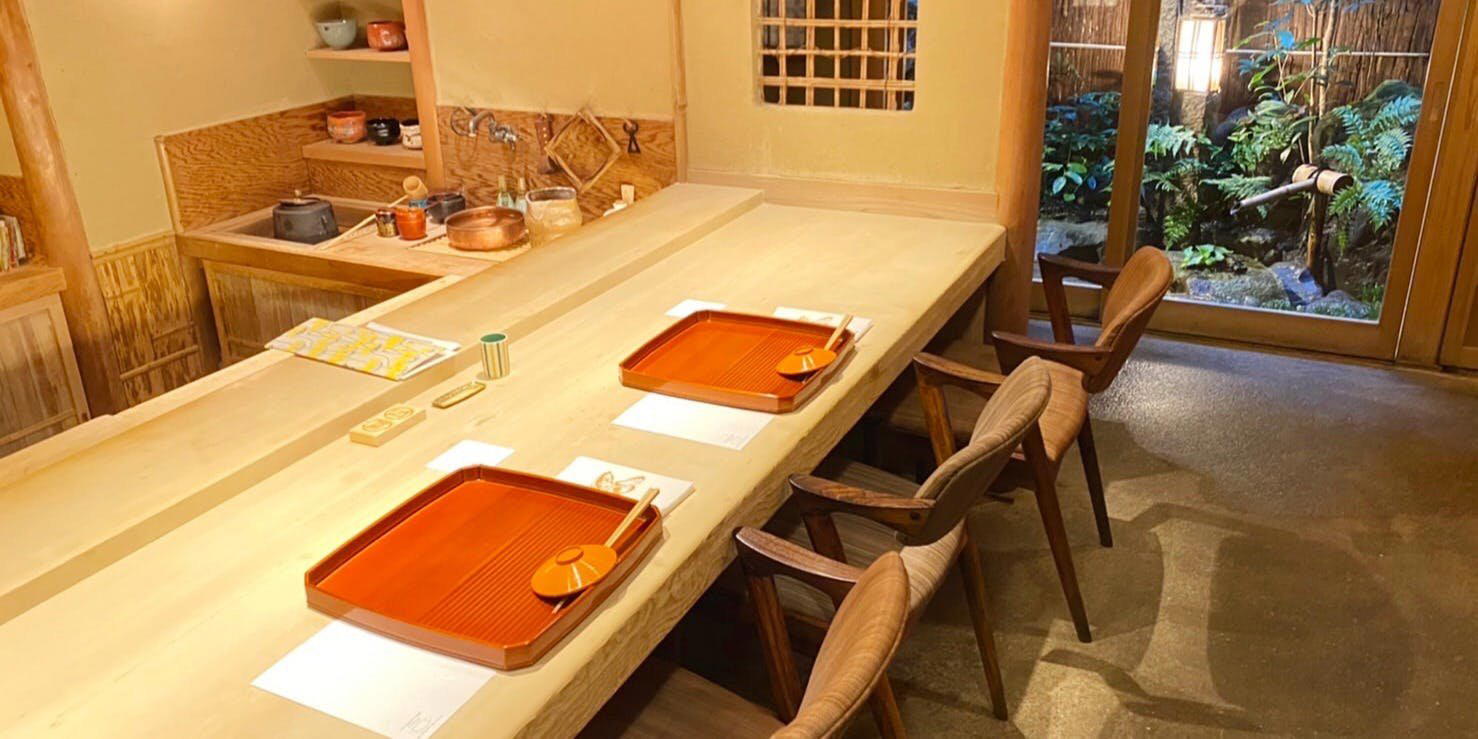
A Michelin Plate kappo tucked into a Nakagyo Ward alley, Taketoko operates on a philosophy of restraint that sets it apart from Kyoto's more elaborate kaiseki establishments. Preparation is kept minimal by design: greens are boiled plainly, eel is grilled without seasoning, and the chawanmushi has become the kitchen's most discussed dish. At the ¥¥ price point, it represents one of the city's more accessible routes into serious kappo cooking.
Pearl is the En Primeur Club membership app — saves, bookings, and concierge access live there. Same editors, same standards.
- Address
- 475-10 Ryotonzushicho, Nakagyo Ward, Kyoto, 604-8204, Japan
- Phone
- +81 75-223-5606
- Website
- instagram.com
- Directions
- Get directions
 Saves & bookings on Pearl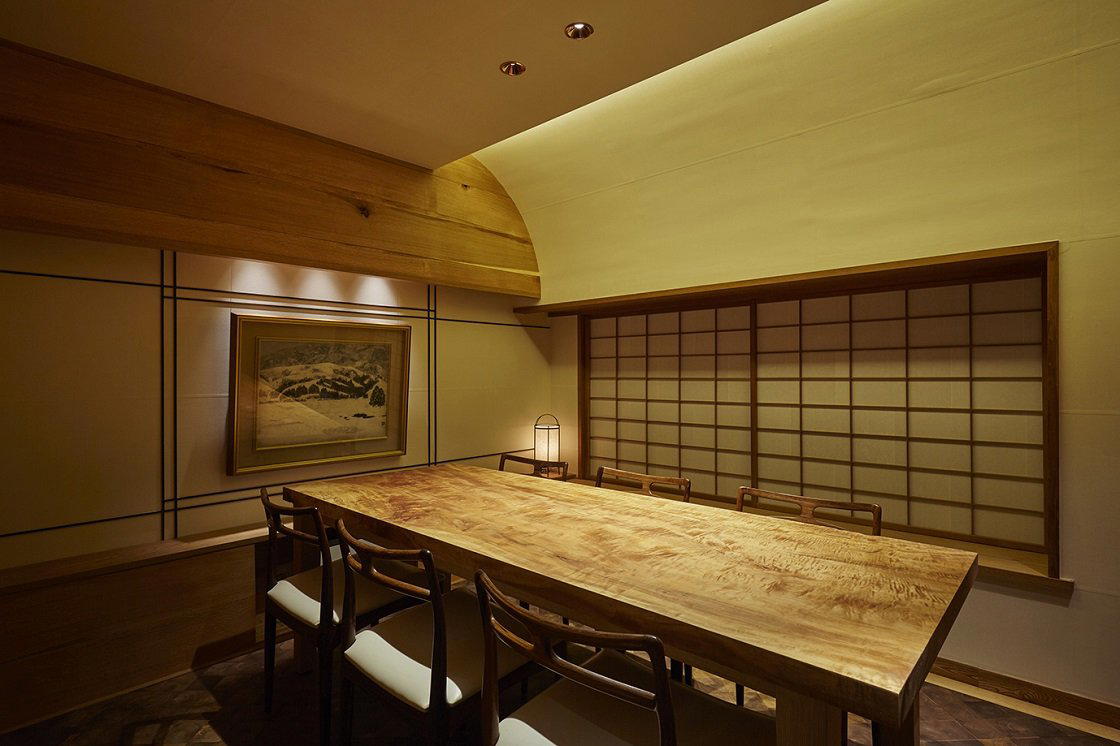
An Alley Address in Nakagyo Ward
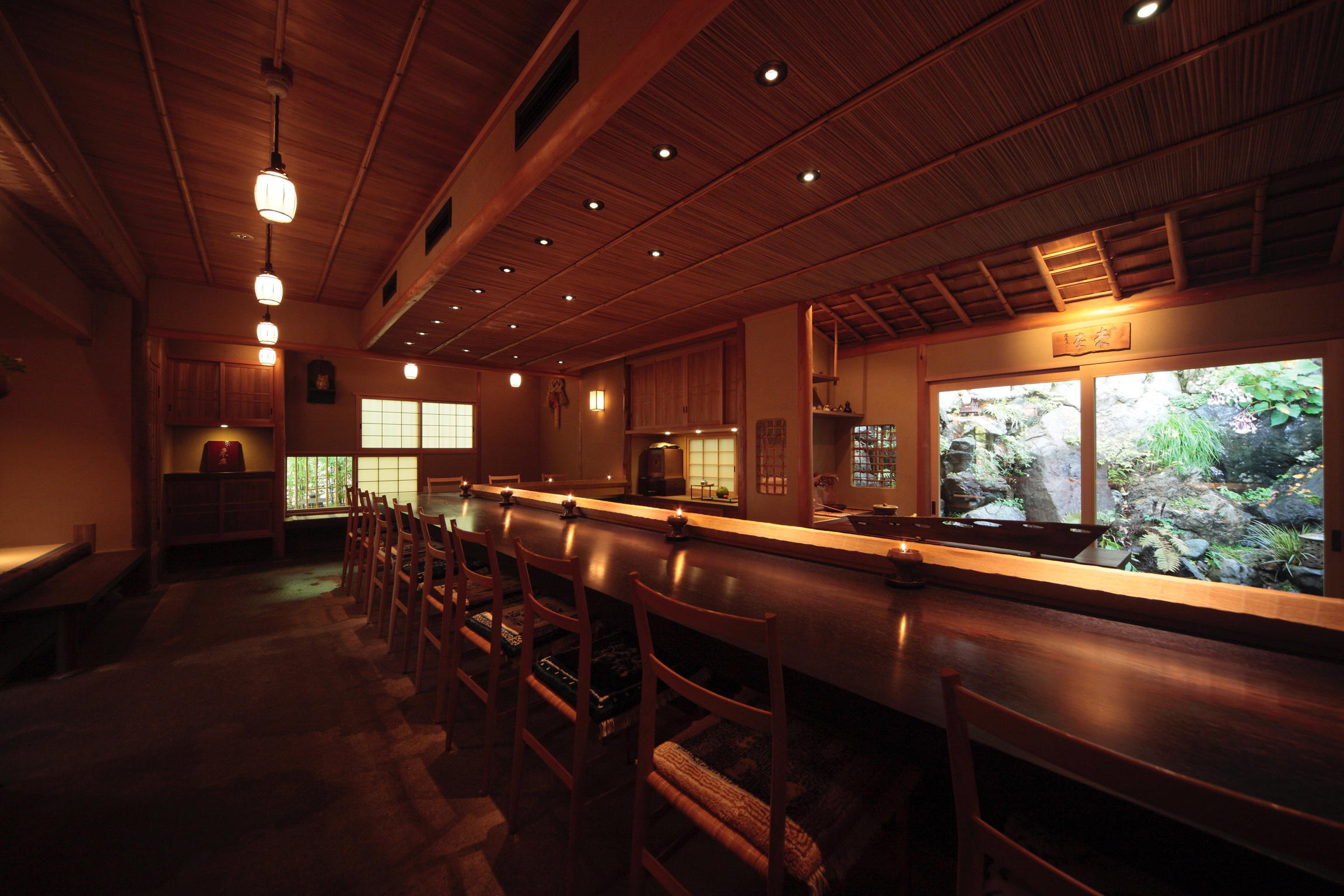
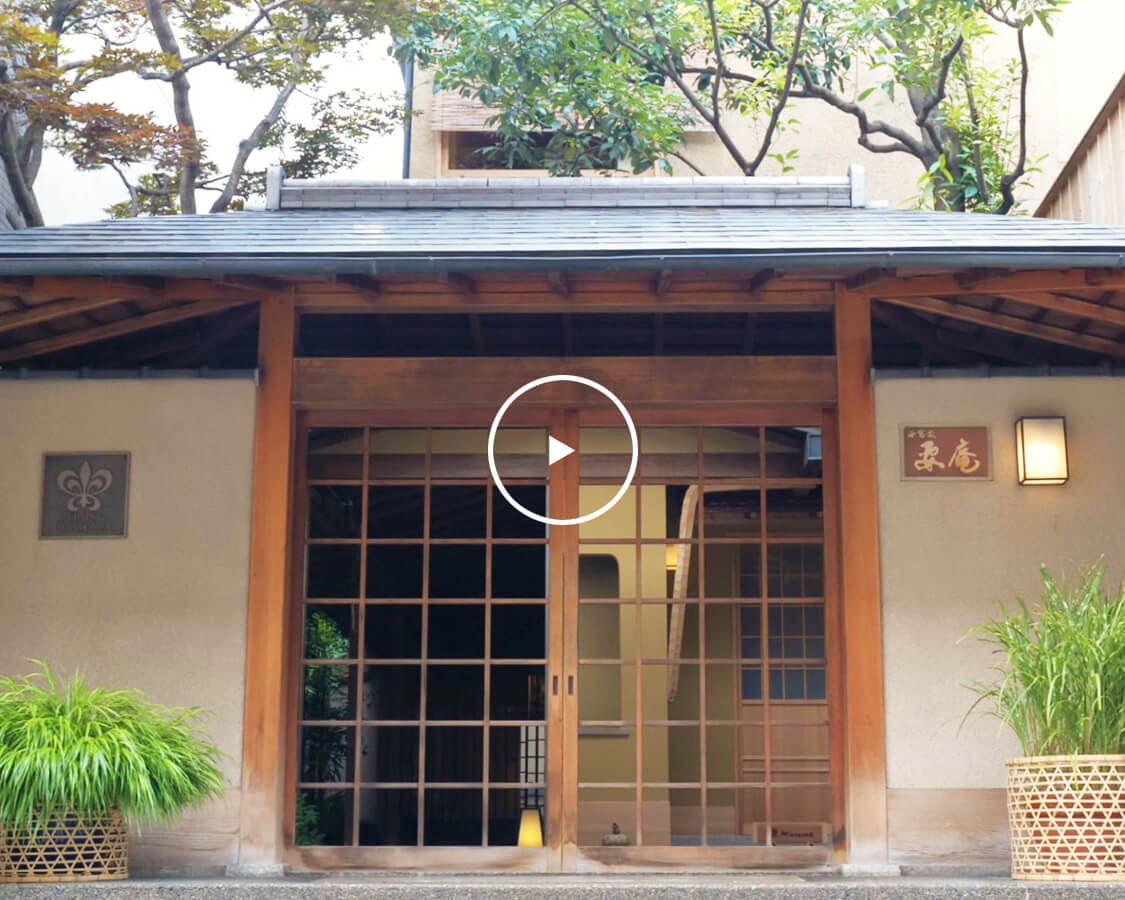
In a city where the restaurant-to-diner ratio is among the more competitive in Japan, the kappo format occupies a particular place in Kyoto's dining order. It sits between the strict ceremony of full kaiseki and the informality of an izakaya: counter-based, chef-led, and built around the rhythm of cooking rather than the performance of presentation. The city has dozens of these rooms, some well-signposted, others requiring a degree of navigational commitment. Taketoko belongs firmly to the latter category. The entrance sits at the end of an alley in Nakagyo Ward, at 475-10 Ryotonzushicho, and the address offers little in the way of spectacle before you've committed to the walk.
That low-profile positioning is not accidental. Kappo at this register tends to rely on word-of-mouth and repeat custom rather than foot traffic or street visibility. The dining rooms that survive here do so on the quality of what reaches the counter, not on signage or marketing. For the reader planning a visit, this means the booking logistics matter more than usual, and some groundwork before arrival is the difference between getting a seat and missing it entirely.
The Cooking Logic Behind Minimal Preparation
Kyoto's dominant fine-dining register is kaiseki, a format in which seasonality, visual composition, and the progression of flavours are all precisely engineered. The city's leading kaiseki tables, from the multi-starred to the quietly celebrated, share a tendency toward elaboration. Taketoko argues the opposite position. The kitchen's stated creed is fresh-off-the-grill, and preparation is kept to a minimum as a matter of principle rather than limitation.
What this produces in practice is a style of cooking that many diners trained on elaborate tasting menus find unexpectedly demanding. Greens are boiled and served plainly. Eel is grilled without seasoning, presented on its own terms. The logic here connects to a broader current in Japanese cooking that prizes the integrity of the ingredient above the technique applied to it, a current visible in different ways at establishments like Isshisoden Nakamura and Gion Matayoshi, though the execution at each point on that spectrum differs considerably.
Within this framework of restraint, the chawanmushi functions as the kitchen's most revealing dish. Chawanmushi, the steamed egg custard that appears in various forms across Japanese haute cuisine, is technically precise work: temperature control, timing, and the calibration of the dashi base all affect the result materially. The story attached to this particular kitchen, of an apprenticeship setback involving improperly heated chawanmushi that led to two years in the dishwashing section before the cook rebuilt his relationship with the dish, is part of the kitchen's lore. Whether or not that narrative changes the taste, it does accurately describe what chawanmushi represents in this room: the point where simplicity requires the discipline.
Where Taketoko Sits in Kyoto's Dining Order
Taketoko's recognition places it within the inspected tier of Kyoto restaurants without carrying star status. In practical terms, this positions the kitchen in a peer group that includes a number of counter-format and kappo restaurants recognised for consistent quality at a more accessible price point.
The ¥¥ designation is notable in a city where serious Japanese cooking more typically commands ¥¥¥ or ¥¥¥¥. Comparable Kyoto establishments operating at the upper end of the formal spectrum, such as Kikunoi Roan, Kenninji Gion Maruyama, and Kodaiji Jugyuan, operate at price tiers that reflect both the ingredients and the production involved in a full kaiseki sequence. Taketoko's lower entry cost reflects the kappo format's different economics: fewer courses, more directness, and a cooking philosophy that avoids the labour-intensive plating work of kaiseki. This makes it one of the more financially accessible paths into Kyoto counter dining for visitors who want genuine kitchen engagement without the full kaiseki outlay.
For readers comparing Kyoto against Japan's broader counter-dining scene, the minimalist kappo model has parallels elsewhere: Harutaka in Tokyo and Myojaku in Tokyo represent different expressions of the same principle that the counter format should bring the diner closer to the act of cooking, not further from it. Azabu Kadowaki in Tokyo operates in a related register at a higher price bracket. Outside the Kansai region, HAJIME in Osaka, akordu in Nara, Goh in Fukuoka, 1000 in Yokohama, and 6 in Okinawa each demonstrate how differently the ingredient-first ethic plays out when the geography and the kitchen's specific obsessions change.
Planning Your Visit: What to Know Before You Go
The alley location and limited public profile of a place like Taketoko makes advance preparation more important than it would be for a restaurant with a prominent street presence and easy online booking. It signals that the people who found their way here left satisfied, but it does not tell you how those seats were secured.
For a room at this address and price tier, the practical approach is to plan the booking before the trip rather than on arrival. Recognition from the guide means the kitchen has been formally assessed and found to meet its standard for quality, which typically translates to increased demand from visiting diners. Seats at small kappo rooms in Kyoto's central wards can fill weeks ahead, particularly during the spring and autumn peak seasons when the city runs close to capacity across its entire dining and accommodation infrastructure.
One reliable route for overseas visitors is through a hotel concierge service or a specialist reservation platform with Japanese-language capability. Attempting to book by showing up in person during a busy period is a low-probability strategy for a room that operates on repeat custom and pre-commitment.
Reservations: Advance booking recommended; use a concierge or Japanese-language reservation service. Budget: ¥¥, placing it at the accessible end of Kyoto's serious counter-dining tier. Location: 475-10 Ryotonzushicho, Nakagyo Ward; the entrance is at the end of an alley and requires attention on arrival. Recognition: Michelin Plate 2025.
Further Reading
What's the must-try dish at Taketoko?
The chawanmushi is the dish most closely associated with the kitchen's identity and the one the chef has spoken about publicly as a point of pride. Within the restaurant's minimalist approach, it represents the clearest test of technical precision: steamed egg custard that succeeds through temperature control and timing rather than through elaborate garnish or additional flavouring. For a room that makes a discipline of restraint, it is especially instructive single order.
Style and Standing
Comparable venues nearby, for context on price, style, and recognition.
| Venue | Cuisine | Price | Awards | Notes |
|---|---|---|---|---|
| TaketokoThis venue — the venue you are viewing | Traditional Kyoto Kappo | $$ | Michelin Plate | Not listed |
| Kappo Takohachi | Traditional Kappo | $$ | Michelin Plate | Nakagyō |
| Pontocho Masuda | Kyoto-style Obanzai | $$$ | Michelin Plate | Nakagyō |
| Senda | Seasonal Kaiseki | $$$ | Michelin Plate | Shimogyō |
| Honke Owariya | Traditional Kyoto Soba | $$ | Not listed | Nakagyō |
| Gion Rohan | Creative Seasonal Japanese Izakaya | $$$ | Michelin Plate | Higashiyama |
Recognition history
Dated appearances from independent guides and award organizations, with the underlying list record or original source where available.
Michelin Plate
Michelin
Michelin Plate
Michelin
Michelin Plate
Michelin
Continue exploring
More in Kyoto
Restaurants in Kyoto
Browse all →
Bars in Kyoto
Browse all →
Hotels in Kyoto
Browse all →
Wineries in Kyoto
Browse all →
At a Glance
- Intimate
- Cozy
- Elegant
- Quiet
- Special Occasion
- Date Night
- Chefs Counter
- Sake Program
Intimate counter with focused stillness, rising scents of charcoal, gentle steam, and warm, savory perfumes creating a sanctuary of restraint and sensory interplay.