

At Mendokoro Janomeya, ramen transcends comfort to become a study in refinement. The house signature draws dashi from locally raised chickens—bones and whole birds—then deepens its character with soy sauce matured in imposing wooden barrels, yielding a broth of rare clarity and length. Choose among three pristine expressions—soy sauce, salt, and a silken white broth—each designed to showcase the evocative fragrance of thin, wheat-forward noodles. The setting nods to the aristocratic heritage of old Kyoto, inviting a serene, almost ceremonial appreciation of flavor. This is ramen for connoisseurs: pure, elegant, and meticulously composed, with every sip revealing craftsmanship, restraint, and a quiet sense of luxury.
Pearl is the En Primeur Club membership app — saves, bookings, and concierge access live there. Same editors, same standards.
- Address
- Japan, 〒604-8042 Kyoto, Nakagyo Ward, Nakanocho, 565-23 HARE の日 花遊小路 2階E号室
- Phone
- +81 75-231-2772
- Website
- tabelog.com
- Directions
- Get directions
 Saves & bookings on Pearl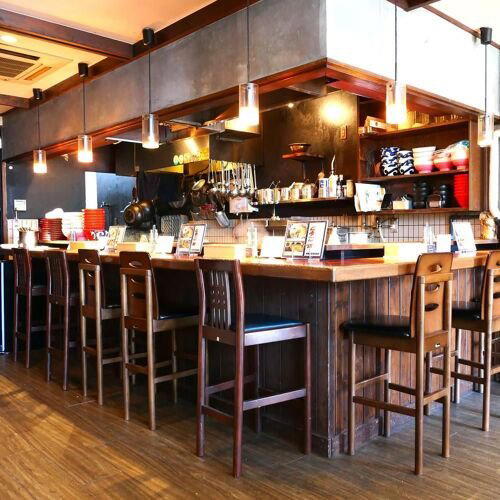
Upstairs in Nakagyo: The Ramen Counter Above Hana-yu Koji
Finding Mendokoro Janomeya requires a small act of commitment. The address places you on Hana-yu Koji, a covered passage running parallel to Shijo-dori in Nakagyo Ward, among the kind of compact retail lanes that Kyoto's central wards fold quietly between main streets. The restaurant occupies a second-floor room inside the HARE no Hi building, reached by stairs that most passing visitors would not think to climb. That vertical remove is part of what shapes the experience: the noise of the street drops away, and what replaces it is the concentrated, steam-warmed atmosphere of a room built around a single task.
In the context of Kyoto's wider dining range, which runs from three-star kaiseki at venues like Kyokaiseki Kichisen down through mid-tier Italian and Chinese rooms, the single-price-tier ramen specialist occupies a distinct and quietly serious niche. This is not a category Kyoto has historically dominated. The city's culinary identity has long been shaped by kaiseki's seasonally-driven multi-course formality and by the dashi traditions that underpin washoku broadly. Ramen arrived here, as it did in most of Japan's historic cities, as something understood to belong elsewhere, usually to Sapporo, Fukuoka, or Tokyo. What has shifted in Kyoto over the past decade is a generation of shops that take the broth discipline of washoku seriously and apply it to noodle formats, producing bowls that carry the city's ingredient sensibility without trying to be kaiseki in miniature.
The Ritual of a Single Bowl
The dining ritual at a specialist ramen counter follows a compression of the same logic that governs kaiseki's longer sequence. Everything is ordered to a single arrival. The broth is built over many hours; the noodles are portioned to finish before they soften past the intended texture; the toppings are placed with the same deliberateness that a kaiseki chef gives to a composed dish. At counters following this model, the etiquette is quieter and more self-contained than at casual chain ramen shops. You arrive, you order with economy (most shops at this level have short, sometimes single-item menus), and the attention you give the bowl mirrors the attention given to making it. Lingering past the bowl's optimal temperature, the way a kaiseki guest might pause between courses, is not part of the format. Ramen at this level is about a specific window of time, roughly the first eight to twelve minutes after the bowl lands.
Mendokoro Janomeya's 2024 Michelin Bib Gourmand places it inside the small category of Kyoto ramen operations the Guide's inspectors consider worth a specific visit, at price-to-value terms that fall clearly below the starred tier. The Bib Gourmand, in the Guide's own framing, identifies satisfying cooking at prices that do not require significant financial commitment, which at the ¥ price point here means a full meal is accessible to visitors who would not consider the ¥¥¥¥ kaiseki rooms that define Kyoto's international dining reputation.
Where This Sits in Kyoto's Ramen Field
The Kyoto ramen scene has developed a recognisable internal geography. A cluster of Bib Gourmand-level shops now competes for the same mid-morning and lunchtime traffic in the central wards, each with a distinct broth approach. Menya Inoichi and Kombu to Men Kiichi both operate in the lighter, dashi-forward end of the spectrum, drawing on the city's kombu and bonito traditions. KOBUSHI Ramen and Muginoyoake represent other points on the spectrum, and Chinese Noodles ROKU extends the category into chinasoba territory. Mendokoro Janomeya's Nakagyo Ward address puts it in proximity to the commercial and tourist core, which affects queuing patterns differently than shops located in residential wards further north or south.
For comparison against how Kyoto's Bib Gourmand ramen tier relates to ramen at other price and prestige levels nationally, Afuri in Tokyo operates a light yuzu shio model at a slightly higher price tier and with broader international recognition, while Afuri Ramen in Portland shows how the format travels when adapted for Western markets. The distance between those export models and a Nakagyo Ward counter with a Bib Gourmand is instructive: the latter is still deeply embedded in the specific rhythms and supply chains of its city, which is precisely what the Guide's inspectors are identifying when they award it.
Planning the Visit
| Factor | Mendokoro Janomeya | Typical Kyoto Bib Gourmand Ramen | Kyoto Kaiseki (¥¥¥¥ tier) |
|---|---|---|---|
| Price range | ¥ | ¥ to ¥¥ | ¥¥¥¥ |
| Booking | Not confirmed (check venue) | Usually walk-in or same-day | Advance reservation required |
| Meal duration | 20-40 minutes typical | 20-40 minutes | 2-3 hours |
| Recognition | Michelin Bib Gourmand 2024 | Variable | Michelin starred, multiple tier |
| Location | Nakagyo Ward, 2nd floor | Spread across central wards | Higashiyama, Gion, Nishiki area |
The second-floor location reduces the visibility that ground-floor shops rely on for passing trade, so queues, if they form, are more likely to gather at the stairwell rather than across the pavement. Visiting during the mid-afternoon lull between lunch and dinner service, if hours permit, tends to reduce wait times at Bib Gourmand-level ramen shops in central Kyoto.
For the full range of Kyoto's dining options at every price tier, see our full Kyoto restaurants guide. For context on where this kind of neighbourhood-counter experience fits against the city's hotel and bar circuits, our Kyoto hotels guide and Kyoto bars guide cover the adjacent parts of the visit. Travellers extending into the wider Kansai region may also find value in HAJIME in Osaka, akordu in Nara, or further afield at Goh in Fukuoka, Harutaka in Tokyo, 1000 in Yokohama, and 6 in Okinawa. The Kyoto experiences guide and Kyoto wineries guide are available for those building a broader itinerary around the city.
How Mendokoro Janomeya Kyoto compares with similar nearby venues.
| Venue | Cuisine | Price | Awards |
|---|---|---|---|
| Mendokoro Janomeya | Ramen | ¥ | Tabelog 100 #50 (2025), Bib Gourmand |
| Chinese Noodles ROKU | Ramen | ¥ | Not listed |
| Vegan Ramen UZU | Ramen | ¥¥ | Not listed |
| Menya Inoichi | Ramen | ¥ | Not listed |
| KOBUSHI Ramen | Ramen | ¥ | Not listed |
| Muginoyoake | Ramen | ¥ | Not listed |
Recognition history
Dated appearances from independent guides and award organizations, with the underlying list record or original source where available.
Tabelog 100 #50 · No. 50
Tabelog · Tabelog 100 - Ramen - WEST - 2025
Michelin Bib Gourmand
Michelin
Continue exploring
More in Kyoto
Restaurants in Kyoto
Browse all →
Bars in Kyoto
Browse all →

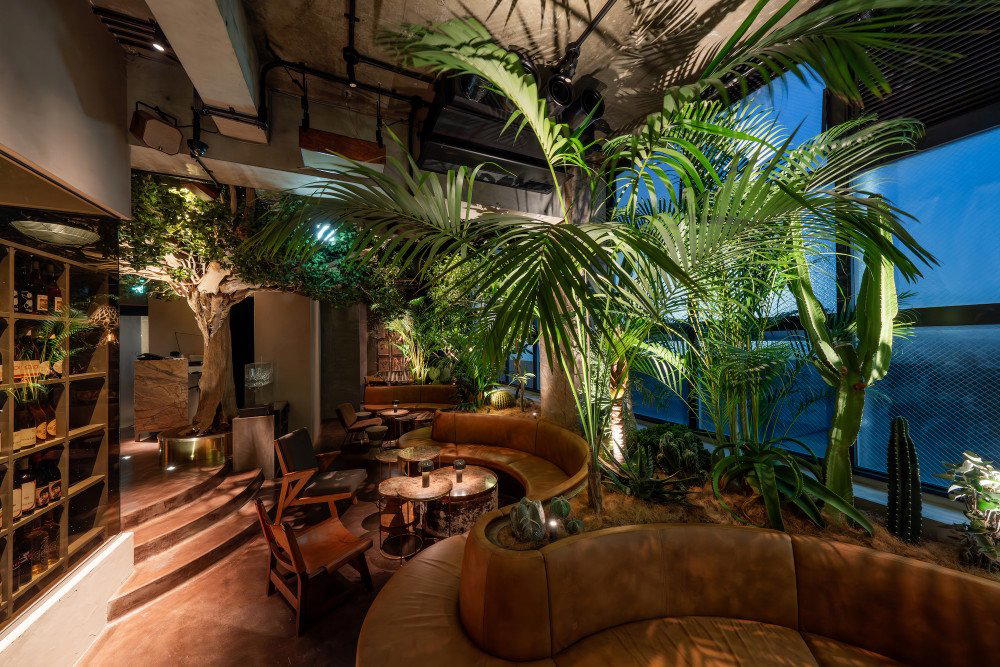
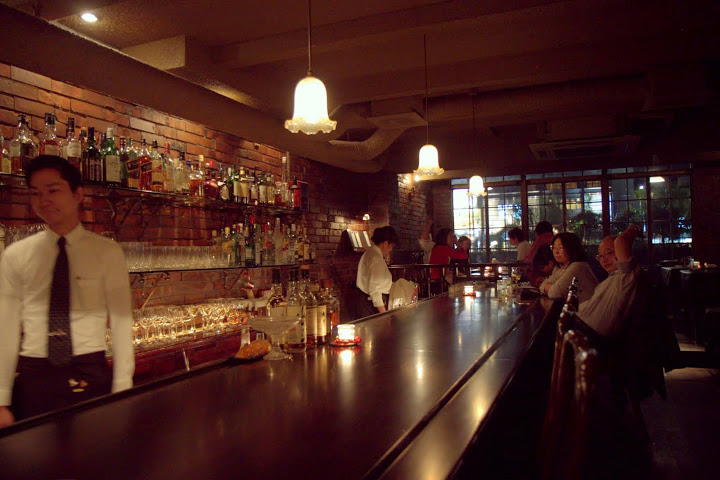
Hotels in Kyoto
Browse all →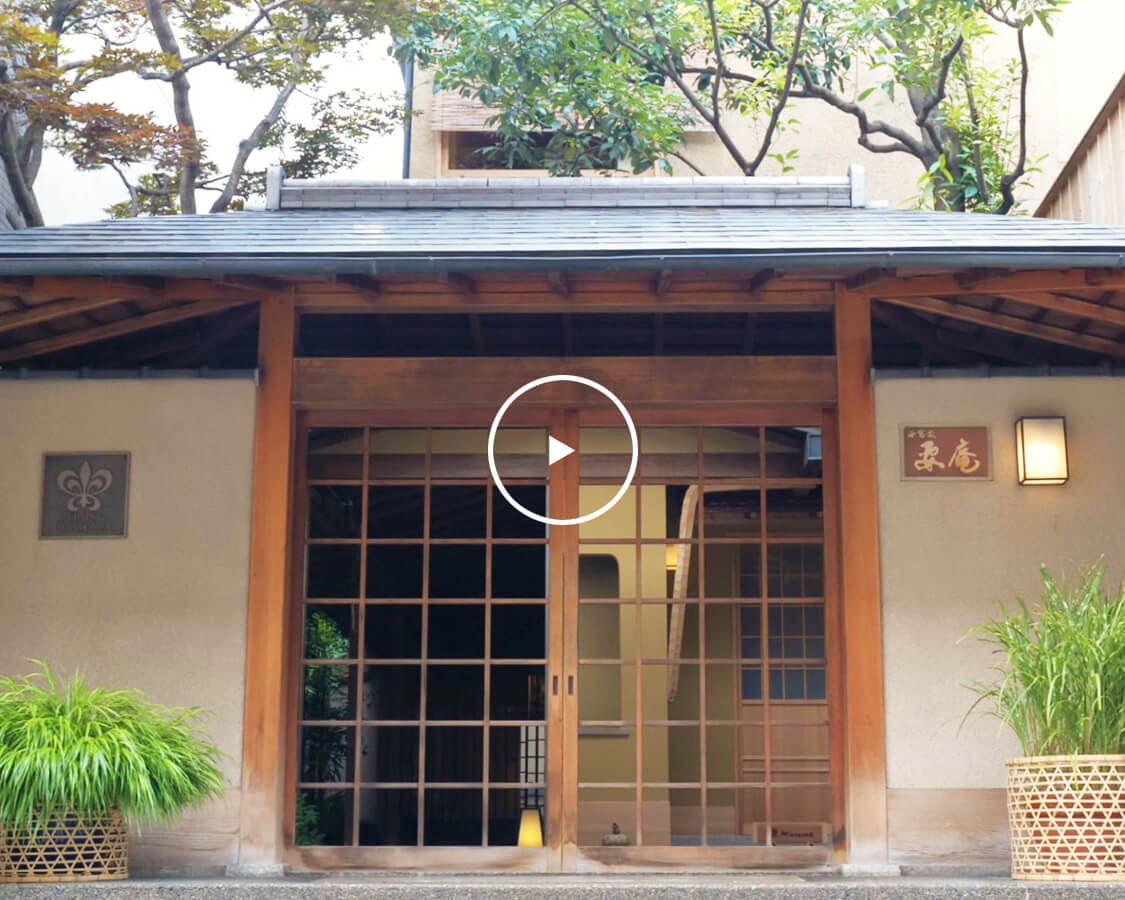
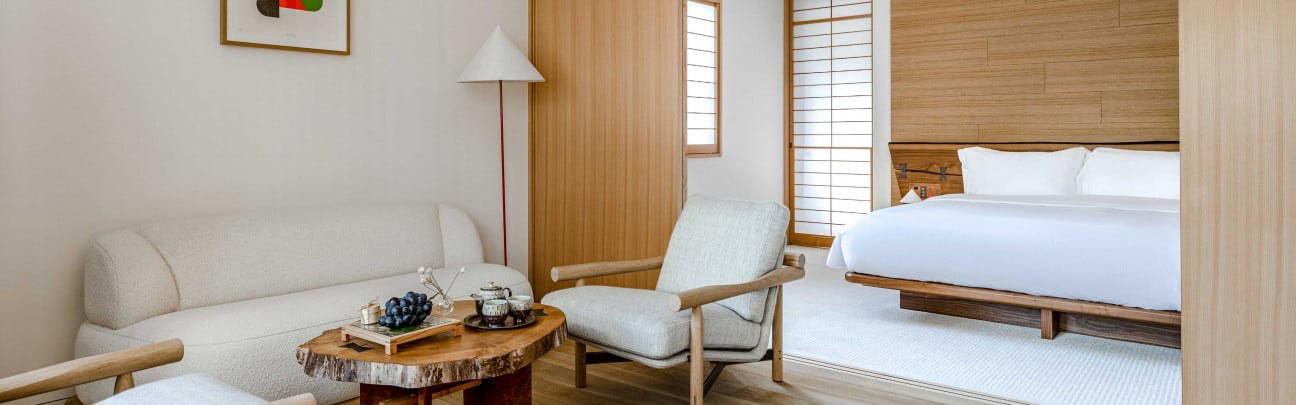
Wineries in Kyoto
Browse all →
At a Glance
- Cozy
- Intimate
- Solo
- Casual Hangout
- Open Kitchen
Current opening hours
- Monday
- 11:30 AM–4 PM, 6–9:30 PM
- Tuesday
- 11:30 AM–4 PM, 6–9:30 PM
- Wednesday
- 11:30 AM–4 PM, 6–9:30 PM
- Thursday
- 11:30 AM–4 PM, 6–9:30 PM
- Friday
- 11:30 AM–4 PM, 6–9:30 PM
- Saturday
- 11:30 AM–4 PM, 6–9:30 PM
- Sunday
- 11:30 AM–4 PM, 6–9:30 PM
Hours can change for holidays and private events. Last verified .
Cozy and welcoming with a relaxed, less crowded atmosphere, warm lighting, and an interactive open kitchen view.
Know Before You Go
- Getting there
- Japan, 〒604-8042 Kyoto, Nakagyo Ward, Nakanocho, 565-23 HARE の日 花遊小路 2階E号室