
Yoshino Sushi occupies a precise address in Osaka's Chuo Ward, placing it within one of the Kansai region's most concentrated corridors of serious Japanese dining. The Awajimachi location situates it close to the commercial and culinary heart of the city, where counter-format sushi has long operated at a register distinct from Tokyo's omakase mainstream. For visitors orienting around Osaka's sushi tradition, it represents a deliberate stop rather than a casual one.
Pearl is the En Primeur Club membership app — saves, bookings, and concierge access live there. Same editors, same standards.
- Address
- 3 Chome-4-14 Awajimachi, Chuo Ward, Osaka, 541-0047, Japan
- Phone
- +81662317181
- Website
- yoshino-sushi.co.jp
- Directions
- Get directions
 Saves & bookings on Pearl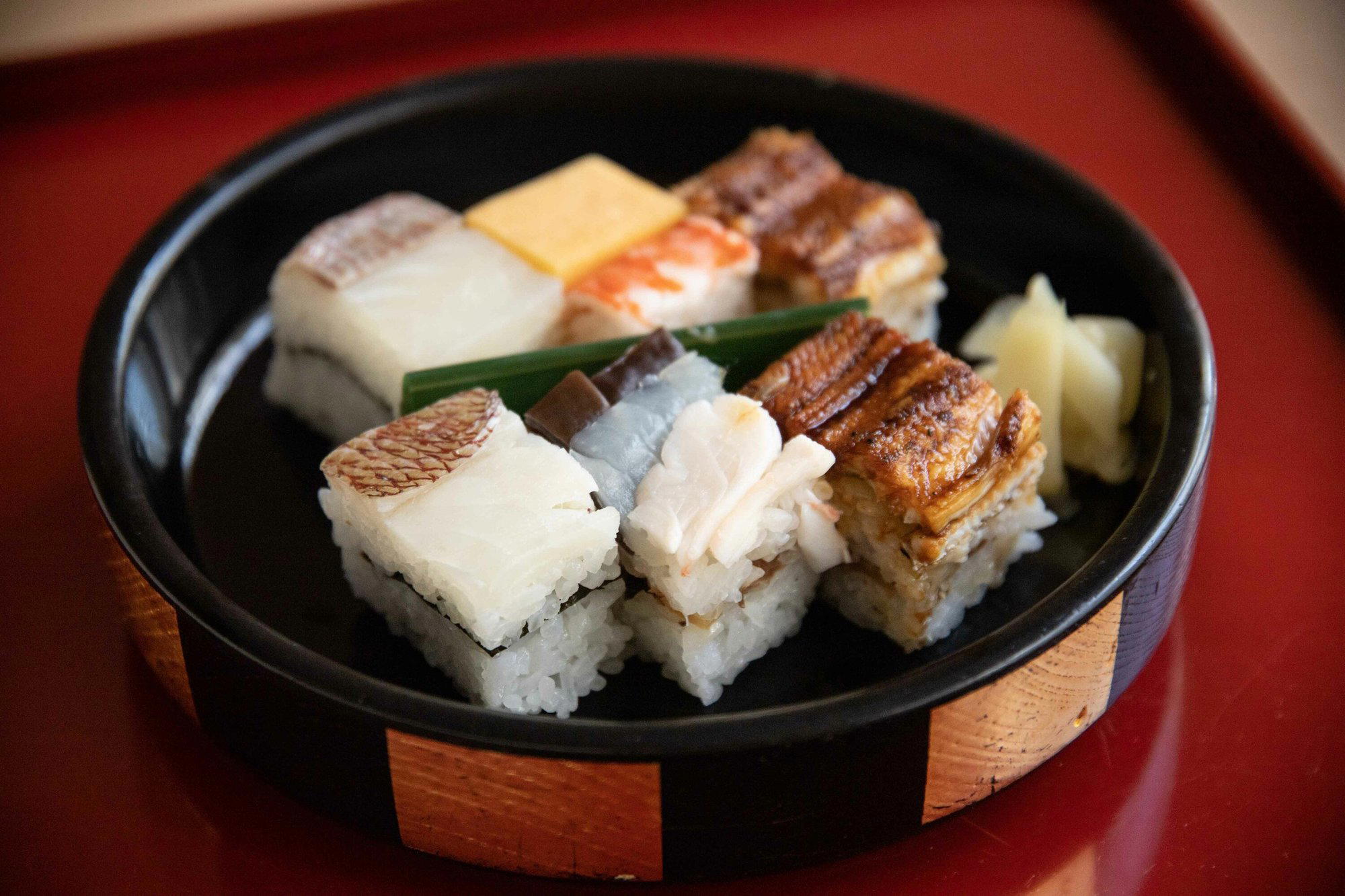
Counter Culture: Osaka's Sushi Tradition and Where Yoshino Fits
Walk through Chuo Ward on a weekday morning and the rhythm of the neighbourhood announces its own priorities. Awajimachi, where Yoshino Sushi holds its address at 3 Chome-4-14, is a district historically tied to Osaka's commercial core: wholesale trade, professional lunch culture, and a dining scene that has always operated at closer quarters with its working clientele than the more performative restaurant corridors of Tokyo. Counter-format sushi here is not a recent import of omakase theatre. It is a fixture of a city that has maintained its own relationship with Japanese cuisine, running parallel to the capital but rarely deferential to it.
That distinction matters when placing Yoshino Sushi in context. Osaka's sushi tradition draws on different local pressures than Tokyo's Ginza counters or the fish-forward kaiseki integration you find further east at places like Gion Sasaki in Kyoto. The city's proximity to the Seto Inland Sea, its historically mercantile character, and its preference for directness over ceremony have shaped a counter culture where the meal is measured by what arrives on the plate, not by how much ritual precedes it.
The Ritual of the Meal: Pacing, Etiquette, and What to Expect
Sushi dining in Japan operates on a set of understood customs that any serious counter enforces without needing to state them. Arriving on time is non-negotiable: at compact counter operations in Osaka's Chuo Ward, a late arrival compresses the meal for everyone seated. The counter format itself dictates proximity to the chef and to the process, which means the conventional rules apply with particular force here: mobile phones put away or at least silenced, conversations kept to a register that does not intrude on neighbouring seats, and orders (where applicable) placed with a degree of decision rather than extended deliberation.
In the broader context of Kansai counter dining, this is less about formality than about compact space and shared attention. The pacing of a sushi meal in Osaka tends to be more compressed than equivalent formats in Tokyo, where omakase counters often extend to two hours or beyond. That compression is not a shortcut; it reflects a cultural preference for directness that defines the city's dining personality across categories. At serious lunch counters in the Awajimachi area, a full sequence can move efficiently and feel complete rather than rushed, a distinction that requires confidence on both sides of the counter.
For visitors coming from experiences like Harutaka in Tokyo or the more elaborate multi-course structures at Atomix in New York City, the Osaka counter register can read as refreshingly unencumbered. The meal does not need to explain itself at every step. Fish quality, rice temperature, and the sequencing of courses carry the weight that décor and narrative might elsewhere.
Placing Yoshino Sushi in Osaka's Wider Dining Map
Osaka's dining scene has diversified considerably at its upper tiers. Chuo Ward now contains a competitive set that includes both Japanese-format institutions and international-facing restaurants that have attracted significant critical attention. HAJIME in Osaka operates at the three-Michelin-star level with a French-influenced format that draws international visitors specifically. Closer to the traditional Japanese end of the spectrum, venues like Ajikitcho Bunbuan and Ajihei Sonezaki represent the kaiseki tradition at a serious level, while newer entrants like Aka to Shiro, Calendrier, and Az occupy the French and contemporary end of the city's premium tier.
Within this map, a sushi counter at the Awajimachi address operates in a distinct register, serving a format that the neighbourhood has supported for generations. The competition for serious sushi in this part of Osaka comes less from the kaiseki or French houses and more from the cluster of counter operations that have long served the ward's professional lunch and dinner trade. For visitors building an itinerary around the Kansai region, the city offers meaningful contrasts to what you find at akordu in Nara or Goh in Fukuoka to the south, each city maintaining its own culinary identity rather than mirroring a national template.
Those extending their Japan itinerary beyond the Kansai corridor will find useful reference points in counter traditions across the country, from Hokkaido-inflected dining in Sapporo to the seafood-driven formats of Nanao on the Sea of Japan coast. The regional variation in Japanese counter dining is substantial, and Osaka's version reflects the city's character: direct, technically serious, and grounded in the produce relationships that the Seto Inland Sea and the broader Kansai supply network enable. For other notable dining experiences across Japan, see venues like Takashima and Nishikawa Machi, as well as Birdland in Sakai.
Seasonal Timing and the Kansai Calendar
Autumn is the moment when sushi counters in the Kansai region operate at their most resolved. The transition from summer fish to the richer, fattier catches of October and November, hairy crab from Hokkaido, Pacific saury, the first winter yellowtail, marks a seasonal shift that serious counter operations calibrate their menus around. Spring brings its own logic: young bream, fresh surf clam, and the brief window for cherry blossom-season dining when the city operates at tourist saturation and reservations compress accordingly.
Visiting in the shoulder months of September or March offers a more measured version of Osaka: hotel prices lower, streets less crowded, and counter seats correspondingly easier to secure. For those treating Yoshino Sushi as part of a broader Kansai itinerary, those windows allow for a more measured visit to the city and its dining scene.
International visitors arriving from London or New York who have experienced the technical ambition of Le Bernardin in New York City will recognise the shared logic of seafood-led counter dining even across different cultural formats: the premium on sourcing, the discipline of restraint, and the way that a genuinely skilled kitchen lets the ingredient carry the weight of the meal.
Know Before You Go
Address: 3 Chome-4-14 Awajimachi, Chuo Ward, Osaka, 541-0047, Japan
Neighbourhood: Awajimachi, Chuo Ward, within Osaka's commercial and dining core
Getting There: Awajimachi Station (Osaka Metro Chuo and Sakaisuji lines) is the closest access point; the address falls within a short walk of the station exits serving the Honmachi business district
Leading Season: Autumn (October to November) for peak fish quality; March for shoulder-season availability
Booking: Booking: Recommended
Dress Code: Dress Code: Smart casual
Phone / Website: Not listed
Peers You’d Cross-Shop
Comparable venues nearby, for context on price, style, and recognition.
| Venue | Cuisine | Price | Notes |
|---|---|---|---|
| Yoshino SushiThis venue — the venue you are viewing | Traditional Osaka Hakozushi | $$ | Not listed |
| 青地 | japanese | Not listed | Nishi |
| Moeyo Mensuke Ramen | Duck & Shellfish Ramen | $$ | Fukushima |
| 本湖月 | japanese | Not listed | Chūō |
| Yomogi | Polished Udon and Japanese Courses | $$ | Fukushima |
| 新地やま本 | Traditional Japanese Kaiseki | $$$ | Kita |
Recognition history
Dated appearances from independent guides and award organizations, with the underlying list record or original source where available.
Opinionated About Dining Top Restaurants in Japan Recommended
Opinionated About Dining
Continue exploring
More in Osaka
Restaurants in Osaka
Browse all →




Bars in Osaka
Browse all →




Hotels in Osaka
Browse all →




Wineries in Osaka
Browse all →
At a Glance
- Classic
- Well Known
- Solo
- Family
- Casual Hangout
- Historic Building
- Sake Program
Current opening hours
- Monday
- 10 AM–2 PM
- Tuesday
- 10 AM–2 PM
- Wednesday
- 10 AM–2 PM
- Thursday
- 10 AM–2 PM
- Friday
- 10 AM–2 PM
- Saturday
- Closed
- Sunday
- Closed
Hours can change for holidays and private events. Last verified .
Traditional and historic with a welcoming atmosphere focused on the artistry of pressed sushi presentation.