Our verdict
In Tennoji Ward's Uehonmachi district, Hachi occupies a slice of Osaka that trades tourist circuits for neighbourhood authenticity. The address places it within Osaka's broader dining ecosystem, where ingredient provenance and craft tradition carry more weight than accolades. A reservation here is a study in how the city eats when it isn't performing for anyone.

Pearl is the En Primeur Club membership app, where members save venues, book tables and use the concierge.
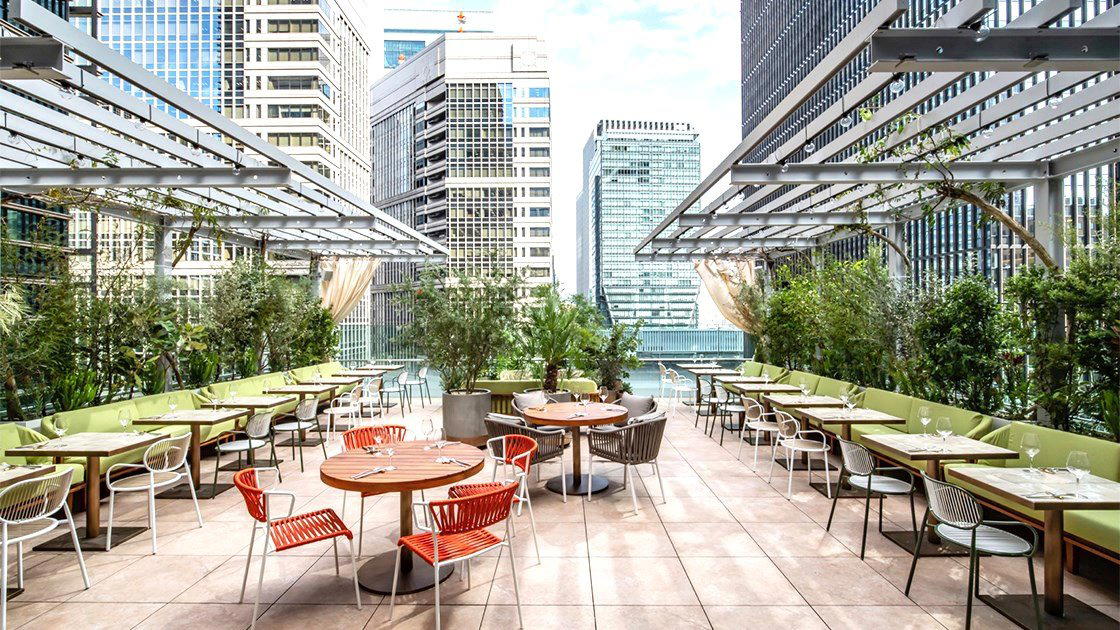
Uehonmachi and the Case for Eating Away From the Centre
Osaka's dining reputation tends to collapse, in outside conversation, into Dotonbori neon and takoyaki counters. The more considered version of the city eats differently. Tennoji Ward's Uehonmachi district sits south of Shinsaibashi's retail density, closer to Tennoji Park and the old neighbourhood rhythms that predate the city's tourist infrastructure. Restaurants here don't depend on foot traffic from transit hubs. Their clientele is largely local, returning, and specific about what they want. Hachi, at 8-Chome 1-8 in Uehonmachi, operates inside that logic: a fixed address in a neighbourhood where consistency of sourcing and craft earns repeat business rather than algorithmic visibility.
The building, a modest structure identified by its first-floor placement in what appears to be a low-rise mixed-use block, signals nothing from the street. That is, in itself, a Osaka tradition. Some of the city's most serious cooking happens behind facades that read as entirely ordinary. The visual restraint is not false modesty; it reflects a kitchen culture that invests in what arrives on the plate rather than the architecture framing it. For visitors navigating from central Osaka, Tennoji Station provides the most direct approach, placing Uehonmachi within walking distance of a major transit interchange without requiring the tourist-quarter congestion that attaches to Namba or Shinsaibashi routes.
Where Osaka's Ingredient Culture Takes Shape
To understand any serious Osaka kitchen, the starting point is the city's relationship with its supply network. Osaka has historically been called tenka no daidokoro, the kitchen of Japan, a designation rooted in its position as the country's primary distribution hub for agricultural and marine goods during the Edo period. That history is not decorative. It shaped a cooking culture that treats the sourcing decision as the first and most consequential act of preparation. What the kitchen buys, and from whom, determines what the kitchen can do. This orientation distinguishes Osaka's better restaurants from peers in cities where technical spectacle tends to precede sourcing discipline.
In Tennoji Ward's neighbourhood restaurant tier, that sourcing culture operates without the formal apparatus of starred dining. There are no printed provenance statements on menus, no sommelier speeches about farm relationships. The ingredient quality speaks through the cooking itself. Regulars learn to read it: the texture of a fish that arrived that morning versus one that travelled two days, the sweetness of a vegetable at its seasonal peak versus one pulled early for shelf life. This is the literacy that Osaka's neighbourhood restaurants, at their most serious, develop in their clientele over time. Hachi sits in this tradition, in a ward where that kind of repeat-visit relationship between kitchen and diner is the operating norm.
For a broader map of where Osaka's kitchens are pushing hardest on sourcing and craft, the city's coverage at our full Osaka Shi restaurants guide provides the wider context. At the top of the city's formal dining tier, HAJIME in Osaka works from a different register entirely, but the underlying commitment to ingredient integrity connects both ends of the spectrum.
The Neighbourhood Dining Tier: What It Demands and What It Delivers
Osaka's mid-tier neighbourhood restaurants occupy a specific position in the city's dining ecology. They are not casual in the way the word implies elsewhere. The cooking can be technically precise; the sourcing can be serious. What distinguishes them from the starred tier is format rather than quality: smaller operations, shorter menus, less ceremony around the progression of courses, and a direct relationship between the kitchen's supply decisions and what appears on the table that day. This is the tier that Osaka residents use most frequently for meals that matter without requiring the coordination of a fine-dining booking.
Tennoji Ward houses a concentration of these operations. Compared to Osaka's western dining districts, the ward attracts less speculative restaurant openings and more durable neighbourhood establishments. The competitive set for a kitchen like Hachi's includes the other small, craft-focused rooms in the area, not the Michelin-tracked counters of Kitashinchi or the French-inflected kitchens of Shinsaibashi. This is a different competitive calculus, where reputation is built kitchen-by-kitchen over years rather than through a single award cycle. Within Osaka's broader premium scene, restaurants like Ajihei Sonezaki, Ajikitcho Bunbuan, and Aka to Shiro occupy different price tiers and formats, but the sourcing seriousness that runs through Osaka's better kitchens connects them to the same underlying tradition.
Japan's wider network of neighbourhood-level serious cooking extends well beyond Osaka. Gion Sasaki in Kyoto and akordu in Nara both demonstrate how regional ingredient culture shapes menus outside the major metropolitan circuits. Further north, 夕仙山乃 in Sapporo and 湖畔荘 in Takashima show how Japan's sourcing culture adapts to different regional larders. The pattern that connects them is consistent: kitchens that define themselves by what they source rather than how they plate it.
Osaka's Seasonal Calendar and When to Go
Osaka's restaurant culture shifts noticeably with the seasons, and the neighbourhood tier responds more directly to that shift than the tasting-menu formats that lock menus weeks in advance. Spring brings the bamboo shoots and cherry blossom-adjacent vegetables that Kansai kitchens treat as the year's most anticipated arrival. Autumn is the season of matsutake mushrooms, Pacific saury, and the root vegetables that define the cold-weather cooking of the region. Summer in Osaka is humid and demanding; the kitchens that handle it well lean toward lighter preparations and the cold noodle and chilled tofu formats that the city's food culture has refined over generations.
For visitors planning around Osaka's leading seasonal eating, autumn and spring are the cleaner choices. Summer visits are entirely viable but require more tolerance for heat at street level. The city's transit system makes moving between districts direct year-round. From Tennoji Station, the major dining districts of Shinsaibashi and Namba are within fifteen minutes by subway, which means a meal in Uehonmachi can anchor a broader evening without committing to the neighbourhood's geography exclusively. Nearby within Osaka's dining spectrum, Az and Calendrier offer alternative formats in the city's mid-to-upper tier for those building a multi-night itinerary.
Beyond Osaka, the Kansai region's dining network rewards extended travel. Harutaka in Tokyo and Goh in Fukuoka sit at different points on Japan's restaurant spectrum but share the ingredient-led discipline that Osaka kitchens helped establish as a national standard. Further from the major centres, 一本杉 川嶋 in Nanao and 岳羽屋 in Nishikawa Machi demonstrate how Japan's countryside kitchens apply the same sourcing logic to local larders with very different profiles.
Planning a Visit
Hachi is located at 8-Chome 1-8, Uehonmachi, Tennoji Ward, Osaka. Tennoji Station on the Osaka Metro Midosuji and Tanimachi lines provides the most direct transit access. Given the small-format nature of most serious Osaka neighbourhood rooms, advance planning is advisable particularly for weekend visits. For comparable Osaka experiences at the neighbourhood craft level, Birdland in Sakai offers a reference point in the wider Osaka metropolitan area.
Frequently asked questions
Where is Hachi in Osaka Shi?
Hachi is located at Japan, 〒543-0001 Osaka, Tennoji Ward, Uehonmachi, 8 Chome−1−8 川口ビル 1階, Osaka Shi.
Where exactly is Hachi in Osaka, and how do I get there from central Osaka?
Hachi is at 8-Chome 1-8, Uehonmachi, Tennoji Ward, Osaka Shi (postal code 543-0001). Tennoji Station, served by the Osaka Metro Midosuji and Tanimachi lines, is the most direct access point and connects directly to central Osaka within roughly 10 minutes. The Uehonmachi area sits south of the city centre, making it a straightforward detour from Namba or Shinsaibashi without requiring a taxi.
What do regulars order at Hachi?
Hachi sits in Uehonmachi, Tennoji Ward, a neighbourhood where kitchens tend to build menus around what the Osaka supply network delivers that week rather than fixed signature dishes. Regulars in this tier typically orient around whatever reflects the current seasonal produce.
Should I book Hachi in advance?
Neighbourhood restaurants in Tennoji Ward at Hachi's tier often operate with limited covers, and Uehonmachi draws a local repeat clientele rather than passing tourist traffic. That pattern tends to fill tables quickly, particularly on weekends and during Osaka's peak seasonal periods in spring and autumn. Contacting the venue directly ahead of your visit is advisable; no online booking channel is currently listed in public records.
What has Hachi built its reputation on?
Hachi is located at 8-Chome 1-8, Uehonmachi, a part of Osaka that sits outside the city's more publicised dining corridors and draws guests through word of mouth rather than awards visibility. Restaurants at this address and tier in Osaka's ecology typically earn standing through consistency with seasonal ingredients and service that reflects the city's historically supply-led cooking culture. No formal awards are currently documented for Hachi.
Is Hachi allergy-friendly?
No allergy or dietary accommodation policy is documented for Hachi in Tennoji Ward. In Osaka's neighbourhood dining tier, kitchens often have limited capacity to adapt set preparations at short notice. Communicating specific dietary requirements directly to the venue before arrival is the practical approach, though no contact number or website is currently listed in public records.
A Quick Peer Check
Comparable venues nearby, for context on price, style, and recognition.
| Venue | Cuisine | Price | Awards | Notes |
|---|---|---|---|---|
| HachiThis venue (the venue you are viewing) | Binchōtan-Grilled Japanese Fine Dining | Not listed | Not listed | Not listed |
| Fujikawa | Kappo Kaiseki with Tempura | $100–150 | Michelin Plate | Kita |
| Daibon | Modern Kushikatsu | $100–150 | Michelin Plate · Tabelog Bronze #51 | Kita |
| なにわ料理 さと有 | Naniwa Ryori (Osaka-style Japanese Cuisine) | Not listed | Michelin Plate | Kita |
| Tokitame | Creative Izakaya | $50–100 | Michelin Bib Gourmand | Fukushima |
| Wagyu Teppanyaki OUSAKA | Wagyu Teppanyaki | $100–150 | Not listed | Yodogawa |
Continue exploring
More in Osaka
Restaurants in Osaka
All restaurants in Osaka →


Bars in Osaka
All bars in Osaka →

Hotels in Osaka
All hotels in Osaka →



Wineries in Osaka
Browse all →
Details
- Elegant
- Intimate
- Quiet
- Sophisticated
- Date Night
- Special Occasion
- Sake Program
- Omakase
Current opening hours
- Monday
- 11:30 AM–3 PM, 6–9 PM
- Tuesday
- 11:30 AM–3 PM, 6–9 PM
- Wednesday
- 11:30 AM–3 PM, 6–9 PM
- Thursday
- 11:30 AM–3 PM, 6–9 PM
- Friday
- 11:30 AM–3 PM, 6–9 PM
- Saturday
- 11:30 AM–3 PM, 6–9 PM
- Sunday
- 11:30 AM–3 PM, 6–9 PM
Hours can change for holidays and private events. Hours as of .
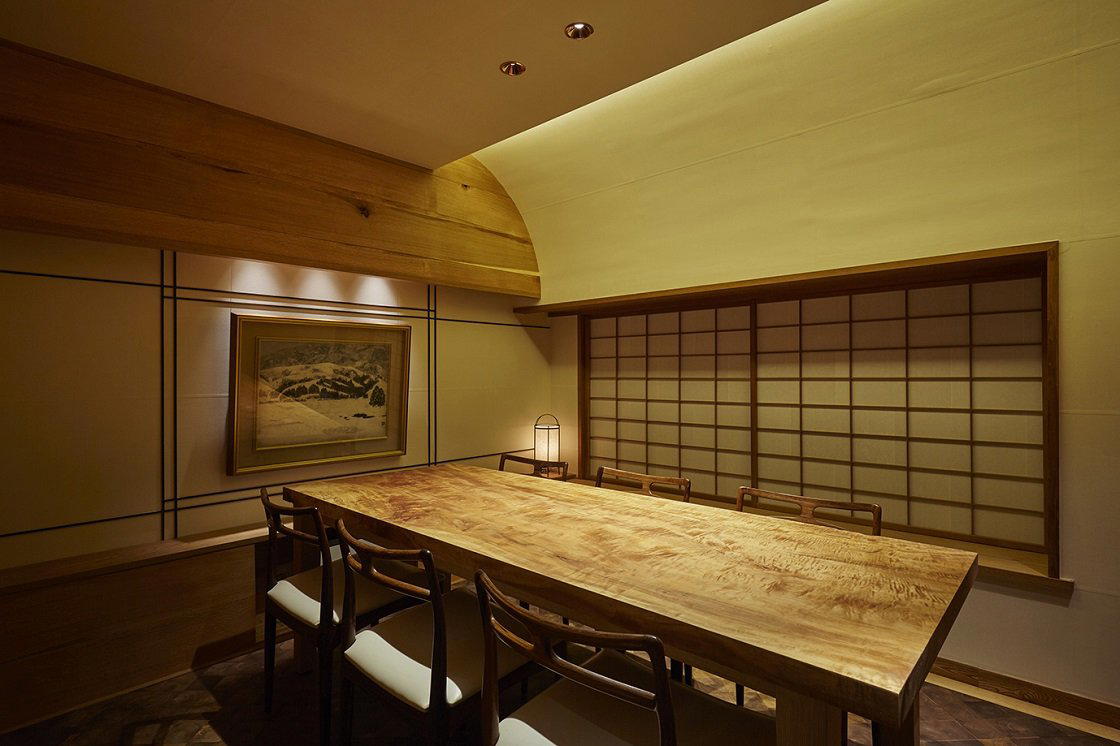
Tranquil Kyoto-inspired hideaway with tasteful sukiya-style Japanese decor.