Az occupies a basement address in Osaka's Nishitenma district, a neighbourhood where serious dining rooms cluster quietly beneath street level. With virtually no public-facing information, the restaurant operates on the kind of word-of-mouth footing that defines the upper tier of Osaka's private dining culture. For guests willing to seek it out, Az represents the city's appetite for precision and restraint over spectacle.
Pearl is the En Primeur Club membership app — saves, bookings, and concierge access live there. Same editors, same standards.
- Address
- B1, 4 Chome-4-8 Nishitenma, Kita Ward, Osaka, 530-0047, Japan
- Phone
- +815054875889
- Website
- az-bifun.com
- Directions
- Get directions
 Saves & bookings on Pearl
Below Street Level in Nishitenma
Az is a Japanese Teppanyaki Steakhouse in Osaka, Japan. Az sits at B1, 4 Chome-4-8 Nishitenma, in Kita Ward, Osaka. The address alone places it in a cohort of restaurants that treat discretion as a format, not merely an aesthetic.
Nishitenma's dining character sits at a meaningful remove from the theatrics of Dotonbori or the tourist-facing takoyaki counters further south. The ward attracts a clientele that already knows what it wants: private rooms, seasonal menus built around produce relationships, and wine lists that reward patience. Az operates within that expectation set, and
The Wine Dimension in Osaka's Private Dining Rooms
Osaka's serious dining rooms have developed a more confident relationship with wine over the past decade, and the shift is visible in how basements like Az are conceived. Where earlier generations of kappo and kaiseki houses kept wine as an afterthought beside sake and shochu lists, a newer cohort of Kita Ward restaurants has built cellars with genuine depth. When a restaurant operates by introduction, the wine list becomes one of the primary signals of intent.
In this context, the sommelier role in Osaka has evolved from service function to curatorial one. Particularly serious rooms in Nishitenma and the surrounding ward now run cellar programs that engage with both Burgundy and domestic Japanese producers, reflecting the city's position as a node between international fine dining circuits and a deeply local ingredient culture. For a room like this, the wine offering tends to be a detail that circulates among regular guests. Guests should approach booking with flexibility.
Compare this to the transparency model adopted by restaurants like Convivialité or Calendrier in the same city, which publish menus, pricing tiers, and booking windows. Az's opacity places it in a different category: rooms where the wine list and seasonal menu function as private knowledge, shared between host and returning guest.
Osaka's Basement Tier and Its Regional Peers
The geography of serious dining in Japan's Kansai region rewards comparison. Gion Sasaki in Kyoto operates within the traditional machiya framework, where architecture carries cultural weight. akordu in Nara translates European wine knowledge into a distinctly Japanese ingredient context. HAJIME in Osaka anchors its identity to a documented, award-heavy public profile. Az occupies a different position in this regional map: it is the room that does not explain itself, which in Japan's dining culture carries its own form of authority.
Across Japan's dining cities, this pattern recurs. Harutaka in Tokyo and rooms in Fukuoka like Goh have built reputations through referral systems before any critical recognition arrived. Venues further afield, from Abon in Ashiya to affetto akita in Akita, demonstrate how the same referral-first model operates across Japanese prefectures regardless of city size. Az sits inside that national tradition, in a city with the density to support it sustainably.
Within Osaka itself, the Nishitenma corridor competes with neighbouring concentrations in Fukushima and Kitashinchi. The ward's particular advantage is its professional clientele, legal and financial offices populate the streets above, which means dinner reservations here often carry an expense-account logic that supports higher price points and longer tasting formats. Rooms like Ajihei Sonezaki and Ajikitcho Bunbuan have built sustained reputations within this same district economy. Aka to Shiro represents a different expression of the neighbourhood's range. Az fits within this cluster without competing directly on visibility.
How to Approach Az
Restaurants in this format, basement address, no public contact details, no listed hours, require a different approach to access than standard reservations. In Osaka's private dining tier, introductions through existing guests, hotel concierges with established relationships, or Japanese-language dining platforms that operate in a semi-private capacity are the standard pathways. Walking in without prior arrangement is unlikely to result in a table; the format simply does not support it.
Guests arriving from outside Japan should factor in the Nishitenma location's accessibility: the area is well-served by the Osaka Metro Tanimachi Line (Naniwa-bashi Station) and the Keihan Main Line, placing it within reasonable distance of central Osaka hotels. The Kita Ward's concentration of serious dining means that a multi-night stay built around this district can absorb several high-quality evenings without requiring significant travel between venues.
For guests who plan itineraries around wine, the international comparison set is instructive. Rooms like Le Bernardin in New York City or Lazy Bear in San Francisco demonstrate how cellar depth and format discipline operate in other markets. The difference in Osaka is that wine knowledge here sits within a culinary tradition that pre-dates Western fine dining by centuries, producing a different kind of integration between glass and plate.
Travellers planning well ahead usually have better results than those who treat the booking as an afterthought. Knowing the format before arriving matters as much as the reservation itself. Equally useful is regional context from adjacent destinations: Aji Arai in Oita, Ajidocoro in Yubari District, and Akakichi in Imabari illustrate how Japan's regional dining rooms operate beyond the three major cities, which puts Az's Osaka positioning in sharper relief.
At-a-Glance Comparison
Comparable venues nearby, for context on price, style, and recognition.
| Venue | Cuisine | Price | Notes |
|---|---|---|---|
| AzThis venue — the venue you are viewing | Japanese Teppanyaki Steakhouse | Not listed | Not listed |
| Okonomiyaki Izakaya Gen | Osaka-Style Okonomiyaki Izakaya | $$ | Chūō |
| 食堂たのし | Modern Japanese Izakaya | $$ | Kita |
| 鮨一永 | Japanese Pasta | $$ | Chūō |
| Moeyo Mensuke Ramen | Duck & Shellfish Ramen | $$ | Fukushima |
| 青地 | japanese | Not listed | Nishi |
Continue exploring
More in Osaka
Restaurants in Osaka
Browse all →




Bars in Osaka
Browse all →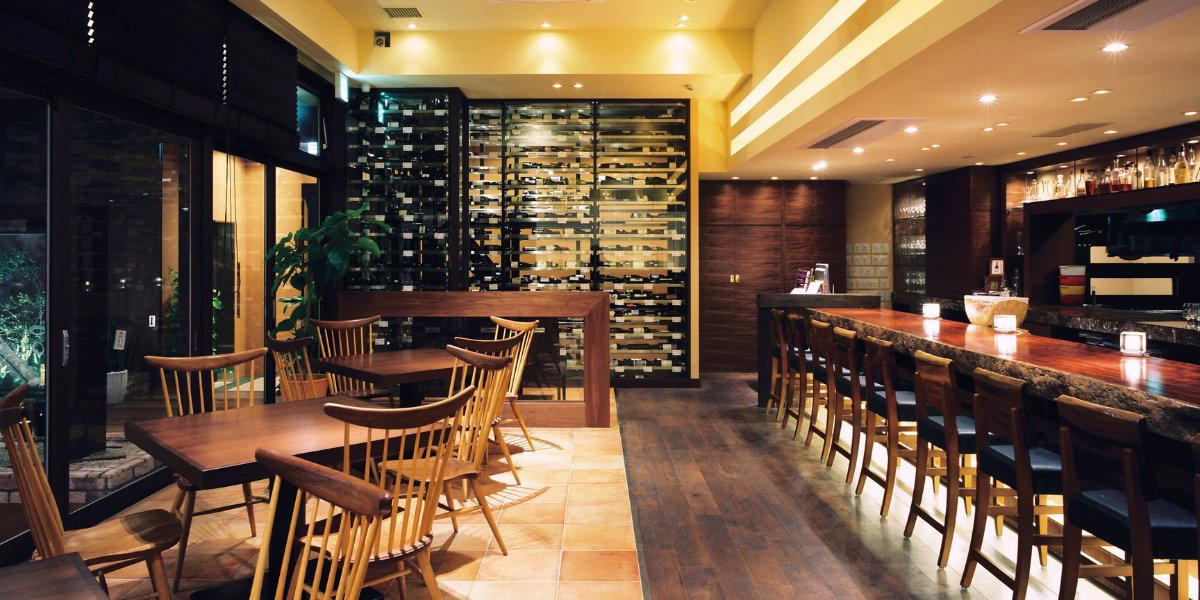


Hotels in Osaka
Browse all →




Wineries in Osaka
Browse all →
At a Glance
- Group Dining
- Celebration
- Open Kitchen
- Sake Program
Current opening hours
- Monday
- 5:30–10 PM
- Tuesday
- 11:30 AM–1:30 PM, 5:30–10 PM
- Wednesday
- 11:30 AM–1:30 PM, 5:30–10 PM
- Thursday
- 11:30 AM–1:30 PM, 5:30–10 PM
- Friday
- 11:30 AM–1:30 PM, 5:30–10 PM
- Saturday
- 11:30 AM–1:30 PM, 5:30–10 PM
- Sunday
- Closed
Hours can change for holidays and private events. Last verified .
Warm, elegant space inspired by Japanese aesthetics with metropolitan chic.