米墓 occupies a quiet address in Osaka's Kita Ward, sitting within a broader scene of serious Japanese dining that extends from kappo counters to neighbourhood specialists. The venue's location in Oyodominami places it at a remove from the tourist circuits of Dotonbori, in a part of the city where restaurants tend to serve a local clientele with repeat expectations rather than passing foot traffic.
Pearl is the En Primeur Club membership app — saves, bookings, and concierge access live there. Same editors, same standards.
- Address
- 1 Chome-9-16 Oyodominami, Kita Ward, Osaka, 531-0075, Japan
- Phone
- +81663451107
- Website
- kdn6900.gorp.jp
 Saves & bookings on Pearl
A Kita Ward Address in a City Built for Eating
Osaka earns its reputation as Japan's most food-obsessed city not through spectacle alone but through density: the sheer number of serious restaurants operating within a few kilometres of each other, at every tier of the market, creates a competitive pressure that lifts standards across the board. In Kita Ward, that pressure is felt differently than in Namba or Dotonbori. The neighbourhood around Oyodominami, where 米墓 occupies its address at 1 Chome-9-16, runs quieter than the southern entertainment districts. Restaurants here tend to draw on regulars and word-of-mouth networks rather than tourist flows, which shapes both their format and their relationship with guests.
That context matters when approaching a venue like 米墓. In Osaka's dining culture, obscurity is not necessarily a warning sign. Some of the city's most demanding counters operate without prominent online presence, English-language booking platforms, or published menus. 米墓 fits within that tradition of Japanese restaurants that function largely through direct recommendation and returning custom. Understanding that tradition is the first step in understanding what to expect.
The Sensory Register of Kita Ward Dining
Walking through Oyodominami at meal times produces a specific kind of sensory experience that differs sharply from the neon-lit noise of central Osaka's food corridors. The streets are narrower in character if not always in width, and the restaurants signal themselves through subtler means: a暖簾 (noren) hanging in a doorway, a handwritten menu board visible through glass, the low sound of conversation rather than recorded music. Venues in this part of the city tend to prioritise the meal over the setting, without being indifferent to atmosphere. The physical environment earns its effect through restraint rather than declaration.
This aesthetic tradition runs through much of Osaka's serious dining culture, which distinguishes the city from Tokyo's approach to high-end Japanese cooking. Where Tokyo's premium restaurants often occupy purpose-built spaces with significant interior investment, Osaka has a longer habit of channelling resources into ingredients and technique, allowing the room to function as a neutral frame. That framing choice means the sensory experience for diners concentrates on what arrives at the table rather than what surrounds it.
Where 米墓 Sits in the Osaka Dining Pattern
Osaka's restaurant scene organises itself into recognisable tiers and genres. At the highest bracket, places like HAJIME in Osaka operate at Michelin three-star level with international recognition and tasting menus priced accordingly. Below that, a substantial middle tier covers kappo counters, specialist yakitori, ramen houses with serious craft credentials, and neighbourhood Japanese restaurants whose quality-to-price positioning makes them among the most competitive eating options in Japan. Venues such as Ajihei Sonezaki, Ajikitcho Bunbuan, and Aka to Shiro each occupy distinct positions within that structure.
米墓, with its Kita Ward location and minimal public profile, fits the pattern of a neighbourhood-anchored specialist rather than a destination-dining proposition. That placement is neither diminishment nor limitation. In a city where eating is a daily civic ritual rather than an occasional occasion, the neighbourhood specialist is often where the most consistent and least performative cooking happens. Comparison venues in the surrounding area, including popular Dotonbori institutions and the ramen and okonomiyaki houses that define Osaka's street-level food culture, serve a different function and a different audience entirely.
Gion Sasaki in Kyoto and akordu in Nara represent how regional Japanese restaurants operate at different points on the formality and price spectrum. The Kita Ward neighbourhood tradition sits closer to the local end of that range.
Approaching the Reservation
The practical reality of dining at venues like 米墓 in Osaka reflects habits embedded in Japanese restaurant culture. 米墓 suggests this model. Visitors planning around this kind of venue in Osaka typically make contact through their hotel concierge. Arriving without a reservation carries significant uncertainty and should not be assumed.
Calendrier and Az, which offer clearer booking pathways.
The Wider Japanese Dining Frame
Japan's regional food culture does not flatten into a single hierarchy. The strongest restaurants in smaller prefectures and cities operate with the same technical seriousness found in Osaka or Tokyo, even if they draw on different ingredient sources and local traditions. Venues like Goh in Fukuoka, Abon in Ashiya, affetto akita in Akita, Aji Arai in Oita, Ajidocoro in Yubari District, and Akakichi in Imabari each represent that regional depth. Contextualising a Kita Ward address like 米墓 within that national pattern is useful: Osaka is not a city where serious small restaurants are unusual. They are the norm.
For comparison across international dining traditions, the contrast with premium Western tasting-format restaurants is instructive. Venues like Le Bernardin in New York City or Lazy Bear in San Francisco operate with substantial public infrastructure: published menus, award citations, PR representation, active booking systems. The Japanese neighbourhood specialist tradition operates on entirely different logic, where that infrastructure is often deliberately absent. Quality and reputation circulate through other channels. Harutaka in Tokyo demonstrates how that model works at the highest level of recognition.
Planning Your Visit
米墓 is located at 1 Chome-9-16 Oyodominami, Kita Ward, Osaka. Booking through a hotel concierge with local Japanese-language capacity is the most reliable approach for international visitors. Kita Ward is well served by Osaka's subway network, with Nakatsu Station (Midosuji and Tanimachi lines) providing close access to the Oyodominami area. Visitors combining this part of the city with Umeda's broader dining and entertainment offer will find the geography works efficiently on foot.
Awards and Standing
Comparable venues nearby, for context on price, style, and recognition.
| Venue | Cuisine | Price | Awards | Notes |
|---|---|---|---|---|
| 米増This venue — the venue you are viewing | Japanese Restaurant | , | ||
| 鮨一永 | Japanese Pasta | $$ | , | Chūō |
| Osaka chuo oroshi-uri Ichiba | Japanese Seafood Market Dining | $$ | , | Fukushima |
| Okonomiyaki Izakaya Gen | Osaka-Style Okonomiyaki Izakaya | $$ | , | Chūō |
| Usamitei Matsubaya | Traditional Osaka Kitsune Udon | $$ | , | Chūō |
| Wagyu Japanese BBQ Yakiniku & Hamburger Ramen Dotonbori Restaurant Namba-Beef | Halal Wagyu Yakiniku & Ramen | $$$ | , | Chūō |
Continue exploring
More in Osaka Shi
Restaurants in Osaka Shi
Browse all →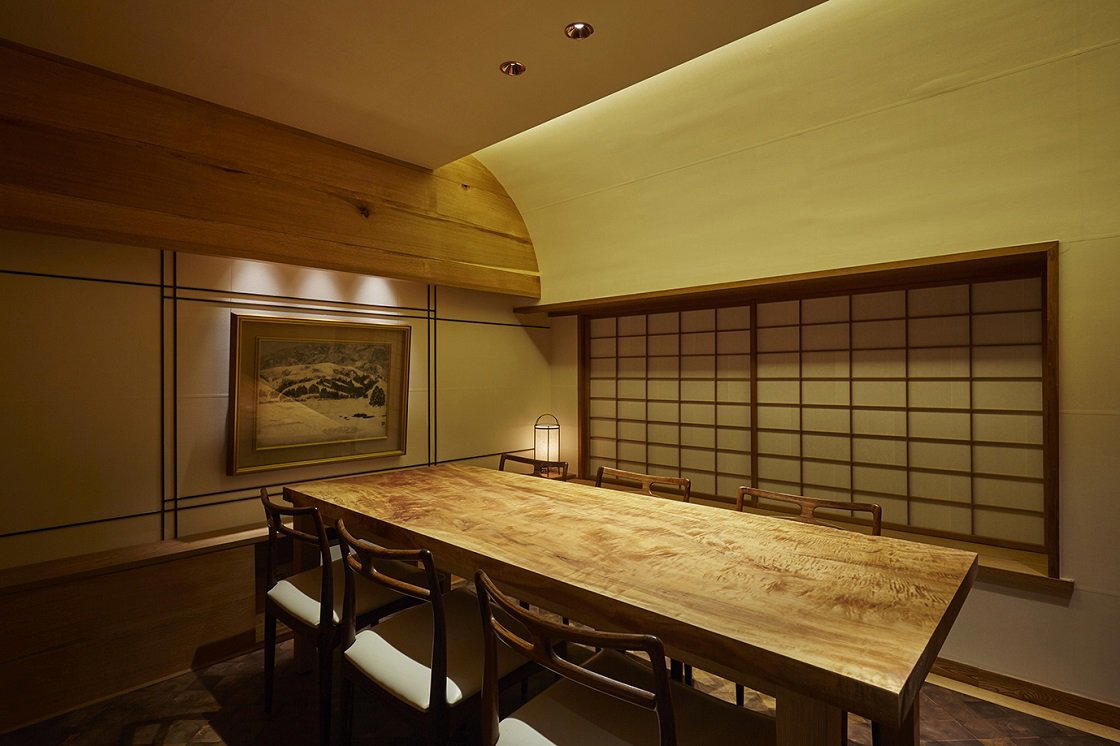


Bars in Osaka Shi
Browse all →

Hotels in Osaka Shi
Browse all →


Wineries in Osaka Shi
Browse all →
At a Glance
traditional