Aka to Shiro operates from the third floor of a building in Sonezakishinchi, Osaka's Kita Ward, sitting within one of the city's most concentrated dining corridors. The name, red and white in Japanese, signals a deliberate aesthetic position inside a neighbourhood where precision and craft drive the top tier. The kitchen applies global technique to Kansai-sourced produce, placing it alongside Osaka's growing cohort of boundary-crossing counter restaurants.
 Discover on Pearl
Pearl is the En Primeur Club membership app — saves, bookings, and concierge access live there. Same editors, same standards.
- Address
- Japan, 〒530-0002 Osaka, Kita Ward, Sonezakishinchi, 1 Chome−1−41 田中ビル 3階
- Phone
- +81664421277
- Website
- sushi-akatoshiro.com
Sonezakishinchi and the Counter Restaurants Redefining Kita Ward
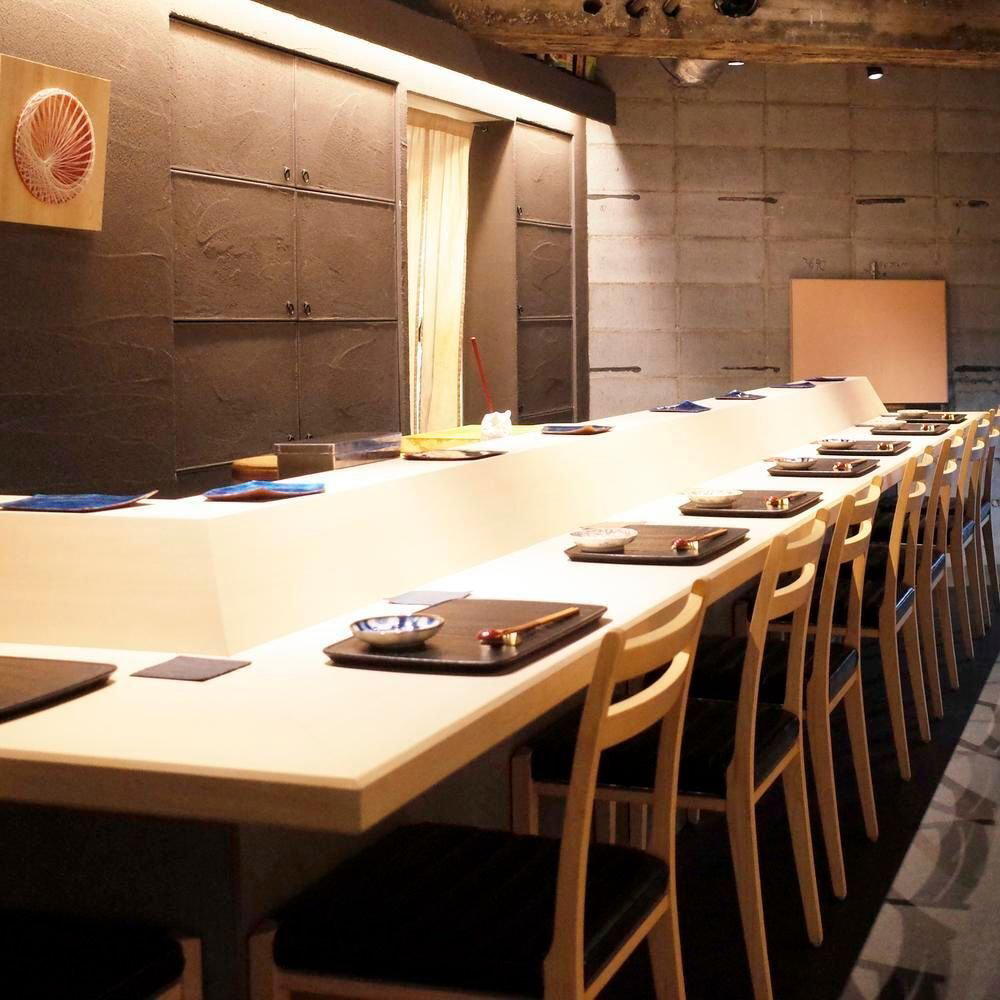
Sonezakishinchi occupies a specific tier in Osaka's dining geography. It is not the tourist-facing energy of Dotonbori, nor the quiet neighbourhood intimacy of Minami's back streets. This is the business and nightlife district of Kita Ward, where lacquered counter restaurants, kappo houses, and a growing number of technique-forward kitchens share addresses with hostess bars and izakayas. The third-floor position of Aka to Shiro, reached by elevator in a nondescript building at 1-1-41 Sonezakishinchi, places it in a format Osaka does particularly well: the deliberately understated room that announces itself not through street presence but through what happens once the door closes behind you. Restaurants in this mould rely on word of mouth and repeat clientele.
Where Kansai Produce Meets Imported Discipline
Aka to Shiro sits at the intersection of local ingredient sourcing and technique borrowed from outside Japan's traditional kitchen lineages. This is a pattern visible across the city's more ambitious counter restaurants: chefs who trained through French or contemporary European frameworks returning to, or choosing, Kansai as their base, then applying those methods to produce that is deeply local, Kyoto vegetables, Pacific seafood from the Seto Inland Sea, wagyu from Hyogo prefecture ranches. The result is neither fusion in the old, pejorative sense, nor a strict kaiseki continuity. It is something that has quietly become its own category in western Japan's restaurant culture.
Osaka has long occupied a different culinary register from Tokyo. Where Tokyo's top-tier dining tends toward codified formality, the omakase counter with its rigorous seasonal succession, the sushi house with its unbroken lineage, Osaka permits a looser grammar. HAJIME in Osaka is the clearest example of this at the extreme end: a three-Michelin-star kitchen that processes Japanese ingredients through a heavily conceptual, French-influenced lens. Aka to Shiro operates in the same general current without occupying the same public profile. Across Japan's regional dining circuit, comparable boundary-crossing positions can be found at akordu in Nara, which brings Basque technique to Yamato ingredients, and Goh in Fukuoka, where a Japanese kitchen uses French plating logic on Kyushu-sourced produce. The pattern is consistent: global method, local material, a dining room small enough that the interaction between kitchen and guest remains direct.
The Sonezakishinchi comparable set
Within Kita Ward specifically, the restaurants that function as Aka to Shiro's closest contextual peers are those operating at the intersection of accessibility and ambition. Ajihei Sonezaki represents the kappo tradition in the same neighbourhood, offering a calibrated seasonal menu within a format that remains legible to both Japanese and international guests. Ajikitcho Bunbuan positions itself further into the kaiseki register, carrying Michelin recognition that places it in a stricter comparable set. Calendrier and Convivialité bring French training explicitly into the Osaka counter format, while Az operates in a contemporary mode that draws on international technique. What this comparable set shares is the decision to keep capacity low, format disciplined, and seasonal sourcing central. Aka to Shiro's third-floor address and name, the Japanese for red and white, colours that carry both ceremonial and aesthetic weight in Japanese culture, suggest a deliberate positioning within this cohort.
What Red and White Signals
Naming a restaurant Aka to Shiro is not a neutral act in the Japanese context. Red and white together appear in Shinto ceremony, in celebratory food culture, in the visual grammar of formal occasions. The choice implies a kitchen that understands the symbolic register of its own culture while operating in a format that draws from beyond it. This kind of dual awareness is characteristic of the most interesting counter restaurants in Japan's second city: they carry cultural fluency without being constrained by it. The contrast is useful when placed alongside Tokyo references. Harutaka in Tokyo and Gion Sasaki in Kyoto both operate within more defined traditional frameworks, sushi lineage and kaiseki respectively, where the naming and format stay closer to established convention. The name Aka to Shiro occupies different conceptual territory, where the Japanese reference is present but the interpretation is open.
Osaka Shi's Dining Patterns and When to Visit
Osaka's restaurant season has two peaks. The autumn months, from late October through December, bring the produce that defines Kansai fine dining at its most expressive: matsutake mushroom from the mountain regions, fugu from the Japan Sea coast, and the cold-weather vegetables that intensify in flavour as temperature drops. Spring, cherry blossom season through early May, brings a different intensity, with bamboo shoots, early mountain vegetables, and the social energy of a city that treats hanami as a near-religious event. Both windows produce different dining experiences, and Sonezakishinchi restaurants tend to reflect the season directly in what appears on the counter. For visitors combining Osaka with day trips, Abon in Ashiya sits within easy train reach from Kita Ward, and the broader Kansai circuit extends to Gion Sasaki in Kyoto.
Planning Your Visit
Aka to Shiro is located on the third floor of a building at 1-1-41 Sonezakishinchi, Kita Ward, Osaka. The address sits within walking distance of Higashiumeda and Nishiumeda stations, making it accessible from both the Midosuji and Hankyu lines. Dress expectation at restaurants in this format typically sits in the smart casual range, considered without being formal.
Visitors building a Japan itinerary around serious dining will find useful comparison references at affetto akita in Akita, Aji Arai in Oita, Ajidocoro in Yubari District, and Akakichi in Imabari, each representing the regional counter dining format at different points on Japan's culinary map. For international reference points in the global-technique-meets-local-ingredient register, Le Bernardin in New York City and Lazy Bear in San Francisco illustrate how the same tension between technical rigour and localism plays out at the highest levels of Western fine dining.
Similar Picks
Comparable venues nearby, for context on price, style, and recognition.
| Venue | Cuisine | Price | Notes |
|---|---|---|---|
| Aka to ShiroThis venue — the venue you are viewing | Modern Omakase Sushi with Red and White Vinegared Rice | $$$$ | |
| Sushidokoro Tada | Traditional Omakase Sushi | $$$$ | Kita |
| 太庵 | Traditional Kaiseki | $$$$ | Chūō |
| 老松 ひさ乃 | Seasonal Kaiseki | $$$$ | Kita |
| Kawaharasaki | Kamigata Tempura | $$$$ | Kita |
| ç §å± | Luxury Japanese À La Carte | $$$$ | Chūō |
Continue exploring
More in Osaka Shi
Restaurants in Osaka Shi
Browse all →



Bars in Osaka Shi
Browse all →



Hotels in Osaka Shi
Browse all →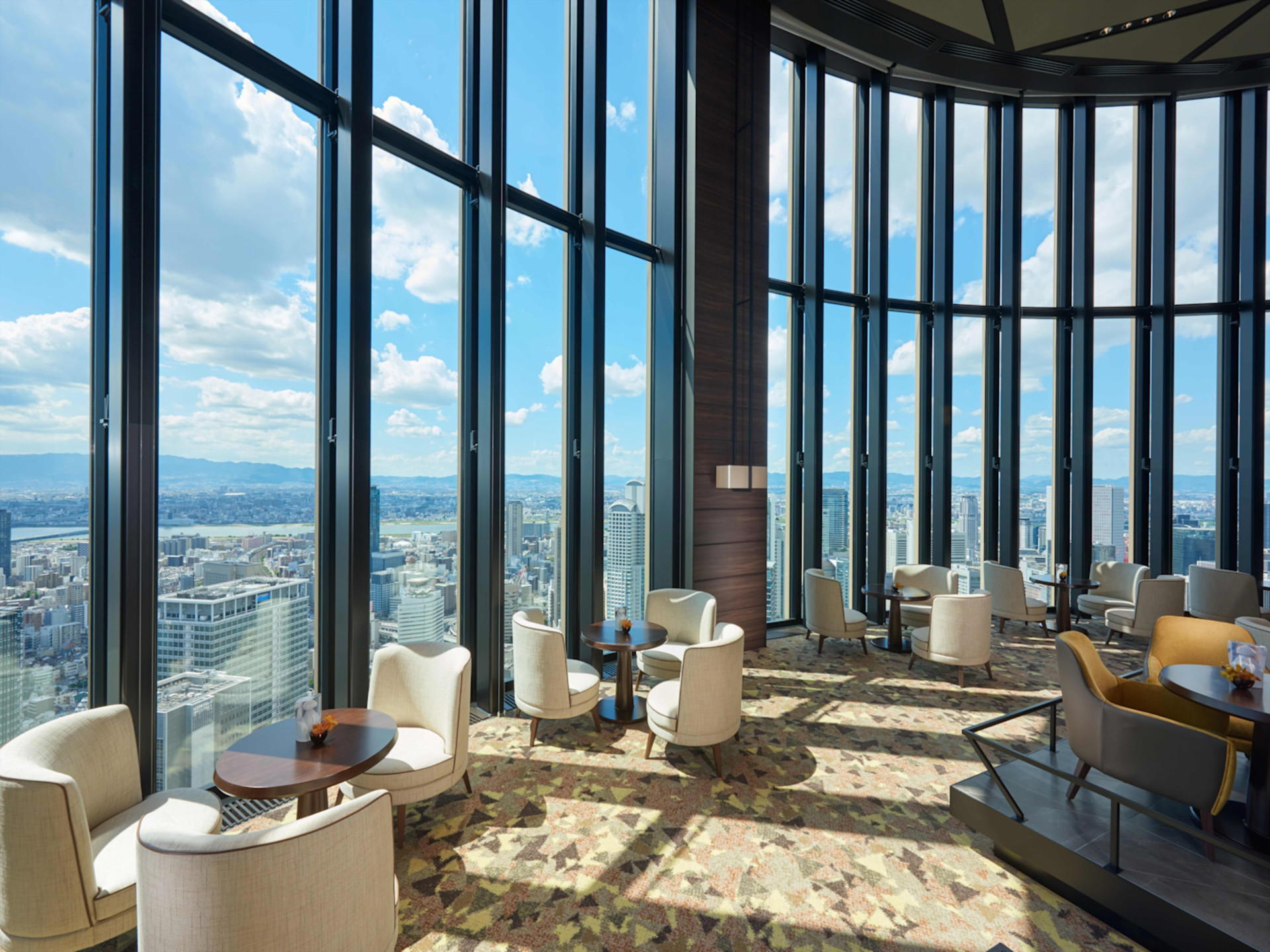




Wineries in Osaka Shi
Browse all →
At a Glance
- Intimate
- Elegant
- Sophisticated
- Date Night
- Special Occasion
- Chefs Counter
- Sake Program
Intimate atmosphere with attentive service and refined simplicity focused on sushi artistry.