Ajihei Sonezaki occupies a quiet address in Kita Ward, set back from the commercial density of central Osaka. The restaurant sits within a city that treats the progression of a formal meal as a discipline rather than an occasion, and its Sonezaki location places it among the neighbourhood's more considered dining options. For those mapping Osaka’s kaiseki and kappo tier, it belongs on the same research list as the district’s better-known counters.
Pearl is the En Primeur Club membership app — saves, bookings, and concierge access live there. Same editors, same standards.
- Address
- 1 Chome-6-3 Sonezaki, Kita Ward, Osaka, 530-0057, Japan
- Phone
- +81662328890
- Website
- tabelog.com
- Directions
- Get directions
 Saves & bookings on Pearl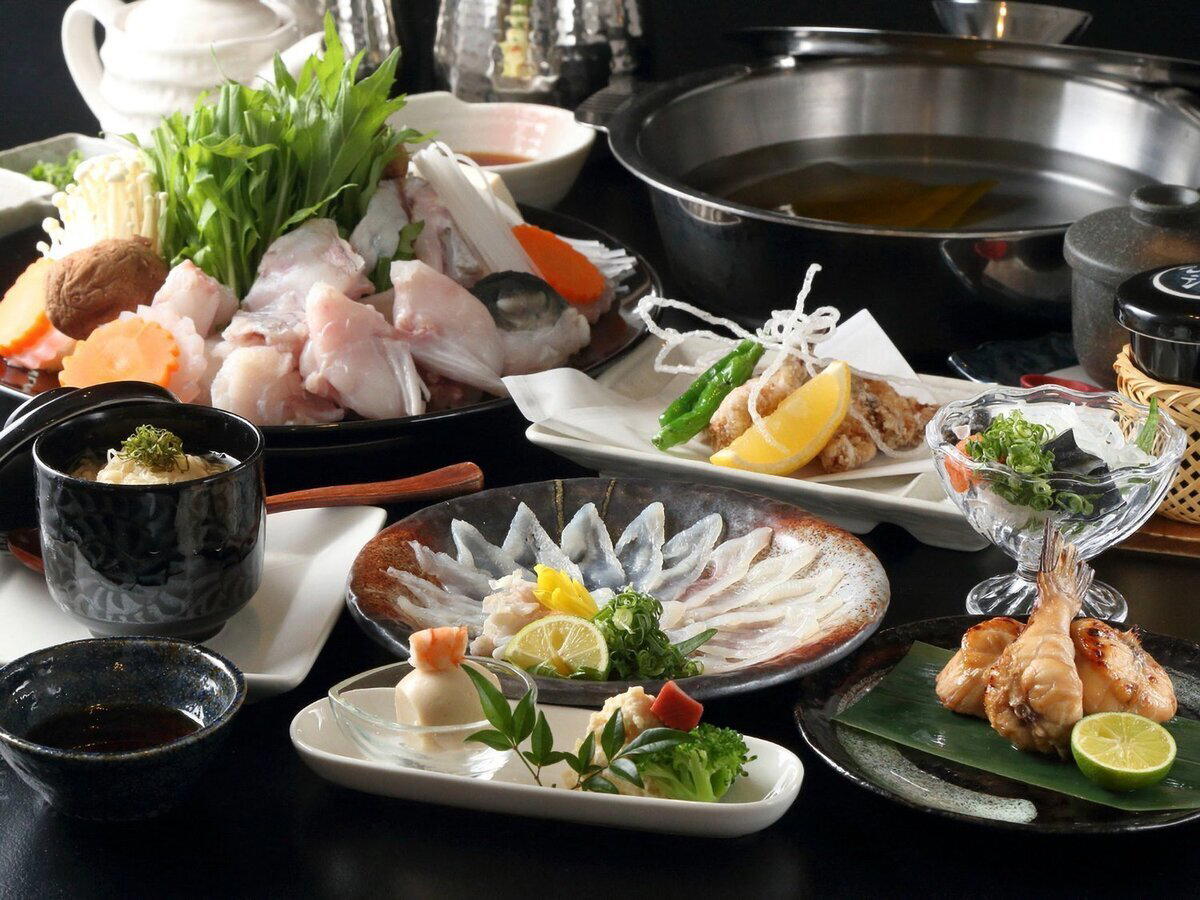
The Street Before the Door
Ajihei Sonezaki is a restaurant in Osaka’s Kita Ward, serving Live Fugu & Crab Kaiseki. The main arteries around Umeda push retail and commuter traffic in high volume, but the smaller streets that branch toward 1 Chome-6-3 carry a different register: smaller facades, more deliberate signage, the occasional暖簾 (noren curtain) indicating something worth pausing for. Ajihei Sonezaki sits within that grammar, and arriving on foot from Higashi-Umeda Station, roughly a few minutes’ walk from the address, frames the transition from city noise to dining room with the right amount of compression.
Osaka has built its culinary reputation on a concept the city articulates as kuidaore: eating until you collapse, or more precisely, spending freely on food without apology. That reputation is often illustrated by Dotonbori’s louder, higher-volume operators, but the city’s more instructive dining tradition runs through its kappo and kaiseki counters, places where the course structure itself is the argument. Ajihei Sonezaki addresses that tradition, operating in a district where the competition includes serious formal Japanese kitchens alongside the broader Kita Ward dining circuit.
How a Meal Builds in This Format
Japanese multi-course formats, whether kaiseki or kappo, operate on a logic that Western tasting menus have borrowed selectively but rarely replicated in full. The sequencing in a well-run Japanese kitchen is not merely about flavour progression; it is about seasonal logic, textural counterpoint, and the calibration of richness against restraint across a meal that can span two to three hours. Osaka’s better counters, such as Ajikitcho Bunbuan, treat this structure with rigorous formality. Others, including the kappo-inflected end of the market, allow for more improvisation while keeping the arc intact.
The opening courses in this format do real work. Sakizuke, the initial offering, is rarely one technically complex moment of the meal, but it establishes seasonal position: what is in peak condition now, what the kitchen intends to say about the current month. In Osaka, where proximity to Kyoto’s vegetable-farming tradition and access to Osaka Bay seafood both inform the larder, this opening statement can draw on a wide range of material. The meal’s middle section in a kaiseki structure tends to carry the greatest technical density, with simmered courses, grilled proteins, and the rice service that signals the meal is approaching its close. The closing sweets at a serious counter are rarely an afterthought; they are calibrated to bring residual richness down and leave the palate in a state the Japanese cooking tradition calls sappari: clean, refreshed, settled.
Venues operating at the serious end of this format in Osaka sit in a competitive bracket that includes HAJIME in Osaka, which approaches the kaiseki structure from a French-influenced philosophical angle, and Aka to Shiro, which represents another reading of the city’s formal dining conversation. The restaurant’s Kita Ward position places it geographically close to several of these counters, which means it competes for the same research attention from visitors building a serious Osaka itinerary.
Kita Ward in the Osaka Dining Map
Osaka’s dining geography divides roughly between the southern Minami zone, centred on Namba and Dotonbori, and the northern Kita zone anchored by Umeda. Kita carries more of the city’s office and business hotel infrastructure, which tends to generate a dining scene that skews toward the expense-account tier and the serious counter format. The neighbourhood around Sonezaki has historically housed several kappo operators, and the address remains associated with the quieter, more considered end of Kita’s restaurant mix.
For visitors structuring a multi-day Osaka program, Kita’s dining options pair logically with day trips to Kyoto or Nara. Gion Sasaki in Kyoto and akordu in Nara represent the formal dining alternatives in those cities, and the contrast between Osaka’s kappo directness and Kyoto’s ceremonial kaiseki register is one worth experiencing across a single trip. Closer to home, Calendrier and Convivialité represent Osaka’s French-influenced formal dining strand, which operates alongside the Japanese counter tradition without fully merging with it. Az adds another data point to the city’s serious tasting-menu circuit.
Beyond Osaka’s borders, the formal Japanese counter format appears in different configurations across the country. Harutaka in Tokyo represents the capital’s sushi counter tradition, while Goh in Fukuoka shows how regional cities have developed their own serious dining identities independent of Osaka and Tokyo. Further afield, Abon in Ashiya and smaller-city operators like affetto akita in Akita, Aji Arai in Oita, Ajidocoro in Yubari District, and Akakichi in Imabari illustrate how the formal multi-course tradition has distributed itself across Japan’s regional dining scene with considerable seriousness. For international reference points on what tasting-menu discipline looks like at the highest level outside Japan, Le Bernardin in New York City and Lazy Bear in San Francisco provide instructive comparisons in how course progression can carry the full weight of a restaurant’s identity.
Planning a Visit: What to Know in Advance
Practical information for the restaurant is direct: it is essential to reserve, and the dinner service runs Monday through Saturday from 5 to 11 PM; Sunday is closed. Reservations are essential. The dinner service runs Monday through Saturday from 5 to 11 PM, with Sunday closed. The address at 1 Chome-6-3 Sonezaki, Kita Ward, Osaka 530-0057 is confirmed; one practical approach is to cross-reference current booking availability through one of the Japan-specialist reservation platforms before travel.
Recognition, Side-by-Side
Comparable venues nearby, for context on price, style, and recognition.
| Venue | Cuisine | Price | Notes |
|---|---|---|---|
| Ajihei SonezakiThis venue — the venue you are viewing | Live Fugu & Crab Kaiseki | $$$ | Not listed |
| Wagyu Japanese BBQ Yakiniku & Hamburger Ramen Dotonbori Restaurant Namba-Beef | Halal Wagyu Yakiniku & Ramen | $$$ | Chūō |
| Tokitame | Traditional Japanese Izakaya | $$$ | Fukushima |
| Masaru | Traditional Sushi | $$$ | Naniwa |
| Mugen | Michelin-Recognized Chuka Soba | $$$ | Fukushima |
| 老松 ひさ乃 | Seasonal Kaiseki | $$$$ | Kita |
Continue exploring
More in Osaka
Restaurants in Osaka
Browse all →

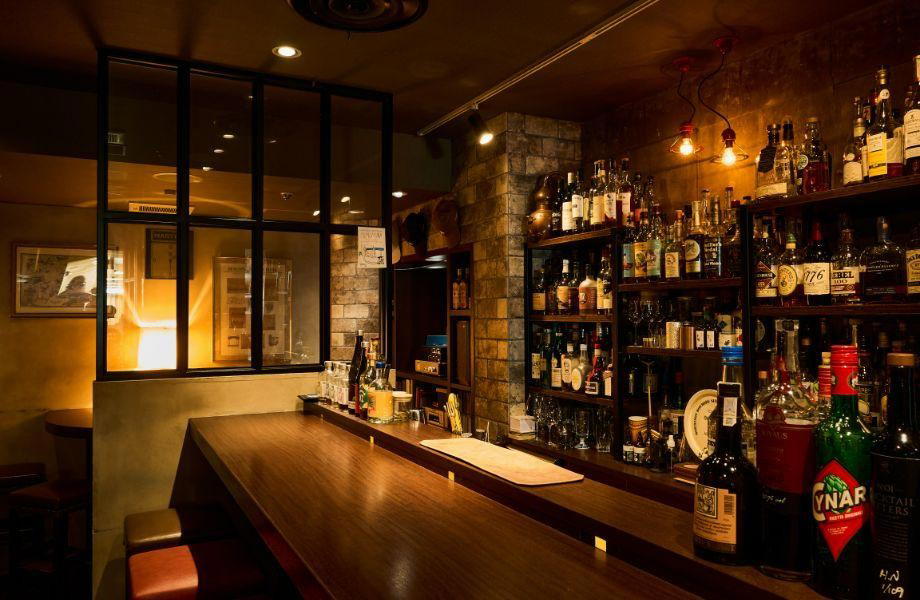
Bars in Osaka
Browse all →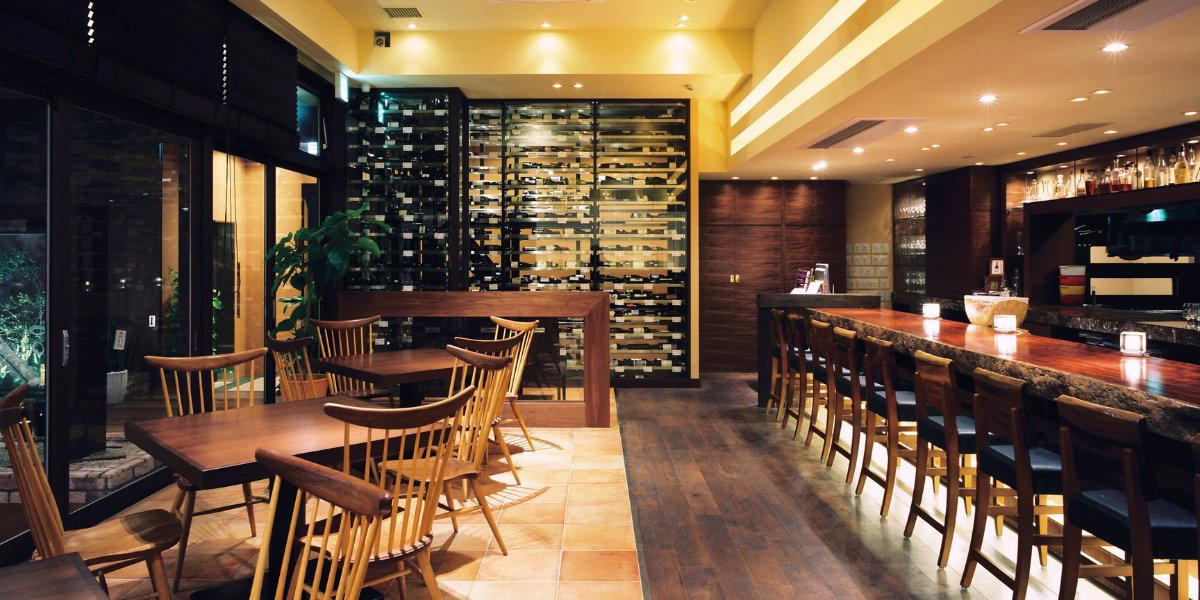
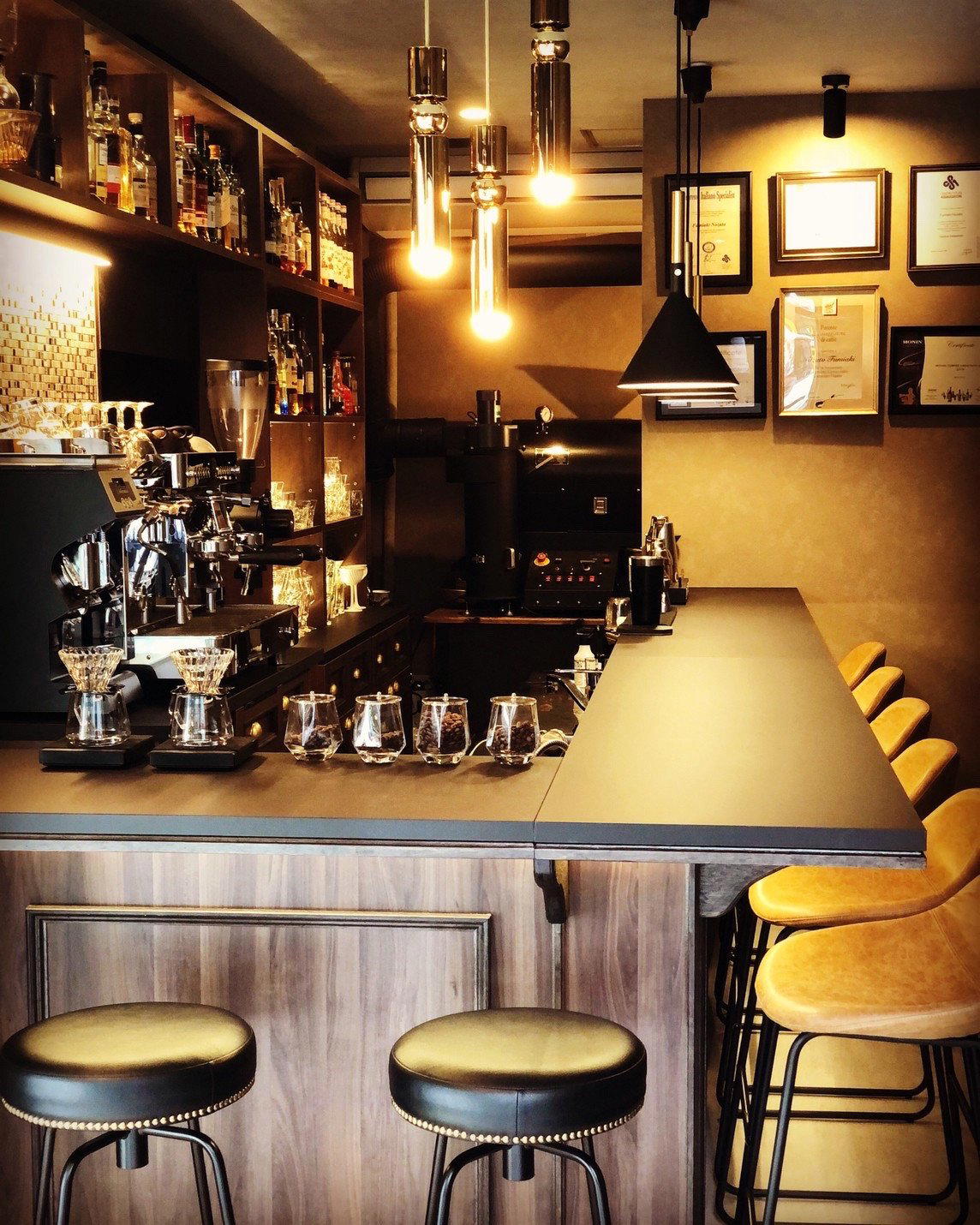
Hotels in Osaka
Browse all →
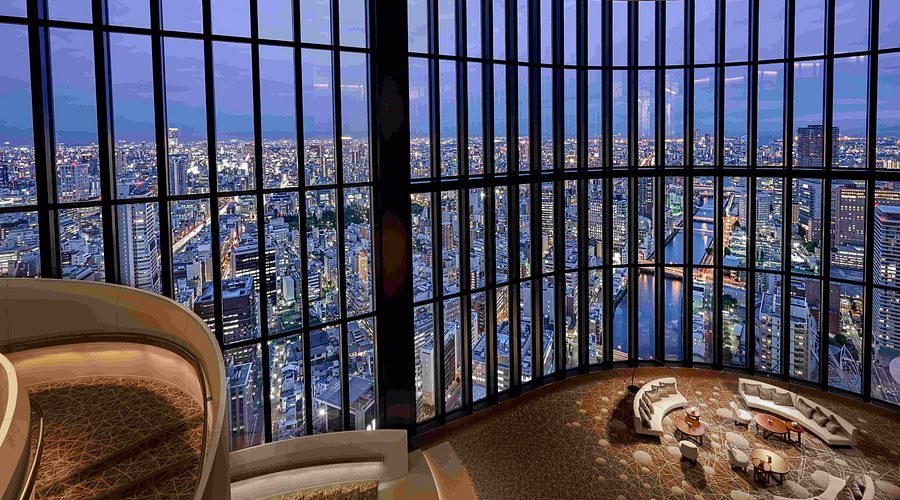


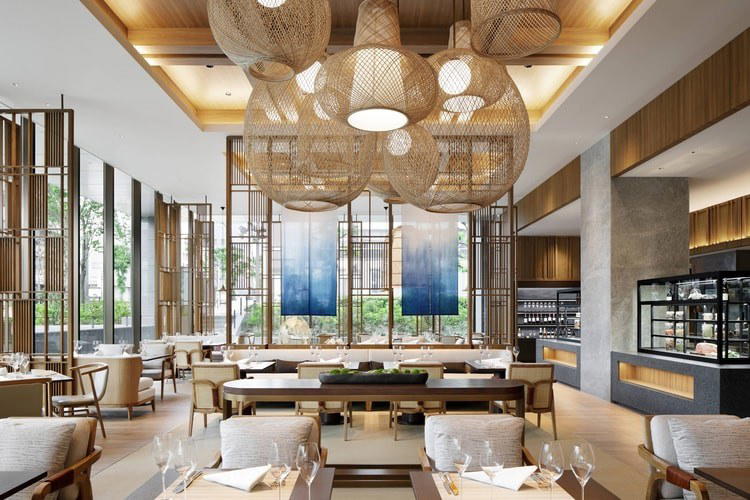
Wineries in Osaka
Browse all →
At a Glance
- Elegant
- Intimate
- Sophisticated
- Date Night
- Special Occasion
- Celebration
- Group Dining
- Private Dining
- Open Kitchen
- Sake Program
- Extensive Wine List
- Local Sourcing
- Sustainable Seafood
Current opening hours
- Monday
- 5–11 PM
- Tuesday
- 5–11 PM
- Wednesday
- 5–11 PM
- Thursday
- 5–11 PM
- Friday
- 5–11 PM
- Saturday
- 5–11 PM
- Sunday
- Closed
Hours can change for holidays and private events. Last verified .
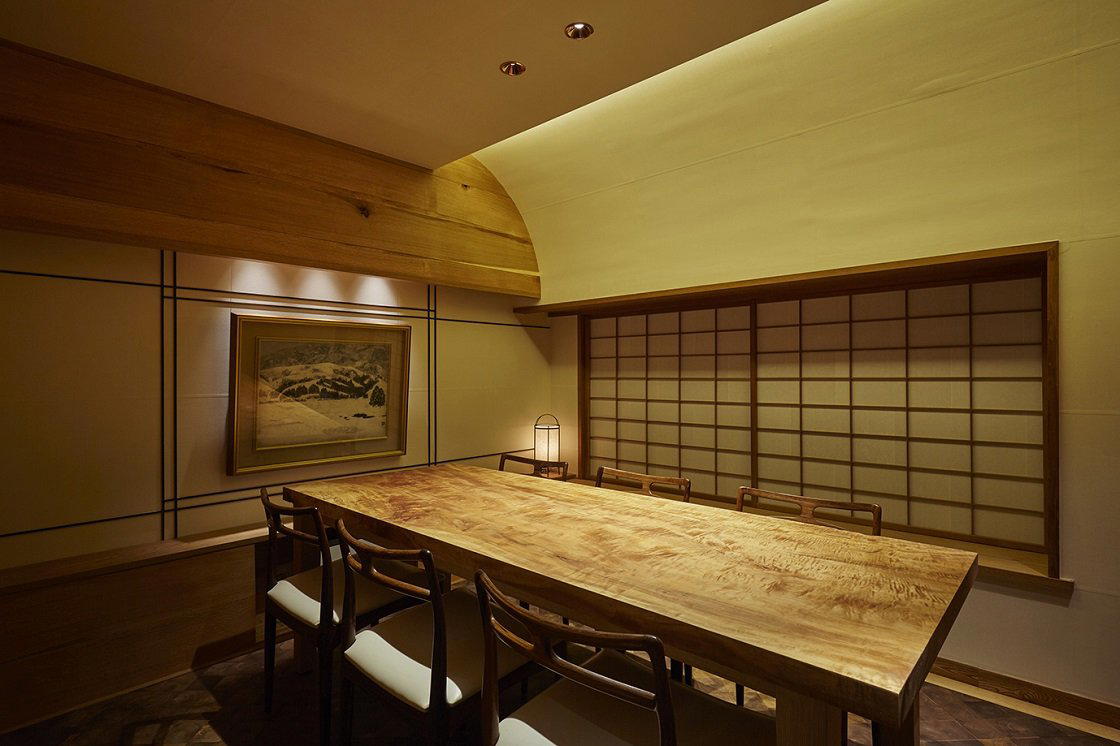
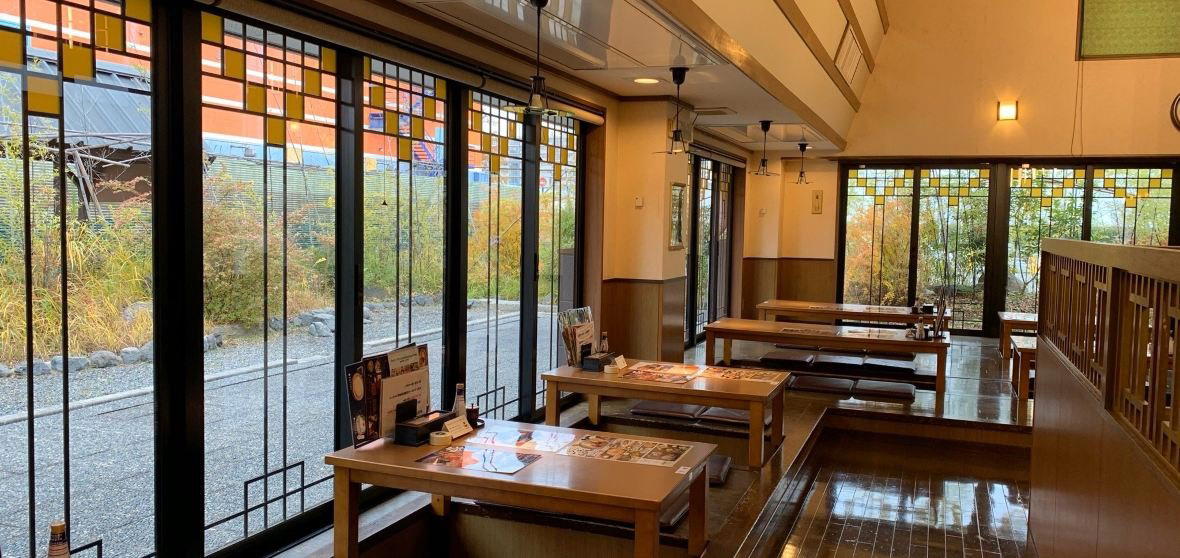
Refined, high-quality cozy space with carefully selected Japanese sake and traditional sunken kotatsu seating well-suited for special occasions and anniversaries.