Google: 4.6 · 136 reviews
Kushiage 010 occupies the fourth floor of a building in Sonezakishinchi, Osaka's Kita Ward, placing it squarely within one of the city's most concentrated dining districts. The format centres on kushiage, the Osaka-born tradition of skewered and deep-fried ingredients that sits at the intersection of precision technique and casual conviviality. For visitors mapping Osaka's specialist counter scene, this address represents the neighbourhood's commitment to a cooking style the city invented and continues to refine.
 Discover on Pearl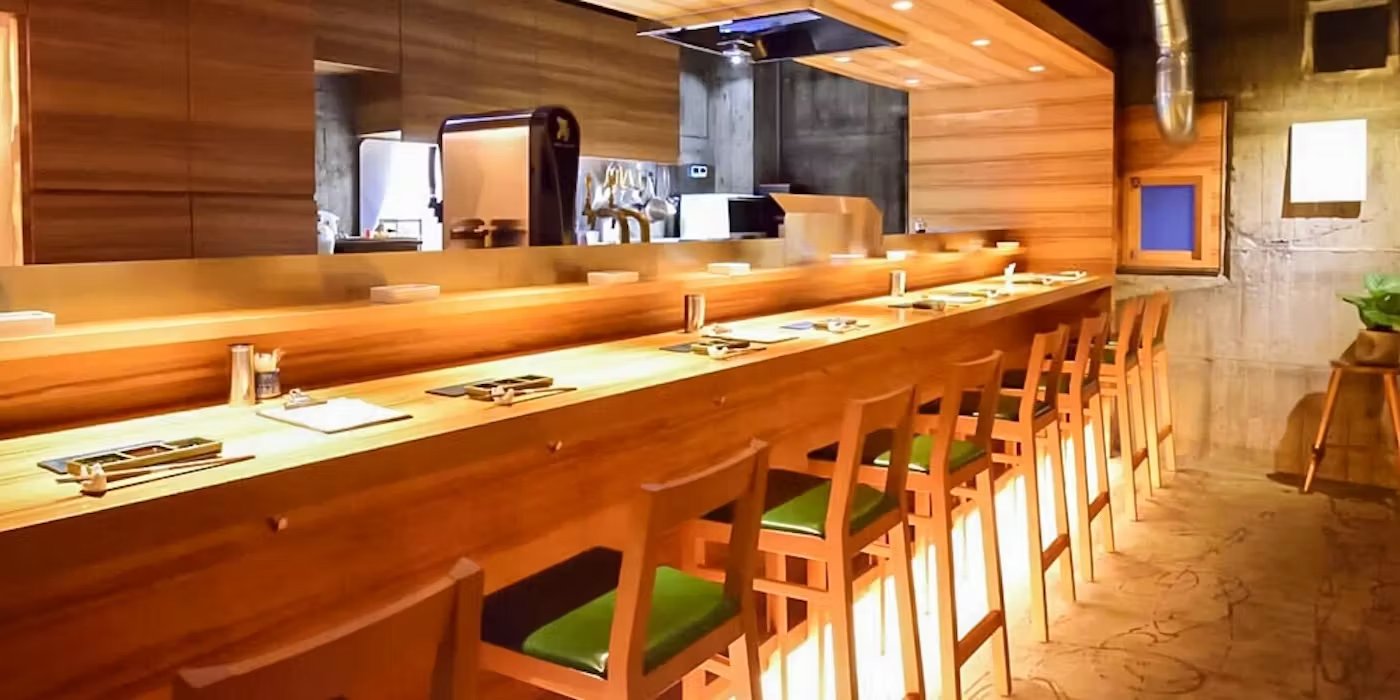
Sonezakishinchi and the Kushiage Tradition
Arrive in Sonezakishinchi after dark and the logic of Osaka's Kita Ward becomes immediately legible. The block contains an unusual density of specialist counters, each committed to a narrow cooking discipline and drawing regulars who treat format loyalty as a point of identity. Kushiage 010 sits on the fourth floor of a building on Sonezakishinchi 1-chome, and its position within that vertical stack is itself a signal: this is not a ground-floor casual stop but a deliberate destination requiring a degree of intent from anyone who climbs to it.
Kushiage, for those new to the category, is a cooking tradition that Osaka claims with considerable conviction. The technique involves skewering individual ingredients, coating them in a light panko batter, and frying them in oil maintained at precise temperatures. The result, when executed well, is a crust that fractures audibly and gives way to an interior that retains its own moisture and character. Osaka's kushiage counters have developed this into a sequential format not unlike kaiseki in its pacing logic: items arrive one or a few at a time, each chosen and ordered by the kitchen, allowing the fryer to dictate rhythm rather than the diner.
That sequencing matters because kushiage's reputation has long been split between its neighbourhood izakaya iteration, where the format is relaxed and self-directed, and its counter iteration, where restraint and technique are applied with the same seriousness you would find in any other specialist Japanese dining form. Osaka has developed both poles. The more considered counter addresses in Kita Ward sit in the latter category, treating kushiage not as bar food but as a discipline.
What the Format Delivers
Counter kushiage in Osaka operates on a model that rewards passive trust in the kitchen. The kitchen controls the sequence, the pacing, and the selection of what appears on each skewer. Proteins, vegetables, and occasionally seafood rotate through the menu according to season and sourcing, arriving in an order designed to move from lighter, more delicate items toward richer ones. This is the same logic that governs omakase sushi progression, applied to a frying format that many in the West still associate only with casual eating.
The oil management in serious kushiage kitchens is where technical skill concentrates. Different ingredients demand different fry temperatures and durations, and a kitchen producing a long counter sequence must hold those variables simultaneously. At the better Osaka addresses in this category, the counter itself is positioned so diners can observe that management directly, which adds an informational dimension to the meal that distinguishes specialist counters from production-kitchen formats.
Osaka's kushiage scene sits in an interesting position relative to the city's broader dining reputation. The city is consistently measured against Tokyo in terms of Michelin density, but its identity skews toward precision craft in traditionally popular formats rather than toward the imported fine-dining vocabulary that Tokyo's restaurant economy has adopted more heavily. Venues like HAJIME in Osaka demonstrate the city's capacity for European-influenced haute cuisine, but the city's self-image is more accurately represented by the specialist counter: kushiage, fugu, kappo, unagi. These are the categories Osaka produces with consistency and takes seriously at every price point.
Placing Kushiage 010 in Its District Context
Sonezakishinchi is not the only Osaka district where specialist counters concentrate, but it has a particular character shaped by its proximity to both office Osaka and the entertainment corridors around Umeda. The dining room population tends to mix local professionals with visitors who have done enough research to move past the Dotonbori tourist belt. That composition affects the atmosphere inside counters in the area: the room expects knowledge and the kitchen responds accordingly.
Within the Kita Ward specialist category, Kushiage 010 shares a neighbourhood with addresses across several disciplines. The broader Osaka Shi restaurant scene, which you can survey in our full Osaka Shi restaurants guide, includes kaiseki houses such as Ajikitcho Bunbuan, counter-driven formats like Ajihei Sonezaki, and contemporary Japanese cooking at addresses including Aka to Shiro, Az, and Calendrier. The kushiage format occupies a different register from all of these, but it competes for the same evening slot in the itinerary of a visitor who has limited nights in the city.
For regional comparison, the precision-craft counter culture that defines Osaka's leading specialist addresses connects to a wider Kansai tradition visible in Gion Sasaki in Kyoto and to the broader Japanese counter discipline represented by Harutaka in Tokyo. The format differs in each case, but the underlying logic of a single chef or small team controlling a sequential experience from behind a counter is consistent across Japan's specialist dining culture.
Planning a Visit
Sonezakishinchi 1-chome is accessible from Osaka's central transport network, with Higashi-Umeda and Nishi-Umeda stations both within walking distance. The fourth-floor location means the address does not announce itself at street level; first-time visitors should confirm the building before climbing. Specific booking procedures, current hours, and pricing for Kushiage 010 are not detailed in available records, so checking directly with the venue before visiting is the practical step. Counter kushiage in Osaka across comparable specialist addresses tends to operate on a reservation model rather than walk-in, and that assumption should guide planning. Those building a broader Kansai itinerary might also consider akordu in Nara for contrast with Osaka's craft-focused specialist counters, or Goh in Fukuoka for a different regional expression of Japanese counter dining.
Budget Reality Check
A small peer set for context; details vary by what’s recorded in our database.
| Venue | Price | Awards | Notes |
|---|---|---|---|
| Kushiage 010 | This venue | ||
| èæ¾åå¤å· | |||
| Hachi | |||
| ç±³å¢ | |||
| Unagi Nishihara | |||
| ææ³ |
Continue exploring
More in Osaka Shi
Restaurants in Osaka Shi
Browse all →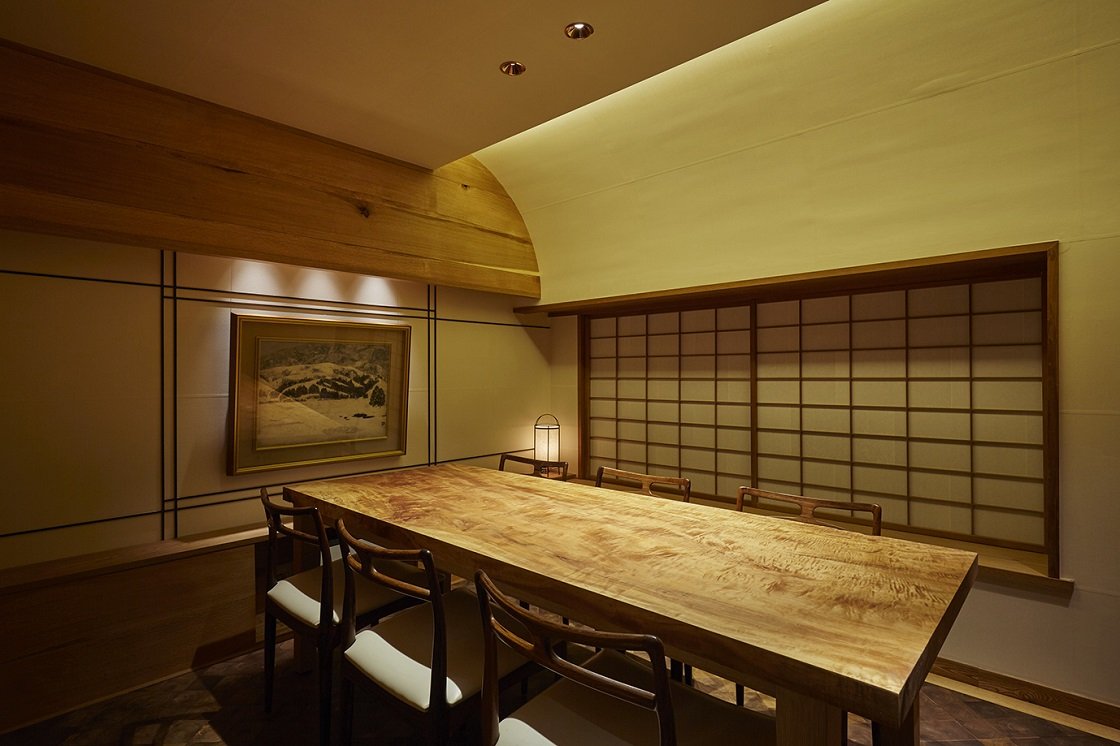
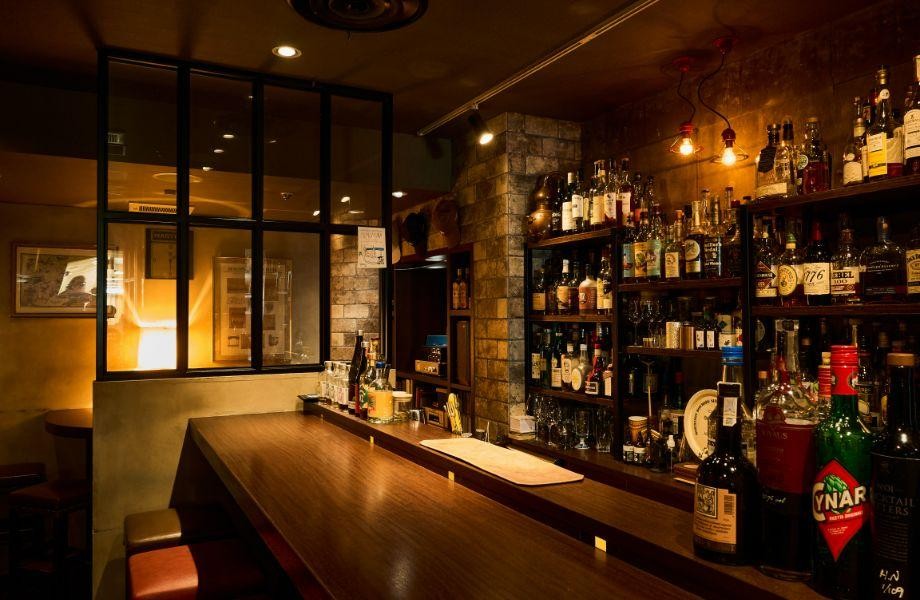
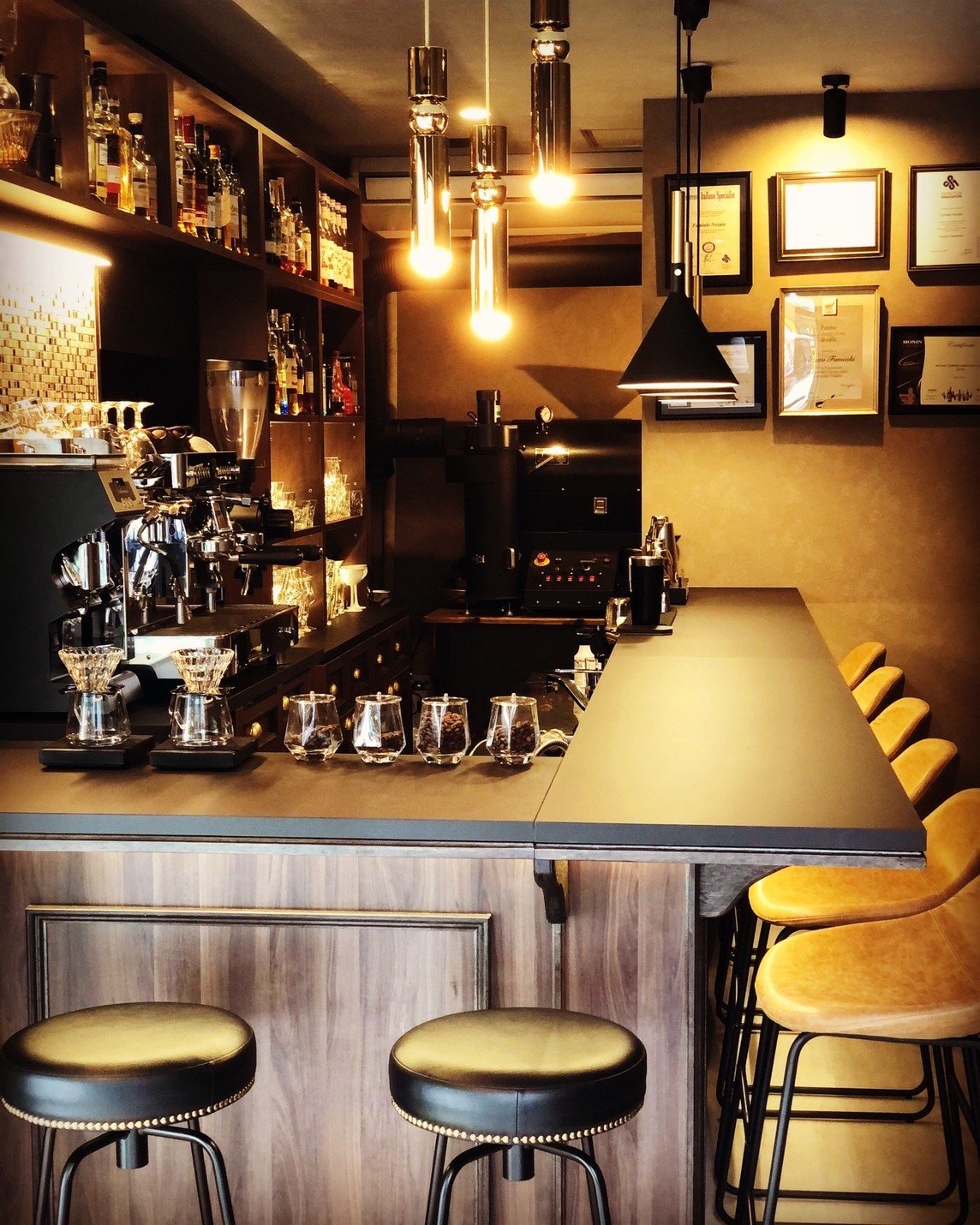
Bars in Osaka Shi
Browse all →
Hotels in Osaka Shi
Browse all →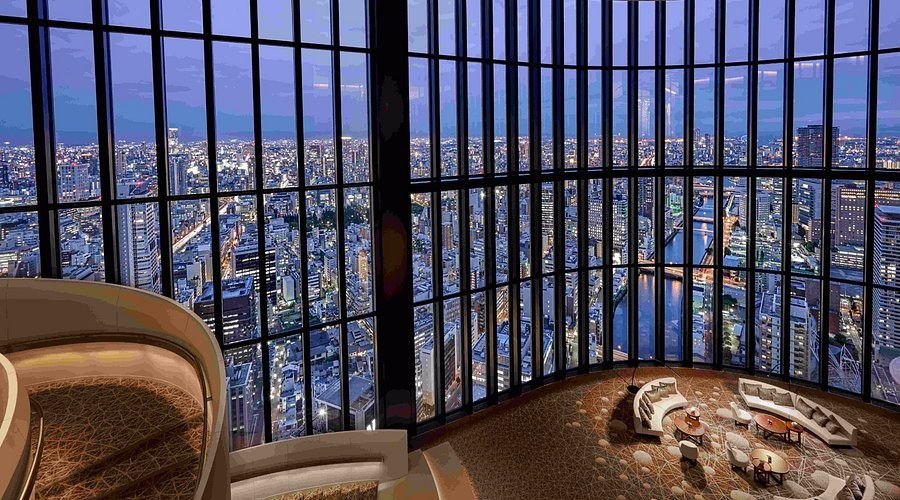
Wineries in Osaka Shi
Browse all →
At a Glance
- Intimate
- Elegant
- Hidden Gem
- Sophisticated
- Date Night
- Special Occasion
- Celebration
- Open Kitchen
- Standalone
- Beer Program
- Sake Program
- Local Sourcing
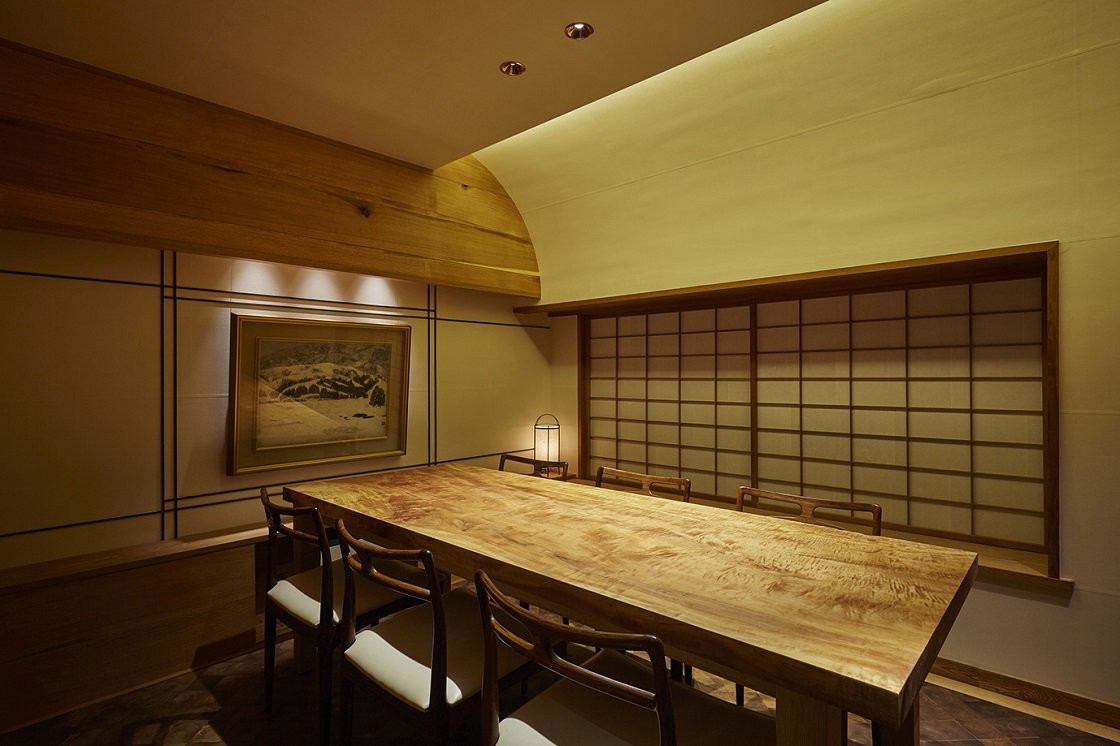
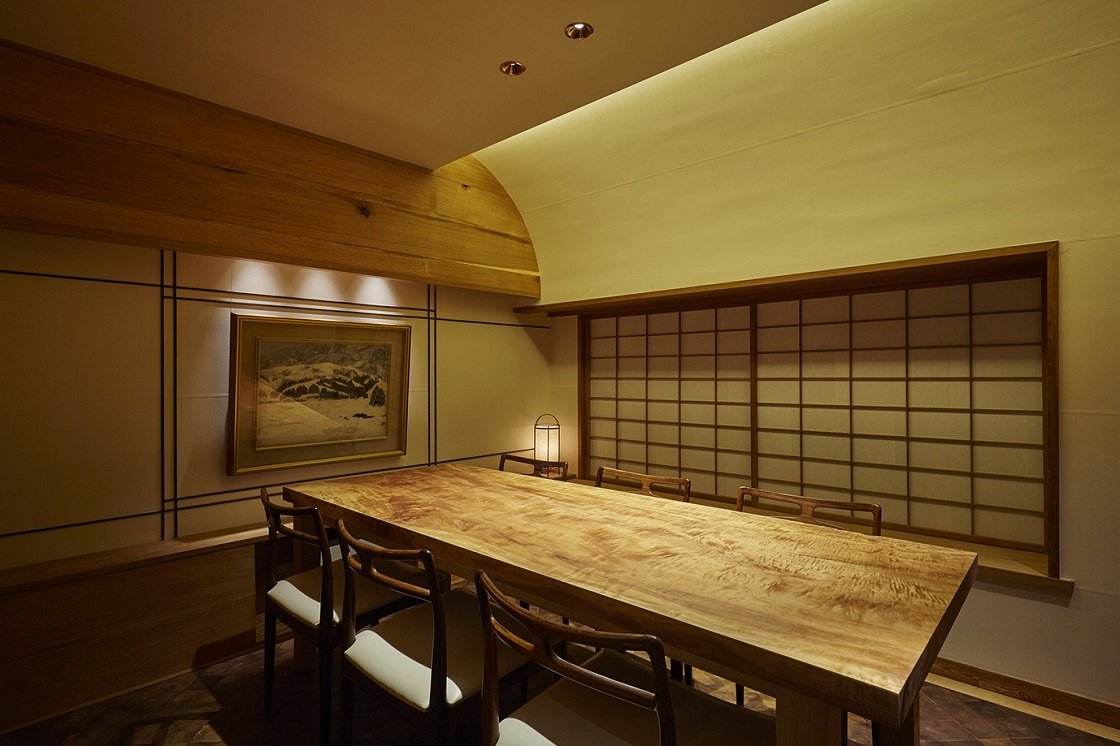
Warm, refined indoor setting with tantalizing aroma of frying oil; intimate atmosphere on the fourth floor behind a discreet beige door with calm, serene environment.