Tabelog 100 #17
Our verdict
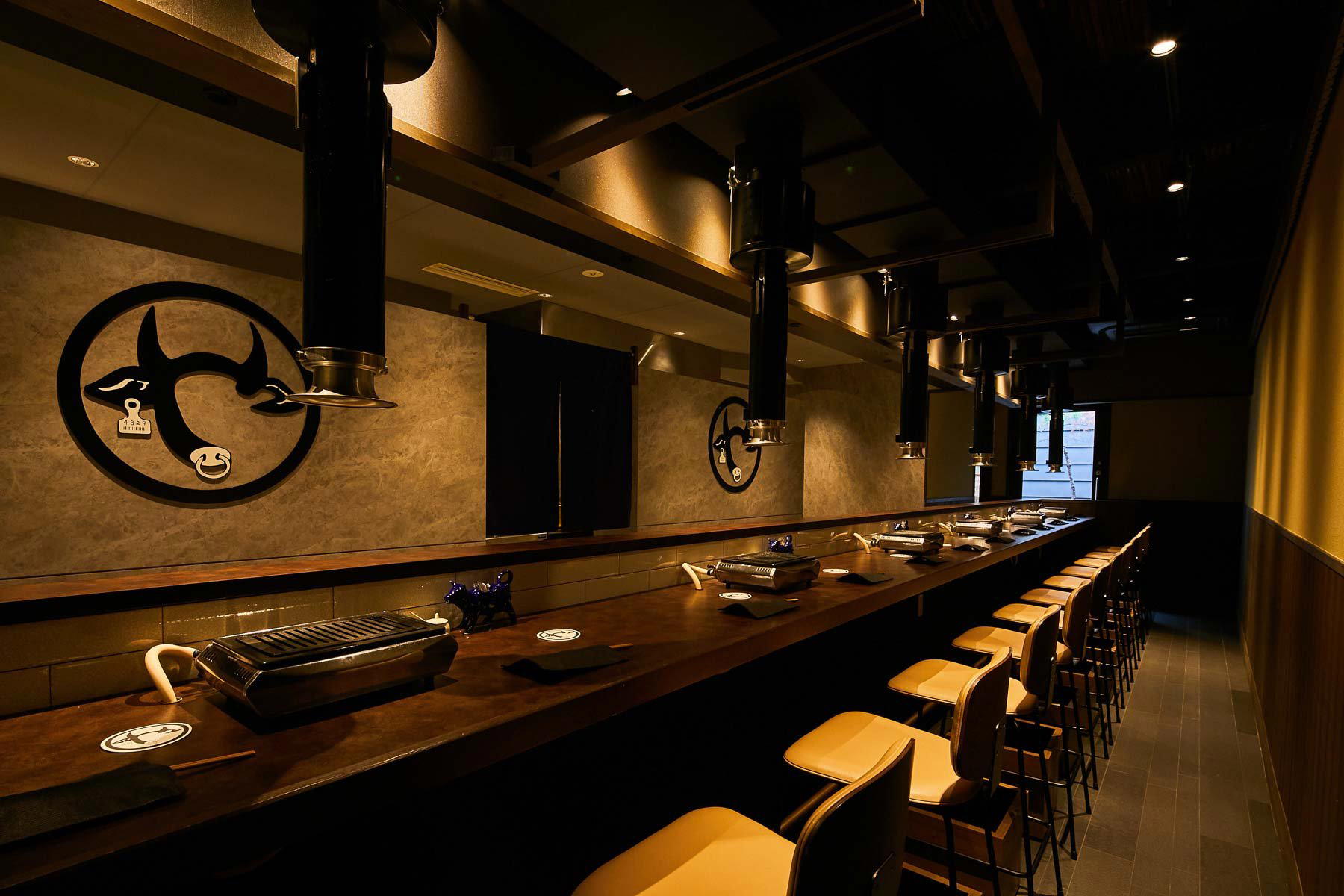
Yakiniku Yamachan brings the high-heat discipline of Japanese grilled beef to Kyoto, a city whose dining culture is dominated by kaiseki restraint and dashi-led precision. For regulars, the draw is consistency over novelty: familiar cuts, a counter built around charcoal rhythm, and the kind of institutional loyalty that survives changing menus. A grounded alternative to Kyoto's more ceremonial dining tier.

Pearl is the En Primeur Club membership app, where members save venues, book tables and use the concierge.
The menu
What to order
- Premium karubi
- Harami
- Shimacho
Where Kyoto's Charcoal Culture Holds Its Own
Kyoto's dining identity is built around kaiseki, the multi-course tradition of seasonal precision that venues like Gion Sasaki and Hyotei have refined over generations. Against that backdrop, yakiniku sits in a different register entirely: louder, more immediate, structured around the arc of a charcoal grill rather than the choreography of a lacquer service. That contrast matters, because it explains the particular loyalty that good yakiniku earns in a city not short of ceremony. Yakiniku Yamachan operates in that space, drawing a core clientele less interested in theatrical presentation than in the steady pleasure of well-sourced beef meeting a live flame.
The Grammar of a Yakiniku Regular
What keeps regulars returning to a yakiniku-ya is rarely the menu in isolation. In Japan's grilled-beef tradition, the repeat visitor comes for rhythm: the pacing of cuts, the moment the server adjusts the grate, the small signals that distinguish a well-run grill counter from one that simply moves protein. This is an eating format built on iteration. First-timers discover it through novelty; regulars return because they know exactly when to flip the tongue slice and which cut pairs with the house tare. That institutional knowledge, accumulated over many visits, is the actual product these restaurants sell alongside the beef.
In Kyoto specifically, yakiniku occupies an interesting position. The city's kaiseki tradition, represented at the formal end by venues like Kikunoi Honten and Mizai, demands a kind of passive reception from the diner: the kitchen decides, the diner receives. Yakiniku inverts that relationship. The diner controls the flame, the timing, and the sequence. For locals who spend much of their dining life in more deferential formats, that agency is part of the appeal. Yakiniku rooms become places where regulars feel more at ease than they might in a tatami kaiseki setting.
Kyoto Beef Culture and Its Regional Signals
Japan's premium beef geography is well-established: Kobe, Matsuzaka, and Omi wagyu each carry regional identity and grading systems that leading yakiniku counters use as the basis for their offer. Kyoto sits at the intersection of several of these supply lines, with Omi beef from neighbouring Shiga Prefecture historically linked to the city's provisions culture. A yakiniku restaurant in Kyoto that draws on that regional sourcing logic positions itself differently from one running imported Australian wagyu through a generic menu. The distinction matters to the repeat clientele who have learned to read beef menus the way wine drinkers read appellations.
Across Japan, the highest tier of yakiniku operates through chef-led omakase formats, where cuts arrive in sequence and the grill is managed entirely by the kitchen. That model has gained significant traction in Tokyo and Osaka, with venues like HAJIME in Osaka representing the capital-intensive end of Japanese fine dining more broadly. Below that tier sits the more common operator: a focused menu, tableside grilling, and an emphasis on product quality over format theatrics. Yakiniku Yamachan operates within that wider tradition, where the measure of quality is the beef itself, not the production surrounding it.
Reading the Room: What the Regulars Know
In yakiniku culture, the most telling sign of a well-regarded house is not its awards but its clientele composition. A room that fills with the same faces on successive weeknights, where the staff greet customers without checking a reservation name, where orders arrive without much consultation, that pattern signals something awards tables cannot always confirm. It reflects a restaurant that has found its equilibrium: a price point, a product standard, and a service rhythm that sustains loyalty without requiring constant reinvention.
The unwritten menu at places like this tends to include the cuts that never appear on any printed list: the seasonal piece a regular knows to ask for, the preferred seating area near a particular grill hood, the timing of arrival that secures a specific table. These are the currencies of repeat custom in Japanese casual dining, and they are as real as anything printed on the card. For a visitor arriving without that accumulated knowledge, the practical move is to signal deference: let the staff guide the sequence, avoid ordering everything at once, and allow the grill to pace the meal rather than treating it as a production line.
For broader context on where Kyoto's dining scene places yakiniku relative to its other registers, see our full Kyoto restaurants guide, which maps the city's eating culture from formal kaiseki through to neighbourhood specialists.
Placing Yakiniku in Kyoto's Wider Dining Map
Kyoto's premium dining tier is dominated by Japanese and kaiseki formats. Venues like Isshisoden Nakamura represent centuries of institutional continuity in that tradition. Yakiniku sits in a separate category, one defined by informality and repetition rather than ceremony and occasion. That separation means a good yakiniku counter in Kyoto does not compete with its kaiseki neighbours for the same customer on the same night. It competes for the midweek dinner, the post-work table, the meal that does not require advance planning in the same register as a three-month-ahead kaiseki booking.
Comparable dynamics play out at grilled-food specialists elsewhere in Japan. Birdland in Sakai represents the yakitori end of Japan's charcoal-grill culture, with a precision and reputation that places it in a different competitive tier from standard operators. The point holds across protein types: when a grill-focused restaurant earns a sustained following, it tends to be because it has achieved consistency at a specific product level, not because it has expanded its format. Restraint and repetition are the operational logic behind long-running grill houses in Japan.
For travellers moving through the Kansai region and beyond, the akordu in Nara and Goh in Fukuoka represent very different expressions of Japanese dining culture, useful reference points when calibrating expectations across the region. Further afield, Harutaka in Tokyo shows how the capital's fine dining ecosystem differs structurally from Kyoto's. And for context on what sustained critical recognition looks like at the international level, Le Bernardin in New York City and Atomix in New York City offer a useful frame for the distance between neighbourhood anchor and destination restaurant.
Additional context from Japan's broader restaurant geography: Nanao, Sapporo, Takashima, and Nishikawa Machi each host specialist restaurants that operate far outside the major-city dining circuit, a reminder that Japan's most consistent operators are not always in the obvious locations. Bistro Ange in Toyohashi makes a similar point for the Western-influenced tier.
Know Before You Go
- Location: Kyoto, Japan
- Category: Yakiniku (Japanese grilled beef)
- Reservations:Gion Sasaki and Mizai operates on a completely different ordering logic, yakiniku rewards engagement, not passivity.
- Is Yakiniku Yamachan reservation-only?
- What makes Yakiniku Yamachan worth seeking out?
- In a city where the dominant dining format is the carefully orchestrated kaiseki meal, a well-run yakiniku counter offers something structurally different: the diner controls the grill, the pacing, and the sequence. That shift in agency is part of the draw for locals and visitors alike. Yakiniku Yamachan sits within that tradition, a format defined less by awards or chef credentials than by the consistency that earns repeat custom in a competitive city dining environment.
- What if I have allergies at Yakiniku Yamachan?
- If you have dietary allergies, contact the restaurant directly before your visit. In Kyoto more broadly, communicating allergies in writing in Japanese tends to be more reliable than verbal explanation, particularly for sesame, shellfish-based sauces, or wheat components that may appear in tare seasonings.
- Does Yakiniku Yamachan focus on a particular regional wagyu or beef sourcing tradition?
Frequently asked questions
How does Yakiniku Yamachan fit into Kyoto's beef culture compared to Kobe or Omi wagyu specialists?
Kyoto sits geographically close to both Kobe and the Omi production region in Shiga Prefecture, which gives Kyoto-based yakiniku houses relatively direct access to two of Japan's most documented wagyu sources. Yamachan operates within this regional supply network, placing it in a city where beef provenance carries real meaning rather than serving as a marketing afterthought. For visitors already familiar with wagyu grading, a Kyoto yakiniku house offers a different context from the tourist-facing beef restaurants concentrated around Kobe itself.
What should I order at Yakiniku Yamachan?
Yakiniku houses in Kyoto tend to anchor their menus around premium domestic beef cuts, often drawing from regional wagyu sources such as Omi, which carries the longest documented production history among Japan's branded cattle. The counter rhythm at a yakiniku-ya rewards guests who pace their grilling rather than ordering all at once. Ask staff which cuts are in best condition on the day you visit, as availability shifts with supply.
Is Yakiniku Yamachan reservation-only?
In Kyoto's tighter dining quarters, walk-in availability at respected yakiniku houses tends to narrow sharply on weekends and during high-season periods like cherry blossom and autumn foliage. Contacting the venue directly ahead of your visit is the practical approach.
What makes Yakiniku Yamachan worth seeking out?
Kyoto's dining identity is dominated by kaiseki formats, which means yakiniku houses that earn a loyal regular clientele do so on the strength of their sourcing and service rhythm rather than category novelty. A yakiniku-ya that holds its ground in this city is doing something specific well.
What if I have allergies at Yakiniku Yamachan?
Yakiniku menus in Japan typically involve marinades, dipping sauces, and side preparations that may contain soy, sesame, egg, and wheat-based ingredients. Communicating allergies directly to staff at the time of booking or on arrival is standard practice at Japanese restaurants, and written notes in Japanese tend to produce the most reliable response.
Awards and Standing
Comparable venues nearby, for context on price, style, and recognition.
| Venue | Cuisine | Price | Awards | Notes |
|---|---|---|---|---|
| Yakiniku YamachanThis venue (the venue you are viewing) | Premium Wagyu Yakiniku with Japanese Fusion | $100–150 | Tabelog 100 #17 | Not listed |
| Okuniya Manbei Unagi | Kansai-Style Unagi Kabayaki | $50–100 | Not listed | Nakagyo-Ku |
| Teuchi Soba Sushi Imafuku | Japanese Soba and Sushi | $30–50 | Tabelog 100 #54 | Fushimi |
| Riki Chan Gion ten | High-end Wagyu Yakiniku (Fillet Specialty) | $150–200 | Tabelog 100 #83 | Higashiyama |
| Hachikian Marutacho (八起庵 丸太町本店) | Traditional Kyoto poultry and sukiyaki cuisine | $50–100 | Tabelog 100 #3 | Sakyo-ku |
| Maeshiro | Modern Kyoto Kaiseki | $100–150 | Michelin Plate | Nakagyō |
Recognition history
Dated appearances from independent guides and award organizations, with the underlying list record or original source where available.
Tabelog 100 #17 · No. 17
Tabelog · Tabelog 100 - Yakiniku - WEST - 2025