Google: 4.8 · 198 reviews

Yakiniku Ten occupies a basement room in Nishiazabu, Minato City, where chef Ryo Kawasaki runs a yakiniku program that has earned consecutive Opinionated About Dining recognition since 2023, reaching #429 in Japan by 2024. The format sits within Tokyo's serious yakiniku tier, where sourcing discipline and grill precision separate the ranked from the rest. Rated 4.7 across 167 Google reviews.
 Discover on Pearl
If You Eat One Thing at a Grill in Tokyo, Make It Premium Yakiniku
Tokyo's yakiniku scene divides more sharply than outsiders expect. At the lower end, conveyor-belt cuts and table-side smokeless grills serve a casual, high-volume function. At the other end sits a smaller, more considered tier where sourcing, aging, and portion architecture approach the seriousness of kaiseki. Yakiniku Ten, operating from a basement address in Nishiazabu under chef Ryo Kawasaki, belongs to the latter group. Three consecutive years of Opinionated About Dining recognition — recommended in 2023, ranked #429 in Japan in 2024, and #448 in 2025 — place it within a defined peer set of Tokyo's credentialed yakiniku counters, a category that remains genuinely small relative to the city's overall dining volume.
The Basement Room as Format
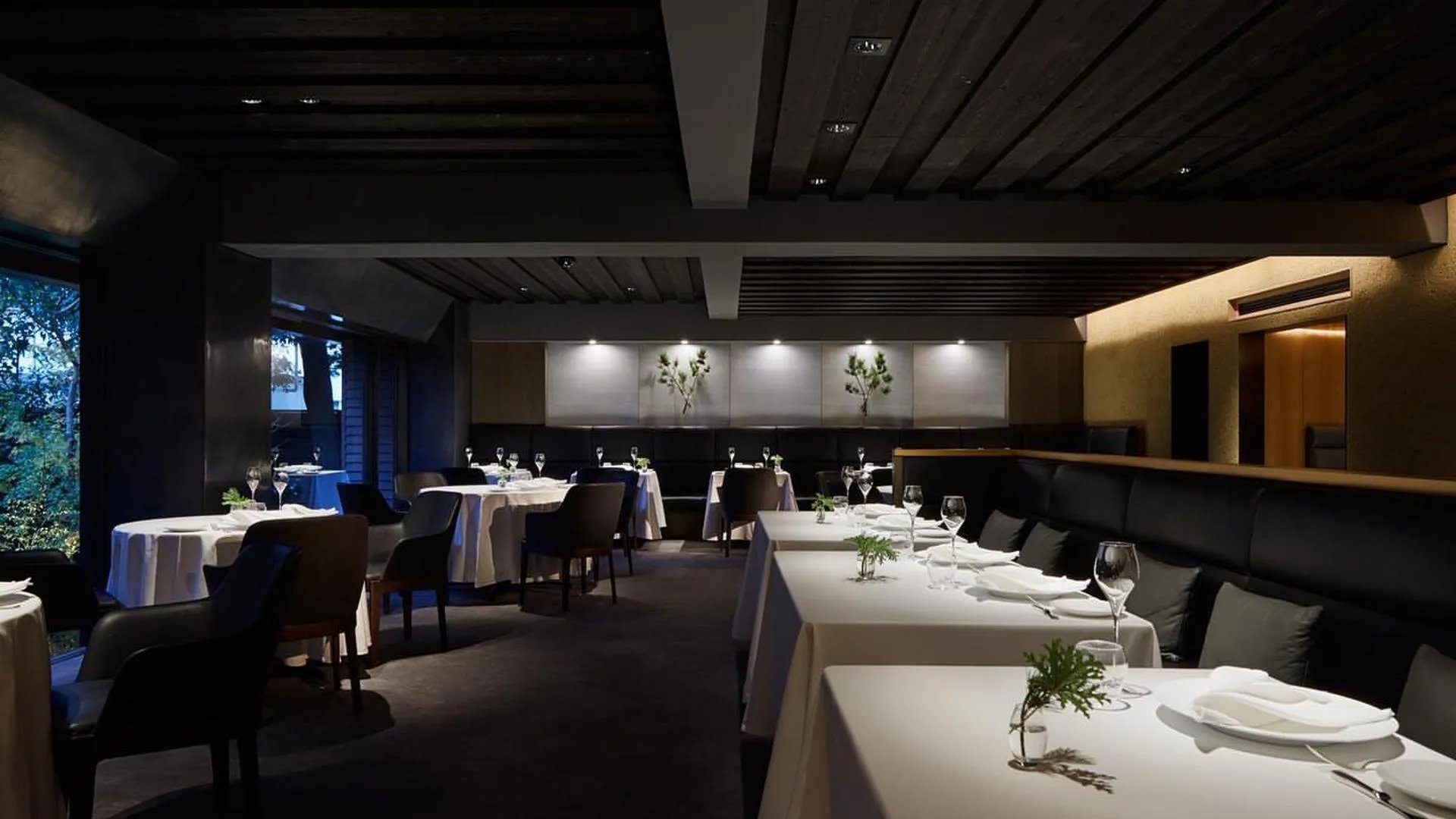
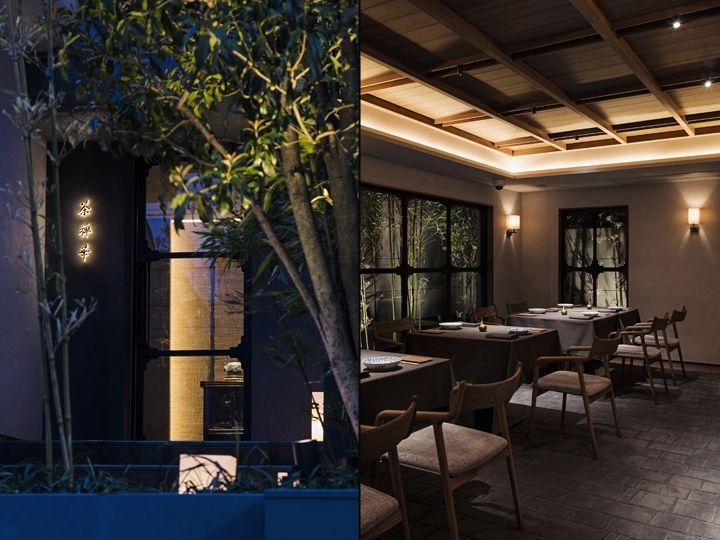
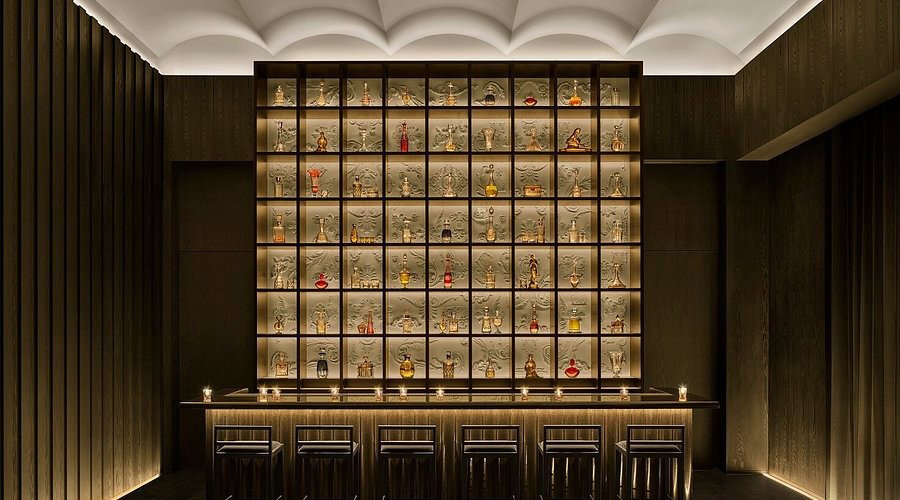
In Nishiazabu, going below street level is not a compromise; it is often a deliberate act of curation. The neighbourhood's basement dining rooms , found across several of the area's more quietly serious restaurants , tend to operate at lower noise levels, with more controlled lighting and a sense of remove from the street that reinforces focus on what is on the grill. Yakiniku Ten follows this spatial logic. A basement position in a low-rise building on the Nishiazabu block removes the visual distraction of passing pedestrian traffic and compresses the sensory environment around the table: smoke, heat, the sound of fat hitting charcoal, and the specific silence between cuts that marks a professionally paced grill meal.
That spatial compression matters because yakiniku at this level is not background dining. The grill is at the table. The timing of each cut is a decision the diner participates in, and the room's design should support that engagement rather than compete with it. Basement rooms that do this well tend to have low ceilings that contain the smoke rather than let it dissipate immediately, which extends the aromatic presence of each cut. They also tend toward intimate seating arrangements where conversation is possible without raising one's voice , a distinction from the louder, more theatrical formats that dominate mid-tier yakiniku in areas like Shibuya or Shinjuku.
Where Nishiazabu Places This Experience
The Nishiazabu address is a signal in itself. This is a neighbourhood that has consolidated a particular kind of serious dining over the past two decades: restaurants with no signage, basement or second-floor rooms, and a clientele that books rather than walks in. It sits southeast of Roppongi's commercial centre but operates at a different register , quieter, more residential, with a density of credentialed restaurants per block that is high relative to its foot traffic. For yakiniku specifically, this location suggests a deliberate positioning away from the tourist-facing clusters near Roppongi Hills and toward a local, repeat-diner model.
Restaurants in this part of Minato City that have built OAD recognition tend to do so through consistency of product and controlled word-of-mouth rather than through social media volume or tourist-facing marketing. Nikusho Horikoshi and Jumbo Hanare represent adjacent points in Tokyo's premium meat dining conversation; Kiraku-Tei and Kinryuzan extend that map further. For a different register entirely , French-influenced or contemporary formats , Cossott'e offers a contrasting reference point in the same city.
The OAD Trajectory and What It Implies
Opinionated About Dining's Japan rankings draw from a community of serious repeat diners rather than institutional critics, which means the data reflects accumulated visits over time rather than single-review moments. Moving from a recommendation to a numbered rank, then shifting within that ranked tier across two consecutive years, implies a sustained standard rather than a single exceptional service period. Yakiniku Ten's arc from recommended (2023) to #429 (2024) to #448 (2025) is a minor shift in rank position, but its presence across all three cycles is the more meaningful signal. A 4.7 rating across 167 Google reviews adds a broader consensus layer to the specialist recognition.
Within the OAD Japan list, yakiniku properties occupy a modest slice relative to sushi, kaiseki, and French-influenced formats. The fact that Yakiniku Ten holds a position in this context, competing against the full range of Japanese fine dining, speaks to a perceived quality threshold that exceeds the category's general standing. For comparison, the premium sushi tier represented by venues like Harutaka, or the kaiseki register of RyuGin, operates in the same recognitional space; Yakiniku Ten's ranking places it in a peer conversation with the serious end of Japanese dining broadly, not merely within yakiniku as a sub-genre.
How Yakiniku at This Level Differs From the Mid-Tier
The structural difference between premium and mid-tier yakiniku is less about the grill and more about everything upstream of it: the cut selection, the sourcing provenance, the aging decisions, and the sequencing of the meal. Mid-tier yakiniku often operates on a menu of twenty or more listed cuts available simultaneously; premium formats tend to narrow that selection and sequence it deliberately, treating the meal as a progression rather than a buffet of options. The diner's role shifts from choosing freely to following a guided sequence, which is why the room design matters , the table grill becomes a collaborative instrument rather than a cooking apparatus.
Chef Ryo Kawasaki's operation follows this sequenced model. The service runs across split sessions , lunch from 11am to 3:30pm, and dinner from 5pm to 9:30pm, seven days a week , a schedule that suggests a structured meal format rather than open-ended seating. The dual-session model is common among Tokyo's more format-disciplined restaurants and implies a fixed-length experience rather than flexible dining time, which in turn suggests the kitchen controls pacing rather than the diner.
Planning Your Visit: Logistics at a Glance
| Detail | Yakiniku Ten | Comparable Premium Yakiniku (Tokyo) |
|---|---|---|
| Location | Nishiazabu B1F, Minato City | Typically Minato, Shibuya, or Shinjuku |
| Service Hours | 11am–3:30pm / 5–9:30pm daily | Often dinner-only at this tier |
| Recognition | OAD Leading Restaurants Japan #448 (2025) | Varies; OAD, Tabelog, or Michelin |
| Google Rating | 4.7 (167 reviews) | Typically 4.5–4.8 at this tier |
| Format | Split sessions, structured pacing | Fixed-course or guided sequence |
Booking method is not confirmed in available data; for restaurants of this recognition level in Tokyo, direct contact through the venue or a hotel concierge is the standard approach. The Nishiazabu address (1 Chome-4-46 B1F, Minato City) is accessible from Hiroo or Roppongi stations.
Beyond Yakiniku Ten: Extending the Trip
Tokyo's restaurant depth rewards itinerary planning beyond a single category. Our full Tokyo restaurants guide maps the city's dining tiers across cuisine types. For accommodation context, our Tokyo hotels guide covers the range from neighbourhood boutique to international luxury. Drinking programs are catalogued in our Tokyo bars guide, and cultural and specialist programming appears in our Tokyo experiences guide. Wine-focused visitors should consult our Tokyo wineries guide for the domestic natural and import scene.
For those extending into Japan's broader restaurant geography, HAJIME in Osaka, Gion Sasaki in Kyoto, akordu in Nara, Goh in Fukuoka, 1000 in Yokohama, and 6 in Okinawa offer reference points across the country's serious dining tier. For the yakiniku format in other markets, Nikushou in Hong Kong and Gyu-Kaku Japanese BBQ in Los Angeles provide comparative context on how the format travels.
Reputation Context
A quick look at comparable venues, using the data we have on file.
| Venue | Awards | Cuisine | Notes |
|---|---|---|---|
| Yakiniku Ten | Opinionated About Dining Top Restaurants in Japan Ranked #448 (2025); Opinionate… | Yakiniku | This venue |
| Harutaka | Michelin 3 Star | Sushi | Sushi, ¥¥¥¥ |
| RyuGin | Michelin 3 Star | Kaiseki, Japanese | Kaiseki, Japanese, ¥¥¥¥ |
| L'Effervescence | Michelin 3 Star | French | French, ¥¥¥¥ |
| HOMMAGE | Michelin 2 Star | Innovtive French, French | Innovtive French, French, ¥¥¥¥ |
| MAZ | Michelin 2 Star | Innovative | Innovative, ¥¥¥¥ |