
Kiraku-Tei has appeared on Opinionated About Dining's Top Restaurants in Japan list three consecutive years, rising from #134 in 2023 to #110 in 2025, making it one of the more consistently tracked yakiniku addresses in Kyoto's Nakagyo Ward. Operating from a ground-floor space in Okuracho, Tuesday closed, it serves dinner nightly from 5 pm to 11:30 pm.
Pearl is the En Primeur Club membership app — saves, bookings, and concierge access live there. Same editors, same standards.
- Address
- Japan, 〒604-0861 Kyoto, Nakagyo Ward, Okuracho, 215 クリスタープラザエム 1F
- Phone
- +81 75-213-1688
- Website
- savorjapan.com
- Directions
- Get directions
 Saves & bookings on Pearl
Yakiniku in Kyoto: A Discipline That Earns Its Rankings
Japan's yakiniku scene has long been overshadowed, in critical discourse at least, by the country's kaiseki, sushi, and ramen traditions. Yet over the past several years, a cohort of serious yakiniku addresses has attracted sustained attention from the kind of platforms that track restaurant quality with scoring rigour rather than sentiment. Opinionated About Dining, which ranks Japanese restaurants through aggregated critic and expert ballots rather than a single inspector's visit, has become one of the more reliable barometers of that shift.
What the OAD Rankings Actually Indicate
OAD's methodology depends on respondents who have eaten at the restaurants they score, which means rankings are built from actual dining experience rather than PR exposure or award ceremony lobbying. For a yakiniku restaurant to rank inside the top 110 restaurants in Japan, it has to be convincing people who eat widely and critically that the experience justifies inclusion alongside kaiseki rooms, sushi counters, and French-influenced tasting menus. The comparison venues in Tokyo's upper bracket, venues like RyuGin and Den, operate in categories that have historically dominated that ranking system. Yakiniku's presence in that conversation reflects a broadening of what serious critics consider worth scoring.
The jump from #137 in 2024 to #110 in 2025 is the most telling data point. Rankings can plateau or slip as initial enthusiasm gives way to familiarity. A seven-position gain in a single year, from a base already inside the top 140, suggests that repeat visitors are maintaining or increasing their scores, and that the pool of respondents with firsthand experience is growing. Both are positive signals.
Nakagyo Ward and the Kyoto Context
The address places Kiraku-Tei inside Nakagyo Ward, the central administrative district of Kyoto that contains everything from Nishiki Market to the commercial corridors near Karasuma. Kyoto's dining identity is predominantly kaiseki, and restaurants like Gion Sasaki in Kyoto define what the city's international reputation is built on. Against that backdrop, a yakiniku restaurant earning consistent national-level critical recognition occupies an interesting position. It is not competing for the same customer on the same night as a kaiseki room, but it is competing for the same critical attention when respondents sit down to score their year's eating.
Kyoto's yakiniku scene benefits from the city's proximity to Kobe and Kyoto Prefecture's own cattle-raising traditions. The Kansai region's beef culture gives Kyoto yakiniku restaurants access to supply chains that would be harder to replicate in cities without those regional connections. That geographic context is relevant when trying to understand why a Kyoto yakiniku address is performing at a level that earns national ranking.
Comparing the Category: Yakiniku Alongside Other Japanese Disciplines
Yakiniku as a formal restaurant category occupies a different critical space from the disciplines that dominate Japan's international reputation. Sushi omakase counters, kaiseki rooms, and ramen shops each have established critical frameworks and an international audience primed to evaluate them. Yakiniku, by contrast, is evaluated primarily by those who understand Japanese beef culture and the specific craft involved in sourcing cuts, managing table-side grilling conditions, and sequencing the meal. That narrower respondent base can both suppress and concentrate rankings. A restaurant that performs well within OAD's yakiniku-literate respondents earns its position without the volume benefit that categories with broader casual-dining appeal might receive.
Within Tokyo's yakiniku tier, venues like Nikuyama, Nikusho Horikoshi, and Jumbo Hanare represent how the format can be executed at varying levels of formality and price. Kyoto's approach to the same discipline, as evidenced by Kiraku-Tei's trajectory, suggests that the Kansai interpretation is earning its own critical standing rather than being evaluated as a regional approximation of a Tokyo standard.
For readers also tracking the broader Kansai dining circuit, HAJIME in Osaka and akordu in Nara Kiraku-Tei holds its position within that company not through category adjacency but through the kind of consistent scoring that OAD rankings require.
Hours, Format, and Planning
Kiraku-Tei operates evenings only, opening at 5 pm and running to 11:30 pm across six nights. Tuesday is the closed day. The late closing hour of 11:30 pm gives the restaurant a longer service window than many formal dining addresses in Japan, which tend to cap service earlier.
The ground-floor location within Crystal Plaza M in Okuracho, Nakagyo Ward, places it in an accessible part of central Kyoto. No booking method is confirmed in available data, so prospective visitors should verify reservation channels directly before planning travel around the address.
For readers building broader Japan itineraries, the EP Club covers serious dining across multiple cities. Goh in Fukuoka, 1000 in Yokohama, and 6 in Okinawa each represent the kind of regionally specific ambition that makes Japan's restaurant circuit worth planning around individual addresses rather than cities alone. The yakiniku format also travels internationally in different expressions: Nikushou in Hong Kong and Gyu-Kaku Japanese BBQ in Los Angeles show how the format adapts across markets, though neither carries the same critical positioning as OAD-ranked Japanese originals.
Tokyo-based yakiniku readers should also note Kinryuzan and Cossott'e as part of the capital's own serious-dining meat culture. Our full Tokyo restaurants guide maps the wider field, alongside dedicated coverage of Tokyo hotels, Tokyo bars, Tokyo wineries, and Tokyo experiences.
Know Before You Go
- Cuisine: Yakiniku
- Location: Crystal Plaza M 1F, Okuracho 215, Nakagyo Ward, Kyoto
- Hours: Monday, Wednesday–Sunday: 5 pm–11:30 pm | Tuesday: Closed
- Recognition: Opinionated About Dining Leading Restaurants in Japan — #110 (2025), #137 (2024), #134 (2023)
- Booking: Reservation method not confirmed — verify directly before visit
What Dish Is Kiraku-Tei Famous For?
No specific signature dishes are confirmed in available data for Kiraku-Tei. As a yakiniku restaurant, the format centres on grilled beef, with quality of sourcing and cut selection typically driving the experience at addresses performing at this level of critical recognition. The OAD ranking, built from respondent scores across three consecutive years, implies consistent execution across the menu rather than a single standout dish. Readers seeking specific dish information should consult direct sources or recent diner accounts before visiting.
The Essentials
A small set of peers for context, based on recorded venue fields.
| Venue | Cuisine | Price |
|---|---|---|
| Kiraku-TeiThis venue — the venue you are viewing | Yakiniku | Not listed |
| Harutaka | Sushi | ¥¥¥¥ |
| RyuGin | Kaiseki, Japanese | ¥¥¥¥ |
| L'Effervescence | French | ¥¥¥¥ |
| HOMMAGE | Innovtive French, French | ¥¥¥¥ |
| MAZ | Innovative | ¥¥¥¥ |
Recognition history
Dated appearances from independent guides and award organizations, with the underlying list record or original source where available.
Opinionated About Dining Top Restaurants in Japan Highly Recommended
Opinionated About Dining
Opinionated About Dining Top Restaurants in Japan Ranked #110
Opinionated About Dining
Opinionated About Dining Top Restaurants in Japan Ranked #137
Opinionated About Dining
Opinionated About Dining Top Restaurants in Japan Ranked #134
Opinionated About Dining
Continue exploring
More in Tokyo
More from Chef Various
Browse all →
Restaurants in Tokyo
Browse all →
Bars in Tokyo
Browse all →
Hotels in Tokyo
Browse all →
Wineries in Tokyo
Browse all →
At a Glance
- Cozy
- Casual
- Casual Hangout
- Group Dining
- Open Kitchen
- Sake Program
Current opening hours
- Monday
- Closed
- Tuesday
- 5–11:30 PM
- Wednesday
- 5–11:30 PM
- Thursday
- 5–11:30 PM
- Friday
- 5–11:30 PM
- Saturday
- 5–11:30 PM
- Sunday
- 5–11:30 PM
Hours can change for holidays and private events. Last verified .
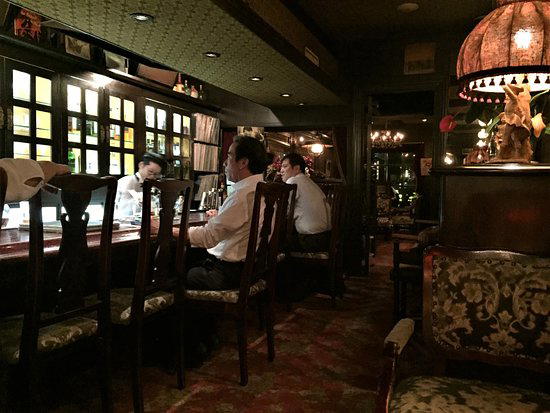
Casual and homey Hawaiian-style decor with relaxing, spacious seating and friendly service.
Know Before You Go
- Getting there
- Japan, 〒604-0861 Kyoto, Nakagyo Ward, Okuracho, 215 クリスタープラザエム 1F