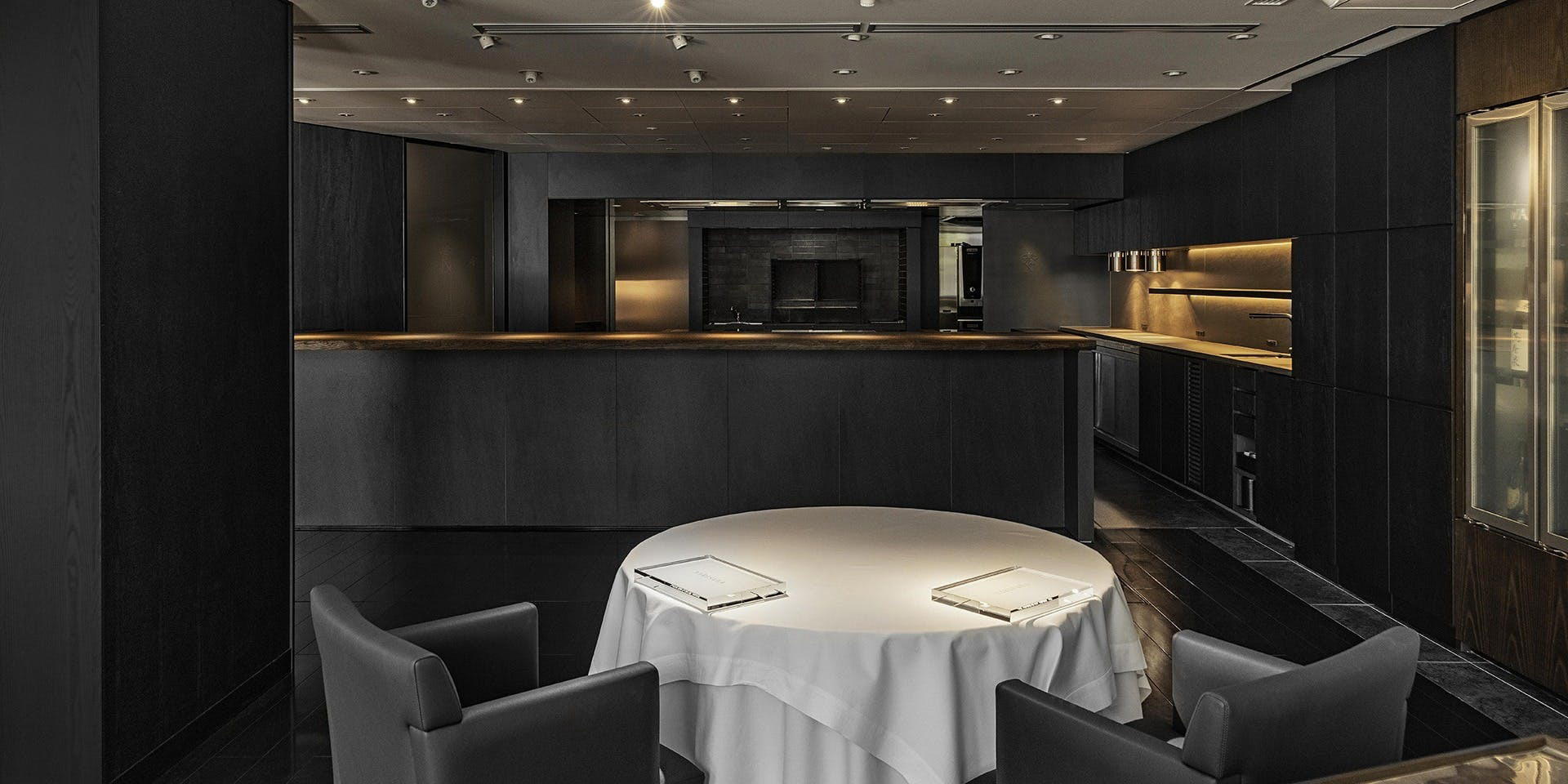
Nikusho Horikoshi is a Tokyo yakiniku address recognised by Opinionated About Dining in both 2023 and 2024, placing it among a small tier of Japanese barbecue restaurants that reward serious attention. Under chef Makoto Suetomi, the kitchen applies the kind of precision more commonly associated with kaiseki to premium grilled beef. For special-occasion dining, few formats in the city match the ritual and focus that a dedicated yakiniku counter provides.

Where Yakiniku Earns Its Place at the Occasion Table
Tokyo's yakiniku scene has spent the past decade sorting itself into distinct tiers. At the lower end, chain restaurants keep the format accessible and high-volume. In the middle, neighbourhood specialists compete on sourcing and hospitality. At the leading, a small cohort of addresses has quietly repositioned grilled beef as occasion dining, applying the sourcing discipline and service attention of kaiseki to a format that, in its mass-market form, looks like fast casual. Nikusho Horikoshi belongs to that upper cohort, with recognition from Opinionated About Dining in both 2023 (Highly Recommended) and 2024 (ranked #297 in the Leading Restaurants in Japan) marking its place in the national peer set.
That recognition matters not just as a signal of quality, but as context for who the room is built for. The guests choosing Nikusho Horikoshi for a birthday, an anniversary, or a business dinner are selecting a format where the theatre of grilling at the table carries genuine weight. Unlike an omakase counter, where the chef controls every variable, premium yakiniku places the ritual of the meal in the hands of the guest. That distinction shapes the occasion differently, and for many diners it makes the experience more personal rather than less.
The Format and What It Demands of the Diner
Premium yakiniku as a category rewards diners who approach it actively. The cuts arrive raw, aged to a specification, and the grilling is the performance. At restaurants operating in the tier Nikusho Horikoshi occupies, that performance is supported by staff guidance on timing and temperature, which is how the distinction between a good meal and a mediocre one is usually made in this format. A diner who has never encountered high-grade wagyu prepared this way will likely find the first visit instructive in ways that a conventional tasting menu cannot replicate.
Chef Makoto Suetomi heads the kitchen. In the Tokyo yakiniku market, the identity of the chef behind the operation has become a more visible credential as the format has moved toward the occasion-dining tier. Suetomi's presence at Nikusho Horikoshi aligns the restaurant with a pattern seen across Tokyo's specialist grilled-meat houses, where culinary authorship, not just sourcing contracts, defines the upper bracket. Comparable properties in this space include Jumbo Hanare and Nikuyama, both of which occupy similar territory in terms of serious attention to beef-focused menus.
Celebration Dinners in a City of Competing Formats
Tokyo offers more credible options for milestone meals than almost any other city on earth. The competition includes three-Michelin-starred kaiseki rooms, high-grade omakase sushi counters with four-figure price points, and French kitchens such as those represented by addresses like Cossott'e and Kiraku-Tei. Against that field, the case for choosing a yakiniku specialist for a significant occasion is specific: the format creates conversation. Seated around a table grill rather than watching a chef perform behind a counter, guests are drawn into the meal together. For group celebrations in particular, that participatory structure is difficult to replicate in other formats.
Yakiniku also carries cultural resonance in Tokyo that translates across both domestic and international diners. The format has its own history of restaurant evolution in Japan, shifting from communal post-war eating into a vehicle for premium beef culture as wagyu grading developed and the domestic beef industry matured across the late twentieth century. By the 2010s, the leading end of the Tokyo yakiniku market had begun drawing the kind of critical attention previously reserved for sushi and tempura. Nikusho Horikoshi's back-to-back OAD recognition suggests it arrived at, and has maintained, a position within that critical tier.
Placing Nikusho Horikoshi in the Wider Tokyo Dining Map
For visitors planning a multi-day Tokyo itinerary around serious eating, the OAD ranking offers a useful calibration tool. The list aggregates opinions from engaged diners and professionals, and the #297 national ranking in 2024 places Nikusho Horikoshi in a tier that includes some of the country's most carefully run rooms. Japan's broader fine-dining geography is anchored by addresses like HAJIME in Osaka and Gion Sasaki in Kyoto, with regional counterweights from akordu in Nara, Goh in Fukuoka, 1000 in Yokohama, and 6 in Okinawa. Within Tokyo itself, Nikusho Horikoshi's yakiniku specialism differentiates it from sushi-heavy or kaiseki-dominated shortlists. Diners working through our full Tokyo restaurants guide will find that grilled-meat specialists at this level occupy a distinct and underrepresented niche relative to the column inches devoted to sushi and ramen.
The yakiniku format also travels comparatively well across cultural contexts. The appeal of premium wagyu cooked at the table is legible to diners who have no prior exposure to Japanese cuisine conventions, which gives the format a different kind of accessibility at the occasion-dining tier. For reference, the format has established serious footholds in other cities: see Nikushou in Hong Kong and Gyu-Kaku Japanese BBQ in Los Angeles for how the category reads in different markets.
For Tokyo visitors whose itinerary extends beyond restaurants, our full Tokyo hotels guide, bars guide, wineries guide, and experiences guide provide the wider framework. Within the restaurant category, Kinryuzan represents another address worth considering alongside Nikusho Horikoshi when assembling a shortlist for significant meals.
Planning Your Visit
Google review data currently sits at 4.1 across 108 reviews, which in the context of a premium specialist restaurant in Tokyo is a reasonable signal of consistent execution rather than mass-market appeal. Premium yakiniku rooms in this tier typically require advance booking, particularly for weekend evenings and around holiday periods. Booking at least several weeks ahead is advisable for group occasions. The restaurant is located in Tokyo's Kanto region; specific address, hours, and booking contact details should be confirmed directly or through a concierge service.
Quick reference: Nikusho Horikoshi, Tokyo — yakiniku specialist, OAD Leading Restaurants in Japan #297 (2024), Google 4.1/108 reviews; advance reservations recommended for occasion dining.
Frequently Asked Questions
What is the signature dish at Nikusho Horikoshi?
Nikusho Horikoshi operates as a yakiniku specialist, meaning the menu centres on premium cuts of beef grilled at the table under the oversight of chef Makoto Suetomi. The cuisine type — high-grade Japanese barbecue , is the defining offering, and the OAD recognition in both 2023 and 2024 reflects the kitchen's standing within that category. Specific dish names and current menu composition are not confirmed in available data; contact the restaurant directly for the current format and cut selection.
Can I walk in to Nikusho Horikoshi?
At restaurants carrying OAD national recognition in Japan, walk-in availability on evenings suited to occasion dining is limited. Tokyo's premium yakiniku tier operates on a reservation basis, and addresses at Nikusho Horikoshi's ranking level are typically booked out several weeks in advance for prime-time seatings. Attempting to walk in is a low-probability strategy for the city's more formally recognised rooms. Booking ahead, particularly for group or celebratory visits, is the practical approach.
Need a table?
Our members enjoy priority alerts and concierge-led booking support for the world's most difficult tables.
Access the Concierge