

Tokyo’s serious yakiniku tier is less about theatre than control: cut selection, pacing over the grill, and how much responsibility the diner keeps at the table. Jumbo Hanare belongs in that conversation through its Hongo setting, Norimitsu Nanbara connection, 25-seat format, Tabelog 2026 Bronze status, and recurring placement in OAD’s Japan restaurant rankings.
Pearl is the En Primeur Club membership app — saves, bookings, and concierge access live there. Same editors, same standards.
- Address
- 3 Chome-27-9 Hongo, Bunkyo City, Tokyo 113-0033, Japan
- Phone
- +81 50-5487-7887
- Website
- yakiniku-jambo.com
- Directions
- Get directions
 Saves & bookings on Pearl
Hongo gives Tokyo dining a different register from Ginza or Azabu: university gravity, office-week rhythms, and fewer luxury signals around high-priced beef. That suits yakiniku, a meal built on proximity: the grill between diners, raw cut moving quickly to heat, and small decisions that decide whether beef tastes clean, sweet, smoky, or tired.
Tokyo’s upper yakiniku tier has become more technical over the past decade. Abundance, platters, and beer-hall informality now sit beside smaller rooms, stronger sourcing cues, sequenced cuts, and wine or sake lists that treat grilled beef as dinner rather than after-work fuel. Jumbo Hanare belongs to that tighter genre, with a 25-seat room, six counter seats, and private rooms that move the ritual from loud group cooking toward a controlled tasting format.
Yakiniku as a meal of timing, not spectacle
At this level, yakiniku is not just beef grade. Tokyo has many restaurants that can buy expensive wagyu; fewer pace a grill meal so fat, smoke, sauce, rice, and alcohol do not become monotonous. The diner has a role, but staff guidance, cut order, and grill management add value, especially where counter seating allows tighter supervision.
That frames Jumbo Hanare. Categorized as yakiniku and tripe, it sits inside the full Japanese barbecue tradition rather than a steakhouse-adjacent luxury category. Tripe signals a broader nose-to-tail vocabulary; in Tokyo yakiniku culture, offal is not secondary but a measure of confidence, because texture, heat, and seasoning allow less margin for error than marbled loin.
The awards trail is telling. Jumbo Hanare holds a Tabelog Award 2026 Bronze, after Silver awards in multiple prior years, and appears in the 2026 Opinionated About Dining Top Restaurants in Japan Ranked list. Those signals do not make the room formal, but they explain why it is not priced or judged against casual grill restaurants. It sits in a Tokyo group where yakiniku competes with tasting-menu dining for money and advance planning while keeping self-cooked beef as its grammar.
Comparison clarifies the category. Sumibiyakiniku Nakahara, Ushigoro, Yakiniku Ginza Cobau, Raimon, and Yoroniku Azabudai Hills each show a different version of Tokyo premium beef culture, from counter-led precision to polished group dining. Jumbo Hanare is more intimate than the larger-brand end and less show-driven than some high-profile beef rooms. The point is execution, not novelty: fewer seats, a Hongo address, and sustained local recognition.
Hongo changes the expectation of luxury
Tokyo diners often read a restaurant through its neighbourhood before the first course. Ginza suggests ceremony, Ebisu ease, Nishi-Azabu late-night spending. Hongo, around Hongo-Sanchome, feels practical rather than performative, making a serious yakiniku dinner feel less staged for visitors and more like a Tokyo regular’s allocation of time and money.
The room should be read that way. A 25-seat format with private rooms for four and six creates two meals in one address: counter dining for a closer read on pacing, and private-room dining for business, family, or friends who want the grill as a shared table ritual. The no-smoking policy also changes a genre where smoke was once part of the social contract. Contemporary Tokyo yakiniku increasingly separates grill aroma from tobacco haze, helping the category enter higher price bands without losing its identity.
Chef Norimitsu Nanbara’s name works less as biography than as lineage within the Jumbo beef universe. Tokyo often turns chef identity into shorthand, especially in sushi and kaiseki, but yakiniku depends on systems as much as personalities: procurement, butchery, sauce, grill handling, and the sequence of richness. The chef credential gives authority; the meal succeeds when that authority becomes timing at the table.
For travellers, this is a different night from a sushi counter or French-Japanese tasting menu. Yakiniku asks for participation and rewards diners who know high-end beef is not improved by rushing. The meal works when leaner cuts, fattier cuts, offal, rice, and drinks create contrast rather than escalation. Jumbo Hanare corrects the idea that Japanese luxury dining always means silence, chef-led choreography, and minimal diner agency.
How to place it in a Tokyo dining plan
The practical case is clear. Dinner sits in the JPY 15,000 to JPY 19,999 range, credit cards are accepted, and electronic money or QR code payments are not. The restaurant opens nightly in the evening with a later last order, and its Hongo address suits diners staying around Ueno, Marunouchi, Ochanomizu, or northern central Tokyo more than those building a night around Roppongi or Shibuya.
Reservations are available, and late arrivals at 9:30 PM have a 90-minute seating duration. Requests and courses for “Nanbara” are handled through Shoku Oku rather than regular reservations, important for diners choosing between a standard yakiniku dinner and the more specific chef-linked format. Parking is not provided, though coin parking is nearby; in Tokyo, rail or taxi planning is usually cleaner.
The drinks fit the category: sake, shochu, and wine are listed, with wine emphasized. That is now common in upper-tier yakiniku, where marbling needs acidity, bitterness, or alcohol structure rather than sweetness alone. Families are accepted, making this more flexible than many premium Tokyo counters, though the price band and grill format favor children who can sit through a paced dinner.
Readers comparing Tokyo beef options can use Jumbo Hanare as a middle path between polished group yakiniku and more chef-controlled grill dining. For a wider view of the city’s restaurant field, start with Our full Tokyo restaurants guide, then compare the yakiniku lane through Cossott’e, Kinryuzan, Kiraku-Tei, Nikusho Horikoshi, and Nikuyama. For trip planning around the meal, use Our full Tokyo hotels guide, Our full Tokyo bars guide, Our full Tokyo wineries guide, and Our full Tokyo experiences guide. For broader Japan and yakiniku context, see -Grilled beef Sukiyaki- KAMAKURA TANUKIAN 鎌倉 たぬき庵 in Kamakura.cafe in Osaka.know in Kumamoto, (Shoku) Vietnam in Kawasaki, [Curry Senmon Ten] Maruyama Kyoju. in Sapporo, [ki:] in Kyoto, Gyu-Kaku Japanese BBQ, Yakiniku in Los Angeles, and Keiraku Yakiniku Pome, Yakiniku in Osaka.
A Tight Comparison
Comparable venues by cuisine and price in the same metro.
| Venue | Cuisine |
|---|---|
| Jumbo HanareThis venue — the venue you are viewing | Yakiniku |
| Sumibiyakiniku Nakahara | Yakiniku |
| Ushigoro | Yakiniku |
| Yakiniku Ginza Cobau | Yakiniku |
| Raimon | Yakiniku |
| Yoroniku Azabudai Hills | Yakiniku |
Recognition history
Dated appearances from independent guides and award organizations, with the underlying list record or original source where available.
Opinionated About Dining Top Restaurants in Japan Ranked #83
Opinionated About Dining
Tabelog Bronze #144
Tabelog
Opinionated About Dining Top Restaurants in Japan Ranked #51
Opinionated About Dining
Tabelog 100 #92 · No. 92
Tabelog · Tabelog 100 - Yakiniku - TOKYO - 2025
Tabelog Silver
Tabelog
Opinionated About Dining Top Restaurants in Japan Ranked #40
Opinionated About Dining
Opinionated About Dining Top Restaurants in Japan Ranked #30
Opinionated About Dining








At a Glance
- Elegant
- Sophisticated
- Intimate
- Cozy
- Date Night
- Business Dinner
- Group Dining
- Special Occasion
- Chefs Counter
- Private Dining
- Open Kitchen
- Sake Program
Current opening hours
- Monday
- 5–11 PM
- Tuesday
- 5–11 PM
- Wednesday
- 5–11 PM
- Thursday
- 5–11 PM
- Friday
- 5–11 PM
- Saturday
- 5–11 PM
- Sunday
- 5–11 PM
Hours can change for holidays and private events. Last verified .
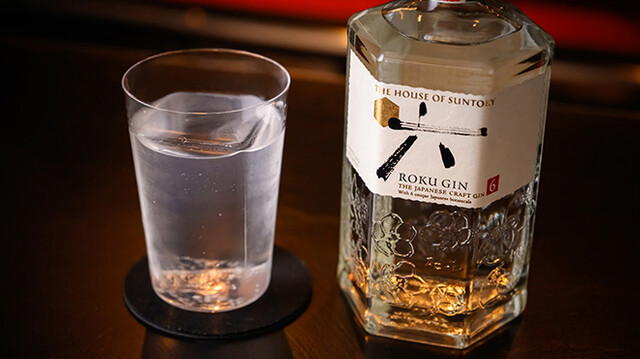
Refined and tranquil atmosphere in a stylish space with counter seating and private rooms, offering warm attentive service.
Know Before You Go
- Reservations
- Essential
- Dress code
- Smart casual
- Getting there
- 3 Chome-27-9 Hongo, Bunkyo City, Tokyo 113-0033, Japan