
Tabelog 100 #85
Our verdict
Ukai-tei Azamino sits in Yokohama's Aoba Ward as part of the respected Ukai Group, a name that has long been associated with premium teppanyaki and the careful sourcing of Japanese ingredients. The restaurant positions itself in the upper tier of Yokohama dining, where provenance and craft technique carry more weight than spectacle.

Pearl is the En Primeur Club membership app, where members save venues, book tables and use the concierge.
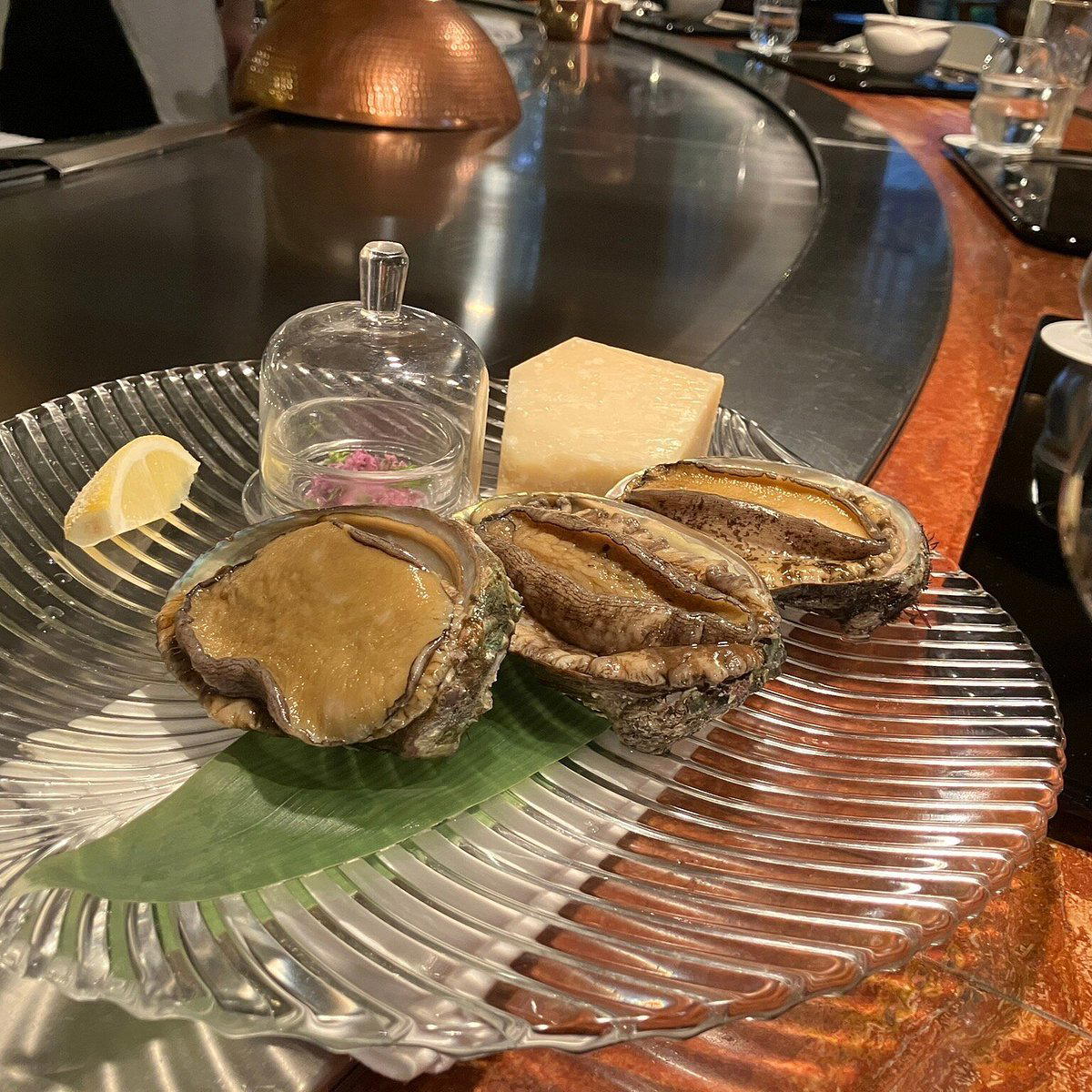
The menu
What to order
- Japanese Black Beef Teppanyaki
- Seasonal Seafood and Vegetables
Where Aoba Ward Meets the Ukai Standard
Yokohama's dining identity is more layered than its proximity to Tokyo suggests. The city draws on its port history, its Chinatown, the largest in Japan, and a residential suburban sprawl that has produced some of the country's more quietly serious dining rooms. Aoba Ward sits at the outer edge of that suburban spread, closer to the Tokyu Den-en-toshi line's commuter rhythm than to the waterfront bustle of Minato Mirai. It is precisely the kind of neighbourhood where a restaurant earns its reputation not through foot traffic or tourist proximity, but through the loyalty of a local clientele that chooses to make a journey.
Ukai-tei Azamino draws on the broader Ukai Group's identity, a collection of venues across Japan built around teppanyaki and the sourcing discipline that serious teppanyaki demands. The group's approach has always placed the quality of raw ingredients, and their traceability, at the centre of the experience, rather than treating the tableside cooking theatrics as the main event. That orientation aligns Ukai-tei Azamino with a particular tradition in Japanese dining: one where what arrives on the hot plate matters more than the performance around it.
The Sourcing Logic Behind Teppanyaki at This Level
Teppanyaki is, at its core, a format that strips away concealment. A sauce cannot compensate for a mediocre cut; a resting period cannot rescue poorly raised beef. The flat iron surface conducts heat so directly and visibly that the quality of the ingredient is the quality of the dish. This is why the premium end of Japan's teppanyaki tradition has always been inseparable from a commitment to high-grade domestic beef, most often from Wagyu bloodlines with documented regional provenance, alongside seasonal vegetables and seafood sourced with comparable specificity.
The Ukai Group's reputation rests substantially on this sourcing discipline. Across its venues, the group has maintained relationships with producers whose output is limited and whose standards are verifiable. This is the same supply-chain logic that runs through Japan's most demanding culinary formats: the kind seen at serious kaiseki houses like Gion Sasaki in Kyoto or at the ingredient-driven precision of HAJIME in Osaka. The format differs, but the underlying conviction, that the ingredient is the argument, runs across all of them.
Yokohama itself has a strong tradition of ingredient-first dining. Nakajo in the city operates within the same ethos in sushi, where the daily fish selection defines the meal. Nodaiwa (野田岩) brings similar seriousness to eel. What distinguishes Ukai-tei Azamino is that it carries this philosophy into teppanyaki, a format sometimes dismissed as hotel-dining spectacle, and applies it with the rigour the group's name implies.
The Dining Room and What to Expect
The Ukai Group's teppanyaki rooms are typically designed around the counter as the central object: a surface that doubles as kitchen and table, with diners seated close enough to read the heat of the iron and observe the handling of the protein. The spatial logic is deliberate. It removes the distance between preparation and consumption that most formal dining formats maintain, replacing it with a transparency that rewards attention.
In a category where peer comparison matters, Ukai-tei Azamino occupies a tier above casual teppanyaki chains and sits alongside venues where the beef grade, the sourcing documentation, and the cook's technique are understood as the value proposition. That positions it differently from, say, the yakitori-led experience at 1000 (Yakitori) in Yokohama, which operates in a different price range and format, or the dim sum tradition at Manchinro Tenshinpo (萬珍樓 點心舗). Each of these venues reflects a distinct culinary lineage; Ukai-tei Azamino's is rooted in the premium teppanyaki tradition that the Ukai Group has maintained across decades.
For context on how ingredient sourcing works at the precision end of the Japanese dining spectrum elsewhere in the country, Harutaka in Tokyo and akordu in Nara each demonstrate the same underlying logic applied to different formats. The standard is national; the expression is local.
Planning a Visit to Aoba Ward
Ukai-tei Azamino is located at 2 Chome-14-3 Azaminominami in Aoba Ward, Yokohama. The address places it squarely in a residential district rather than a dining quarter, which means first-time visitors should confirm transport and directions in advance. The nearest access point is Azamino Station, served by both the Tokyu Den-en-toshi Line and the Yokohama Municipal Subway Blue Line, a useful dual connection that makes the journey manageable from central Yokohama or from Tokyo's Shibuya.
Because venue-specific operational details, including current hours, pricing, and booking procedures, are subject to change, the most reliable approach is to contact Ukai-tei Azamino directly before visiting. For a restaurant at this level, advance reservation is the sensible assumption; walk-ins at premium teppanyaki rooms in Japan are rarely accommodated without prior arrangement. Visitors with dietary restrictions or allergen concerns should raise these at the point of booking, not on arrival, to allow the kitchen to prepare appropriately.
For broader orientation across Yokohama's dining scene, including other venues in different price tiers and culinary traditions, see our full Yokohama restaurants guide. The city's range is wider than most international visitors realise, and Aoba Ward's quieter register is just one of several distinct characters across the metropolitan area.
Other Ukai Group properties and the wider premium dining circuit in Japan include venues whose ethos is comparable even where the format differs: Goh in Fukuoka pursues a similarly disciplined relationship with local producers, and Enishi in Yokohama itself offers another point of reference within the city's upper dining tier. For those exploring Japan's regional dining depth beyond the major urban centres, 一本木 名川製 in Nanao, 湖畔庵 in Takashima, and 庄羽屋 in Nishikawa Machi each illustrate how Japan's sourcing-first dining culture extends well beyond its major cities. For comparison at an international level, the ingredient rigour seen at Le Bernardin in New York City or the product discipline at Atomix in New York City reflects the same foundational priority, expressed through entirely different culinary traditions.
Frequently asked questions
Where is Ukai-tei Azamino in Yokohama?
Ukai-tei Azamino is located at 2 Chome-14-3 Azaminominami, Aoba Ward, Yokohama, Kanagawa 225-0012, Japan, Yokohama.
Is Ukai-tei Azamino accessible from central Yokohama or Tokyo?
The restaurant sits in Aoba Ward at 2 Chome-14-3 Azaminominami, a residential neighbourhood that requires a deliberate journey rather than a casual detour from Yokohama Station or Minato Mirai. Azamino Station on the Yokohama Municipal Subway Blue Line and the Den-en-toshi Line serves the area, placing the venue roughly 30–40 minutes from Shibuya by rail. Guests travelling from Tokyo should factor in transit time when planning around a structured counter seating.
What's the signature dish at Ukai-tei Azamino?
Ukai-tei's format is built around premium beef, Wagyu grilled directly on the teppan counter, but the specific cuts and preparations are set by the kitchen and may vary. The Ukai Group's teppanyaki counters across Japan are known for sourcing at the top of the Wagyu grade structure, so the beef course is consistently the centrepiece. Confirm current menu details when making your reservation.
Do I need a reservation for Ukai-tei Azamino?
Reservations are strongly advisable. Ukai Group properties operate structured counter seatings rather than open walk-in dining rooms, and demand at Aoba Ward locations tends to run ahead of casual availability. The address, 2 Chome-14-3 Azaminominami, places the restaurant outside Yokohama's central tourist circuit, meaning most guests arrive with a booking already confirmed.
What has Ukai-tei Azamino built its reputation on?
Ukai-tei Azamino draws its authority from the broader Ukai Group, which operates some of Japan's most consistently regarded teppanyaki and kaiseki venues. The Azamino location extends that standard into Yokohama's Aoba Ward, where the counter format and sourcing approach remain in line with the group's other properties. Teppanyaki at this tier earns its standing through ingredient quality and technique visible at arm's length, there is no kitchen wall to hide behind.
Do they accommodate allergies at Ukai-tei Azamino?
Allergy and dietary requirements should be communicated at the time of booking rather than on arrival. Teppanyaki counter formats require advance preparation because the cooking sequence is often structured and ingredients are portioned ahead of service.
In Context: Similar Options
Comparable venues nearby, for context on price, style, and recognition.
| Venue | Cuisine | Price | Awards | Notes |
|---|---|---|---|---|
| Ukai-tei AzaminoThis venue (the venue you are viewing) | French-Japanese Teppanyaki Fusion | $200–300 | Tabelog 100 #85 | Not listed |
| なか條 | Edomae Sushi Omakase | $300–500 | Tabelog Bronze #305 | Naka |
| Tempura Fukunishi Zen to Takumi | Seasonal Tempura | Not listed | Tabelog 100 #3 | Nishi |
| Teppanyaki Hanagoyomi | Luxury Japanese Teppanyaki | $100–150 | Tabelog 100 #97 | Nishi |
| Sumibi Kappou An | Charcoal-fired Seasonal Japanese Kaiseki (Sumibi Kappo) | $100–150 | Tabelog 100 #4 | Naka |
| Oishi | Premium Wagyu Yakiniku | $50–100 | Tabelog 100 #86 | Hodogaya |
Recognition history
Dated appearances from independent guides and award organizations, with the underlying list record or original source where available.
Tabelog 100 #85 · No. 85
Tabelog · Tabelog 100 - Steak / Teppanyaki - EAST - 2025
Continue exploring
More in Yokohama
Restaurants in Yokohama
All restaurants in Yokohama →


Bars in Yokohama
Browse all →


Hotels in Yokohama
All hotels in Yokohama →

Wineries in Yokohama
Browse all →
Details
- Elegant
- Romantic
- Classic
- Sophisticated
- Scenic
- Date Night
- Special Occasion
- Celebration
- Business Dinner
- Chefs Counter
- Garden
- Open Kitchen
- Private Dining
- Historic Building
- Design Destination
- Extensive Wine List
- Sommelier Led
- Local Sourcing
- Garden
- Tasting Menu
- Set Menu
- Counter Dining
- Wine
- Sake
- Allergy Accommodating
Current opening hours
- Monday
- 11:30 AM–1:30 PM, 5:30–9:30 PM
- Tuesday
- Closed
- Wednesday
- Closed
- Thursday
- 11:30 AM–1:30 PM, 5:30–9:30 PM
- Friday
- 11:30 AM–1:30 PM, 5:30–9:30 PM
- Saturday
- 11:30 AM–1:30 PM, 5:30–9:30 PM
- Sunday
- 11:30 AM–1:30 PM, 5:30–9:30 PM
Hours can change for holidays and private events. Hours as of .
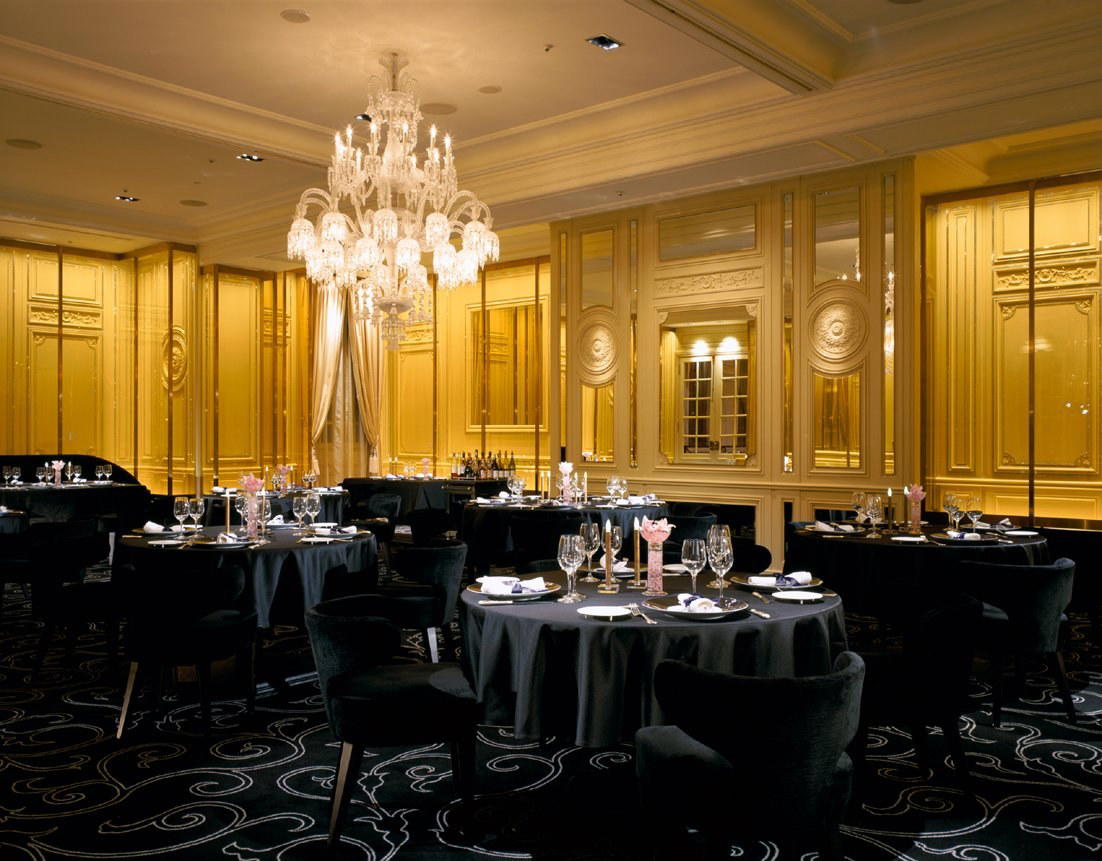
Grand, rustic-elegant interiors with art-nouveau and Japanese aesthetic elements; warm lighting from lacquered beams and mosaic tile accents; garden views from every room creating a serene, museum-like atmosphere.