In Kanagawa's Naka Ward, なか條 occupies a ground-floor space in the Sumiyoshi building on a street that sits between Kannai's business district and Yokohama's older commercial fabric. Against a Yokohama dining scene increasingly split between Chinatown spectacle and high-floor hotel dining, なか條 positions itself in the quieter, counter-led tier that rewards those who look past the obvious.
Pearl is the En Primeur Club membership app — saves, bookings, and concierge access live there. Same editors, same standards.
- Address
- Japan, 〒231-0013 Kanagawa, Yokohama, Naka Ward, Sumiyoshicho, 3 Chome−3−29 関内住吉ビル 1F 関内住吉ビル1b号
- Phone
- +81456719300
- Website
- kannai-nakajo.jp
 Saves & bookings on Pearl
The Space Before the Food
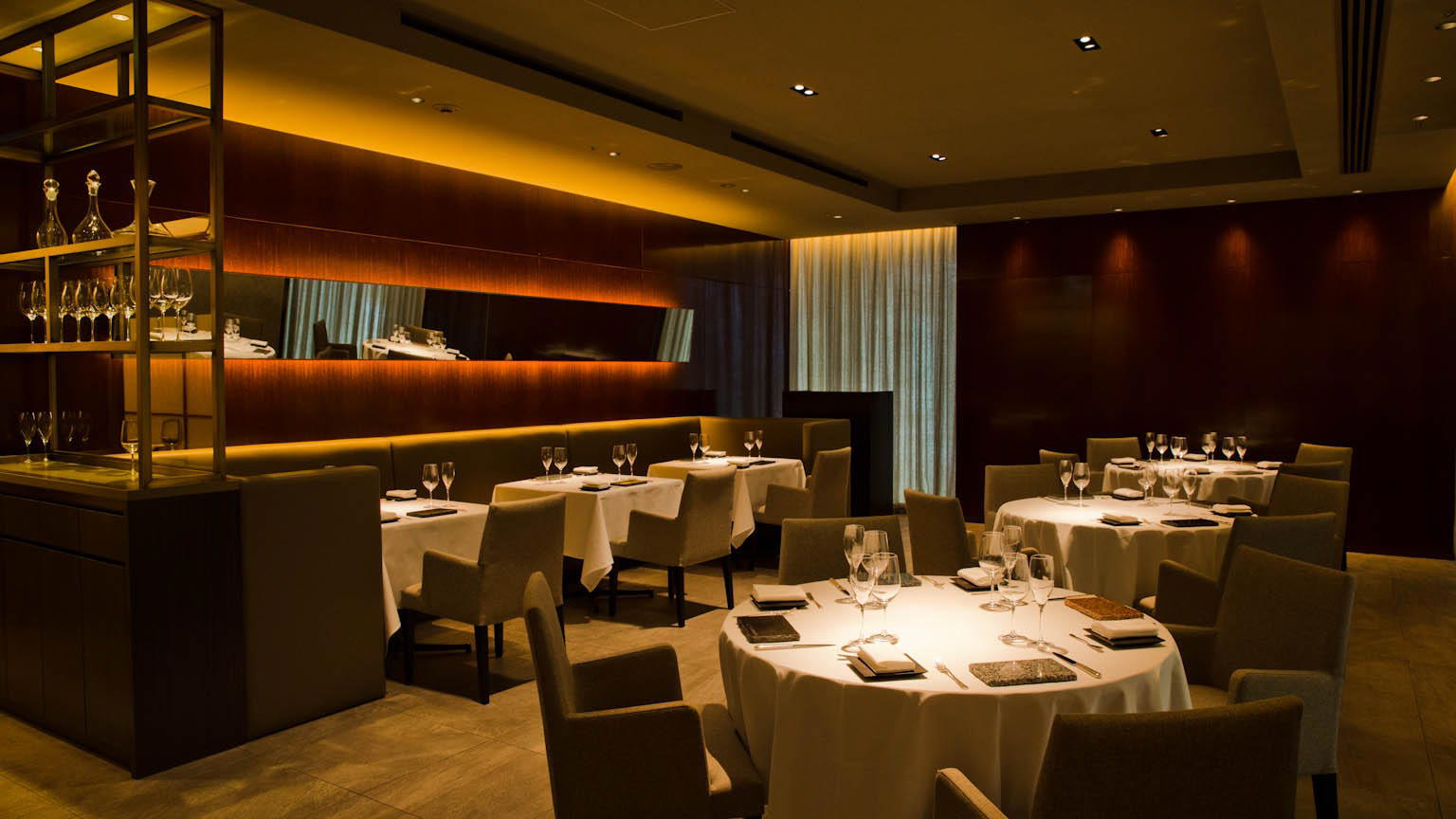
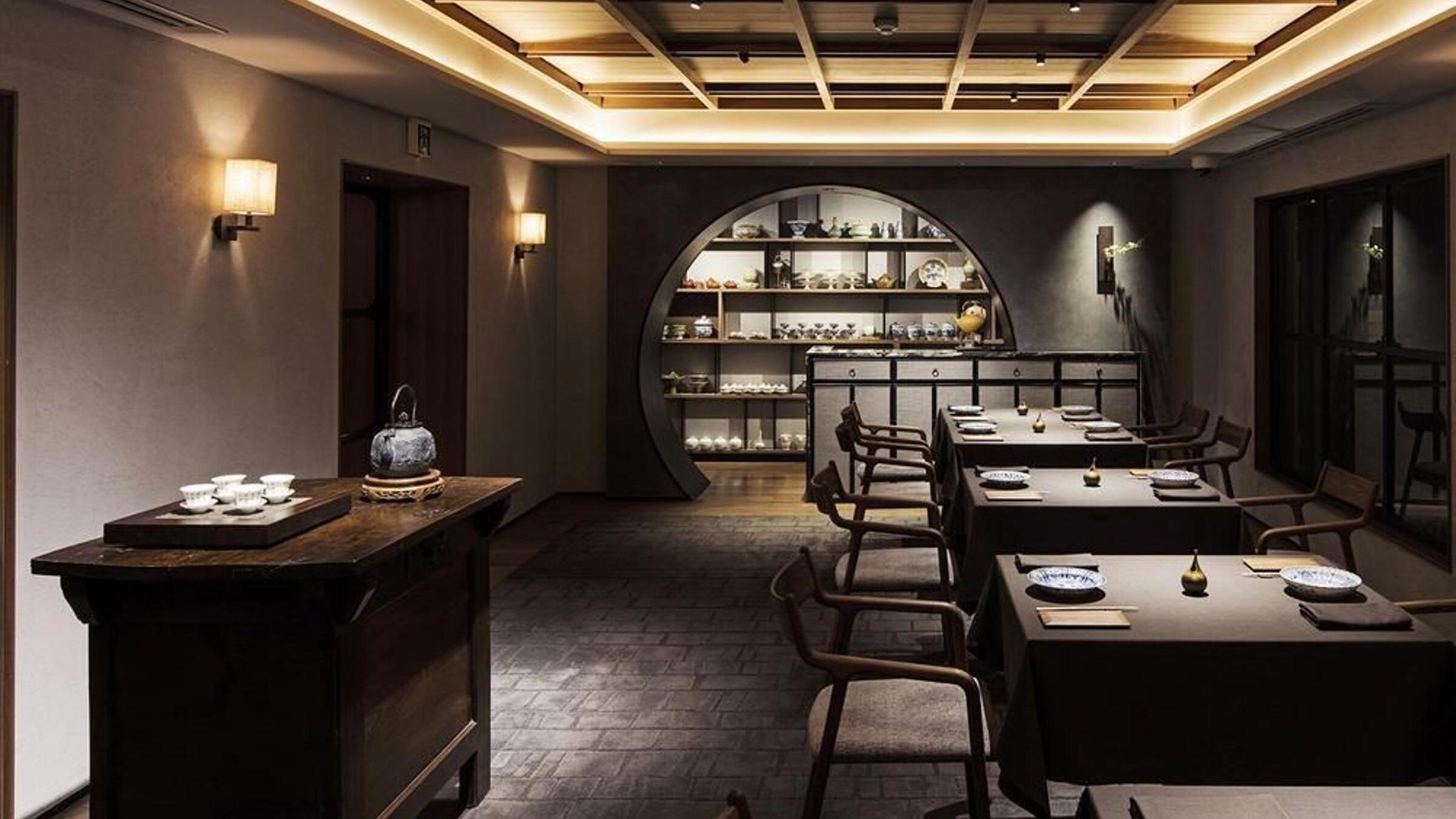
Yokohama's Naka Ward produces a particular kind of dining address: ground-floor rooms in low-rise commercial buildings along streets that read as workaday until you're inside. Sumiyoshicho, where なか條 occupies unit 1B of the Kannaizumiyoshi Building at 3 Chome-3-29, fits this pattern exactly. From the street, the building gives nothing away. The neighbourhood sits between Kannai station's business-district pulse and the quieter residential gradient that slides toward the bay, making it neither tourist-obvious nor entirely off the map for those who follow the counter-dining circuit that runs through central Yokohama.
This kind of address is, in Japan, often a deliberate signal. The design and spatial logic of venues in this tier tend to prioritise the room's interior relationship over its street presence. What happens once the door closes, the counter arrangement, the sight lines to the kitchen, the acoustic register, matters more than the facade. Japan's most considered dining spaces often operate this way, where spatial restraint outside is offset by precision within. Harutaka in Tokyo and Gion Sasaki in Kyoto represent this approach at recognised levels: rooms that read small and unassuming from outside, calibrated for the experience once seated.
Where なか條 Sits in Yokohama's Counter-Dining Tier
Yokohama's restaurant scene is broader and more internally varied than its shadow status beside Tokyo suggests. The city has its own sushi lineages, its own yakitori circuit, and a Chinese-Japanese culinary overlap shaped by the Chinatown district that has no direct equivalent elsewhere in Japan. Within that, the counter-led, specialist-format venues that occupy the mid-to-upper tier form a distinct cohort. Nakajo (Sushi) anchors the sushi end of this grouping. 1000 (Yakitori), priced in the JPY 15,000 to 19,999 range, represents the yakitori equivalent. Manchinro Tenshinpo occupies the dim sum and Chinese-influenced register. なか條 operates in this same tier of address: a ground-floor room in Naka Ward, positioned for the kind of diner who navigates Yokohama's eating options through recommendation rather than foot traffic.
Against the broader Japan dining network, the counter-format specialist sits in a competitive set that includes venues like HAJIME in Osaka, Goh in Fukuoka, and akordu in Nara, each positioned in cities where the dining scene is serious but operates at a different tempo and register than Tokyo. Yokohama shares this characteristic: a city with its own dining identity, where a specialist room in a commercial building can carry real weight without requiring the Michelin-trail visibility that drives Tokyo's upper tier.
The Architecture of the Counter Experience
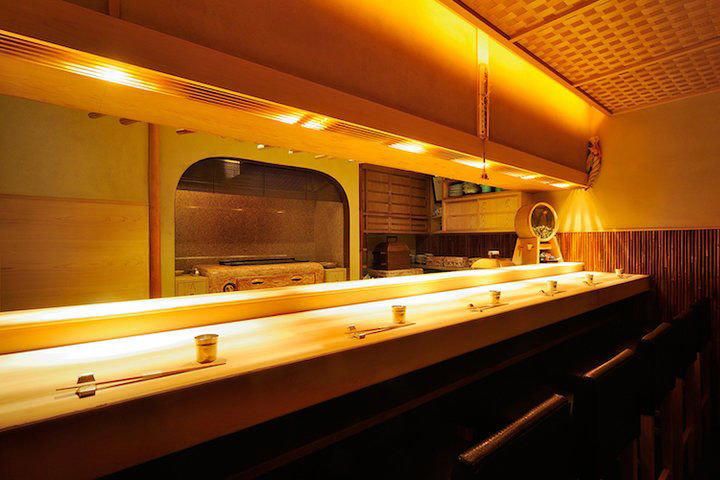
Ground-floor counter venues in Japan's mid-to-upper dining tier have developed a consistent spatial logic over the past two decades. The counter itself functions as the room's primary architectural element: it determines sight lines to the kitchen, controls the acoustic environment, and structures the interaction between guest and cook. Seating counts in this format tend to run small, typically eight to fourteen covers, which keeps the room at a register where individual attention remains feasible and the experience doesn't drift toward the impersonal pacing of a larger dining room.
The Kannaizumiyoshi Building's unit 1B configuration, a ground-floor space in a multi-tenant commercial building, is a format that appears consistently across Yokohama's serious independent restaurants. Nodaiwa (野田岩) and Enishi occupy comparable positions in the city's specialist tier. What these addresses share is a prioritisation of the room's internal environment over street-level visibility, a trade made consistently by venues that rely on return visits and word of mouth rather than walk-in volume.
For comparison, venues operating in Japan's regional cities at this spatial and pricing tier often share the characteristic that the room itself is the primary communication of intent. 一本杉 川嶋料理 in Nanao and 湖畔荘 in Takashima demonstrate how regional Japanese dining spaces use containment and focus as design strategies, letting the room's scale and arrangement carry the signal that a larger, more conspicuous venue might deliver through visual spectacle.
Reading the Address: Sumiyoshicho and Its Context
Sumiyoshicho sits within Naka Ward, Yokohama's administrative and historical centre. Kannai, the adjacent area, has a long association with business dining and with the kind of specialist restaurant that opens near a professional district and builds its clientele from repeat visitors rather than tourists. The address places なか條 in walking distance of Kannai station on the JR Negishi Line and Yokohama Municipal Subway Blue Line, which makes it accessible from central Yokohama without the navigational effort that some of the city's outlying dining addresses require.
Naka Ward dining, at the counter-led specialist level, differs from the Chinatown cluster to the east and from the hotel-based dining options concentrated near Yokohama station to the west. It occupies a middle ground: local enough to draw regulars, central enough to attract visitors who know to look for it. For readers building a Yokohama itinerary, this is the tier and neighbourhood to engage with once the obvious entries, the Chinatown restaurants, the bay-view hotel dining rooms, have been mapped.
Positioning Against the Wider Circuit
Japan's counter-dining format has attracted sustained international attention over the past decade, partly because the structural logic of the omakase or tasting-counter room translates well across cuisines and cities. Venues like Le Bernardin in New York City and Atomix in New York City represent the Western equivalent of this precision-format approach, where the room's architecture, the pacing of service, and the counter-as-stage logic all point in the same direction. In Japan, the format has deeper roots and a wider distribution across city types and price tiers.
Yokohama's version of this circuit runs from recognised names to quieter, less-documented addresses. 古仁屋山乃 in Sapporo and 羽根屋 in Nishikawa Machi demonstrate how this format distributes across Japan's regional cities, each operating in a local context with its own pricing and booking logic. Birdland in Sakai represents the yakitori end of the same counter-specialist spectrum. なか條, at Sumiyoshicho 3 Chome, belongs to this distributed network of addresses that reward prior knowledge over spontaneous discovery.
Planning a Visit
なか條 is located at 3 Chome-3-29 Sumiyoshicho, Naka Ward, Yokohama, Kanagawa, in unit 1B of the Kannaizumiyoshi Building. Given the ground-floor commercial building format and the specialist-tier positioning typical of this address type in Yokohama, advance contact and reservation is the practical approach; walk-in availability at counter-format venues in this tier and neighbourhood is limited, and the room's likely small capacity makes prior booking the norm rather than the exception. Reservations are essential.
At a Glance
Comparable venues nearby, for context on price, style, and recognition.
| Venue | Cuisine | Price | Notes |
|---|---|---|---|
| なか條This venue — the venue you are viewing | Naka, Edomae Sushi Omakase | $$$$ | Not listed |
| Arai Ya Bankokubashi ten | Not listed | $$$ | Naka, Traditional Yokohama sukiyaki & gyu-nabe |
| Chiba Hanare | Kanagawa, Yakitori | $$$ | Not listed |
| Tempura Fukunishi Zen to Takumi | Nishi, Seasonal Tempura | $$$ | Not listed |
| Teuchi Soba Fuurai Kyo | Not listed | $$$ | Aoba, Seasonal Handmade Soba & Soba Kaiseki |
| Yakitori Midori | Naka, Yakitori Omakase | $$$ | Not listed |









At a Glance
- Elegant
- Intimate
- Sophisticated
- Special Occasion
- Business Dinner
- Date Night
- Chefs Counter
- Sake Program
- Local Sourcing
Current opening hours
- Monday
- 5:30–10:30 PM
- Tuesday
- 5:30–10:30 PM
- Wednesday
- 5:30–10:30 PM
- Thursday
- 5:30–10:30 PM
- Friday
- 5:30–10:30 PM
- Saturday
- 5:30–10:30 PM
- Sunday
- Closed
Hours can change for holidays and private events. Last verified .
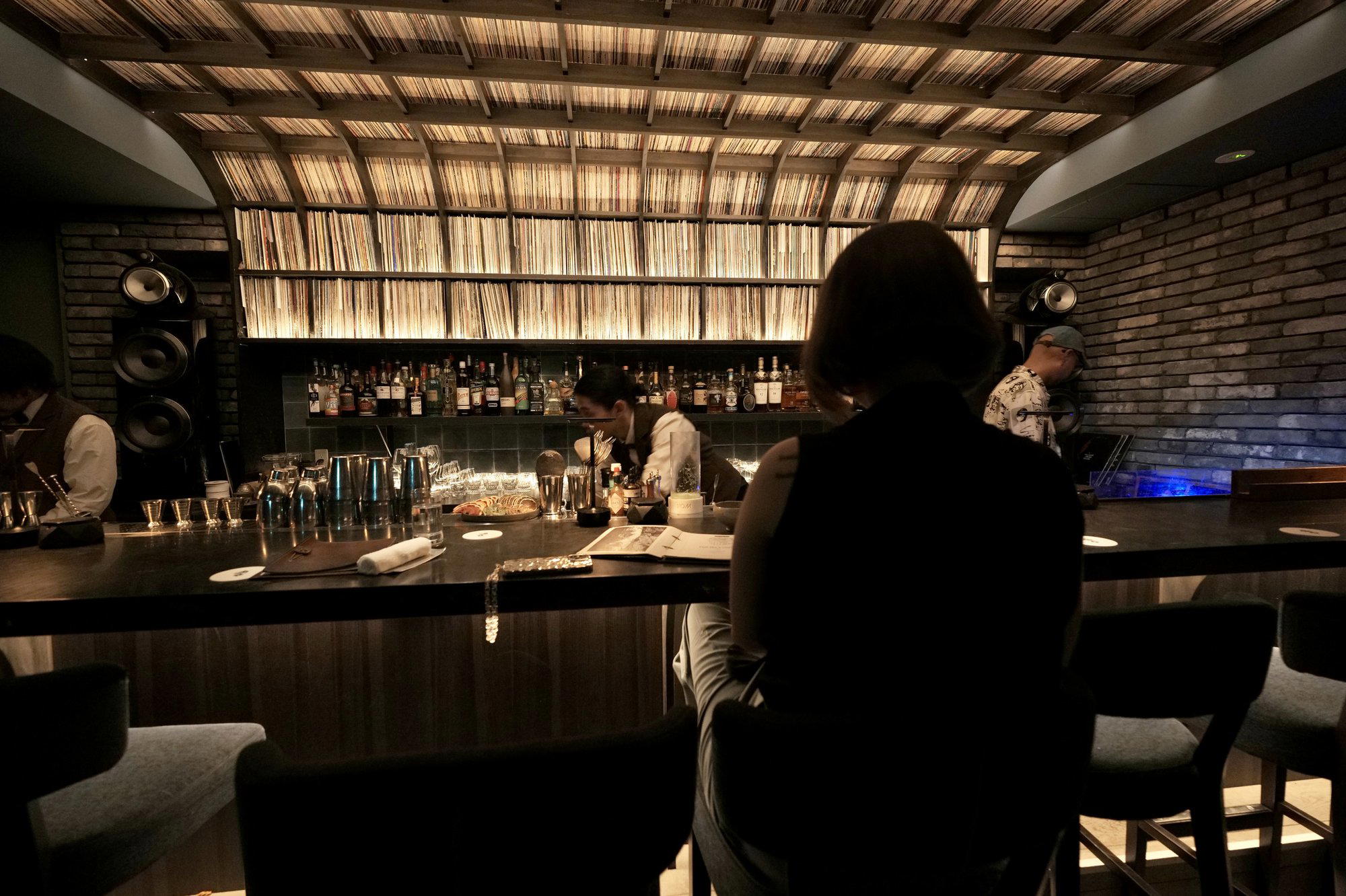
Cozy counter seating with a bright, welcoming atmosphere led by the friendly owner, creating an unpretentious yet refined dining experience.