

La Liste Top Restaurants
Our verdict
A kaiseki counter in Motoakasaka's quieter business district, Tsujitome has accumulated consistent recognition on Opinionated About Dining's Japan rankings and La Liste's global list, placing it firmly within Tokyo's mid-to-upper tier of traditional Japanese dining. Under chef Yoshikazu Tsuji, it serves lunch and dinner six days a week in a basement setting that sits apart from the high-footfall kaiseki corridors of Ginza and Akasaka proper.

Pearl is the En Primeur Club membership app, where members save venues, book tables and use the concierge.
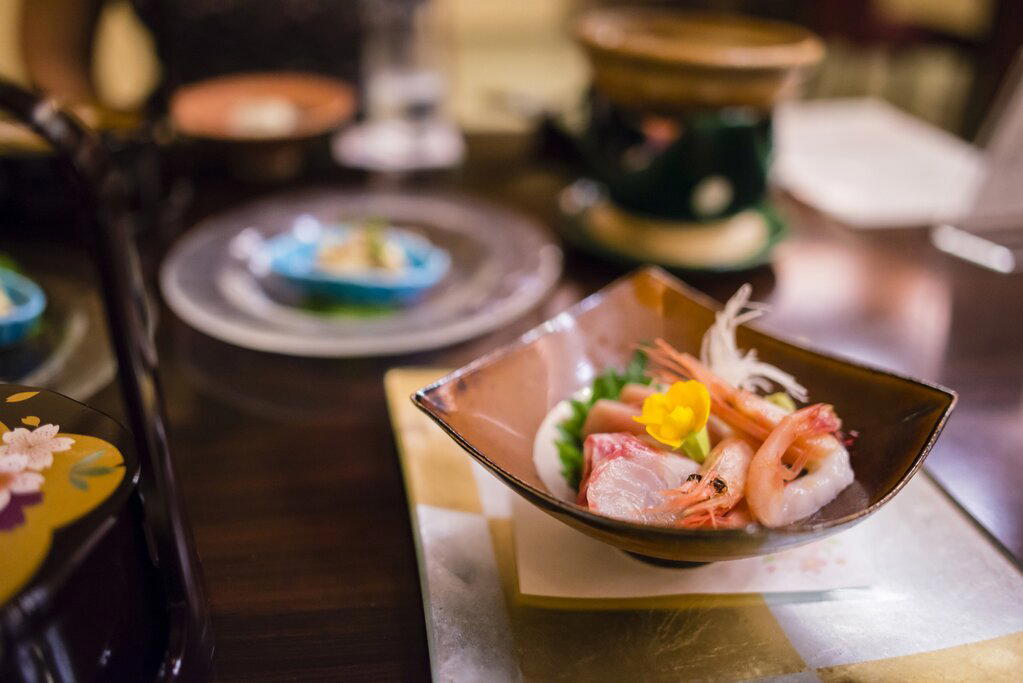
Motoakasaka and the Geography of Tokyo Kaiseki
Tokyo's kaiseki scene concentrates around a handful of distinct nodes. Ginza pulls the most obvious prestige dining, Kagurazaka carries a quietly serious French-Japanese crossover tradition, and Akasaka proper hosts a cluster of established Japanese restaurants with long corporate clientele rosters. Motoakasaka sits adjacent to that last zone, close enough to share its professional customer base, removed enough to operate without the foot traffic or tourist pressure that increasingly shapes the experience at higher-profile addresses.
Tsujitome occupies a basement unit in the Toranoko Dai-2 Building on Motoakasaka 1-chome, a quiet block between the outer edges of the Akasaka entertainment district and the gentler residential streets leading toward Aoyama. The basement placement is common among serious Tokyo kaiseki rooms, which often prefer controlled light and acoustic separation over street-level visibility. In this part of Minato City, that positioning signals a room built around the returning diner rather than walk-in discovery.
A Consistent Track Record Across Three Years
Tsujitome's standing on two of the more data-intensive dining ranking systems tells a readable story. On Opinionated About Dining's Japan list, the restaurant moved from a Highly Recommended designation in 2023 to a ranked position at #382 in 2024, then held a ranked place at #552 in 2025 as the overall list expanded. La Liste, which aggregates critic scores across multiple publications and guide systems, placed it in the Leading Restaurants category for 2025 with a score of 84.5 points, a benchmark that generally aligns with properties receiving sustained recognition from at least two independent critical sources.
That progression is more meaningful than a single placement. OAD rankings in Japan are compiled from a large base of gastronome votes weighted by frequency of dining, and consistent appearance across three consecutive years suggests a stable, reliable kitchen rather than a one-season spike. Among peers tracked in the same tier, restaurants like Kikunoi Tokyo and Hirosaku, Tsujitome sits in a bracket where the experience is shaped by discipline and repetition rather than spectacle or novelty.
The Kaiseki Format and What Motoakasaka Does With It
Kaiseki in Tokyo operates across a wider register than its Kyoto originator. Kyoto kaiseki, exemplified by houses like Ifuki and Ankyu, tends toward strict seasonality and a ceremonial pacing that reflects proximity to the temple and tea tradition from which the format evolved. Tokyo interpretations frequently adapt that structure to a faster-moving, more business-oriented clientele, compressing the pacing slightly and allowing more flexibility in the sequencing of courses without abandoning the seasonal ingredient logic that defines the form.
The format remains a fixed progression: from light appetisers through a soup course, sashimi, grilled and simmered preparations, rice, and closing sweets. What distinguishes individual kaiseki rooms within that structure is the sourcing approach, the calibration of seasoning, and the sensitivity to what is peaking in any given week. Chef Yoshikazu Tsuji operates within that tradition at Tsujitome, and the restaurant's position in the OAD rankings is built on the consistency with which that week-to-week calibration holds across seasons.
For comparison, the kaiseki tier that includes dedicated rooms in Osaka and Kyoto also feeds Tokyo's appetite for this format. Gion Sasaki in Kyoto represents one end of the prestige spectrum. Tsujitome's Motoakasaka address targets a different occasion: the working lunch with a client who understands what the format involves, or a dinner where the intent is a well-executed seasonal meal rather than a marquee occasion.
Hours and the Rhythm of the Room
The schedule at Tsujitome reflects a kaiseki kitchen's operational logic. Lunch runs 12–2 pm and dinner 5–9 pm, Monday through Saturday, with Sunday closed. That six-day structure is standard for serious Japanese restaurants at this tier, where the produce ordering cycle and the kitchen's preparation load make a full seven-day operation economically and logistically difficult without cutting corners on sourcing. The lunch and dinner gap also reflects the real time required for a kaiseki kitchen to transition: the afternoon mise en place for evening service is not trivial when every course relies on same-day or day-before sourcing of fish and seasonal produce.
For the visiting diner, the lunch slot offers a frequently more accessible route into this tier of Tokyo kaiseki, both in terms of booking competition and, in most kaiseki formats, pricing. The dinner service runs closer to the full expression of the format, with the longer pacing that an evening slot allows.
Where Tsujitome Sits in the Tokyo Dining Picture
Placing Tsujitome in context means acknowledging the width of serious Japanese dining in this city. Tokyo's higher-end kaiseki bracket includes Michelin-starred rooms and properties that sit above Tsujitome's current ranking trajectory. Closer to its tier, Akasaka Ogino and Aoyama Jin represent the kind of geographically proximate competition that shapes a room's market position. Ajihiro occupies a related segment.
Beyond Tokyo, the kaiseki tradition is actively practiced at a high level throughout Japan's secondary cities. HAJIME in Osaka takes a more contemporary approach; Goh in Fukuoka works within a regional ingredient logic that diverges from Tokyo's sourcing patterns. Tsujitome, by contrast, operates in a format that is deliberately classical and legible to anyone who has spent time with the kaiseki structure in any Japanese city.
For visitors building a broader Tokyo itinerary, our full Tokyo restaurants guide maps the field by neighbourhood and category. Our Tokyo hotels guide, bars guide, experiences guide, and wineries guide cover the wider city picture. Those with an interest in regional Japanese dining can extend to akordu in Nara, 1000 in Yokohama, or 6 in Okinawa for a sense of how the format and its adjacent traditions translate across Japan's geography.
Know Before You Go
- Address: 1 Chome-5-8 Motoakasaka, Minato City, Tokyo 107-0051 (Toranoko Dai-2 Building, basement level)
- Hours: Monday–Saturday: Lunch 12–2 pm / Dinner 5–9 pm. Closed Sunday.
- Chef: Yoshikazu Tsuji
- Cuisine: Kaiseki
- Recognition: Opinionated About Dining Japan Ranked #552 (2025); La Liste Leading Restaurants 84.5pts (2025); OAD Japan Ranked #382 (2024); OAD Highly Recommended (2023)
- Getting There: Motoakasaka is accessible from Akasaka-Mitsuke Station (Marunouchi/Ginza lines) or Akasaka Station (Chiyoda line), both within comfortable walking distance
- Booking: Booking method not confirmed, contact directly or use a hotel concierge for reservation assistance
Frequently asked questions
Is Tsujitome a family-friendly restaurant?
Kaiseki is a multi-course sequential format that runs across two hours or more, and Tsujitome's consecutive OAD recognition from 2023 through 2025 signals a room that operates at a considered pace. It suits adults with a focused interest in Japanese cuisine rather than families with young children. The lunch service, running 12–2 pm Monday through Saturday, is the more compact option if time is a factor.
What kind of setting is Tsujitome?
The restaurant occupies a basement space in the Toranoya No. 2 Building in Motoakasaka, Minato City, a quieter residential-commercial pocket compared to Ginza's denser prestige corridor. Basement rooms in Tokyo kaiseki have a long tradition of deliberate seclusion, separating the meal from street-level noise. La Liste awarded the restaurant 84.5 points in its 2025 global ranking, which places it within an internationally recognised tier.
What distinctions does Tsujitome have?
Tsujitome has received recognition including: Opinionated About Dining Top Restaurants in Japan Ranked #552 (2025); La Liste Top Restaurants (2025): 84.5pts; Opinionated About Dining Top Restaurants in Japan Ranked #382 (2024); Opinionated About Dining Top Restaurants in Japan Highly R….
What do regulars order at Tsujitome?
The kaiseki course is the format, there is no à la carte alternative in traditional kaiseki, and the fixed seasonal progression is the point of the meal. Tsujitome's appearance on OAD's Japan list in three consecutive years (Highly Recommended in 2023, ranked #382 in 2024, and #552 in 2025) reflects a kitchen running a consistent course rather than chasing menu novelty. Chef Yoshikazu Tsuji leads the kitchen.
Peers Worth Knowing
| Venue | Cuisine | Price | Awards | Notes |
|---|---|---|---|---|
| TsujitomeThis venue (the venue you are viewing) | Traditional Kaiseki Tea Ceremony Cuisine | $200–300 | La Liste Top Restaurants | Not listed |
| Harutaka | Edo-Style Omakase Sushi | $200–300 | 3 Michelin Stars · World's 50 Best #76 | Sushi |
| RyuGin | Modern Kaiseki | $500+ | 3 Michelin Stars · World's 50 Best #41 | Kaiseki, Japanese |
| L'Effervescence | Modern French with Japanese Influences | $200–300 | 3 Michelin Stars · World's 50 Best #69 | French |
| HOMMAGE | Modern French with Japanese Influences | $150–200 | 2 Michelin Stars · World's 50 Best #78 | Innovtive French, French |
| MAZ | Innovative Peruvian-Japanese Fusion | $150–200 | 2 Michelin Stars · World's 50 Best #28 | Innovative |
Recognition history
Dated appearances from independent guides and award organizations, with the underlying list record or original source where available.
La Liste Top Restaurants
La Liste
Opinionated About Dining Top Restaurants in Japan Recommended
Opinionated About Dining
Full recognition history (5 entries)
Opinionated About Dining Top Restaurants in Japan Ranked #552
Opinionated About Dining
Opinionated About Dining Top Restaurants in Japan Ranked #382
Opinionated About Dining
Opinionated About Dining Top Restaurants in Japan Highly Recommended
Opinionated About Dining
Continue exploring
More in Tokyo
Restaurants in Tokyo
All restaurants in Tokyo →

Bars in Tokyo
All bars in Tokyo →




Details
- Elegant
- Classic
- Intimate
- Sophisticated
- Special Occasion
- Date Night
- Business Dinner
- Private Dining
- Sake Program
- Omakase
- Tasting Menu
- Allergy Accommodating
Current opening hours
- Monday
- 12–2 PM, 5–9 PM
- Tuesday
- 12–2 PM, 5–9 PM
- Wednesday
- 12–2 PM, 5–9 PM
- Thursday
- 12–2 PM, 5–9 PM
- Friday
- 12–2 PM, 5–9 PM
- Saturday
- 12–2 PM, 5–9 PM
- Sunday
- Closed
Hours can change for holidays and private events. Hours as of .
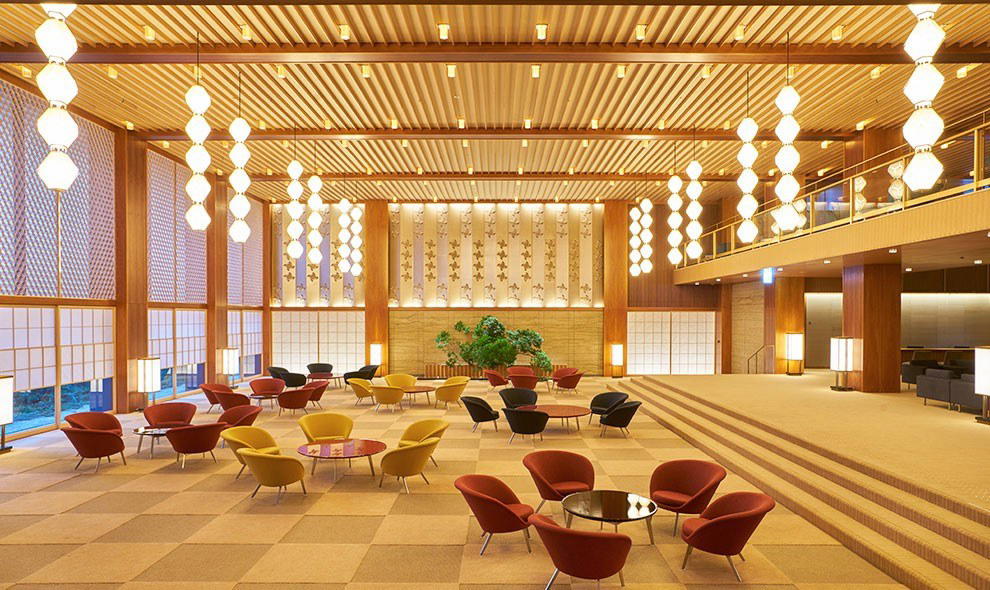
Serene and relaxing with artful interiors representing Chanoyu simplicity, tatami rooms, and relaxing spaces.