
Michelin Plate
Our verdict
A Michelin Plate-recognised Japanese restaurant in Kyoto's Higashiyama Ward, SATOWA operates from a basement-level space in Myōhōin Maekawachō, a quietly residential pocket between the major temple grounds and the foot of Ninenzaka. Holding consecutive Michelin Plate recognition in 2024 and 2025, it occupies the mid-range of Kyoto's structured Japanese dining tier, where price point and neighbourhood setting together signal a considered rather than ceremonial experience.

Pearl is the En Primeur Club membership app, where members save venues, book tables and use the concierge.
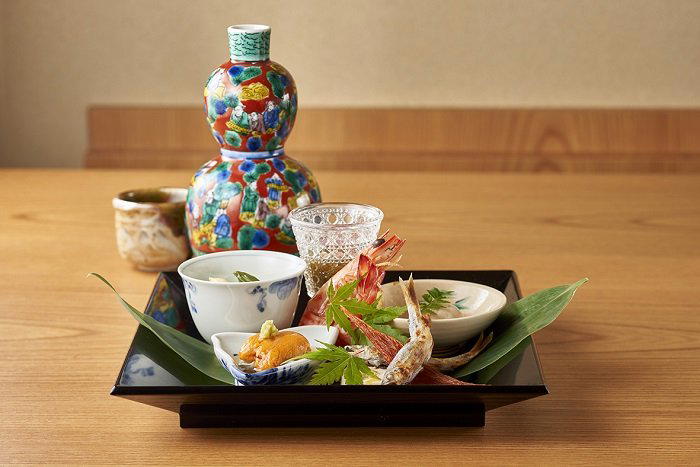
Below Street Level in Higashiyama: Where the Setting Frames the Menu
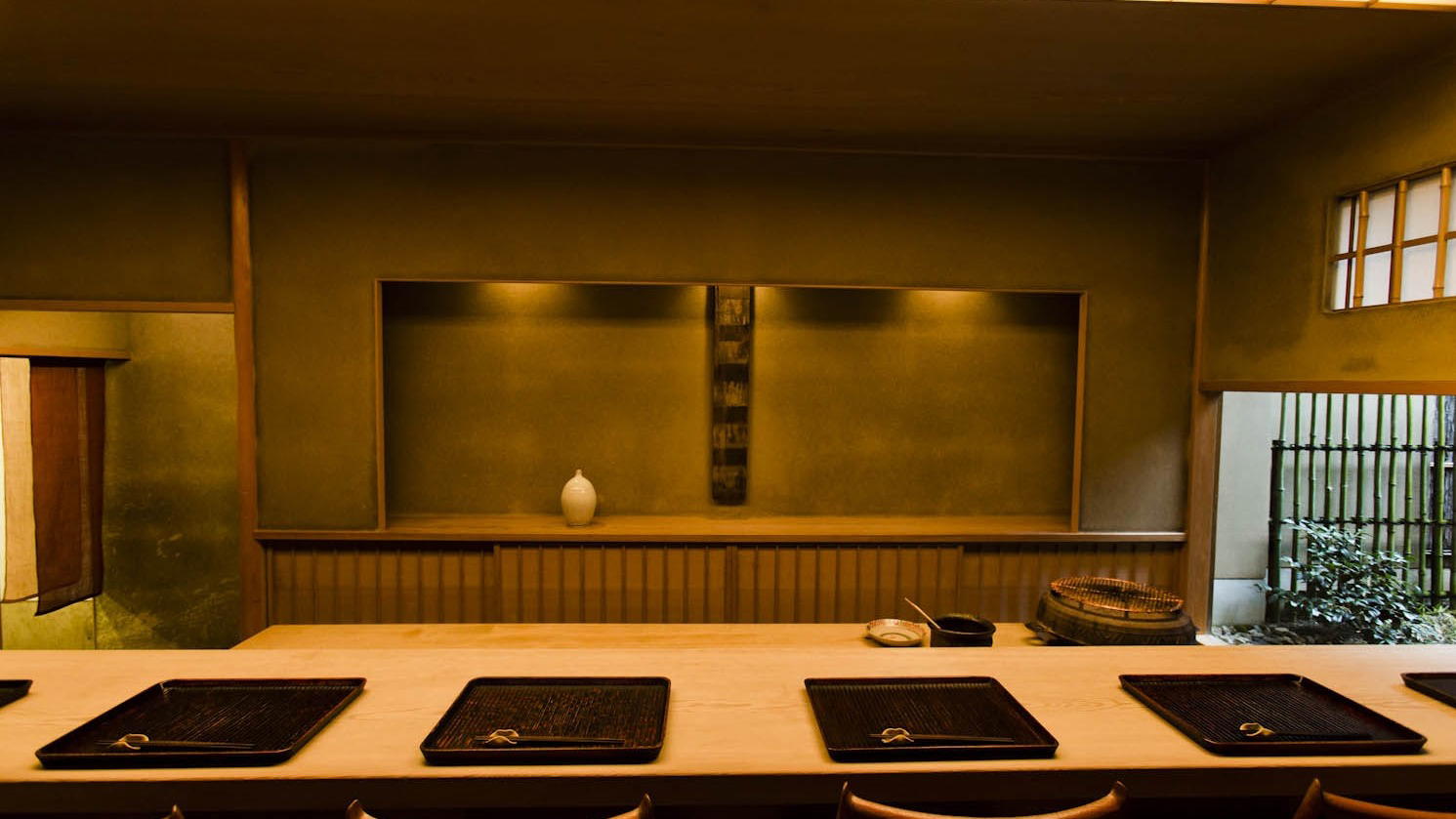
There is a particular logic to how Kyoto's quieter Japanese restaurants position themselves. Not on the main tourist corridor of Sannenzaka, not in the dense restaurant grid of Gion, but in the residential margins of Higashiyama Ward, streets where the foot traffic thins, the machiya facades press close, and the approach itself becomes a form of preparation. SATOWA occupies a basement-level room at Myōhōin Maekawachō, a short walk from the Myōhōin temple complex and within reach of the Chishakuin grounds. The descent below street level is a common architectural choice in Kyoto dining: it creates separation from the city's surface noise and signals that the pace inside will differ from the one outside.
Higashiyama's dining geography has always been split between high-ceremony kaiseki addresses and more approachable, neighbourhood-scaled Japanese restaurants. SATOWA belongs to the latter category. At a ¥¥¥ price position, above the casual izakaya tier but below the multi-hour kaiseki formats of Gion Matayoshi or Kikunoi Roan, it occupies a slot in the market where the cooking is expected to carry the experience without the scaffolding of extreme formality or theatrical service choreography.
Michelin Plate Recognition and What It Signals in This Market
Michelin Plate recognition, awarded consecutively in 2024 and 2025, marks SATOWA as a restaurant where inspectors found quality cooking without identifying it as a candidate for star elevation, at least at those points in time. In Kyoto, that distinction is meaningful. The city has more Michelin-starred restaurants per capita than almost anywhere else in Japan, which compresses the starred tier and makes the Plate designation function differently here than it might in a less scrutinised city. A Plate restaurant in Kyoto is not simply an entry-level acknowledgment; it is a marker that the kitchen is operating with consistency and technique against an exceptionally competitive reference field.
For comparison, the upper end of Kyoto's Japanese dining tier, venues like Isshisoden Nakamura or Kenninji Gion Maruyama, carry either starred recognition or deep institutional lineage that anchors their position in a different bracket. SATOWA's position at ¥¥¥ with Plate recognition places it closer to the calibre of Kodaiji Jugyuan, another Higashiyama-adjacent address working within a similar budget range for serious Japanese cooking.
Menu Architecture: Structure as an Argument
Japanese restaurants operating in this price tier in Kyoto face a particular structural challenge: how to organise a menu that communicates seriousness without the full apparatus of kaiseki sequencing. The kaiseki format, its eight or more courses moving from sakizuke through hassun to rice and pickles, is both a cultural inheritance and a commercial commitment. Venues that price below the kaiseki bracket typically make one of three choices: they compress the sequence, they abandon sequential coursing in favour of à la carte or small-plate formats, or they build a hybrid structure that borrows kaiseki's ingredient logic without its full ceremonial arc.
The menu architecture a restaurant adopts at this level is not merely a stylistic decision, it is an argument about what kind of experience the kitchen believes it can sustain. Kyoto's seasonal ingredient calendar imposes a discipline on any restaurant taking Japanese cooking seriously: the appearance of hamo in summer, matsutake in early autumn, and the shift to warming root preparations in winter are not optional signals. They are the grammar of the cuisine, and how a kitchen at the ¥¥¥ level handles them reveals whether the operation is built around genuine seasonal attentiveness or around a fixed menu refreshed occasionally.
Elsewhere in Japan, similar price-tier Japanese restaurants demonstrate different approaches to this problem. Myojaku in Tokyo and Azabu Kadowaki each work within Japanese culinary tradition at comparable price brackets, using format discipline to establish their register. Regional comparisons extend further: akordu in Nara and Goh in Fukuoka illustrate how kitchens outside Kyoto's hyper-scrutinised environment approach the same question of how much structure to build into a meal at this spend level.
Neighbourhood Context: Myōhōin Maekawachō in Higashiyama
The Myōhōin Maekawachō address locates SATOWA in a strip of Higashiyama that most visitors pass through en route to Sanjusangendo or the Chishakuin garden rather than stopping in. This is not an accident of geography, restaurants that set up here are making a deliberate choice to operate for a more considered visitor rather than for foot traffic. The neighbourhood rewards guests who approach Higashiyama with some intentionality: the proximity to major temple grounds means that a meal here can anchor an afternoon itinerary rather than competing with it.
For those building a multi-day Kyoto itinerary around food, the Higashiyama corridor between Gion and this quieter southern stretch offers a coherent geography. The cluster of serious Japanese restaurants in this zone, from the higher-ceremony end represented by Gion addresses to the more residential-pocket options, means that a visitor can meaningfully calibrate the formality and spend of successive meals without leaving a compact area. Our full Kyoto restaurants guide maps this spread in detail.
SATOWA in the Wider Japan Picture
Kyoto is not an island in Japan's fine-dining geography. The most ambitious tables in the country remain concentrated in Tokyo, Harutaka represents the upper register of that capital market, while Osaka's starred scene, anchored by addresses like HAJIME, operates with a different energy. Kyoto's distinctiveness lies in the density of tradition-anchored Japanese cooking relative to the city's size, and SATOWA's consecutive Plate recognitions position it as a consistent participant in that tradition at an accessible point of entry. Restaurants at equivalent recognition levels in less scrutinised cities like 1000 in Yokohama or 6 in Okinawa operate against a different competitive backdrop; the Michelin Plate in Kyoto carries more weight simply because the reference set is denser.
Planning Your Visit
For anyone building their Kyoto trip beyond restaurants, our full Kyoto hotels guide, bars guide, wineries guide, and experiences guide cover the full range of the city's premium options.
Reservations: Booking method not confirmed, direct contact via the restaurant address at Myōhōin Maekawachō 451-1 B1, Higashiyama Ward, Kyoto is the primary route. Budget: ¥¥¥, mid-range for Kyoto's serious Japanese dining tier, above casual dining but below multi-course kaiseki formats. Getting there: The Higashiyama Ward address is accessible on foot from Higashiyama Station (Tozai Line) or Shichijo Station (Keihan Line); the basement-level entrance is at B1 of the listed building.
What People Recommend at SATOWA
Because SATOWA holds Michelin Plate recognition in both 2024 and 2025 within a cuisine category of Japanese cooking at ¥¥¥, the clearest guidance from the recognition pattern is to approach the menu as you would any serious Japanese kitchen in this tier: follow the seasonal logic of the menu rather than seeking specific fixed dishes, and allow the kitchen's sequencing choices, however the menu is structured, to set the pace. For specific dish recommendations or current menu details, direct inquiry at the time of reservation is the most reliable approach, as seasonal Japanese menus change with the market and the kitchen's current focus.
Frequently asked questions
How much does it cost to eat at SATOWA?
Pricing at SATOWA is listed as ¥¥¥.
Has SATOWA won any awards?
SATOWA has received recognition including: Michelin Plate (2025); Michelin Plate (2024).
What do people recommend at SATOWA?
Michelin inspectors recognised SATOWA's kitchen in both 2024 and 2025 with consecutive Plate awards, which in practical terms means the cooking met a consistent standard across multiple visits. At ¥¥¥ pricing within Kyoto's Japanese cuisine tier, the restaurant sits in the same general bracket as other recognised tables in the city rather than at the premium omakase end. Visitors typically point to the setting, a basement space in Higashiyama's Myōhōin Maekawachō, as part of what distinguishes the experience from street-level options nearby.
At-a-Glance Comparison
A quick snapshot of similar venues for side-by-side context.
| Venue | Cuisine | Price | Awards | Notes |
|---|---|---|---|---|
| SATOWAThis venue (the venue you are viewing) | Seasonal Kaiseki with Unagi | $150–200 | Michelin Plate | Not listed |
| Gion Sasaki | Modern Kaiseki | $300–500 | 3 Michelin Stars · La Liste Top Restaurants | Kaiseki, Japanese |
| cenci | Innovative Italian-Japanese Fusion | $100–150 | 1 Michelin Star · World's 50 Best #76 | Italian |
| Ifuki | Sumibi Kappo Kaiseki | $200–300 | 2 Michelin Stars · La Liste Top Restaurants | Kaiseki |
| Kyokaiseki Kichisen | Kyoto Kaiseki | $200–300 | 2 Michelin Stars · La Liste Top Restaurants | Japanese |
| Kyo Seika | Modern Chinese Fine Dining | $150–200 | 1 Michelin Star · Tabelog Bronze #216 | Chinese |
Recognition history
Dated appearances from independent guides and award organizations, with the underlying list record or original source where available.
Michelin Plate
Michelin
Full recognition history (2 entries)
Michelin Plate
Michelin
Continue exploring
More in Kyoto
Restaurants in Kyoto
All restaurants in Kyoto →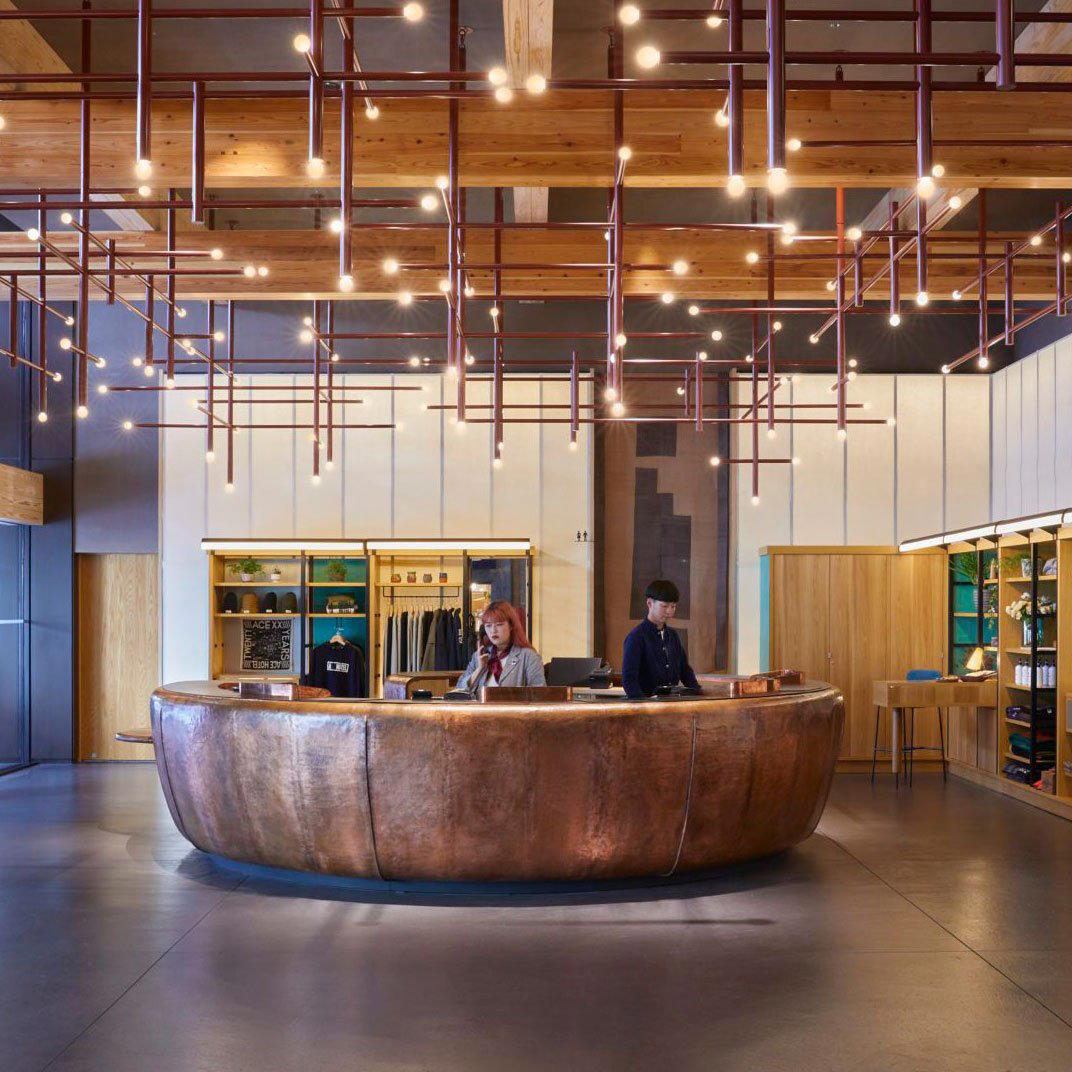
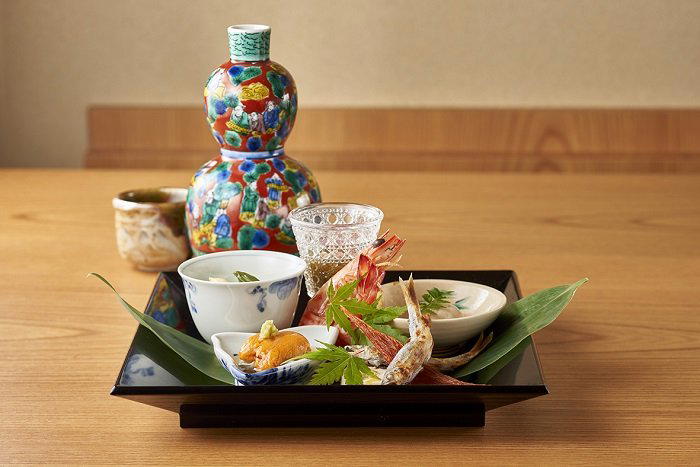
Bars in Kyoto
All bars in Kyoto →
Hotels in Kyoto
All hotels in Kyoto →
Wineries in Kyoto
Browse all →
Details
- Intimate
- Modern
- Industrial
- Elegant
- Date Night
- Special Occasion
- Solo
- Chefs Counter
- Open Kitchen
- Sake Program
- Local Sourcing
- Organic
- Counter Dining
- Tasting Menu
- A La Carte
- Set Menu
- Sake
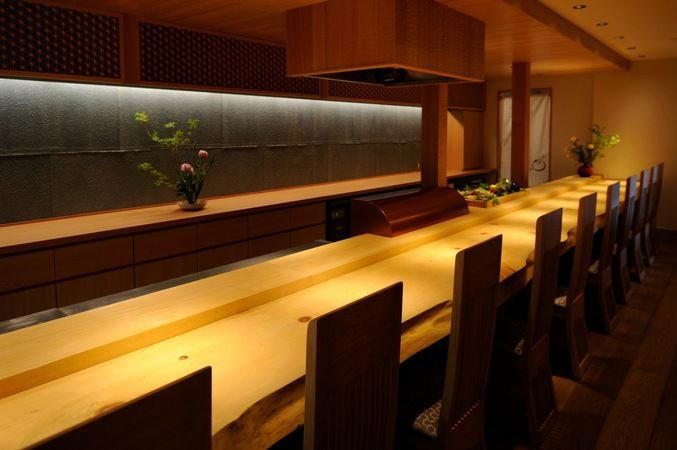
Chic, modern industrial space with stylish, relaxing counter seating and warm hospitality.