
Our verdict
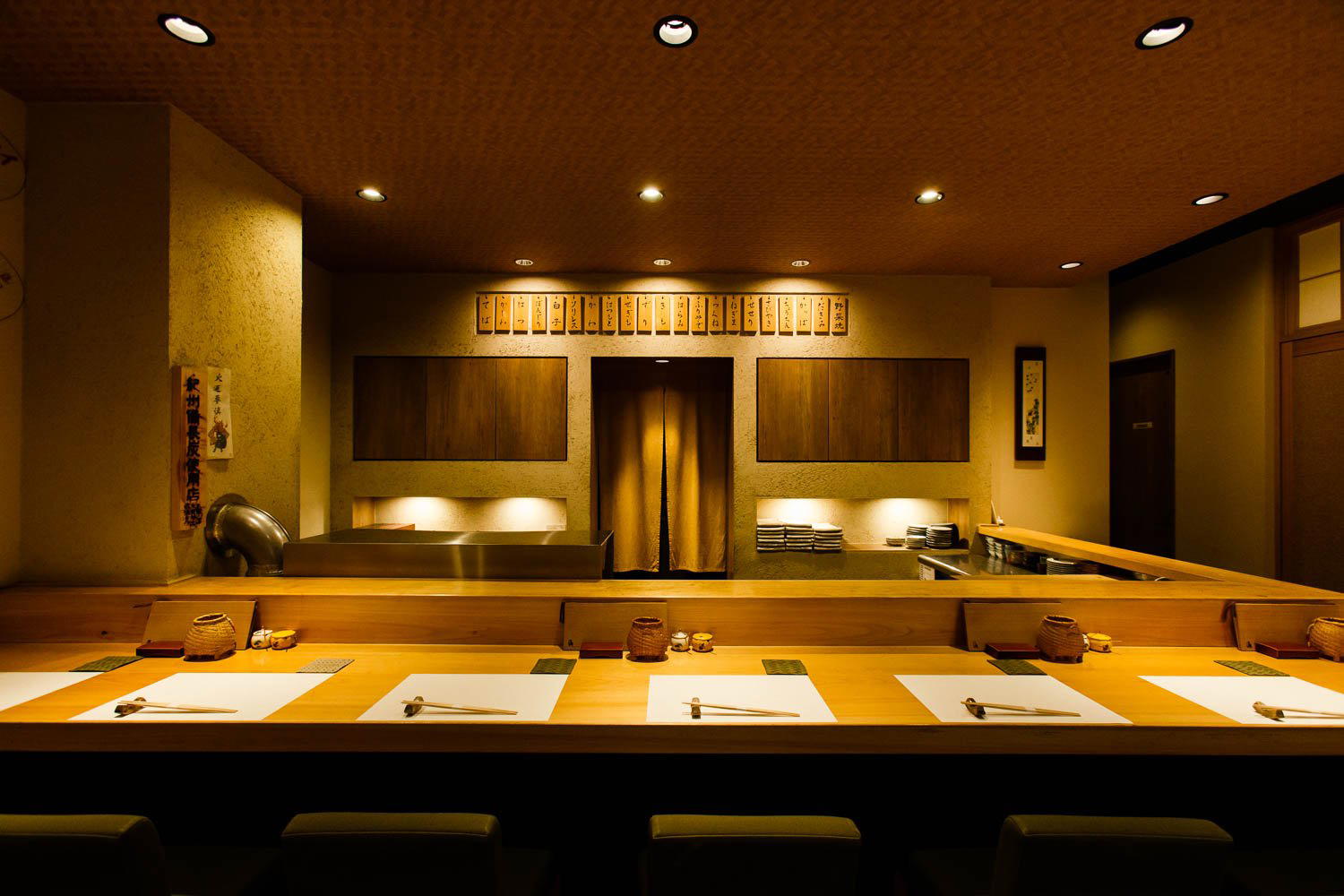
Torisho Ishii Hina occupies the quieter, specialist tier of Tokyo's yakitori scene, operating from a ground-floor address in Minami-Azabu, Minato City. In a city where the best yakitori counters book weeks out and draw the same planning attention as omakase sushi, this Minato address sits within a residential pocket that filters casual foot traffic by design. Reservations and advance planning define the experience here.

Pearl is the En Primeur Club membership app, where members save venues, book tables and use the concierge.
The menu
What to order
- Kumano jidori yakitori
- Chicken breast
- Seseri
- Negima
- Tsukune
- Chicken wonton with green curry sauce
Minami-Azabu and the Serious Yakitori Counter
Tokyo's yakitori tradition runs deeper than the izakaya grills that line the alleys around Yurakucho or Shinjuku. At one end of the spectrum, you have the casual skewer-and-beer format familiar to any visitor. At the other sits a much smaller cohort of specialist counters where charcoal management, bird sourcing, and sequence matter as much as technique at any kaiseki kitchen. Minami-Azabu, a residential quarter within Minato City, has quietly accumulated several of these more considered addresses, positioned away from the high-foot-traffic circuits and priced for a clientele that plans ahead. Torisho Ishii Hina operates within that tier.
The Minami-Azabu address places it in a neighbourhood that also holds some of Tokyo's more serious French and contemporary tables. The proximity to L'Effervescence and the wider Minato dining corridor signals something about the local diner: accustomed to reservation-led formats, comfortable with counter dining, and unlikely to walk in without a booking confirmed well in advance. That neighbourhood context shapes how Torisho Ishii Hina positions itself.
The Booking Equation
Tokyo's most considered dining rooms, across every category, now share a common planning dynamic. Whether you're looking at the omakase counters like Harutaka in Ginza or the kaiseki rooms at RyuGin in Roppongi, the booking window is the first filter. Specialist yakitori counters follow the same logic. Small seat counts, a single or limited seating per service, and a clientele that treats the experience as a planned occasion rather than a spontaneous dinner combine to make advance booking the governing fact of any visit.
That absence is itself an editorial data point: it places this counter in the category of Tokyo venues that circulate primarily through word of mouth, specialist dining communities, and local concierge networks. Visitors relying on same-week bookings will find that approach insufficient. The practical advice is to engage a hotel concierge with deep Tokyo relationships, or a dining reservation service familiar with Minato-ward specialist counters, well before arrival. For context, counters of this type in Tokyo's tighter dining circles often book out two to four weeks in advance during peak seasons, which run from October through December and again from March through May.
The ground-floor location at 1-27-7 Minami-Azabu means the physical address is findable, but arriving without a confirmed reservation is not a viable strategy at a counter of this format. The Minami-Azabu area is walkable from Hiroo Station on the Hibiya Line, making access direct once a booking is secured.
What the Yakitori Counter Format Means in Practice
Specialist yakitori at this level operates differently from the casual kushiyaki format. The progression of skewers follows a considered sequence, typically moving from lighter preparations of breast and thigh through organ cuts and finishing courses. The charcoal used, often binchotan from Wakayama, burns at a sustained high temperature without smoke, which produces a char discipline that is difficult to achieve consistently at lower-volume operations. These are techniques that have parallels in the high-end yakitori tradition seen at venues like Birdland, a name the yakitori world outside Japan frequently references as a benchmark.
Bird sourcing at this level usually involves named regional breeds, including Nagoya Cochin or Hinai-jidori from Akita, varieties that carry specific flavour profiles and fat distribution distinct from industrial poultry. The name "Hina" carries its own reference within Japanese poultry culture, relating to young birds, which further suggests a sourcing focus within the broader category. These are contextual readings of the name rather than confirmed menu specifics, and diners should arrive ready to follow the counter's own sequence rather than expecting a fixed written menu.
Placing Torisho Ishii Hina in Tokyo's Dining Hierarchy
The Tokyo dining room that gets discussed in the same breath as serious French kitchens and kaiseki is no longer an unusual category. The city's restaurant culture, as reflected by the concentration of recognition around venues like Sézanne and the more experimental end represented by Crony, has normalised the idea that a counter of twelve seats or fewer can hold its own against full-service dining rooms at equivalent price points. Yakitori counters in the specialist tier participate in that same economy of attention.
What separates a counter like this from mid-tier yakitori is not simply price but the totality of commitment: sourcing, coal technique, sequencing, and the degree to which the format demands the diner's sustained attention rather than offering a backdrop for conversation. Diners accustomed to the kaiseki rooms at Gion Sasaki in Kyoto or the contemporary Japanese approaches at HAJIME in Osaka will find the underlying discipline familiar, translated into the specific vocabulary of fire and bird.
Planning Your Visit
Given the absence of a publicly listed phone or online booking channel, the most reliable route to a reservation is through a hotel concierge at one of Minato City's international properties, or through a specialist Tokyo dining concierge service engaged at least three to four weeks before the intended visit. The venue's ground-floor address in Minami-Azabu is accessible from Hiroo Station (Hibiya Line), approximately a short walk through a predominantly residential neighbourhood. Evenings in spring and autumn fill fastest; January and February generally offer the most availability across Tokyo's smaller specialist counters.
Dress expectations at counters of this format in Tokyo trend toward smart casual: the environment is intimate and the clientele tends to reflect that. Diners with specific dietary requirements, particularly those who cannot eat poultry or organ cuts, should communicate this well in advance through the reservation channel, as the counter format leaves limited room for substitution mid-service.
For a fuller picture of Tokyo's dining range across categories and price points, the EP Club Tokyo restaurants guide maps the city's most considered options from sushi through to contemporary French. Those extending a Japan itinerary beyond Tokyo will also find relevant reference points at akordu in Nara, Goh in Fukuoka, and a wider spread of specialist counters across the country's secondary cities, including 一本杉 川嶋制 in Nanao, 奥仙山乃 in Sapporo, 湖畔庵弥 in Takashima, and 鳥羽屋 in Nishikawa Machi. For those who also plan international dining around comparable specialist counter formats, Atomix in New York City and Le Bernardin offer useful reference points for how tight-counter discipline translates across cuisines, and Bistro Ange in Toyohashi rounds out the regional picture for those travelling Japan's central corridor.
Frequently asked questions
How do I find Torisho Ishii Hina?
Torisho Ishii Hina is located at Japan, 〒106-0047 Tokyo, Minato City, Minamiazabu, 1 Chome−27−7 1F, Tokyo.
How does Torisho Ishii Hina differ from standard yakitori izakayas found across Tokyo?
The address at 1-27-7 Minamiazabu places Torisho Ishii Hina well outside the high-volume yakitori corridors around Yurakucho or Ebisu, where grill-heavy izakayas serve a broader, faster-paced crowd. Specialist counters in Minato City operate at smaller seatings and apply a more deliberate progression to the skewer sequence, closer in format to an omakase than a casual kushiyaki session. That distinction, considered pacing over volume, is what separates a dedicated counter like this from the category it superficially resembles.
What's the best thing to order at Torisho Ishii Hina?
At a specialist yakitori counter in Minami-Azabu, the kitchen typically sets the sequence rather than offering à la carte selection. The recommended approach is to follow the counter's progression from start to finish, which at poultry-focused counters in Tokyo tends to move through different cuts and preparations in deliberate order. Attempting to cherry-pick skewers misses the logic the kitchen has built into the meal.
Should I book Torisho Ishii Hina in advance?
Yes. Torisho Ishii Hina sits at 1-27-7 Minamiazabu, Minato City, a residential pocket of Tokyo where dining rooms operate at small capacities and do not absorb walk-ins the way larger commercial strips do. Planning at least four to six weeks ahead is advisable for any serious counter in this district.
What do critics highlight about Torisho Ishii Hina?
Published English-language critical coverage of Torisho Ishii Hina is sparse, which is characteristic of Minami-Azabu's more insular specialist counters. Venues in this corridor tend to build reputation through repeat local clientele and word-of-mouth rather than press cycles.
Can Torisho Ishii Hina accommodate dietary restrictions?
A poultry-focused counter format, consistent with the name and Minami-Azabu specialist positioning, presents real constraints for guests avoiding chicken or other poultry. Counters of this type in Tokyo build their sequence around a single protein category, which limits the kitchen's flexibility for substitution. Communicating dietary requirements clearly at the time of booking, particularly through a concierge who can relay this in Japanese, is strongly advisable.
The Minimal Set
Comparable venues nearby, for context on price, style, and recognition.
| Venue | Cuisine | Price | Awards | Notes |
|---|---|---|---|---|
| Torisho Ishii HinaThis venue (the venue you are viewing) | Modern Yakitori Omakase | $150–200 | Not listed | Not listed |
| Kuriya Kashi Kurogi | Artisanal Japanese Wagashi & Kakigori | Not listed | Not listed | Hongo, Bunkyo-ku, Artisanal Japanese Wagashi & Kakigori |
| Chikuyotei (竹葉亭) | Traditional Edomae Unagi and Kaiseki | $30–50 | Not listed | Ginza, Traditional Edomae Unagi and Kaiseki |
| Yakitori Nakamura | Yakitori Omakase | $100–150 | Tabelog 100 #80 | Minato, Yakitori Omakase |
| Tempura Osaka | Seasonal Tempura Omakase | $100–150 | Tabelog 100 #94 | Minato, Seasonal Tempura Omakase |
| Togoshi Ginza Sushi Bando | Seasonal Edo-style Omakase Sushi | $100–150 | Tabelog 100 #68 | Shinagawa, Seasonal Edo-style Omakase Sushi |
Recognition history
Dated appearances from independent guides and award organizations, with the underlying list record or original source where available.
Opinionated About Dining Top Restaurants in Japan Recommended
Opinionated About Dining
Continue exploring
More in Tokyo
Restaurants in Tokyo
All restaurants in Tokyo →


Bars in Tokyo
All bars in Tokyo →




Details
- Elegant
- Intimate
- Modern
- Quiet
- Special Occasion
- Date Night
- Chefs Counter
- Open Kitchen
- Local Sourcing
- Omakase
- Counter Dining
Current opening hours
- Monday
- Closed
- Tuesday
- 5:30–10:30 PM
- Wednesday
- 5:30–10:30 PM
- Thursday
- 5:30–10:30 PM
- Friday
- 5:30–10:30 PM
- Saturday
- 5:30–10:30 PM
- Sunday
- Closed
Hours can change for holidays and private events. Hours as of .
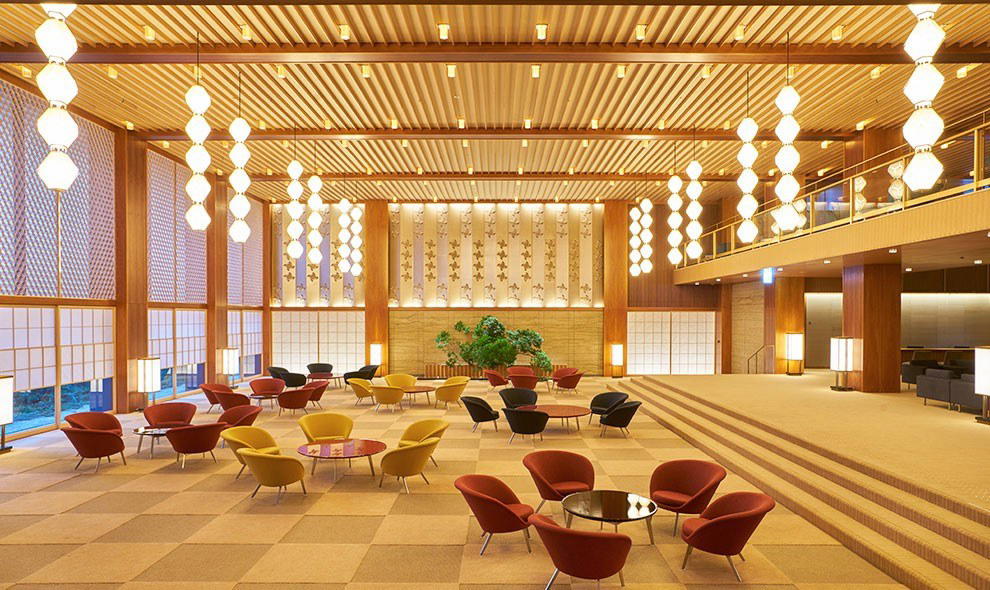
Modern minimalist interior with smooth wooden finishes, serene residential setting, and tranquil atmosphere enhanced by bonsai décor.