One of Ginza's oldest eel restaurants, Chikuyotei (竹葉亭) has served unagi in the classical Tokyo tradition for generations, making it a considered choice for milestone meals in one of the city's most formal dining districts. The address on Ginza 5-chome places it within walking distance of the neighbourhood's flagship stores and galleries, and the format — private rooms, seasonal unagi preparations — suits the kind of occasion that calls for ceremony without theatre.
Pearl is the En Primeur Club membership app — saves, bookings, and concierge access live there. Same editors, same standards.
- Address
- 銀座5-8-3, 中央区, 東京都, 104-0061
- Directions
- Get directions
 Saves & bookings on Pearl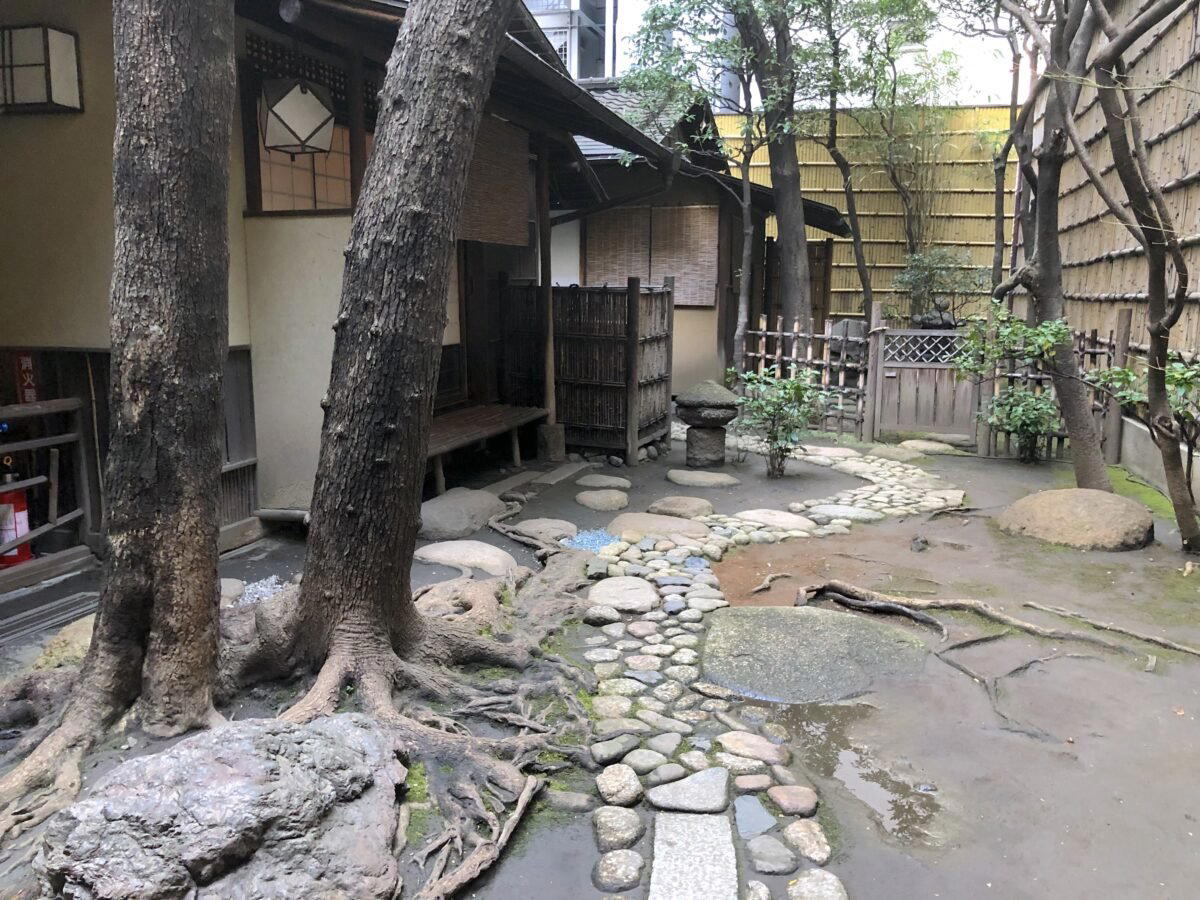
Ginza and the Art of the Occasion Meal
In Tokyo's dining geography, Ginza occupies a particular register. It is not the neighbourhood you wander into casually. The address signals intent: a business dinner worth remembering, a family gathering that warrants a private room, an anniversary that deserves something older than the modern omakase boom. The restaurants that have survived here across generations did so not by chasing trends but by holding a specific form of social function — the celebratory meal conducted with precision and decorum.
Chikuyotei (竹葉亭), at 銀座5-8-3, sits in that tradition. It is one of Tokyo's long-established unagi restaurants, a category that carries considerable cultural weight in Japan. Eel restaurants of this standing are not simply places to eat; they are venues for the kind of meal that gets discussed afterward, that marks a moment. In Ginza, where the neighbouring streets include flagship counters from Harutaka and high-investment French dining rooms like Sézanne and L'Effervescence, Chikuyotei represents an older, quieter strain of seriousness.
Unagi as a Dining Tradition
To understand why an occasion diner might choose a classical unagi house over a kaiseki counter or a sushi room, it helps to understand what unagi dining in Tokyo historically meant. Eel restaurants of the Edo and Meiji periods were not everyday establishments. The preparation — kabayaki, in which the eel is split, steamed, glazed with a tare sauce, and grilled, requires years of practice to execute at a high level. The tare itself, in the older Tokyo houses, is maintained across decades, a running sauce replenished but never entirely replaced. That continuity is partly the point. When you sit down for unaju or hitsumabushi at a house of Chikuyotei's standing, you are eating something that connects to a specific lineage of technique.
That lineage places classical Tokyo unagi restaurants in a different competitive set than the innovation-led kaiseki rooms that dominate international conversation about Japanese fine dining. Venues like RyuGin or the more French-inflected Crony are built around forward movement, seasonal reinvention, and chef authorship. An established unagi house is built around fidelity, to form, to method, to the particular experience its regular guests have been returning for across years.
Why Ginza 5-Chome for a Landmark Meal
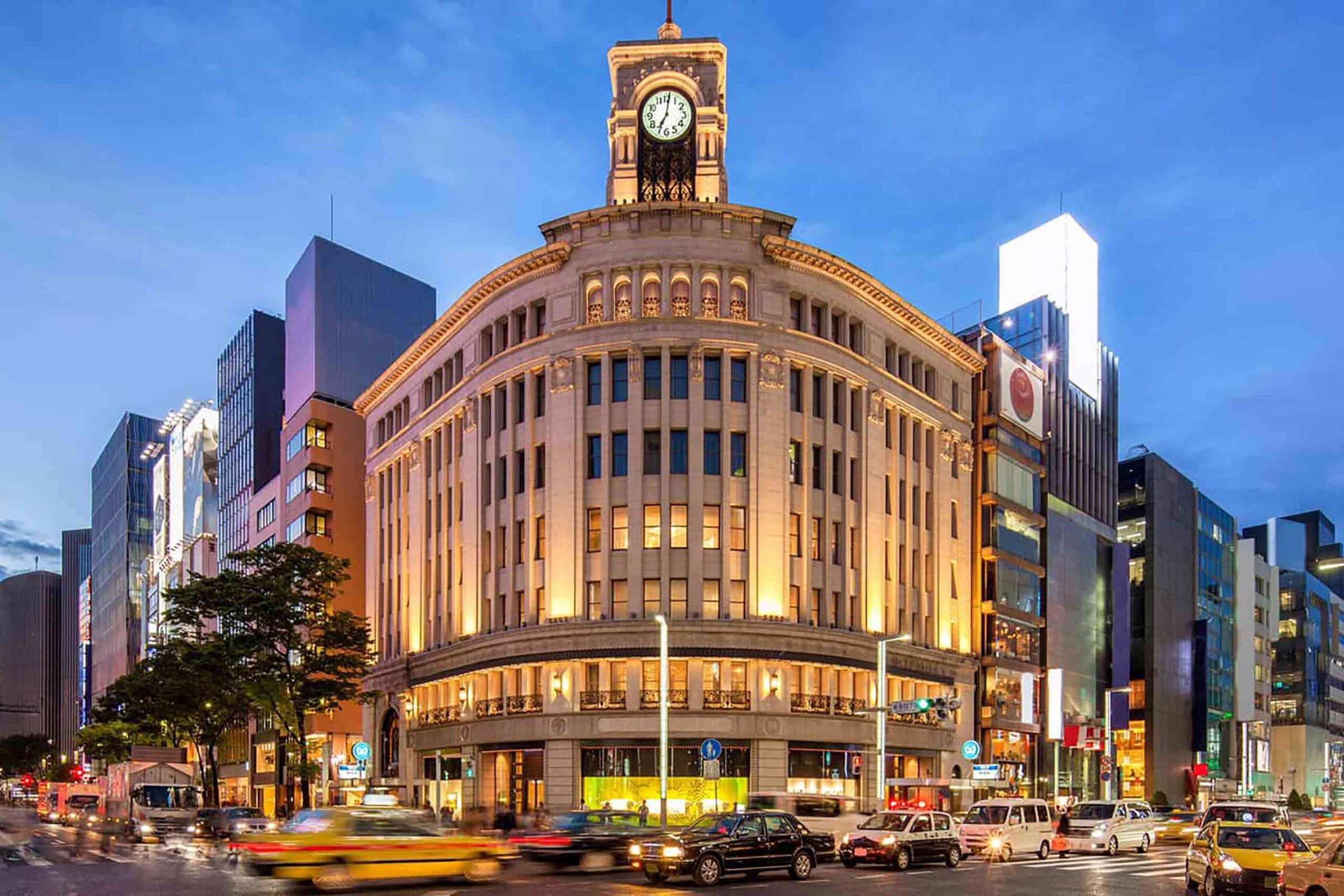
The address in Ginza's 5-chome block is not incidental. This is among the most commercially and culturally concentrated stretches in central Tokyo, walkable from the Ginza metro station and surrounded by the kind of infrastructure, department stores, jewellers, art galleries, that sets the frame for occasion dining. You are not eating in a neighbourhood that requires explanation; you are eating in one that has its own gravitational pull on certain types of event.
For visitors arriving from other Japanese cities, the Ginza address also serves as a practical anchor. Tokyo's dining map spreads across dozens of neighbourhoods, each with a distinct character, from the experimental rooms in Shibuya and Minami-Aoyama to the traditional counters of Nihonbashi and the newer creative clusters in Shinjuku. Ginza is the district that requires least navigation for guests unfamiliar with the city's internal geography. A meal at a long-established house here integrates naturally into a broader Tokyo day: galleries in the morning, the 5-chome block for lunch or dinner, a walk toward Tsukiji or Hibiya after.
For those building a wider itinerary through Japan, the style of occasion dining Chikuyotei represents has counterparts in other cities worth noting: Gion Sasaki in Kyoto occupies a similarly rooted position in that city's formal dining culture, and HAJIME in Osaka offers another register of high-occasion Japanese dining, though through a contemporary French lens. Outside the major cities, akordu in Nara and Goh in Fukuoka show how occasion dining in Japan extends well beyond Tokyo and Kyoto. Closer to Osaka, Abon in Ashiya takes a similarly intimate approach. Further afield, affetto akita in Akita, Aji Arai in Oita, Ajidocoro in Yubari District, Akakichi in Imabari, and aki nagao in Sapporo each illustrate how seriously Japan's regional cities take the formal meal. And internationally, the model of an occasion restaurant built around long tradition has parallels at Le Bernardin in New York City and Lazy Bear in San Francisco, though through entirely different culinary frameworks.
Planning a Meal Here
Classical Tokyo unagi houses of this standing typically operate on a reservation basis, particularly for private rooms. Ginza restaurants at this level are not walk-in propositions for a special occasion; advance planning is standard practice. For a comprehensive view of how Chikuyotei sits within Tokyo's broader dining options across all categories and price points, our full Tokyo restaurants guide provides the wider context.
Know Before You Go
- Address: 銀座5-8-3, Chuo-ku, Tokyo 104-0061
- Nearest station: Ginza (Tokyo Metro Ginza, Hibiya, and Marunouchi lines)
- Format: Classical Tokyo unagi house; private room dining suited to occasion meals
- Booking: Advance reservation recommended, especially for private rooms and group occasions
- Leading for: Business dinners, family milestones, celebratory lunches in central Tokyo
Cuisine Lens
| Venue | Cuisine | Price | Awards |
|---|---|---|---|
| Chikuyotei (竹葉亭)This venue — the venue you are viewing | This venue | Not listed | Not listed |
| Harutaka | Sushi | ¥¥¥¥ | Michelin 3 Star |
| L'Effervescence | French | ¥¥¥¥ | Michelin 3 Star |
| RyuGin | Kaiseki, Japanese | ¥¥¥¥ | Michelin 3 Star |
| Crony | Innovative, French | ¥¥¥¥ | Michelin 2 Star |
| Den | Innovative, Japanese | ¥¥¥ | Michelin 2 Star |





At a Glance
- Classic
- Elegant
- Intimate
- Business Dinner
- Special Occasion
- Private Dining
- Historic Building
- Sake Program
Traditional tatami rooms preserving old-world charm with an elegant, refined atmosphere.
Know Before You Go
- Getting there
- 銀座5-8-3, 中央区, 東京都, 104-0061