Tomita at NRT occupies a specific niche in Japan's airport dining scene: a serious ramen counter positioned for travelers who know the Chiba original and want one last bowl before departure. The format rewards those who understand the difference between an airport concession and a deliberate culinary outpost, and the lunch-versus-dinner rhythm shapes the experience more than most airport venues allow.

Pearl is the En Primeur Club membership app — saves, bookings, and concierge access live there. Same editors, same standards.
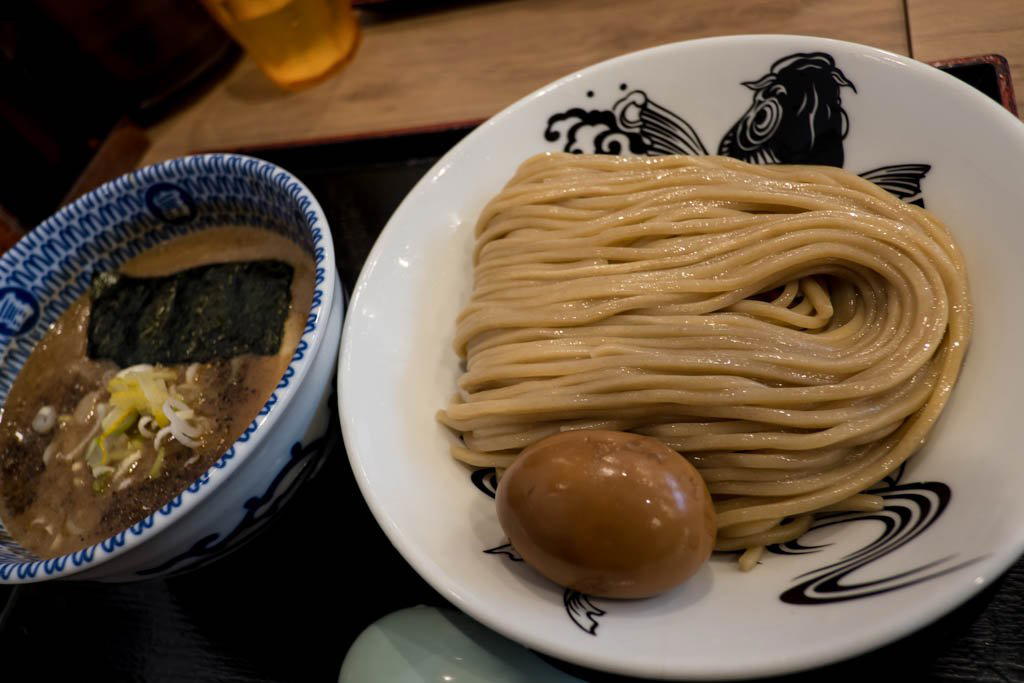
Ramen at Altitude: What Airport Dining Looks Like When It Takes Itself Seriously
Narita International Airport is home to Tomita at NRT, a casual tsukemen ramen counter in Chiba, priced at about $15 per person and set up for walk-in diners. Narita in particular runs a gastronomic infrastructure that mirrors the country's broader restaurant culture: disciplined formats, category specialists, and a general refusal to treat captive travelers as an excuse for lowered standards. Within that context, Tomita at NRT represents something specific. It is not a flagship transplanted into a food court. It is an extension of one of Japan's most referenced ramen operations, relocated into an airport terminal for travelers who have already done their research.
The Tomita name carries weight in ramen circles disproportionate to its geographic footprint. The original Chiba location built its reputation around a tonkotsu and seafood broth style that positioned it in a different tier from the high-volume chains that dominate airport concourse dining across Asia. An airport outpost is always a compromise of some kind, but in Japan's better airport dining zones, the question is how much is lost in translation, not whether anything survives at all.
The Lunch vs. Dinner Divide Inside a Terminal
Airport dining operates under pressure that no city restaurant faces: the clock governs every table. But the Tomita counter at NRT responds to that pressure differently depending on the time of day, and that divide is worth understanding before you arrive.
At lunch, the counter draws a mixed crowd: business travelers on domestic connections, families in transit, and the occasional informed visitor who has deliberately routed through NRT for this specific stop. Midday service moves faster, the queue turns over with more regularity, and the practical tempo of the experience skews toward efficiency. For travelers with a hard departure window, this is the more manageable window. The broth-forward format, which requires time to eat properly but not time to linger over, fits the lunch rhythm well.
Evening service at the terminal shifts in character. International departure traffic thickens, and the proportion of travelers with longer layovers increases. The pace slows slightly, and there is more space to treat the meal as a destination rather than a stopgap. For anyone positioning Tomita as a deliberate final meal before a long-haul flight, an evening visit with adequate time built in is the more considered choice. The bowl itself does not change, but the context around it does, and in a format as focused as ramen, context is part of the experience.
This lunch-dinner split mirrors a broader dynamic in Japan's airport restaurant zones: the same venue can function as a quick-service counter at noon and a considered dining stop by early evening, simply through the changing composition of who is sitting there and why. Tomita at NRT is a useful case study in that duality.
Where It Sits in Japan's Broader Dining Picture
Japan's restaurant culture distributes serious dining across its geography in ways that few other countries manage. The country's Michelin-recognized venues are not concentrated only in Tokyo's central wards. Properties like Gion Sasaki in Kyoto, HAJIME in Osaka, and Goh in Fukuoka demonstrate that the country's culinary seriousness is a national infrastructure, not a capital-city monopoly. Even smaller-city venues like akordu in Nara or a dedicated counter in Nanao operate at levels that would headline in most European cities.
Ramen sits in a different register from kaiseki or omakase sushi, but Japan applies the same craft logic to it. The country's ramen culture has produced operations that attract multi-hour queues, critical recognition, and a devoted international following. Tomita's Chiba origin belongs to that tier. Its airport incarnation is a deliberate attempt to carry that standing into a transit context, which is a harder brief than it sounds.
For comparison, Tokyo's upper-tier dining at venues like Harutaka, RyuGin, or L'Effervescence operates in a separate price and format category from a ramen counter, but the underlying discipline of the craft conversation is not entirely different. Japan's food culture holds its ramen specialists to standards that have no equivalent in most other countries. Internationally, this kind of category seriousness shows up at venues like Le Bernardin in New York or Atomix, where a single format is pursued with the kind of focus that makes category boundaries irrelevant to quality assessment.
Planning Your Visit: What to Know Before You Go
The restaurant is located airside at Narita International Airport, making it accessible only to passengers who have cleared security. It is a casual tsukemen ramen counter, priced at about $15 per person, and it is walk-in friendly. The terminal location means that timing your visit against your departure gate and boarding window is the primary logistical variable. Japan's airport dining zones are generally well-organized with clear signage, but building in a minimum of 45 minutes to eat without rushing is advisable for a bowl-format meal that rewards a slower pace.
Airport ramen counters in Japan can develop queues during peak travel periods, particularly over Golden Week, year-end holidays, and the summer travel surge in August. Travelers arriving during those windows should account for additional time. Outside of peak periods, the counter is accessible without significant wait at most hours.
Venues like Sézanne and Crony represent the French-influenced end of Tokyo's fine dining range, while the regional Japan picture extends to properties like a dedicated counter in Sapporo, venues in Takashima, and Nishikawa Machi. Elsewhere in Japan's mid-tier dining range, Birdland in Sakai and Bistro Ange in Toyohashi illustrate how seriously the country takes category-specific craft outside its major cities.
The restaurant occupies a specific, defensible position in that wider picture: a ramen counter with genuine provenance, operating in a transit context that Japan's airport food infrastructure makes more viable than almost anywhere else in the world. The bowl you eat here is not the same experience as queuing in Chiba, but it is a credible version of the same argument about what ramen can be when it is taken seriously.
In Context: Similar Options
Comparable venues nearby, for context on price, style, and recognition.
| Venue | Cuisine | Price | Notes |
|---|---|---|---|
| Tomita at NRTThis venue — the venue you are viewing | Tsukemen Ramen | $$ | Not listed |
| Kayaba Coffee | Retro Japanese kissaten & café | $$ | Taitō |
| Hikiniku to Kome Shibuya | Hamburger steak set menu (Japanese-style) | $$ | Shibuya |
| L'Atelier Plus | Japanese-style Western (yoshoku) bistro | $$ | Meguro |
| Gavial | European-style Japanese curry | $$ | Chiyoda |
| Kaikaya by the Sea | Japanese Seafood Izakaya | $$ | Shibuya |











At a Glance
- Lively
- Casual Hangout
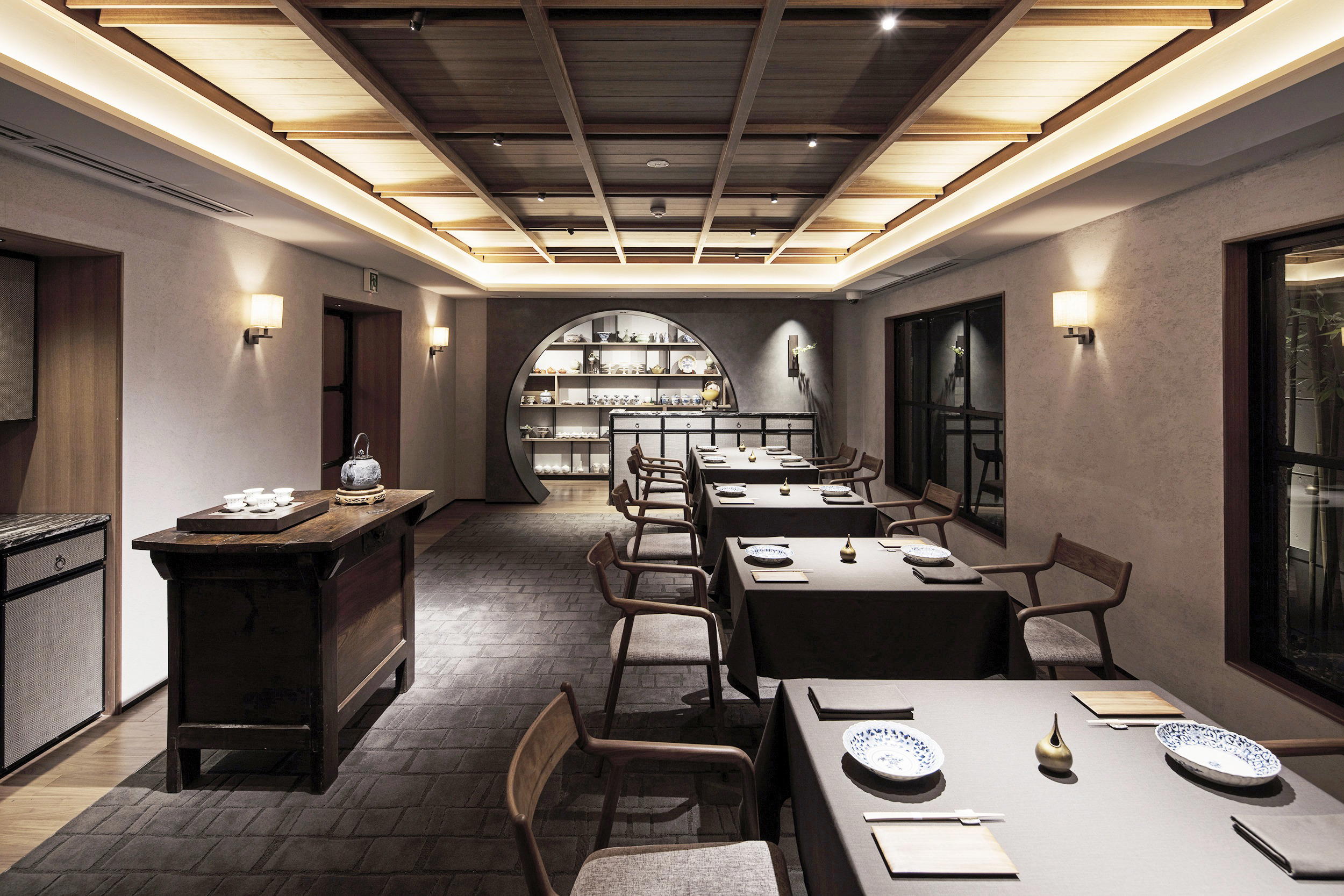
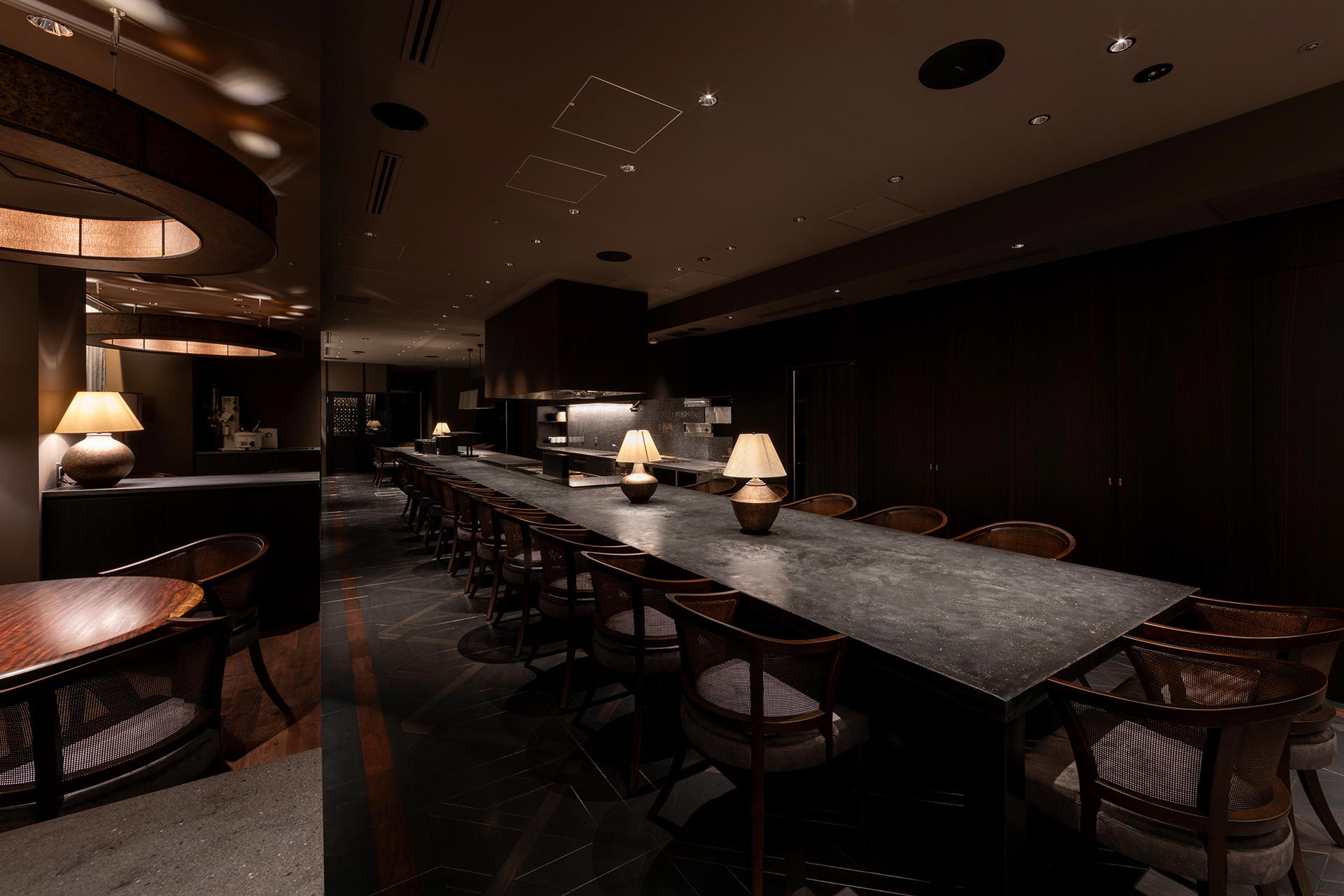
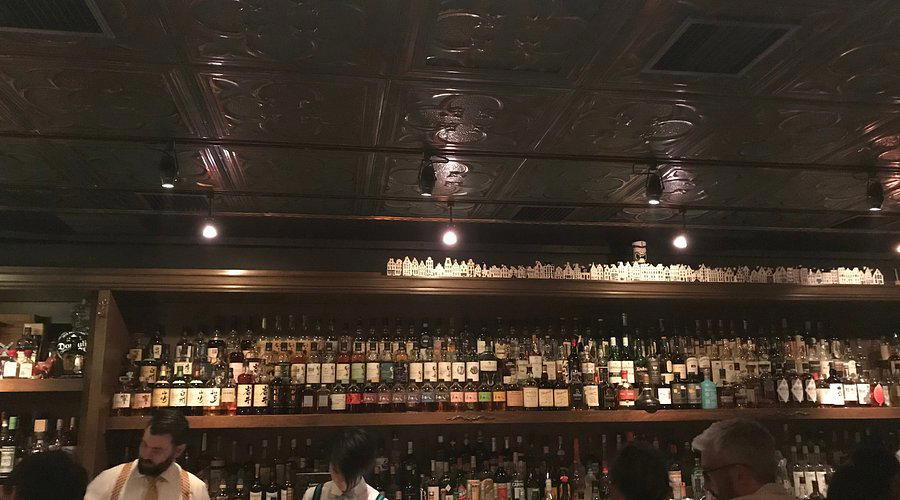
Busy airport food court setting with focus on quick, flavorful ramen service.