
Gavial belongs to Jimbocho’s old Tokyo curry culture, where bookshops, coffee rooms, and spice counters share the same lunchtime rhythm. Its Tabelog Curry TOKYO 100 selection in 2024, 44-seat format, and long-running house sauce place it in a different category from quick curry chains, while keeping the spend firmly in everyday Tokyo territory.
Pearl is the En Primeur Club membership app — saves, bookings, and concierge access live there. Same editors, same standards.
- Address
- Japan, 〒101-0051 Tokyo, Chiyoda City, Kanda Jinbocho, 1 Chome−1−9 稲垣ビル 2階
- Phone
- +81 3-6273-7148
- Website
- gavial1982.net
 Saves & bookings on Pearl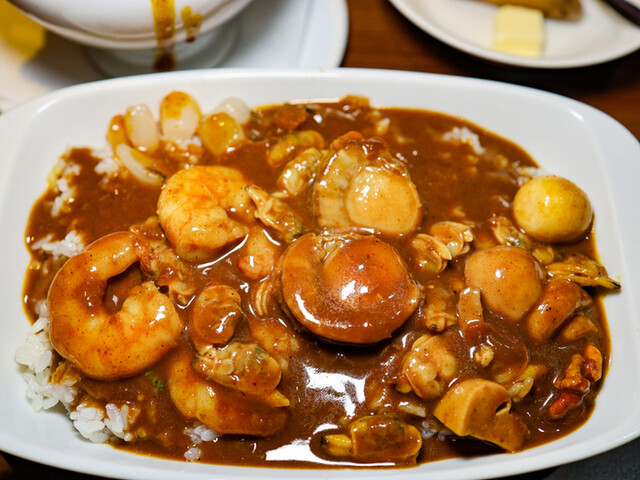
Jimbocho announces itself through paper, not perfume: second-hand bookshops, basement coffee rooms, narrow staircases, and lunch queues without ceremony. Here, Japanese curry has particular gravity. It is not a high-gloss Ginza tasting counter or a ramen shop engineered for speed; its appeal sits in darker rooms, low conversation, and the smell of sauce and spice drifting through buildings that could hold a publisher, jazz café, or language school.
Gavial fits that district grammar. Above street level in Kanda Jimbocho, close to the station, it sits in a neighbourhood where old cafés such as Sabouru and Sabouru 2 help explain why lunch feels more literary than fashionable. Tokyo has many curry identities, from student plates near campuses to staged spice rooms, but Jimbocho’s is more settled: European-style sauces, long simmering, precise rice, and regulars who read the room before the menu.
Jimbocho curry, judged by sauce rather than spectacle
Japanese curry rewards patience over novelty. It arrived through British naval influence and Japanese adaptation, then became distinct: roux-based, thicker than many South Asian curries, often sweeter, and built for rice. Tokyo’s specialist curry rooms distinguish themselves by texture, spice layering, and the sauce’s weight before meat or seafood enters. At this level, the question is not invention but whether the sauce has enough depth to justify a trip across town.
The evidence is unusually concrete for a casual-price address. Gavial was selected for Tabelog Curry TOKYO 100 in 2024, with earlier selections in 2023, 2022, 2020, and 2019. That matters because Tabelog’s curry lists tend to reward repeat local approval rather than international theatre. A 3.76 score signals a serious Tokyo following, especially in a genre where diners compare sweetness, heat, body, and finish with the focus sushi regulars bring to rice temperature.
The house identity is a sauce maintained over time and blended with 28 spices. The number is less magic than useful context: Tokyo curry culture has plenty of spice-count mythology, but here it places the kitchen in the slow-sauce camp rather than the fast cafeteria-style camp. It also explains why the room belongs with low-to-mid-price specialists, not convenient station meals. Nearby everyday alternatives such as Kamezawa Do, Trois Bagues, and Ishigama Bake Bread Sabo Tamutamu frame the district’s range, but curry here carries the destination argument.
For a Tokyo food map, the useful comparison may be across categories as much as within curry. 3 Chome no Curry Ya San suggests another curry-specific route through the city, while [Curry Senmon Ten] Maruyama Kyoju. in Sapporo shows how the form changes outside Tokyo. Gavial gives travellers a grounded reading of one Tokyo curry dialect before the itinerary widens.
The room belongs to old Tokyo, not the reservation economy
Many Tokyo dining itineraries now tilt toward scarcity: tiny counters, fixed menus, opaque booking windows, and prices that make dinner feel like access. Jimbocho curry works against that pressure. Gavial is functional, not theatrical, with counter seating, sofa seating, and enough capacity to feel like a working neighbourhood restaurant rather than exclusivity. That does not make it lesser; it makes the experience more revealing.
The sensory register is different too. Curry rooms do not rely on kaiseki hush or sushi knife rhythm. They are built around steam, ceramic plates, quick turnover, and the comfort of sauce meeting rice. The soundscape is practical: orders, cutlery, chairs, brief counter exchanges. Where premium dining can detach from the street outside, this room keeps the neighbourhood in frame.
That practicality is central to the editorial case. Payment is cash-based, take-out is part of the service model, private rooms are not the point, and children are explicitly accommodated. These details place it in a Tokyo category visitors often undervalue: serious food without luxury choreography. Wine appears in the drink offering, less common as a headline for casual curry shops and enough to stretch beyond a rushed lunch, but the core appeal remains the plate rather than the pairing.
Gavial also sits at a useful crossroads. Jimbocho can pair with Akihabara or Kanda without turning the meal into a detour, and EP Club readers might compare the mood with . 鮪と炭火焼き うお炭 秋葉原店 for charcoal and tuna, 124. KAGURAZAKA (Yakitori) for skewers, or 12/10 Shinjuku ten for another central Tokyo rhythm. The point is not ranking, but seeing how Tokyo dining changes by neighbourhood, format, and tempo.
How to place it on a Tokyo itinerary
The strongest use case is lunch or early dinner built around Jimbocho itself. This is a district where walking matters: bookshop windows, old signage, university edges, and coffee rooms form the before-and-after texture. Pairing curry with a café stop makes more sense than treating the meal as a trophy. 2D Cafe offers a different visual idea of Tokyo café culture, while Jimbocho’s older rooms show the city’s quieter habits.
Travellers often over-index on omakase in Tokyo. The smarter itinerary leaves space for specialist everyday genres: curry, yakitori, kissaten-style coffee, tonkatsu, soba, and onigiri. That is where the city’s food culture becomes legible. A curry room with repeated Tabelog recognition, everyday pricing, and a long-running sauce tradition teaches more about Tokyo than another expensive counter squeezed between hotel check-in and a bar reservation.
For a wider edit, use Our full Tokyo restaurants guide alongside Our full Tokyo hotels guide, Our full Tokyo bars guide, Our full Tokyo wineries guide, and Our full Tokyo experiences guide. Readers extending beyond the capital can contrast the food culture with -Grilled beef Sukiyaki- KAMAKURA TANUKIAN 鎌倉 たぬき庵 in Kamakura.cafe in Osaka.know in Kumamoto, (Shoku) Vietnam in Kawasaki, [ki:] in Kyoto, Jōdo Saké Bar in Los Angeles, and Onigiri Time in Pasadena.
The verdict is simple: Gavial is worth seeking out because it represents a serious Jimbocho curry tradition at a democratic price point. The award history gives it credibility; the neighbourhood gives it context; the sauce-led format gives it purpose. In a city overloaded with reservation drama, that combination has real editorial weight.
How It Stacks Up
Comparable venues by price and recognition.
| Venue | Cuisine | Price | Notes |
|---|---|---|---|
| GavialThis venue — the venue you are viewing | European-style Japanese curry | $$ | Not listed |
| Tengoku | Retro Japanese Cafe | $$ | Asakusa |
| Tantantei | Old-School Chuka Soba | $$ | Hamadayama |
| Saryo Tsujiri Daimaru tokyo ten | Traditional Japanese matcha café & parfaits | $$ | Chiyoda |
| Teuchi Soba Narutomi | Traditional Ginza soba & tempura | $$ | Chūō |
| Fujiya Honten Nihonbashi hamacho | Modern Izakaya with French Influence | $$ | Chūō |
Recognition history
Dated appearances from independent guides and award organizations, with the underlying list record or original source where available.
Tabelog 100 #49 · No. 49
Tabelog · Tabelog 100 - Curry - TOKYO - 2024











At a Glance
- Classic
- Cozy
- Well Known
- Intimate
- Solo
- After Work
- Casual Hangout
- Family
- Standalone
- Design Destination
Current opening hours
- Monday
- 11 AM–9 PM
- Tuesday
- Closed
- Wednesday
- Closed
- Thursday
- 11 AM–9 PM
- Friday
- 11 AM–9 PM
- Saturday
- 11 AM–9 PM
- Sunday
- 11 AM–9 PM
Hours can change for holidays and private events. Last verified .
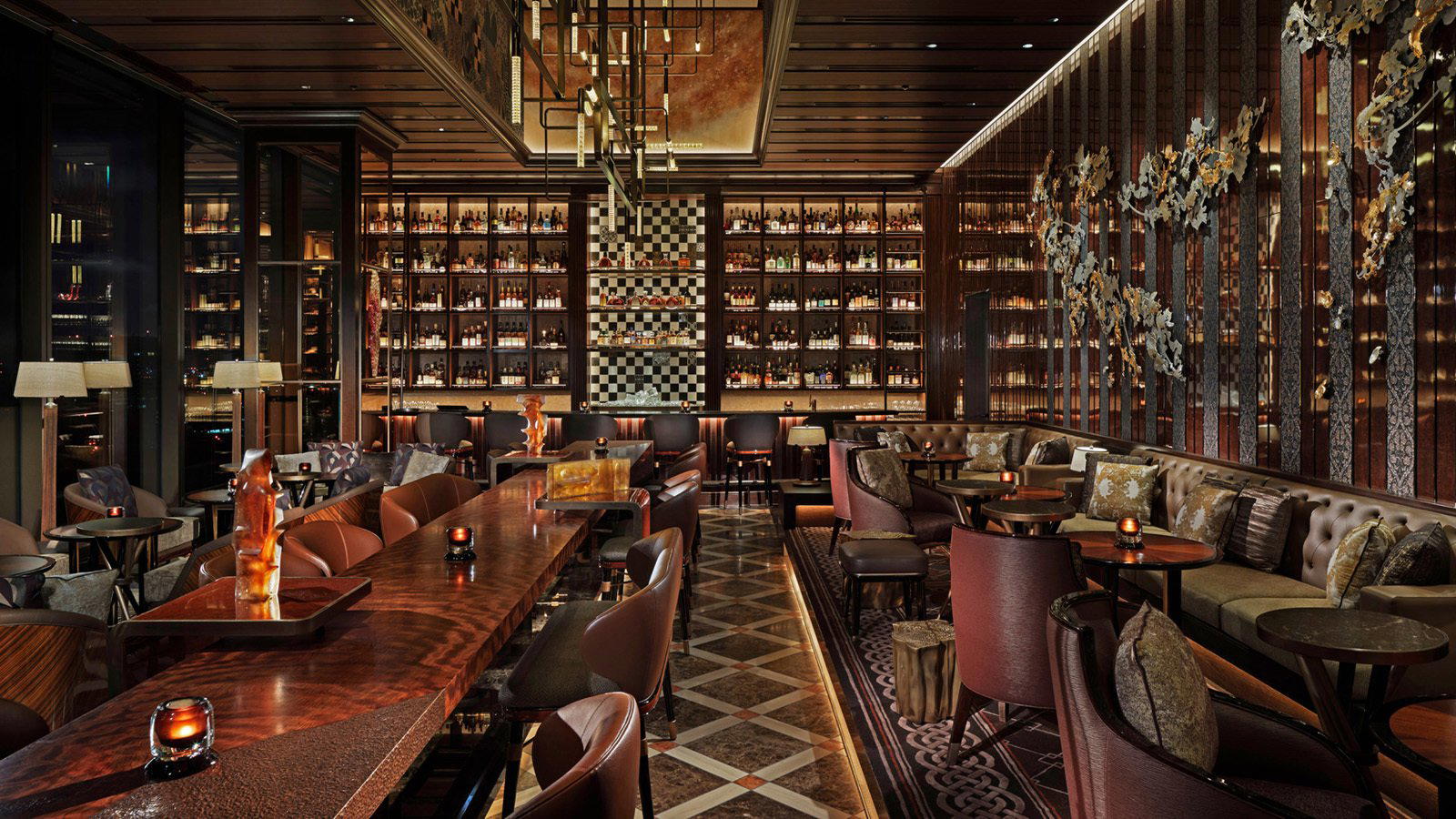
A small, classic Jinbocho curry house with an intimate, slightly upscale feel; warm lighting, jazz in the background, and a calm, refined atmosphere compared with neighboring curry shops.