
Our verdict
In Higashiyama Ward, a short walk from Gion's stone-paved lanes, Toriyasa operates as one of Kyoto's few dedicated yakiniku addresses with recognition from Opinionated About Dining's Top Restaurants in Japan (2023). The format follows the grill-at-table tradition, Tuesday through Sunday evenings, in a neighbourhood better known for kaiseki than fire-cooked beef.

Pearl is the En Primeur Club membership app, where members save venues, book tables and use the concierge.
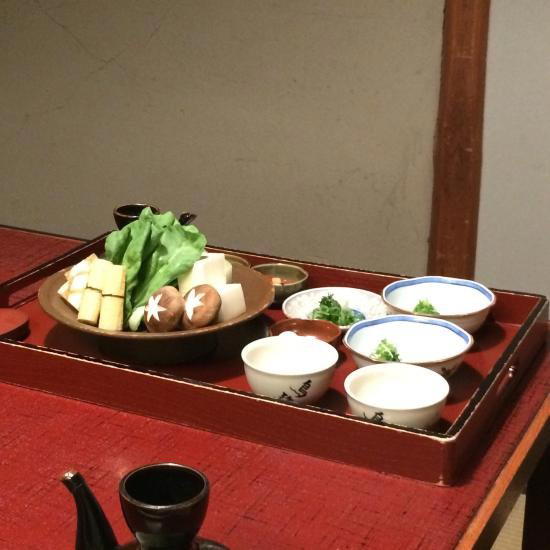
The menu
What to order
- Mizutaki nabe
- Chicken mizutaki
- White meat soup
Yakiniku in Kaiseki Country
Kyoto's restaurant identity is so firmly tied to kaiseki, the seasonal, multi-course tradition practiced at places like Gion Sasaki, Hyotei, and Kikunoi Honten, that formats built around grilled meat occupy an almost countercultural position in the city's dining hierarchy. Yakiniku arrived in Japan as a postwar urban format, shaped heavily by Korean barbecue traditions and refined over decades into a category with its own price tiers, beef grading protocols, and counter culture. In Tokyo, top-end yakiniku commands comparable spend to omakase sushi. In Kyoto, the format is rarer, and venues that earn critical recognition within it sit in a more exposed position: there are fewer direct peers, and the comparison set often reaches across to Osaka or Tokyo rather than down the street.
Toriyasa, at 18 Benzaitenchō in Higashiyama Ward, sits inside this gap. Higashiyama is one of Kyoto's most historically weighted neighbourhoods, the ward runs along the base of the Higashiyama mountain range, connecting Gion to Kiyomizudera through streets that have functioned as a cultural and commercial corridor for centuries. The address places Toriyasa within walking distance of both the dense restaurant cluster around Gion and the quieter residential pockets further east, making it accessible to visitors staying in the traditional inn district while serving a local clientele that returns specifically for yakiniku in a city that rarely offers it at this level.
What OAD Recognition Means in Practice
Opinionated About Dining's Leading Restaurants in Japan list, from which Toriyasa received a Recommended designation in 2023, operates differently from Michelin. OAD rankings are built from crowdsourced reviews by a self-selecting pool of experienced diners and food professionals, weighted toward repeat visitors rather than anonymous inspectors. A recommendation from OAD in the Japan context, where the list covers thousands of restaurants across an intensely competitive field, signals peer recognition rather than institutional endorsement. It places Toriyasa in a peer group that includes some of Japan's most discussed dining addresses, though at the Recommended tier rather than the ranked positions held by the country's most-discussed kaiseki rooms, the designation functions primarily as a signal that the venue has cleared a quality threshold noticed by people who eat widely and critically.
For context, Kyoto kaiseki venues like Mizai and Isshisoden Nakamura occupy a different tier of institutional recognition, with Michelin stars and decades of operational history. Toriyasa operates in a separate category entirely, which makes the OAD nod more pointed: it suggests the venue is doing something worth tracking within its own format, not merely surviving in a city that privileges other traditions.
The Higashiyama Setting
The ward's character matters to how an evening at Toriyasa sits within a Kyoto itinerary. Higashiyama runs between two of the city's most visited tourist corridors, the Gion district to the north and the Kiyomizudera approach to the south, but the residential streets between them thin out quickly after dark. By early evening, the souvenir shops along Ninenzaka and Sannenzaka are closed, the day-trip crowds have moved on, and the neighbourhood shifts toward a quieter register suited to multi-hour dinners. An evening session at a yakiniku counter fits that tempo: the format is not rushed, smoke and char accumulate slowly, and the meal extends naturally over two to three hours.
The address at Benzaitenchō is within the ward's more residential band, away from the main tourist paths. That positioning tends to filter the clientele toward people who have made a deliberate choice rather than stumbling in from the main sightseeing circuit. Venues that sustain a 4.4 across triple-digit reviews in a competitive Japanese city are typically maintaining consistency rather than occasionally exceeding expectations.
How Yakiniku Works as a Format
For readers approaching Kyoto primarily through its kaiseki tradition, the yakiniku format is worth understanding on its own terms before the visit. Diners grill their own cuts over charcoal or gas at a table-mounted grill, with beef graded under Japan's strict A3-to-A5 system. The sequencing typically moves from lighter cuts and offal through to more heavily marbled beef, with accompanying rice, pickles, and soup appearing toward the end. The interaction is more participatory than kaiseki, the kitchen's work is in the sourcing and preparation of cuts, while the guest controls the cook time and char level at the table. At mid-to-upper-tier addresses, wagyu from named prefectures and premium grades drives the price and the conversation.
Japan's yakiniku scene has diversified considerably in recent years, with dedicated counters in Tokyo like Cossott'e pushing the format toward a more curated, omakase-inflected experience, and international operations like Gyu-Kaku in Los Angeles extending the format's global reach at the casual end. Toriyasa operates in the domestic, mid-to-upper register of that spectrum, without the theatrical trappings of Tokyo's premium counter format, but with enough critical traction to suggest the sourcing and execution hold up.
Planning an Evening Visit
Toriyasa opens Tuesday through Friday and Saturday from 5pm, closing at 10pm, and is closed Sunday and Monday. The Monday and Sunday closure is common among smaller Kyoto dining rooms that prioritize weekend service density over a seven-day schedule. Booking ahead is advisable; the venue's recognition and Higashiyama address make it a likely destination for visitors with some research invested in the trip, and evening slots at recognized restaurants in Kyoto fill faster than the city's relatively calm street-level atmosphere suggests. No booking method is listed in available data, so confirming through the venue directly or via a hotel concierge is the practical approach.
For visitors building a broader Kyoto dining itinerary, the city's kaiseki offer remains the primary draw: the concentrated depth of tradition at addresses like Gion Sasaki and Hyotei is not replicated elsewhere in Japan at the same density. But an evening built around yakiniku at Toriyasa provides a different frame on the city's food culture, less ceremonial, more immediate, and anchored in a neighbourhood that earns its atmosphere after the day-visitors leave. For broader Japan dining planning, our guides to Harutaka in Tokyo, HAJIME in Osaka, akordu in Nara, Goh in Fukuoka, 1000 in Yokohama, and 6 in Okinawa cover the wider field. You can also explore our full guides to Kyoto restaurants, Kyoto hotels, Kyoto bars, Kyoto wineries, and Kyoto experiences.
Frequently asked questions
What should I order at Toriyasa?
What the yakiniku format generally rewards, at venues at this recognition level, is working through the cut progression as the kitchen sequences it: lighter pieces and more textural cuts early, then marbled beef at peak grill temperature, with rice and pickles as anchors at the close. Confirming current availability and any set menu options at the time of booking will give a more accurate picture than any fixed recommendation.
The Quick Read
Comparable venues nearby, for context on price, style, and recognition.
| Venue | Cuisine | Price | Awards | Notes |
|---|---|---|---|---|
| ToriyasaThis venue (the venue you are viewing) | Traditional Japanese Mizutaki | $50–100 | Not listed | Not listed |
| SUI Fine Dining Restaurant | Modern Japanese Omakase | Not listed | Not listed | Higashiyama, Modern Japanese Omakase |
| 葵献心 やま田 | Kaiseki Kyoto Cuisine | $100–150 | Not listed | Shimogamo, Kaiseki Kyoto Cuisine |
| Tha Sakai | Modern Wood-Fired Japanese | Not listed | Not listed | Sakyō, Modern Wood-Fired Japanese |
| Sangencha | Michelin-Starred Seasonal Kaiseki | $150–200 | Tabelog Bronze #385 | Higashiyama, Michelin-Starred Seasonal Kaiseki |
| Shoraian | Traditional Tofu Kaiseki | $50–100 | Not listed | Ukyō, Traditional Tofu Kaiseki |
Recognition history
Dated appearances from independent guides and award organizations, with the underlying list record or original source where available.
Opinionated About Dining Casual in Japan Highly Recommended
Opinionated About Dining
Full recognition history (2 entries)
Opinionated About Dining Top Restaurants in Japan Recommended
Opinionated About Dining
Continue exploring
More in Kyoto
More from Chef Various
Browse all →
Restaurants in Kyoto
All restaurants in Kyoto →
Bars in Kyoto
All bars in Kyoto →
Hotels in Kyoto
All hotels in Kyoto →
Wineries in Kyoto
Browse all →
Details
- Romantic
- Classic
- Scenic
- Elegant
- Intimate
- Well Known
- Date Night
- Special Occasion
- Celebration
- Group Dining
- Historic Building
- Waterfront
- Private Dining
- Terrace
- Local Sourcing
- Waterfront
- Set Menu
- Prix Fixe
- Plum Wine
- Sake
Warm, traditional Japanese atmosphere with soft lighting in tatami rooms overlooking the Kamo River; intimate and serene with staff in kimonos creating a homey yet refined dining experience.