Tucked into the historic Gionmachi Minamigawa address in Higashiyama Ward, 鮨よし田 represents the quieter, more deliberate end of Kyoto's sushi scene. In a city that orients its leading meals around kaiseki pacing and seasonal restraint, an Edomae-influenced counter here occupies a specific and considered position. Reservations are advised well in advance, particularly for visitors arriving during Kyoto's peak spring and autumn windows.
Pearl is the En Primeur Club membership app — saves, bookings, and concierge access live there. Same editors, same standards.
- Address
- 570-179 Gionmachi Minamigawa, Higashiyama Ward, Kyoto, 605-0074, Japan
- Phone
- +818038004439
- Website
- gion-yoshida.com
- Directions
- Get directions
 Saves & bookings on Pearl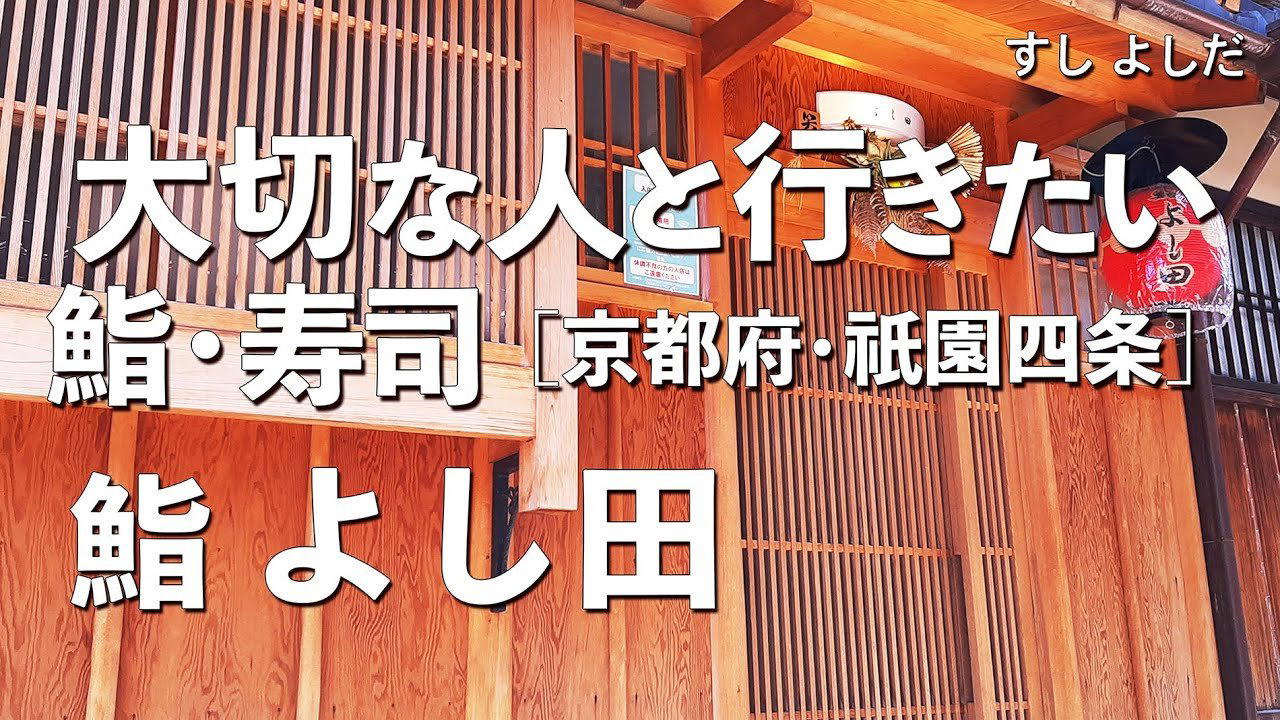
Gion's Counter Culture
The address alone positions 鮨よし田 within one of Japan's most loaded dining corridors. Gionmachi Minamigawa, the southern stretch of Gion, runs parallel to the Shirakawa canal and behind the preserved machiya townhouses that define Higashiyama Ward's streetscape. This is the neighbourhood where Gion Sasaki and a handful of similarly calibrated kaiseki rooms have trained visitors to expect a particular register: quiet, formal, deliberate. A sushi counter on this street accepts those terms by geography alone. You arrive through a neighbourhood that has already set the pace.
Kyoto's relationship with sushi differs structurally from Tokyo's. The capital's Edomae tradition, vinegar-dressed rice, fish aged precisely, nigiri served in rapid sequence by a chef who reads the counter, developed around the cadence of a metropolis. Kyoto moves differently. Its leading meals, from the kaiseki rooms at Hyotei to the seasonal precision of Kikunoi Honten, are built around interval and intention. A sushi counter in this city absorbs those values whether it plans to or not. The ritual of omakase, surrendering course order and selection to the chef, finds natural alignment with a city whose dining culture already treats the meal as a sequence to be received, not negotiated.
The Ritual of the Omakase Counter
Across Japan's premier sushi counters, from the Ginza rooms to smaller regional addresses like Harutaka in Tokyo, the format imposes its own etiquette. Seats are few. Conversation follows the chef's rhythm. Nigiri arrives in a sequence that typically moves from lighter white fish through richer, fattier cuts, with uni and toro reserved for the meal's deeper register. At a counter of this format, the timing of each piece is not incidental, it is the structure of the experience. Fish that arrives cold or warm depending on the intended effect, rice that has been seasoned to complement rather than compete, the brief moment between placement and the implicit signal to eat: these are not flourishes. They are the grammar of the form.
Kyoto's sushi counters operate within this grammar while inflecting it with local supply logic. The city sits inland, which historically oriented its cuisine toward preserved and pickled ingredients rather than raw fish landed hours earlier. Today, that constraint has inverted: Kyoto's position at the intersection of regional distribution networks means a skilled counter can source from the Sea of Japan to the north, the Seto Inland Sea to the south, and the mountain rivers in between. The seasonal calendar that governs kaiseki kitchens like Mizai applies with equal force to a counter working within the omakase format. What the sea offers in January differs from what arrives in October, and a committed counter reflects that difference in every sequence it builds.
Placing 鮨よし田 in Kyoto's Dining Tier
Kyoto's high-end dining operates in a competitive set that is unusually dense for a city of its size. The concentration of Michelin-recognised kaiseki rooms, from Isshisoden Nakamura to the broader field documented in our full Kyoto restaurants guide, means that any serious dining room must position itself clearly within a known tier. The leading bracket runs at price points that align Kyoto with Osaka's most ambitious addresses, venues like HAJIME, and against which a sushi counter is judged not only on fish quality but on the coherence of its format, the discipline of its pacing, and the cumulative logic of its sequence.
Within Kyoto's sushi-specific sub-set, the Gion address carries weight. Comparable counters in other Japanese cities, Goh in Fukuoka, or the quietly regarded counter in Nanao on the Noto Peninsula, suggest that regional sushi outside Tokyo increasingly competes on provenance specificity rather than Edomae orthodoxy. A Gion counter benefits from the neighbourhood's existing dining authority while operating in a format that remains less saturated in Kyoto than kaiseki. That gives it a distinct position: serious enough in ambition to draw visitors comparing it to destination-tier restaurants internationally, but rooted enough in local supply logic to read as distinctly Kyoto rather than a transplanted Tokyo model.
Seasonal Timing and the Gion Context
Kyoto concentrates its visitor pressure into two intense windows: late March through early May for cherry blossom, and mid-October through November for autumn foliage. Both periods compress reservation availability across the city's leading rooms. Counter formats, which operate with small seat counts by design, feel this pressure first. The practical implication for any serious counter in Higashiyama Ward is that availability during peak season requires planning measured in months, not weeks.
Outside those windows, Kyoto's dining scene offers a different rhythm. The summer months bring ayu, sweetfish from the Kamo and Oi rivers, and the period between July's Gion Matsuri and the autumn colour season is quieter, with reservations more accessible and the city's professional dining rooms operating without the strain of peak-season volume. For visitors whose meal at a counter of this format is a priority rather than an afterthought, the shoulder-season case is clear. Comparable seasonal logic applies to other regional Japanese counters that draw on mountain and lake supply chains with pronounced seasonal cycles.
Planning Your Visit
| Venue | Format | Price Tier | Booking Lead Time |
|---|---|---|---|
| 鮨よし田 | Sushi counter, Gion | Not confirmed | Recommend 1-2 months minimum; longer during peak season |
| Gion Sasaki | Kaiseki, Gion | ¥¥¥¥ | Several months in advance |
| Hyotei | Kaiseki | ¥¥¥¥ | Several months in advance |
| Kikunoi Honten | Kaiseki | ¥¥¥¥ | 2-4 weeks typical |
Direct approach through a hotel concierge familiar with Gion's dining circuit, or through a specialist Japan reservation service, is the practical route for first-time visitors. The Higashiyama Ward location is accessible on foot from Gion-Shijo Station on the Keihan Line, with the walk through the southern Gion streets adding useful orientation before the meal. For visitors building a broader Kyoto dining itinerary, the extended coverage in our Kyoto guide maps comparable rooms across the city's neighbourhoods. Those interested in how Kyoto's dining compares to other Kansai destinations might also consider akordu in Nara as part of a wider regional programme.
Cuisine Context
Comparable venues nearby, for context on price, style, and recognition.
| Venue | Cuisine | Price | Notes |
|---|---|---|---|
| 鮨よし田This venue — the venue you are viewing | Edomae Sushi with Kyoto Influences | $$$$ | Not listed |
| 祇園 さゝ木 | 京割烹 | $$$$ | 祇園四条 |
| 鮨 楽味 | Traditional Kyoto Kaiseki | $$$$ | Higashiyama |
| 大鵬 | Authentic Kyoto Kaiseki | $$$$ | Nakagyō |
| Restaurant MAEKAWA | Modern Japanese Ryoriya | $$$$ | Higashiyama |
| 葵献心 やま田 | Kaiseki Kyoto Cuisine | $$$$ | Shimogamo |
Continue exploring
More in Kyoto
Restaurants in Kyoto
Browse all →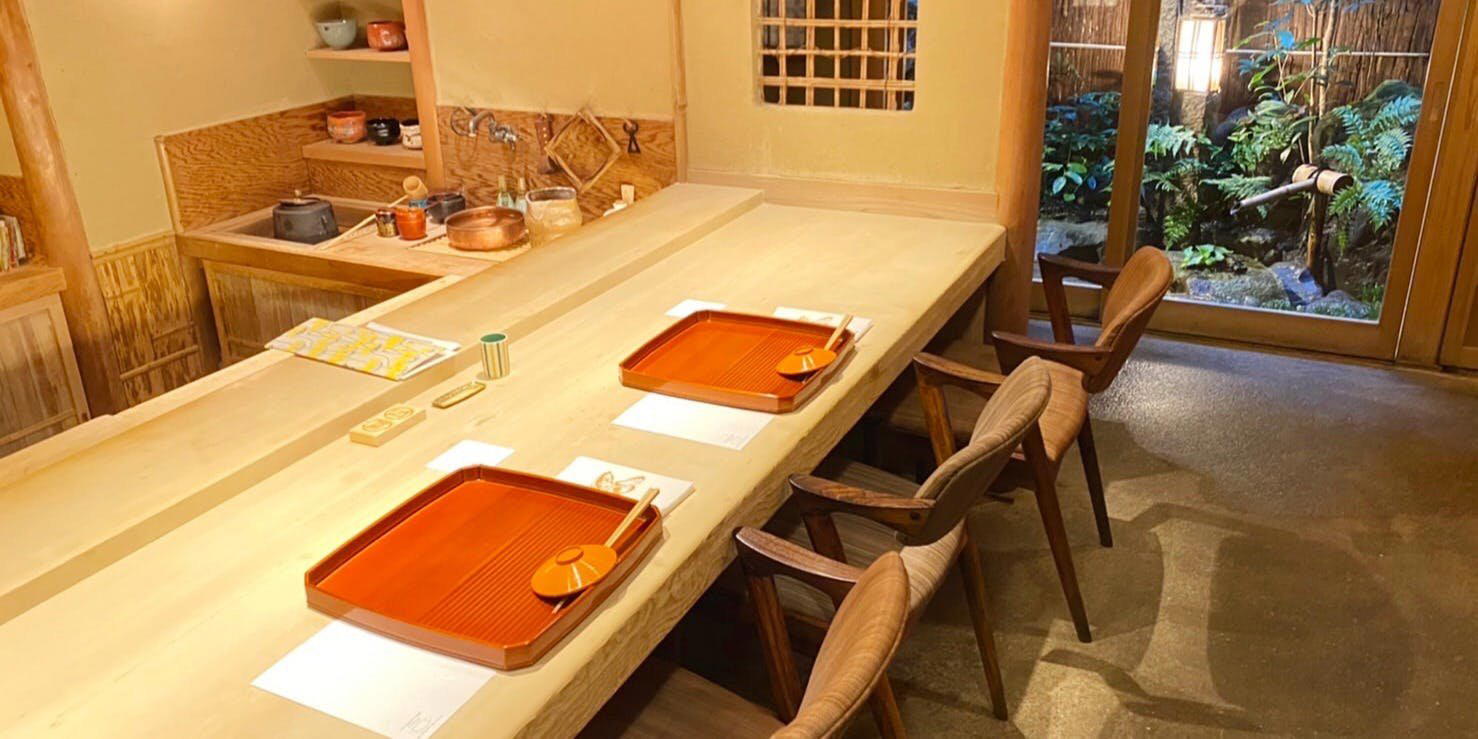
Bars in Kyoto
Browse all →
Hotels in Kyoto
Browse all →
Wineries in Kyoto
Browse all →
At a Glance
- Elegant
- Intimate
- Sophisticated
- Date Night
- Special Occasion
- Chefs Counter
- Sake Program
Current opening hours
- Monday
- Closed
- Tuesday
- 11:30 AM–1:30 PM, 5:30–9:30 PM
- Wednesday
- 11:30 AM–1:30 PM, 5:30–9:30 PM
- Thursday
- 11:30 AM–1:30 PM, 5:30–9:30 PM
- Friday
- 11:30 AM–1:30 PM, 5:30–9:30 PM
- Saturday
- 11:30 AM–1:30 PM, 5:30–9:30 PM
- Sunday
- 11:30 AM–1:30 PM, 5:30–9:30 PM
Hours can change for holidays and private events. Last verified .
Clean, elegant counter-only space with a refined and sophisticated atmosphere.