Tokyo's fine dining scene runs deep, and Tengoku operates within a city where menu architecture is itself a statement of culinary intent. Positioned among the capital's serious tasting-format restaurants, it draws comparisons to peers across kaiseki, French, and contemporary Japanese traditions. Advance planning is advisable for any table in this tier.
Pearl is the En Primeur Club membership app — saves, bookings, and concierge access live there. Same editors, same standards.
- Address
- Tokyo, Japan
- Directions
- Get directions
 Saves & bookings on Pearl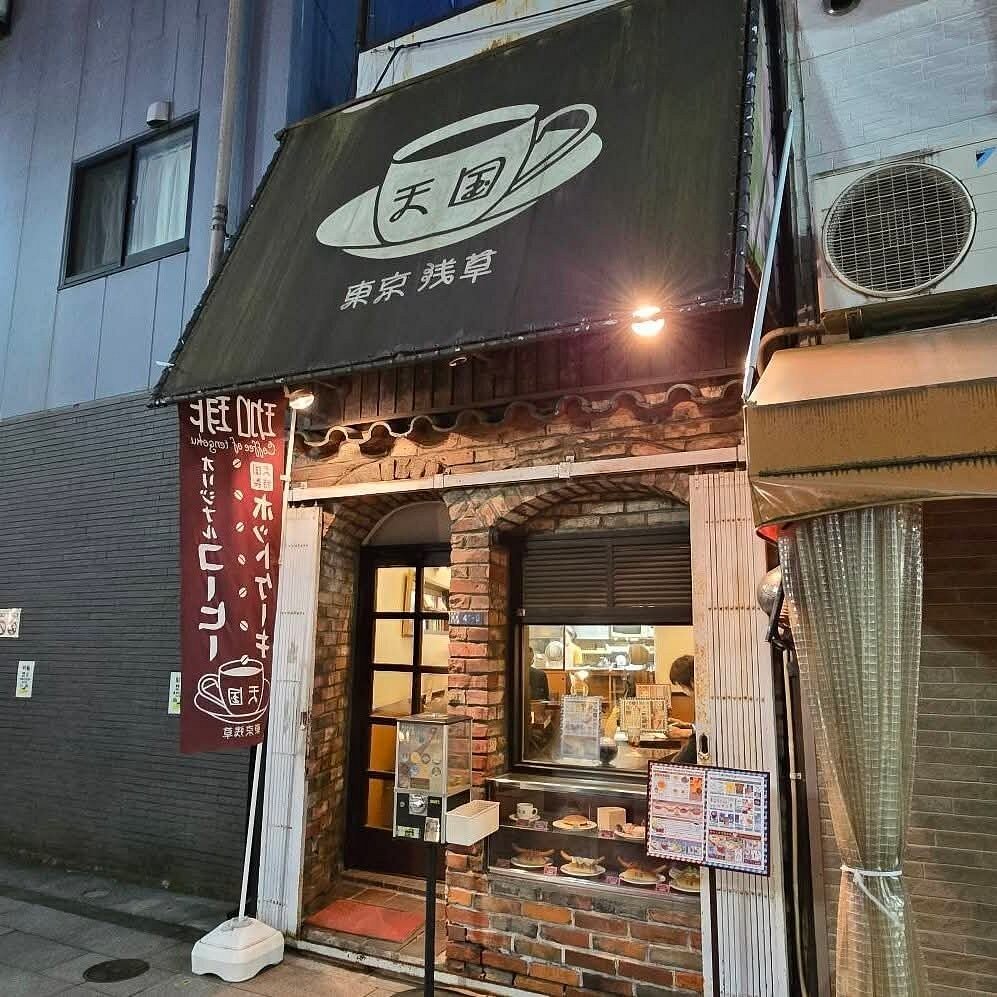
Reading the Room: How Tokyo's Tasting Menus Reveal Themselves
In Tokyo, how a kitchen structures its menu is rarely incidental. The sequence of courses, the ratio of raw to cooked, the moment at which rice appears, the decision to cross into European technique or stay resolutely within Japanese form: each of these choices positions a restaurant within a competitive set that diners in this city read with unusual precision. Tengoku is a Retro Japanese Cafe in Tokyo with a casual dress code and walk-in-friendly service.
Tokyo currently holds more Michelin stars than any other city in the world, a distinction that has held for over a decade. Within that context, the upper tier of tasting-menu restaurants has separated into recognisable sub-groups: the kaiseki houses that treat seasonal produce as doctrine, the French-influenced rooms that blend technique across traditions, and the contemporary Japanese formats that sit at the intersection of both. Tengoku's place within that typology is what any first visit will clarify.
The Architecture of What Arrives
Menu architecture at serious Tokyo restaurants tends to operate on logic that rewards attention. A kaiseki sequence, for instance, builds from light to substantial, from raw to cooked, from restrained to resonant, following a grammar codified over centuries in Kyoto before Tokyo adapted it to its own faster, denser register. Restaurants like RyuGin have spent years demonstrating how that grammar absorbs seasonal produce without losing its structural integrity. Contemporary French rooms in the city, such as L'Effervescence and Sézanne, work from a different skeleton: one built on European classical form but sourced almost entirely from Japanese producers.
What the menu structure of any restaurant in this tier tells you is where the kitchen's allegiances lie. A menu that opens with something delicate and cold and closes with a composed dessert built on fermented dairy signals one set of influences. A menu that moves from dashi-based broths through grilled fish to a rice course closing with pickles signals another. The decision is philosophical before it is culinary, and in Tokyo, diners arrive having thought about it.
Tengoku operates within this environment, where the structure of what is served functions as the primary argument a kitchen makes about itself.
Tokyo's Tasting-Format Tier: Where Tengoku Sits
The restaurants that occupy the serious dining tier in Tokyo share certain characteristics regardless of cuisine type. Harutaka, operating at the ¥¥¥¥ level in the sushi omakase format, books weeks to months ahead depending on season. Crony, working in an innovative French register at the same price point, draws a comparable planning timeline.
Tengoku's price tier is modest, with a typical spend of about $8 per person. Tengoku operates within the same structural conditions.
HAJIME in Osaka, Gion Sasaki in Kyoto, and akordu in Nara each demonstrate how the format travels across the country while absorbing local produce and tradition. Goh in Fukuoka extends the model to the south. Further afield, Le Bernardin in New York and Atomix, also in New York, offer a reference point for how the high-format tasting model translates into different urban dining cultures entirely.
The City Context: Why Tokyo Demands This Level of Attention
Tokyo's dining culture sets a standard for operational precision that is difficult to overstate without resorting to the kind of generalisation that does it a disservice. Service timing in the city's serious restaurants is calibrated to a degree that would read as theatrical elsewhere but registers as normal here. Ingredient sourcing, particularly for seafood and seasonal produce, is treated as a primary creative act rather than a supporting function. The kitchen operates in a city where the supplier network, the wholesale market infrastructure, and the customer expectation all align around quality as a baseline rather than a differentiator.
That environment shapes what every restaurant at this level must do simply to maintain position, let alone distinguish itself. Beyond Tokyo, the regional restaurant scene across Japan offers further reference points: 一本木 名川製 in Nanao, 古代山乃 in Sapporo, 湖畔荘 in Takashima, 羽根屋 in Nishikawa Machi, Birdland in Sakai, and Bistro Ange in Toyohashi each illustrate how Japan's culinary seriousness distributes beyond its capital. Tengoku competes in the densely contested node of that network.
Planning Your Visit
Tengoku is walk-in-friendly.
Dress at Tengoku is casual. Arriving on time is treated as a baseline courtesy in a city where the kitchen sequences courses around the table rather than around individual pace.
Style and Standing
Comparable venues nearby, for context on price, style, and recognition.
| Venue | Cuisine | Price | Notes |
|---|---|---|---|
| TengokuThis venue — the venue you are viewing | Retro Japanese Cafe | $$ | Not listed |
| Mahakala | Kushikatsu Izakaya | $$ | Meguro |
| Sake to Misonikomi Misonikomin | Japanese Udon / Miso Nikomi | $$ | Bunkyō |
| Soba Zabou | Traditional Japanese Soba | $$ | Nishi-Hachioji |
| Yoshida Curry | Japanese curry & keema curry shop | $$ | Suginami |
| Otsuka Miyaho | Japanese Izakaya & Ramen | $$ | Toshima |







At a Glance
- Retro
- Cozy
- Intimate
- Casual Hangout
- Standalone
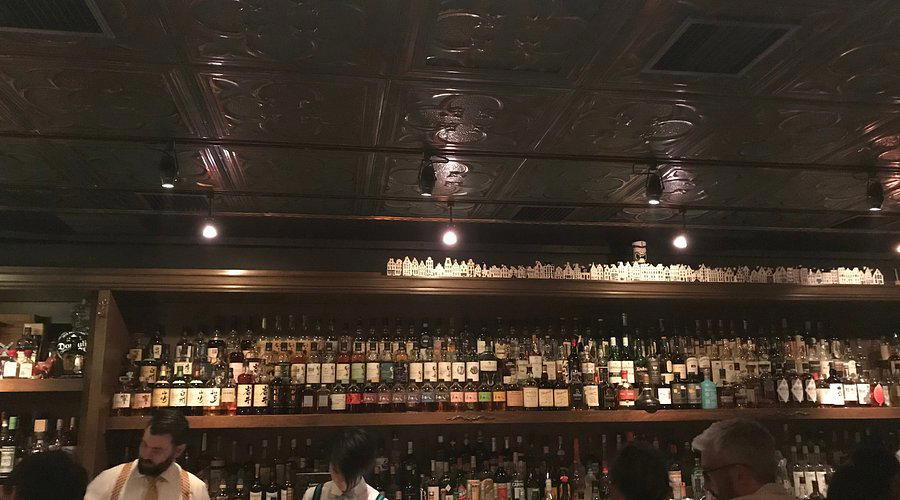
Distinctive retro atmosphere in a tiny, cozy space seating about 16 people with nostalgic decor.