
Tokyo curry culture rewards specialization as much as luxury, and Yoshida Curry sits in that compact, serious tier: nine seats, Ogikubo address, curry and Indian curry focus, and repeated Tabelog Curry 100 selection through 2024. The appeal is less about ceremony than control, with pricing in the JPY 2,000–2,999 range and a format that makes timing, capacity, and payment habits part of the decision.
Pearl is the En Primeur Club membership app — saves, bookings, and concierge access live there. Same editors, same standards.
- Address
- 東京都杉並区天沼3-8-2 2F
- Website
- tabelog.com
 Saves & bookings on Pearl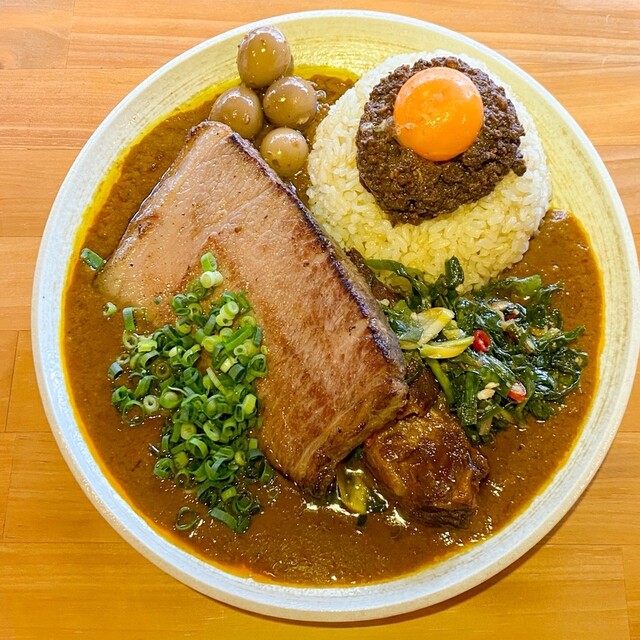
Ogikubo does not perform for visitors like Ginza or Shibuya. It is residential, practical, and railway-led, which is why Tokyo’s curry culture fits. City curry is not one genre: it runs from kissaten-style plates and spice-led independents to Indian curry counters and hybrids that treat rice, sauce, heat, and garnish as a disciplined grammar. Yoshida Curry sits at the small-room end, where capacity and pacing shape the experience as much as the bowl.
That matters because Tokyo curry sits outside the usual luxury script: not omakase, kaiseki, or a grand dining room with a sommelier. Coordination is tighter and functional: kitchen rhythm, counter turnover, table timing, take-out handling, and payment that keeps the room moving. In a nine-seat restaurant, front-of-house is not theatre. It is the operating system.
Ogikubo curry, stripped to a small-room rhythm
Tokyo’s serious curry addresses ask diners to recalibrate expectations. Prestige is not expressed through linen, wine lists, or theatrical service, but through repetition, consistency, and public selection. Yoshida Curry has been selected for Tabelog Curry 100 across multiple years, including the Tokyo Curry 100 list in 2024, with earlier selections in 2017, 2018, 2019, 2020, 2022, and 2023. In a category of casual rooms and quick-service formats, that continuity signals more than décor.
The category label is telling: curry and Indian curry. Tokyo has adapted curry through Japanese home cooking, department-store dining floors, railway-station counters, South Asian kitchens, and independent spice specialists. A curry address can be inexpensive without being casual in ambition. Yoshida Curry’s listed spend is JPY 2,000–2,999 for both lunch and dinner, above everyday chain curry but far below prestige tasting menus. That middle band is where specialist comfort food gets interesting: enough price room for focus, not enough for ceremony to take over.
Ogikubo is not incidental. Western Tokyo neighbourhoods reward repeatable local formats over destination gloss, while the nearby station gives access without making the meal a central-city production. For travellers mapping Tokyo by genre rather than postcode, compare it not with high-spend sushi counters, but with focused, category-led restaurants doing one thing with intent. For broader planning, Our full Tokyo restaurants guide gives the wider restaurant map, while Our full Tokyo bars guide, Our full Tokyo hotels guide, Our full Tokyo wineries guide, and Our full Tokyo experiences guide help build the rest of the day.
Nine seats change the service equation
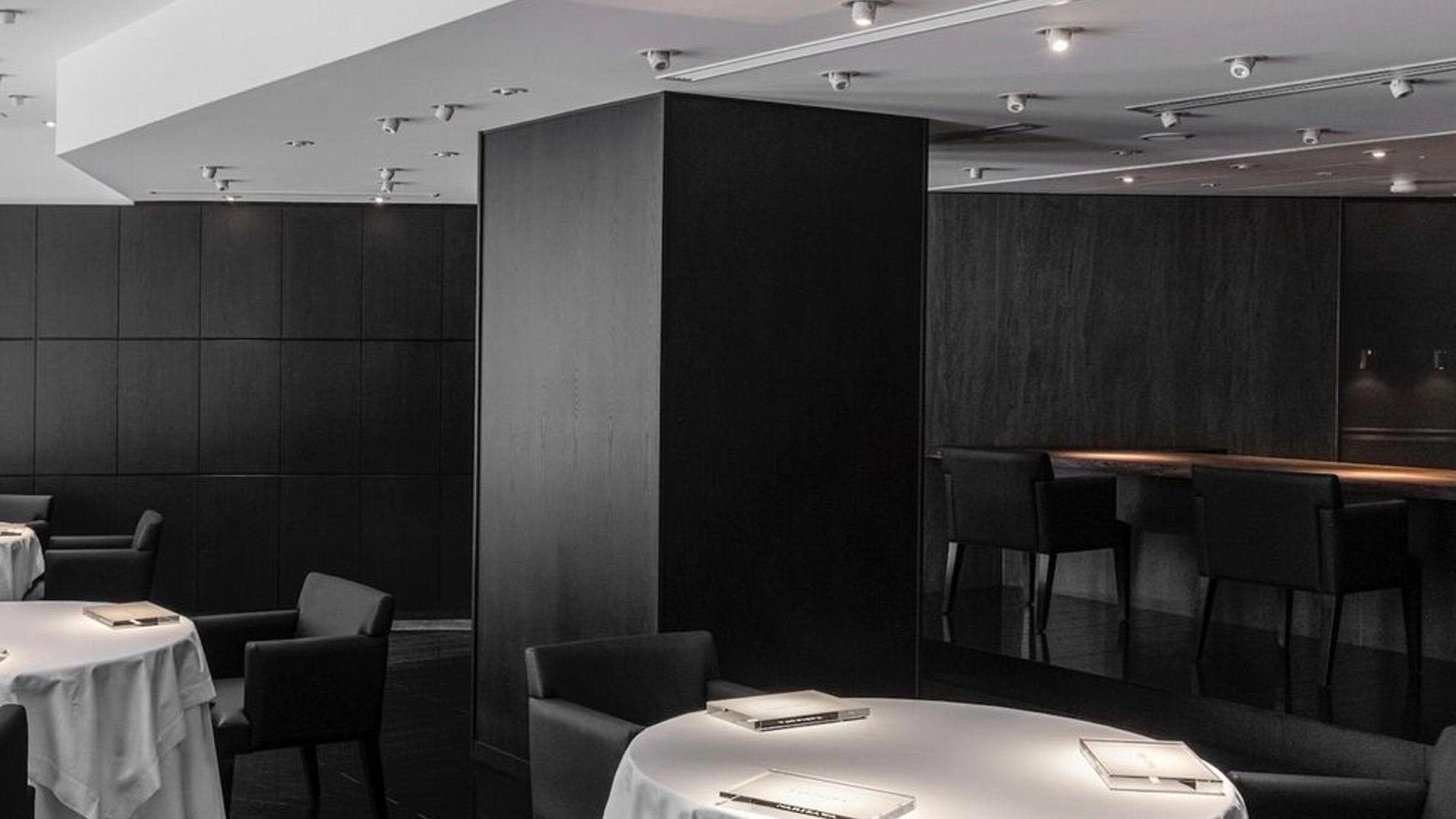
A room with three counter seats and six table seats forces collaboration. There is little buffer between cooking, plating, clearing, payment, and the next party’s arrival. In larger restaurants, hierarchy is visible: chef, service captain, sommelier, runner. Here, team dynamics compress into lean choreography. The useful measure is not charm, but whether the room holds pace without blurring the food’s focus.
Scale also affects demand. Reservations are listed as unavailable, so the meal belongs to Tokyo’s walk-in calculus, not its reservation arms race. This scarcity is not a members-only counter or hotel dining room with concierge access; it is physical: nine seats, limited service windows, and no private rooms. For visitors, it suits flexible dining windows more than tightly scheduled evenings.
Payment habits matter. Credit cards and electronic money are not accepted, while PayPay is listed. In small Tokyo restaurants, that can determine how smoothly the meal ends. The city is increasingly cashless in parts, yet specialist neighbourhood rooms run on their own logic. Amenities follow that pattern: no parking, non-smoking room, take-out available, BYO drinks listed. These details do not make it luxury; they define a serious local specialist with practical limits.
The peer context clarifies the choice. Indian Fu Curry Rice Supaisu operates in a comparable Tokyo curry price band, while 3 Chome no Curry Ya San is another specialist reference point on the city’s curry map. Other Tokyo restaurants in the wider EP Club directory, from 3 Chome no Curry Ya San to 12/10 Shinjuku ten, 124. KAGURAZAKA (Yakitori). 鮪と炭火焼き うお炭 秋葉原店, and 2D Cafe, show how narrow-format dining shifts by genre. Curry’s version is less a long arc than precision inside a compressed meal.
How to fit it into a Tokyo food day
The restaurant opened in 2011, giving it enough public life to read against Tokyo’s broader curry revival rather than as novelty. Treat it as a focused lunch or early dinner anchor in western Tokyo, not an all-evening event. It is useful for travellers who have spent heavily on sushi, tempura, or kappo and want a lower-spend meal with a stronger local signal than convenience.
Its 2024 Tabelog Curry 100 selection is the trust marker, but the editorial point is what that represents: a Tokyo category where small, inexpensive rooms can carry serious reputational weight. Curry is one of the city’s democratic cuisines, yet recognised addresses reward qualities diners also seek in higher-priced restaurants: control, repeatability, and a clear point of view. The restaurant’s scale makes those qualities visible.
Readers building a Japan itinerary around formats can use this stop as a counterweight to formal meals. For regional contrast inside the EP Club restaurant map, compare Tokyo’s curry rooms with [Curry Senmon Ten] Maruyama Kyoju. in Sapporo, or look to different Japanese dining contexts such as -Grilled beef Sukiyaki- KAMAKURA TANUKIAN 鎌倉 たぬき庵 in Kamakura, [ki:] in Kyoto.cafe in Osaka.know in Kumamoto, and (Shoku) Vietnam in Kawasaki. For overseas Japanese-adjacent reference points, Jōdo Saké Bar in Los Angeles and Onigiri Time in Pasadena sit in a different dining culture entirely.
The verdict is practical, not romantic: a compact Tokyo curry specialist with recognised category credentials, low-to-mid pricing, and a room small enough that timing matters. Go for the city’s curry intelligence, not ceremony.
A Tight Comparison
Comparable venues at the same tier for side-by-side context.
| Venue | Cuisine | Price | Notes |
|---|---|---|---|
| Yoshida CurryThis venue — the venue you are viewing | Not listed | $$ | Not listed |
| Yoshoku Miura Tei | Not listed | $$ | Nerima, Classic yoshoku (Japanese Western-style) counter |
| Wa kitchen Kanna | Not listed | $$ | Setagaya, Japanese set meals & creative kakigori café |
| Shinsen Horumon Sambyakuya | Shibuya, Japanese Yakiniku & Horumon | $$ | Not listed |
| Oboro | Minato, Japanese Izakaya | $$ | Not listed |
| Ishigama Bake Bread Sabo Tamutamu | Chiyoda, Japanese Bakery Cafe | $$ | Not listed |
Recognition history
Dated appearances from independent guides and award organizations, with the underlying list record or original source where available.
Tabelog 100 #88 · No. 88
Tabelog · Tabelog 100 - Curry - TOKYO - 2024












At a Glance
- Cozy
- Intimate
- Solo
- Casual Hangout
- After Work
- Late Night
- Standalone
- Byob
A small, no‑frills second‑floor curry shop with just a few counter and table seats, a somewhat tense, rules‑driven atmosphere, and a relaxed, simple space focused on quickly serving rich, hearty curry rather than lingering.