Michelin Plate
Our verdict
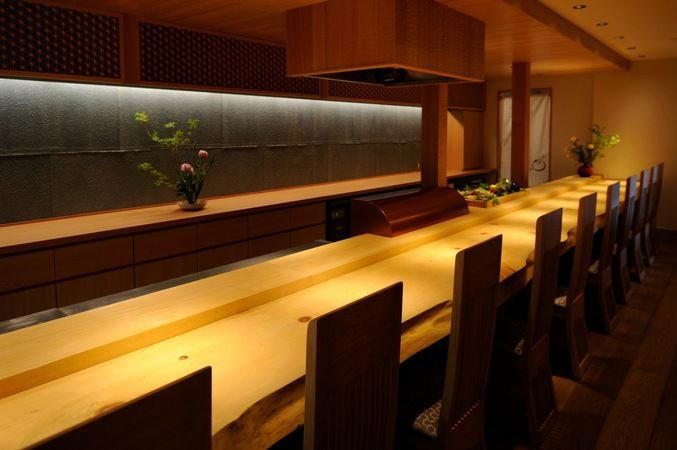
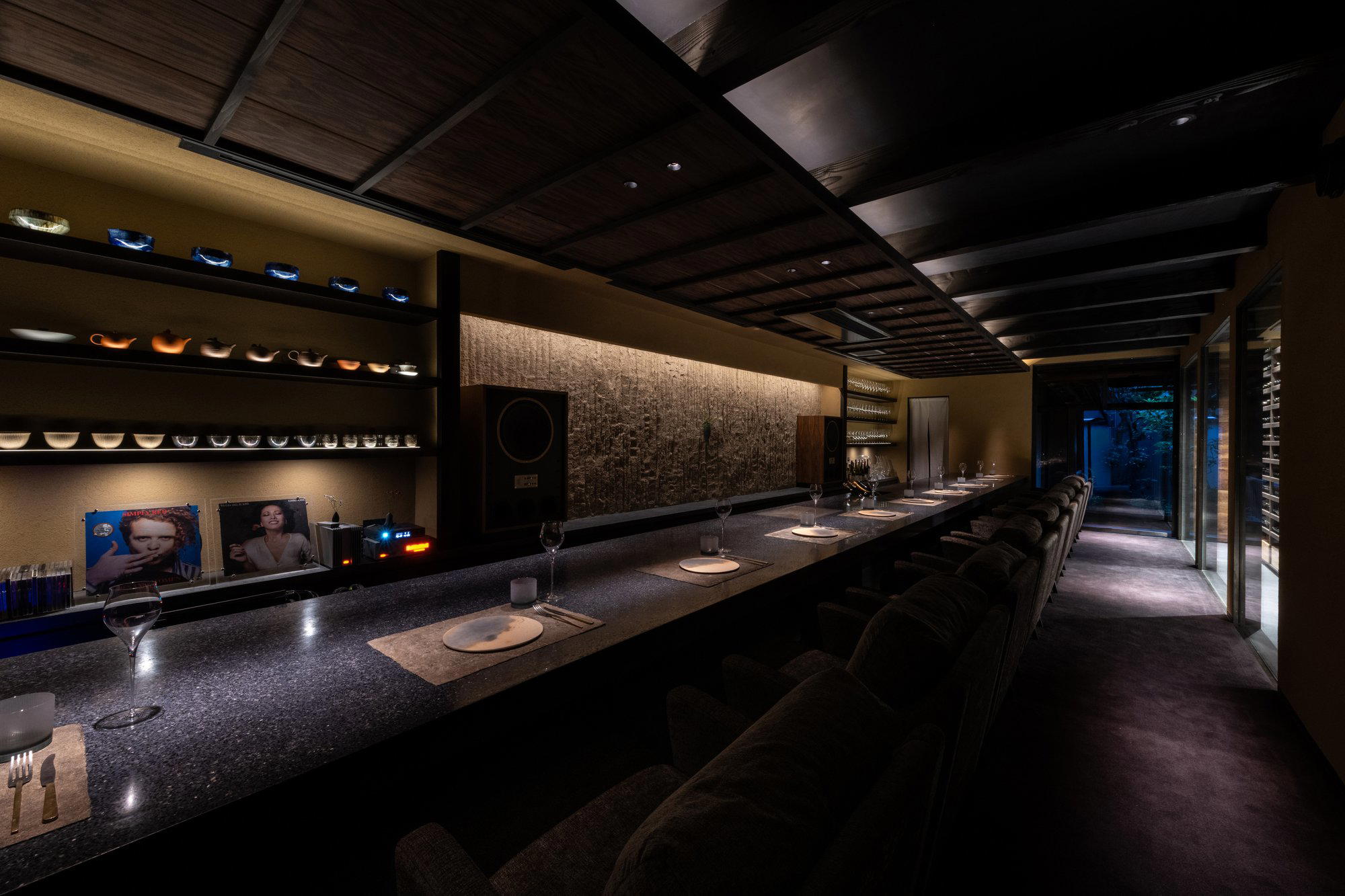
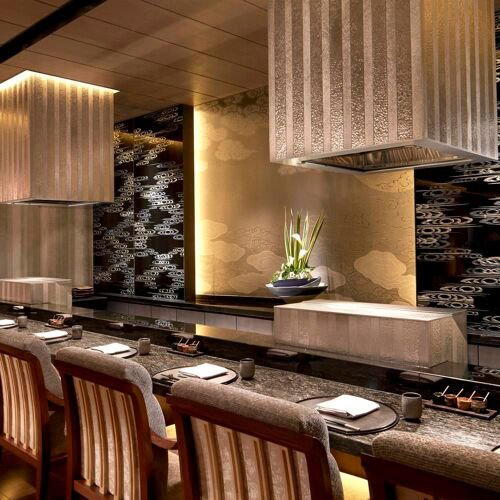
Tempura Mizuki sits on the Kamogawa at Nijo Bridge in Kyoto's Nakagyo Ward, where a Michelin Plate-recognised counter fries seasonal produce from Takagamine and seafood from Awaji Island in safflower oil. The result is a lighter coating than most tempura houses, and pairings like wagyu with perilla or egg yolk with caviar signal a kitchen working well beyond standard technique. Price range lands at ¥¥¥.

Pearl is the En Primeur Club membership app, where members save venues, book tables and use the concierge.
The menu
What to order
- Tiger prawn tempura
- Wagyu tempura
- Sweet potato tempura
At the Edge of the Kamogawa
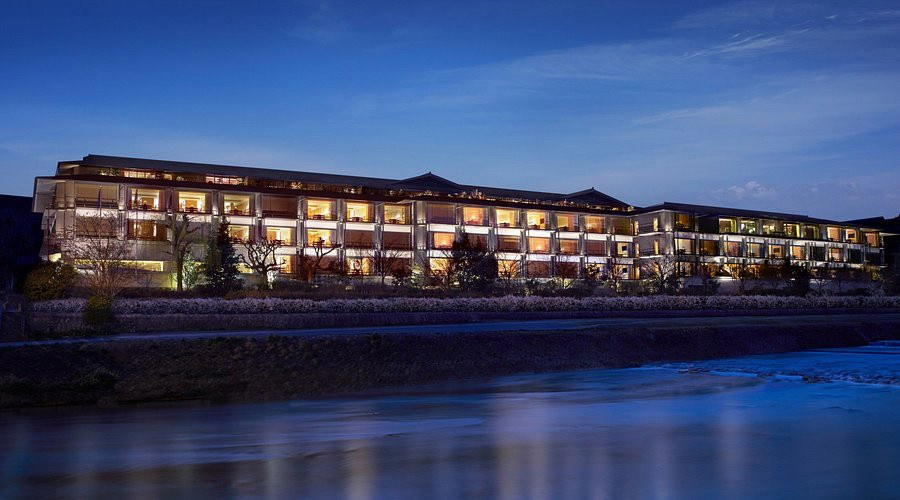
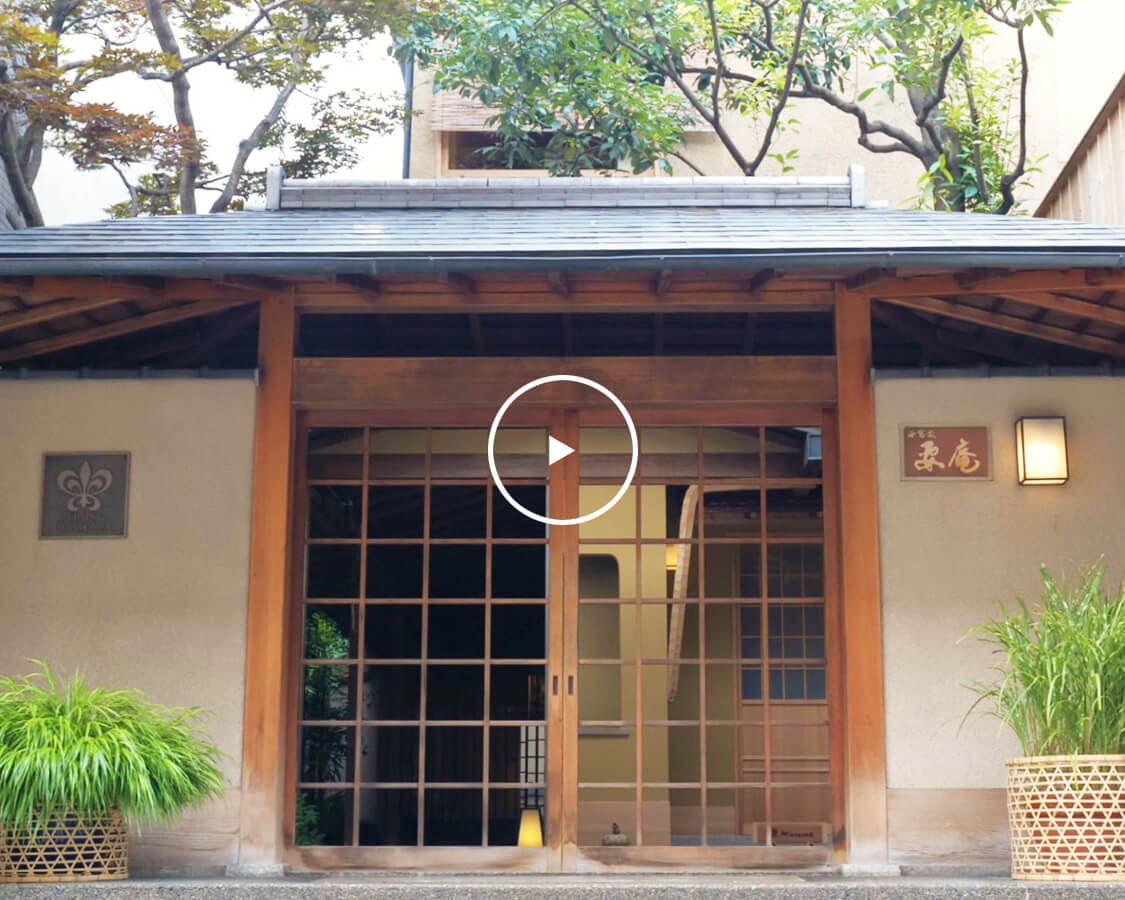
The approach to Tempura Mizuki sets the register before you've touched a menu. The address, Hokodencho 543, Kamogawa Nijo Ohashi-畔, places the restaurant at the bank of the Kamogawa river, directly beside the Nijo Bridge in Nakagyo Ward. In Kyoto, river-adjacent dining carries its own cultural weight: the Kamogawa has framed seasonal ritual for centuries, and a counter positioned there signals something deliberately considered about occasion and atmosphere. Arriving in autumn, the willows along the west bank are thinning; in summer, the banks fill with yuka dining platforms stretching south toward Gion. Tempura Mizuki occupies a quieter register than that spectacle, but it draws on the same geographic logic, place as participant in the meal.
Where Tempura Sits in the Kyoto Dining Conversation
Kyoto's fine dining identity leans heavily on kaiseki, and the city's Michelin-dense upper tier, venues like Gion Sasaki at ¥¥¥¥ and Ifuki at the same bracket, tend to reinforce that bias. Tempura as a serious counter format occupies a smaller, more specific niche here than it does in Tokyo or Osaka. That narrowness matters: a Kyoto tempura counter drawing on local agricultural networks is making a distinct argument about what the cuisine can do with this particular region's ingredients, rather than replicating the style that made the format famous in Edo-period Tokyo. Numata in Osaka and Mudan Tempura in Taipei each represent how the format travels and adapts; Mizuki's version is rooted in the specific agricultural geography of the greater Kyoto basin.
Within Kyoto's tempura tier, Tempura Mizuki holds a Michelin Plate for both 2024 and 2025, recognition that signals consistent kitchen execution without placing it in the starred bracket occupied by the city's kaiseki establishments. At ¥¥¥, it prices below the ¥¥¥¥ ceiling of venues like Kyoboshi and Gion Senryu, while still operating in the register where ingredient sourcing and counter technique are the point. For comparison, other respected Kyoto counters in the ¥¥¥ neighbourhood include Miyagawacho Tensho and Tenjaku, each with a distinct editorial identity. Enyuan Kobayashi operates in the kaiseki adjacent space at a similar price point and is worth considering if your occasion calls for a broader course structure.
The Logic of the Ingredients
Before the oil reaches temperature, the ingredients are presented to the counter. This is standard practice at serious tempura houses, but the sourcing that Mizuki assembles is worth reading as a map of Kyoto's agricultural districts. Vegetables arrive from Takagamine, the northern district long associated with Kyoto's refined vegetable culture, a tradition stretching back to the temple gardens that once defined the area, and from Shūgakuin, at the northeastern foot of Mount Hiei. Seafood comes from Awaji Island to the southwest and from Shizuoka, the coastal prefecture that supplies several of the country's elite dining counters. Safflower oil is the frying medium, a deliberate choice: it produces a coating that is lighter and less dominant than sesame oil, allowing the ingredient rather than the batter to carry flavour. In a cuisine where batter can easily become the story, this is a restraint-first technical decision with direct consequences on the palate.
The kitchen also works pairing logic into the sequence. Shrimp and conger eel fry alone, standard for items where the product can hold the attention. But elsewhere the approach shifts: sesame tofu appears with sea urchin, wagyu with perilla leaf, egg yolk with caviar. These combinations are not garnish decisions. They reflect an understanding of temperature, fat, and contrast, the warm richness of egg yolk against the salinity of caviar, the cut of perilla against beef fat. That level of compositional thinking places Mizuki in a different conversation from tempura-as-execution counters, where the fry itself is the only variable.
Tempura as an Occasion Format
In the context of milestone meals, tempura counters have a structural advantage that kaiseki can sometimes lack: the rhythm of service. Each piece arrives individually, fried to order, allowing conversation to pause naturally at the moment of eating and resume in the intervals. The format is intimate without being formal in the way that multi-course tasting menus can become, there's less ceremony around the sequence, and the counter format means you're oriented toward the kitchen rather than across a table in a way that focuses attention. For a significant birthday, a professional celebration, or any occasion where the meal itself should be the event rather than the backdrop to it, a well-run tempura counter achieves that without the infrastructural weight of a full kaiseki progression.
Mizuki's Kamogawa address adds to this logic. Milestone meals often benefit from a specific sense of place, and a counter overlooking or positioned beside one of Kyoto's most historically resonant waterways provides that without theatricality. The setting does the work quietly. Kyoto's wider occasion dining scene is populated by a tier of kaiseki houses where the ritual is almost as much the point as the food; here, the food is the point, and the place supports it.
Kyoto Region Cross-References
For those building a broader itinerary around serious dining in the Kansai region, HAJIME in Osaka operates at a significantly higher price point and represents the starred tier of progressive Japanese cuisine. akordu in Nara is worth noting if your travel extends east, it occupies a distinct European-Japanese position in Nara's much smaller dining scene. Further afield, Harutaka in Tokyo, Goh in Fukuoka, 1000 in Yokohama, and 6 in Okinawa round out the map for serious diners working through Japan's regional counter scene.
For a complete view of what Kyoto's dining, bar, accommodation, and experience options cover, and our full Kyoto experiences guide.
Planning Your Visit
Reservations: Budget: ¥¥¥, positioning this as a mid-to-upper tier counter below the ¥¥¥¥ bracket of Kyoto's kaiseki establishments. Location: Hokodencho 543, beside the Nijo Bridge on the Kamogawa, Nakagyo Ward, accessible from central Kyoto on foot from the Kyoto-Kawaramachi or Oike areas. Recognition: Michelin Plate 2024 and 2025.
Frequently asked questions
Is Tempura Mizuki expensive?
Pricing at Tempura Mizuki is listed as ¥¥¥.
What kind of cuisine does Tempura Mizuki serve?
What kind of recognition has Tempura Mizuki received?
Tempura Mizuki has received recognition including: Ingredients are presented before frying begins: vegetables from Takagamine and Shūgakuin, seafood from Awaji and Shizuoka. Safflower oil is used to achieve a light tempura coating. While some items, such as shrimp and conger eel, are fried ….
What do regulars order at Tempura Mizuki?
The kitchen's signature pairings are the clearest reason to visit: sesame tofu with sea urchin, wagyu with perilla leaf, and egg yolk with caviar. These combinations move the format beyond standard tempura sequencing and represent what separates Mizuki from the city's more conventional counters. Shrimp and conger eel are also fried as standalone pieces, letting the safflower oil coating speak without distraction.
Where do I go for Tempura Mizuki?
Tempura Mizuki is located at Japan, 〒604-0902 Kyoto, Nakagyo Ward, Hokodencho, 543 鴨川二条大橋畔, Kyoto.
How hard is it to get a table at Tempura Mizuki?
At the ¥¥¥ price tier with a Michelin Plate in both 2024 and 2025, Mizuki draws a focused audience rather than the volume traffic of a starred venue.
Compact Comparison
A small set of peers for context, based on recorded venue fields.
| Venue | Cuisine | Price | Awards | Notes |
|---|---|---|---|---|
| Tempura MizukiThis venue (the venue you are viewing) | Michelin-Starred Tempura | $200–300 | Michelin Plate | Not listed |
| Gion Sasaki | Modern Kaiseki | $300–500 | 3 Michelin Stars · La Liste Top Restaurants | Kaiseki, Japanese |
| cenci | Innovative Italian-Japanese Fusion | $100–150 | 1 Michelin Star · World's 50 Best #76 | Italian |
| Ifuki | Sumibi Kappo Kaiseki | $200–300 | 2 Michelin Stars · La Liste Top Restaurants | Kaiseki |
| Kyokaiseki Kichisen | Kyoto Kaiseki | $200–300 | 2 Michelin Stars · La Liste Top Restaurants | Japanese |
| Kyo Seika | Modern Chinese Fine Dining | $150–200 | 1 Michelin Star · Tabelog Bronze #216 | Chinese |
Recognition history
Dated appearances from independent guides and award organizations, with the underlying list record or original source where available.
Michelin Plate
Michelin
Full recognition history (3 entries)
Michelin Plate
Michelin
Michelin Plate
Michelin