

A Michelin-starred tempura kaiseki counter in Kyoto's Kamigyo Ward, Tenjaku operates on methods inherited across three generations, frying each ingredient separately in canola oil with a thin, lightly seasoned coating. The meal closes with clay-pot rice, and the house style of dressing tempura in chopped onions and mustard marks a deliberate departure from the neutral palates of most kaiseki formats. Rated 4.9 on Google from 71 reviews.
Pearl is the En Primeur Club membership app — saves, bookings, and concierge access live there. Same editors, same standards.
- Address
- Japan, 〒602-8475 Kyoto, Kamigyo Ward, Botanbokocho, 570
- Website
- pocket-concierge.jp
- Directions
- Get directions
 Saves & bookings on Pearl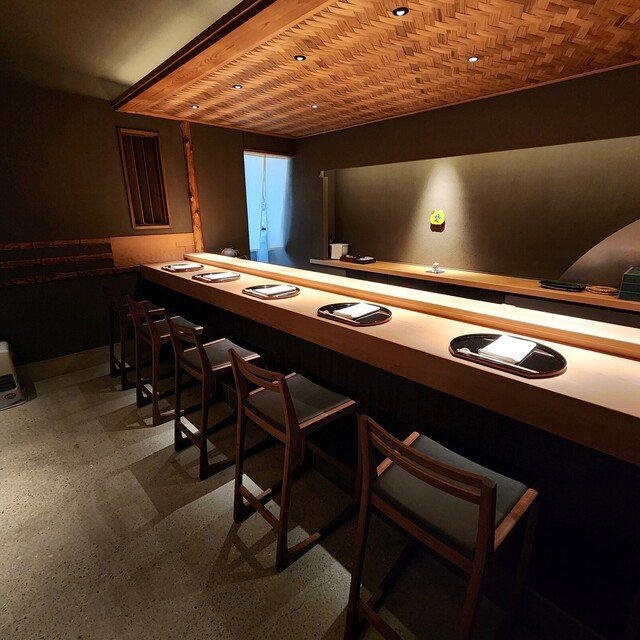
Frying as Inheritance: Kyoto's Tempura Kaiseki Tradition
In Kyoto's kaiseki tradition, restraint is not a style choice — it is a structural principle. Ingredients arrive in sequence, each one framed by what came before and what follows, the whole meal shaped around the turning of the seasons. Tempura, by contrast, is typically associated with Tokyo's Edo-period counter culture: hot oil, immediate consumption, minimal ceremony. Tenjaku in Kamigyo Ward is a Kyoto-style kaiseki restaurant with tempura, applying the sequencing and seasonal logic of classical Kyoto cuisine to the discipline of single-ingredient frying. The result is a format that remains relatively rare in the city's Michelin-recognised tier, where kaiseki at the ¥¥¥¥ bracket tends toward Gion Sasaki-style multi-course precision or the rarified positioning of Kyokaiseki Kichisen.
Tenjaku holds a Michelin one star and sits at the ¥¥¥¥ price tier, placing it below the leading kaiseki bracket in cost while operating with comparable technical seriousness. For visitors orienting themselves in Kyoto's wider dining map, that positioning matters: this is not a casual tempura lunch counter, but it is more accessible in price than the highest-tier kaiseki houses that dominate the city's international reputation.
The Canola Oil Question: Environmental Logic in a Frying Tradition
The choice of frying medium in Japanese tempura carries real implications for flavour, waste, and sourcing. Many high-volume tempura operations use sesame oil or blended oils for their aromatic contribution and heat stability. Tenjaku fries in canola oil, a decision that aligns with the lighter finish the kitchen seeks, where aftereffects are deliberately kept clean so that the ingredient's own character dominates rather than the fat. Canola, pressed from rapeseed, has a neutral flavour profile and a relatively low environmental footprint.
That same logic extends to the rice. Cooking white rice in a clay pot at the end of the meal is a practice with deep roots in traditional Japanese domestic cooking, the donabe method produces a texture and crust that no electric rice cooker replicates, and it draws on no more resource than water, heat, and patience. In a meal designed around light aftereffects, clay-pot rice also functions as a finishing anchor. The kitchen's stated intention is that the meal should end without heaviness. That is both an aesthetic and, in practical terms, a philosophy of material sufficiency, using the minimum necessary to achieve the desired result. For comparison, Tempura Matsu in Kyoto approaches tempura from a different angle, demonstrating how varied the city's treatment of the format can be even within the same price tier.
The Grandfather's Methods and What They Preserve
The tempura kaiseki format was inherited from the current chef's grandfather, and certain preparations, notably the deep-fried tofu, are maintained according to those original methods. Three-generation continuity is a credential recognised by peers and critics as evidence of technique that has been tested and refined over decades.
What that inheritance produces in practice is a house style with identifiable markers. The coating is described as thin and lightly seasoned, consistent with a Kyoto preference for restraint over the crunchier, slightly thicker batters associated with Tokyo-style tempura counters. The dipping sauce is served warm, a detail that matters for texture, since cold tentsuyu can firm up the coating and shift the balance of the bite. And the signature dressing of tempura items with chopped onions and mustard is the element most clearly particular to Tenjaku: it introduces sharpness and sulphur note into a format that usually presents only clean oil and dashi, and it positions the kitchen within Kyoto's broader tradition of assertive condiment use despite the cuisine's reputation for delicacy.
These markers collectively describe a kitchen operating from a defined and inherited system rather than a contemporary tasting-menu template. That distinction is worth noting for readers comparing Tenjaku against Kyoto's current kaiseki wave, where chefs like those at Gion Senryu and Enyuan Kobayashi operate within the same broad tradition but with different generational reference points.
Seasonal Logic in a Frying Format
Japanese cuisine's relationship with seasonality is most visible in kaiseki, where the menu changes with each of the country's micro-seasons and ingredient sourcing is treated as a form of editorial judgment. Applying that logic to tempura requires a different discipline: the coating is neutral, the frying method fixed, so the seasonal argument must be made entirely through the ingredient sequence. What is fried, in what order, and at what point in the year becomes the primary expressive tool.
This approach is more demanding than it might appear. Tempura coatings can obscure as easily as they reveal, and a poorly chosen ingredient loses its seasonal identity entirely in the fryer. The kaiseki sequencing framework imposes a structure that counteracts that risk, by framing each item within a broader arc rather than presenting it in isolation, the kitchen creates the conditions for seasonal reading that a direct tempura counter cannot. For readers visiting Kyoto in spring or autumn, when the city's ingredient calendar peaks with bamboo shoots, young greens, matsutake, and autumn vegetables, this seasonal architecture is a reason to time a booking deliberately.
Kyoto's wider fine dining scene runs on similar seasonal awareness. The ¥¥¥¥ kaiseki houses, Ifuki, Gion Sasaki, are particularly recognised exponents, but the principle extends across the city's price tiers. Tenjaku's position at ¥¥¥ means that seasonal tempura kaiseki at this level of recognition is available at a price point that broader Kyoto coverage rarely highlights, since most editorial attention concentrates at the four-symbol end of the spectrum. Visitors building a Kyoto itinerary should consider how Tenjaku fits alongside options like Kyoboshi or Miyagawacho Tensho, each representing a different angle on the city's approach to precision-led Japanese cooking.
Kyoto in Wider Context
For readers building a broader Japan itinerary, the tempura kaiseki format at Tenjaku maps onto a set of concerns that appear across Japanese fine dining in other cities. Numata in Osaka offers a contrasting approach to tempura in a different urban register, while Mudan Tempura in Taipei demonstrates how the format has travelled and adapted beyond Japan. Within Japan, Harutaka in Tokyo, HAJIME in Osaka, akordu in Nara, Goh in Fukuoka, 1000 in Yokohama, and 6 in Okinawa represent the range of approaches to precision cooking across the country's major dining cities, each with its own regional logic and culinary vocabulary. Tenjaku belongs specifically to Kyoto's tradition, and that specificity is its primary credential.
Comparable Options
Comparable venues nearby, for context on price, style, and recognition.
| Venue | Cuisine | Price | Notes |
|---|---|---|---|
| TenjakuThis venue — the venue you are viewing | Kyoto-style Kaiseki with Tempura | $$$$ | Not listed |
| Gosho Iwasaki | Michelin-Starred Kyoto Kaiseki | $$$$ | Nakagyō |
| Mizuno | Michelin-Starred Creative Kyoto Kaiseki | $$$$ | Higashiyama |
| Muromachi Yui | Michelin-Starred Kaiseki | $$$$ | Nakagyō |
| Kikunoi Sushi Ao | Kyoto-Style Sushi Omakase with Kaiseki | $$$$ | Higashiyama |
| Mirei | Modern Kyoto Kaiseki A La Carte | $$$$ | Nakagyō |
Recognition history
Dated appearances from independent guides and award organizations, with the underlying list record or original source where available.
Michelin 1 Star
Michelin
Tabelog 100 #40 · No. 40
Tabelog · Tabelog 100 - Tempura - 2025
Michelin 1 Star
Michelin
Continue exploring
More in Kyoto
Restaurants in Kyoto
Browse all →
Bars in Kyoto
Browse all →
Hotels in Kyoto
Browse all →
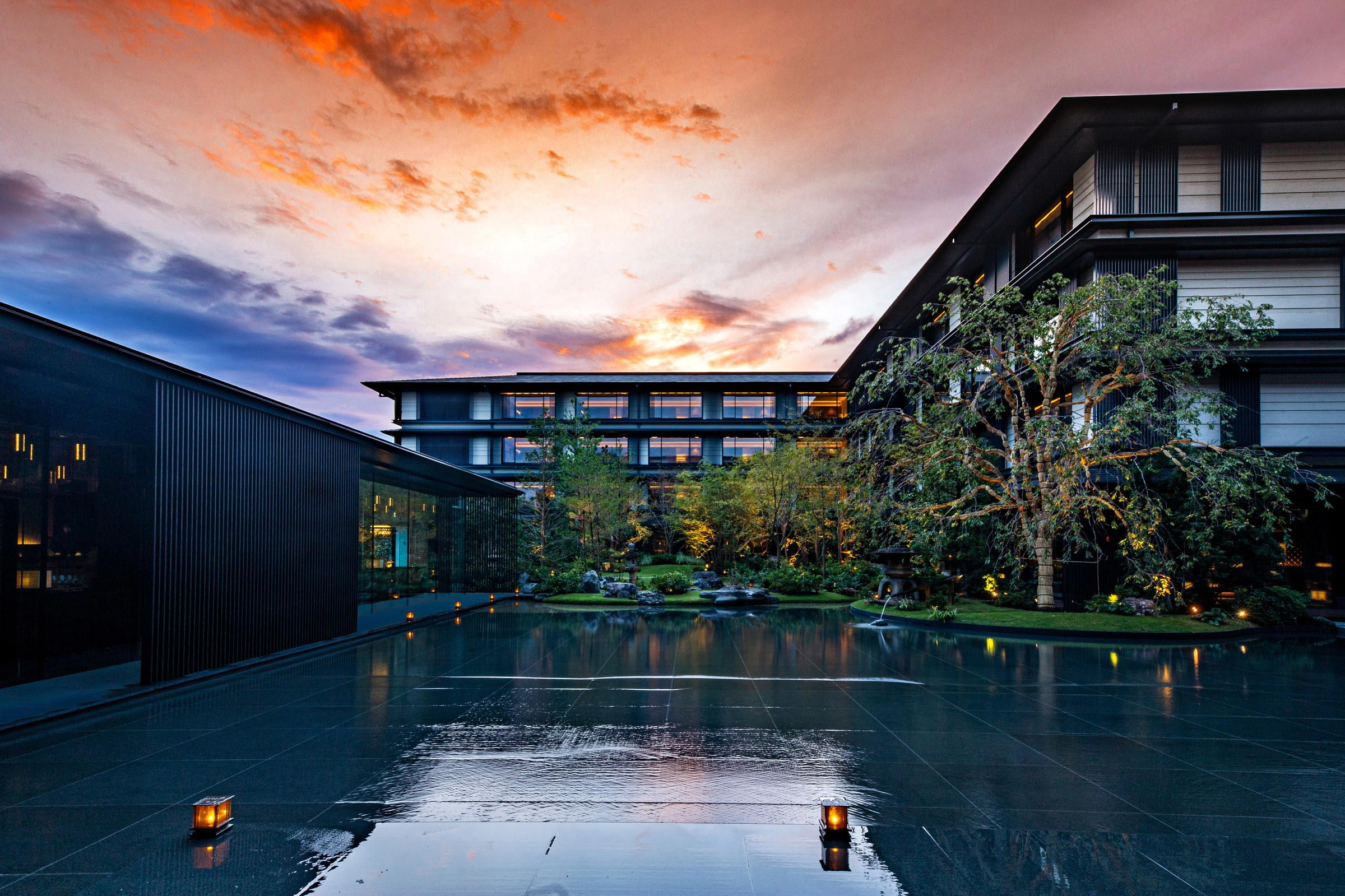
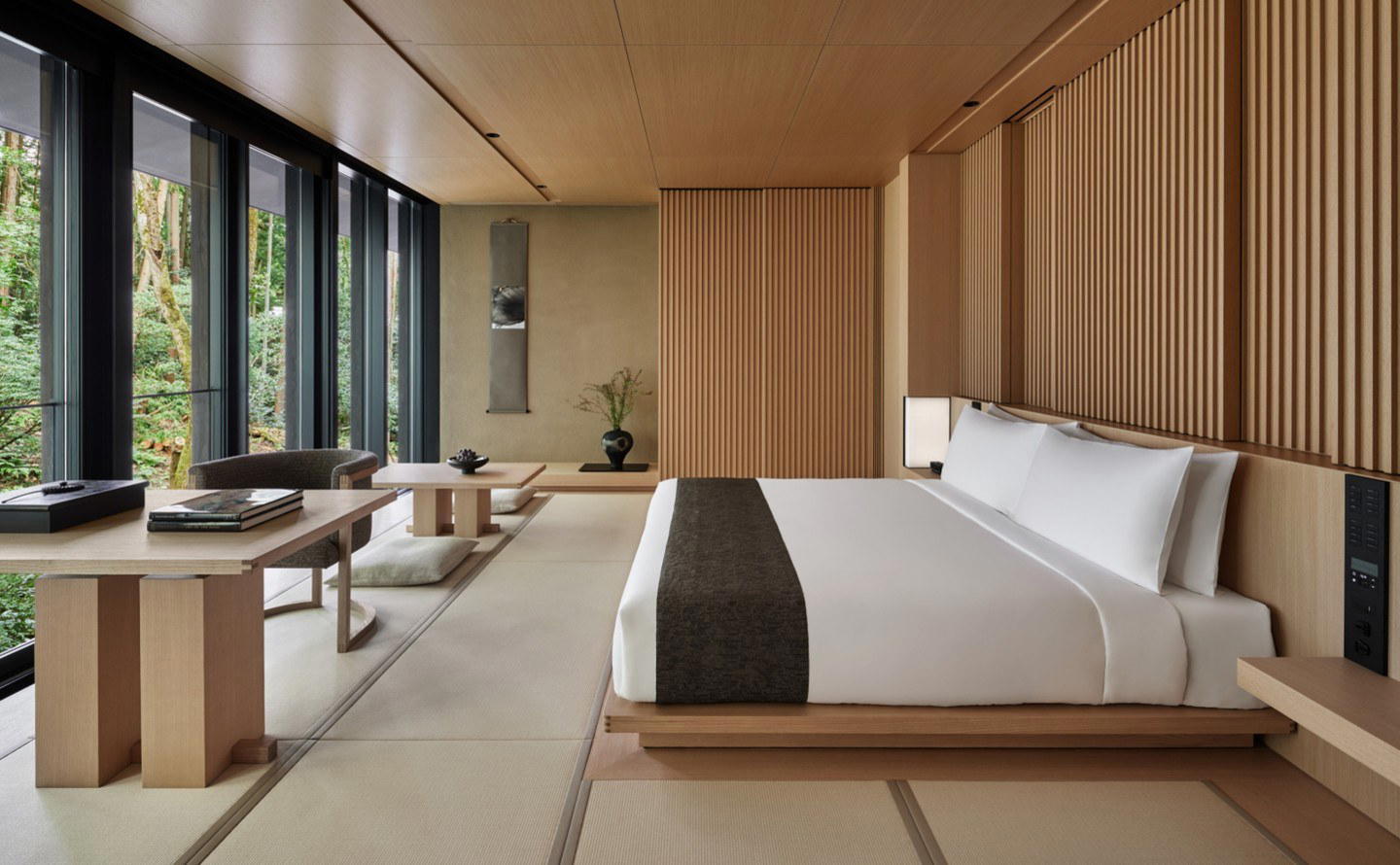
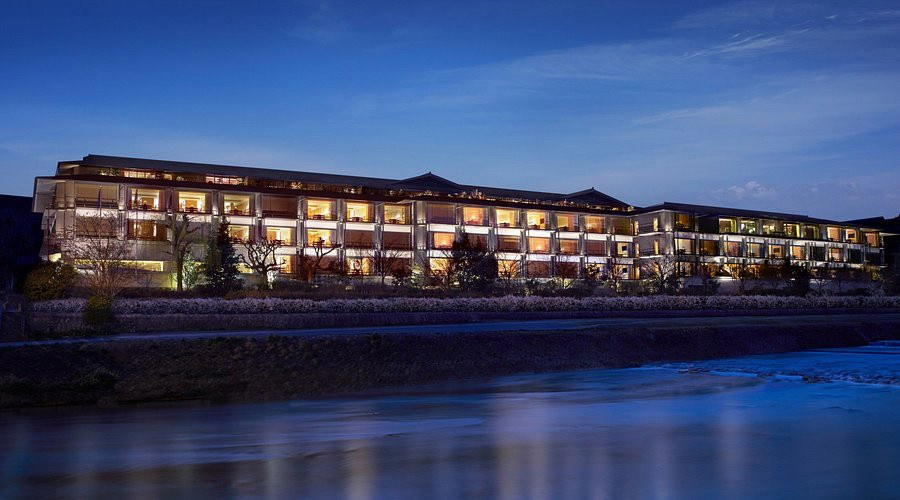
Wineries in Kyoto
Browse all →
At a Glance
- Elegant
- Cozy
- Intimate
- Sophisticated
- Classic
- Special Occasion
- Date Night
- Chefs Counter
- Private Dining
- Sake Program
Current opening hours
- Monday
- 6–10 PM
- Tuesday
- 6–10 PM
- Wednesday
- Closed
- Thursday
- 6–10 PM
- Friday
- 6–10 PM
- Saturday
- 6–10 PM
- Sunday
- 6–10 PM
Hours can change for holidays and private events. Last verified .
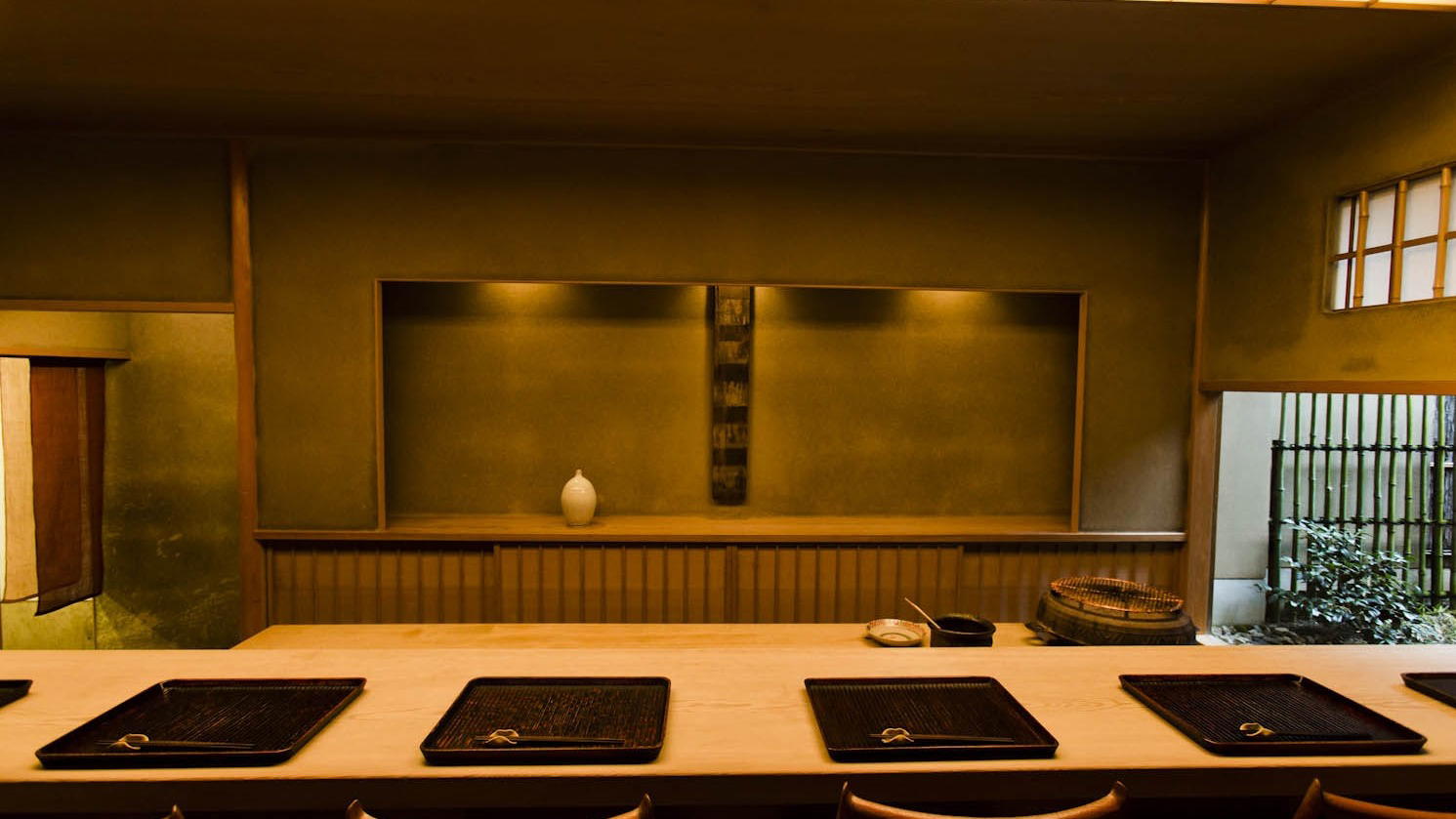
Serene and dignified with traditional Japanese craftsmanship, cozy repose from the hinoki counter, and subtle natural sounds from bamboo ceiling.