
A Michelin-starred tempura specialist in Kyoto's Higashiyama district, Enyuan Kobayashi roots its menu in Kyoto food culture, moving from simmered Pacific herring and grilled honmoroko fish through a tempura sequence that includes nama-fu and Kyoto vegetables. The kitchen trained first in traditional Japanese cuisine before concentrating on tempura, and the resulting menu reads as a considered argument for what the form can carry in a kaiseki-inflected city.
Pearl is the En Primeur Club membership app — saves, bookings, and concierge access live there. Same editors, same standards.
- Address
- Japan, 〒605-0078 Kyoto, Higashiyama Ward, 祇園富永町125-2
- Phone
- +81 75-746-7602
- Website
- enyuan-kobayashi.jp
- Directions
- Get directions
 Saves & bookings on Pearl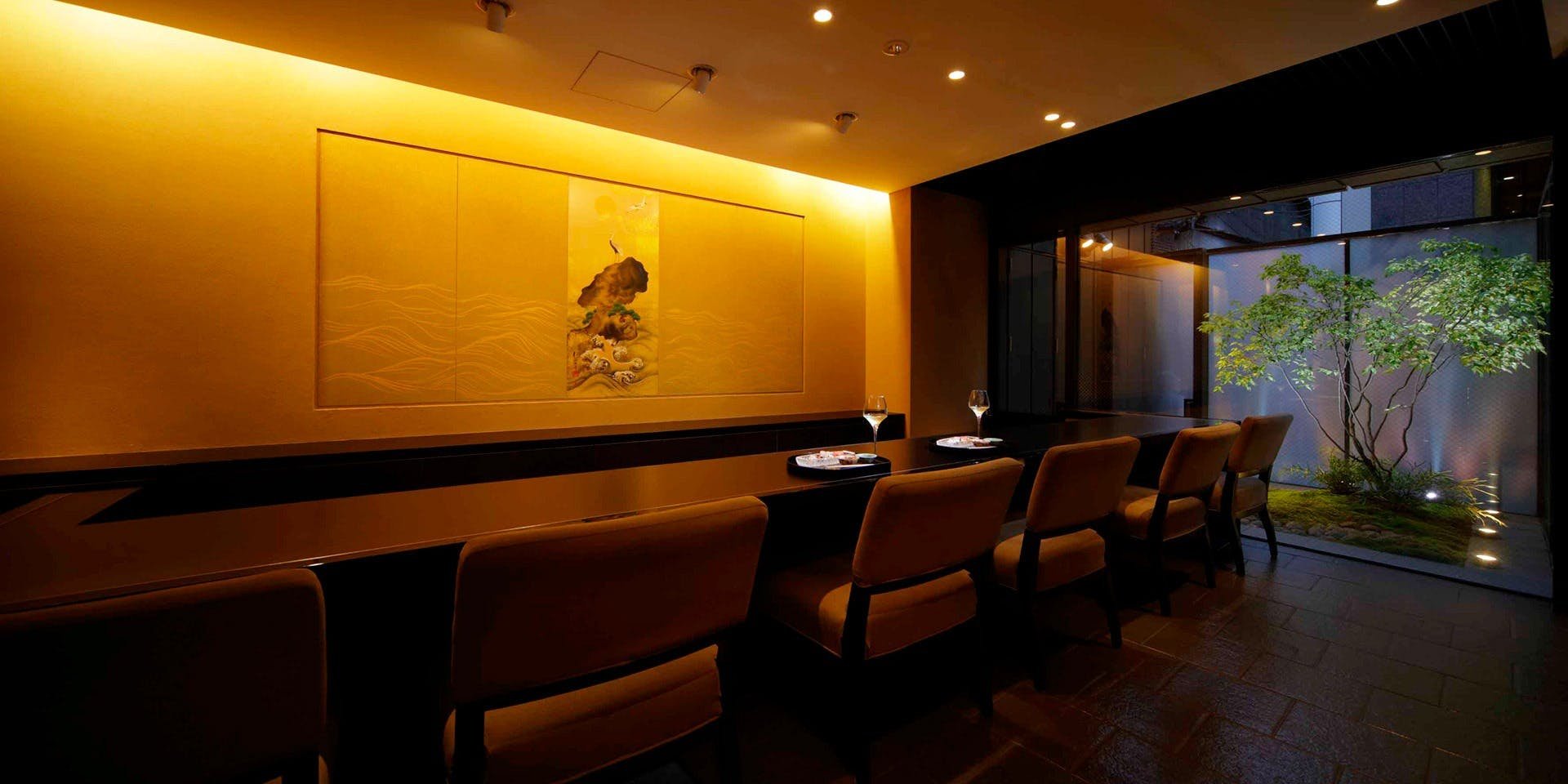
Arriving in Higashiyama
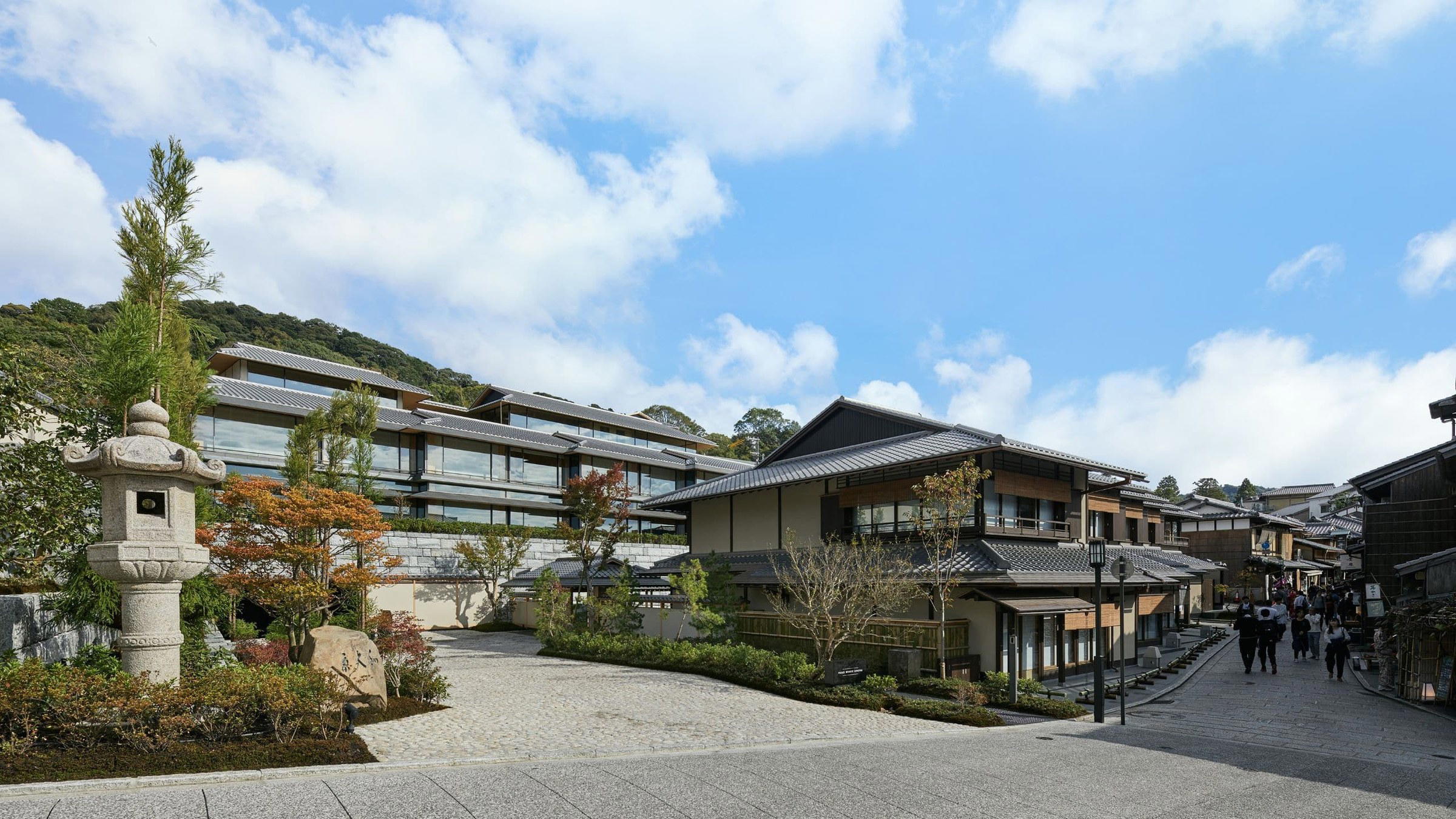
Higashiyama Ward is the part of Kyoto that most directly bears the city's ceremonial weight. The streets around Gion Tominagacho, where Enyuan Kobayashi sits at address 125-2, are flanked by machiya townhouses, lantern-lit approaches, and the low hum of a neighbourhood that has been feeding serious diners for generations. Walking toward a tempura counter here feels different from arriving at one in, say, Shinjuku or Osaka's Namba. The architectural register of the surroundings primes you for a meal that will move at a deliberate pace and answer to older culinary conventions.
Tempura restaurants operating at this price tier in Kyoto, ¥¥¥¥, the same bracket occupied by Michelin-recognised kaiseki houses such as Gion Senryu and Kyoboshi, carry an implicit obligation. They must justify the positioning not just through technique but through a legible relationship with Kyoto's food culture. Enyuan Kobayashi's Michelin one-star recognition is partly an acknowledgment that this obligation is being met.
How the Meal is Structured
The sequence at Enyuan Kobayashi follows a logic that is closer to kaiseki pacing than to the direct batter-and-fry rhythm of a typical Tokyo-style tempura house. The meal opens with what the kitchen regards as beloved standards: simmered Pacific herring with aubergine, a pairing that has deep roots in Kyoto home cooking where preserved fish and seasonal vegetables have long carried the cold months. Grilled honmoroko fish follows, a small freshwater fish historically prized along the shores of Lake Biwa and a marker of Kyoto culinary identity in the same way that specific mountain vegetables mark other regional kitchens. A small dish of dried sea cucumber gonads serves as a further appetiser, an ingredient that signals both the kitchen's willingness to use preserved, fermented materials and a sensibility aligned with the broader kyo-ryori tradition that prizes these less obvious intensities.
This opening section is doing specific work. By establishing the meal inside traditional Kyoto flavour references before the tempura begins, the kitchen positions the frying sequence as a continuation rather than a pivot. This is not a common structure among tempura specialists. Most tempura counters, including strong performers like Tenjaku and Miyagawacho Tensho, open directly with the tempura sequence. The choice to lead with simmered and grilled preparations suggests the chef's background in traditional Japanese cuisine is not incidental decoration but a structuring principle.
What Tempura Carries in Kyoto
Tempura's national reputation was largely built in Tokyo, where the Edo-style tradition developed around seafood-forward menus served at speed, often at a counter facing a large copper pot. Kyoto applies different pressures. The city's vegetable culture is its clearest culinary distinction: the kyo yasai category encompasses heritage varieties cultivated in the surrounding plains and hillside plots, many of which respond well to high-heat frying precisely because their water content and cell structure differ from commodity equivalents. Nama-fu, the steamed mixture of wheat gluten and rice flour that appears in the tempura sequence at Enyuan Kobayashi, is one of those ingredients that makes no sense outside a Kyoto context. It is a temple food, a tofu-adjacent protein source that Buddhist vegetarian cooking developed over centuries. Frying it in tempura batter and presenting it as part of a starred menu is an act of local specificity.
This kind of ingredient choice is what separates the tempura houses that are genuinely embedded in their city's food culture from those that simply apply Kyoto address to a generically composed menu. For comparison, Tempura Matsu in Kyoto takes a different approach within the same category, and the differences in emphasis are instructive when considering which counter aligns with a particular visiting priority. Across the region, Numata in Osaka and Mudan Tempura in Taipei represent how tempura as a form travels to different culinary environments, each reshaping the sequence according to local logic.
The Ritual of the Counter
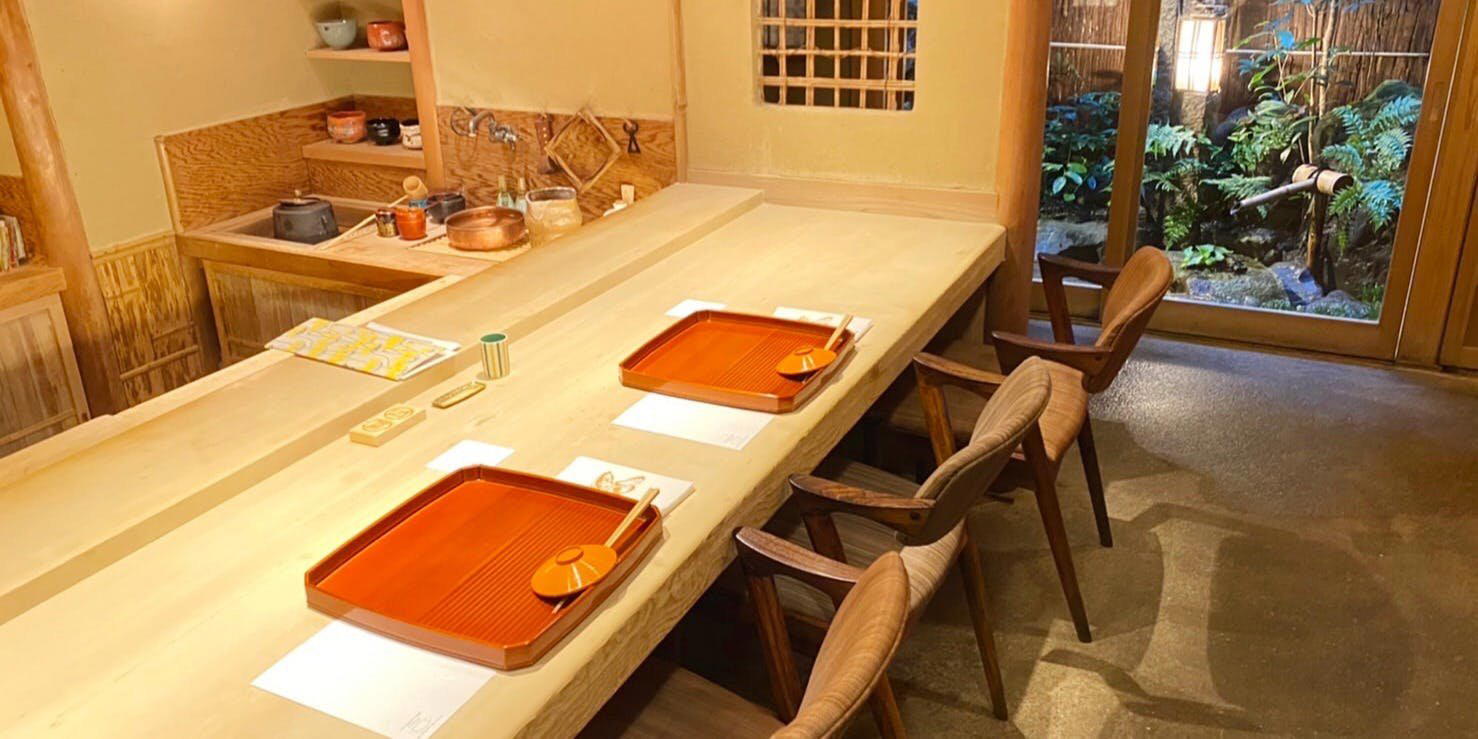
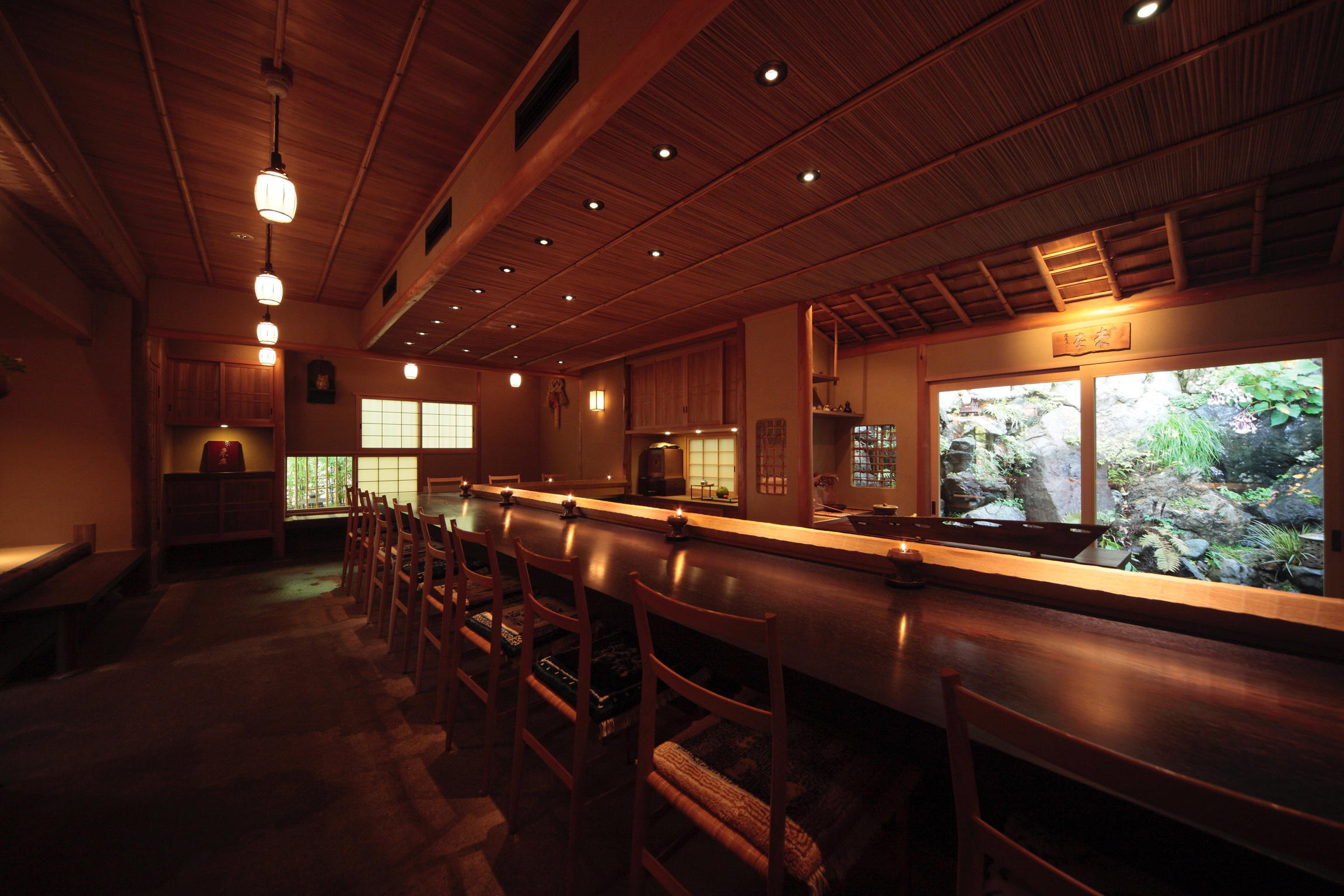
Tempura eaten at a counter is not the same experience as tempura delivered to a table. The counter format imposes a shared time structure: each piece is fried, rested for a specific number of seconds, and placed. There is no holding, no warming lamp. The gap between fryer and diner is measured in arm-lengths. This creates a pacing that is partly theatrical and partly physiological, since batter at the ideal moment of rest has a different texture than batter two minutes later. The chef's authority over that timing is the actual content of the experience, and it is why serious tempura counters resist table service.
At ¥¥¥¥ pricing, the expectation is that nothing is rushed and nothing is held. The Michelin assessment of the restaurant, which praises the kitchen's subtle inflections and clever use of ingredients as evidence of experience, suggests that this timing is handled with confidence.
Kyoto's Starred Dining Context
Positioning a tempura counter among Kyoto's Michelin-starred restaurants requires some calibration. The city's recognition list skews heavily toward kaiseki, with three-star houses like Gion Sasaki and two-star establishments like Ifuki and Kyokaiseki Kichisen dominating the upper tiers. Tempura at the starred level represents a smaller cohort, one that is evaluated partly on different grounds: the clarity of flavour transmission through frying, the quality and originality of the ingredient selection, and the coherence of the overall menu structure rather than the breadth of preparation techniques. The restaurant earns its place within that cohort by anchoring the menu in Kyoto food culture from the opening course, so that the tempura feels like a peak within a local culinary argument rather than a freestanding technical exercise.
Elsewhere in the Kansai region, diners with equivalent interests might consider HAJIME in Osaka for a different pitch on what high-commitment Japanese dining can look like, or akordu in Nara for the region's cross-cultural layer. Those operating further afield, in Tokyo or Fukuoka, might compare notes against Harutaka in Tokyo or Goh in Fukuoka as reference points for how Michelin-level Japanese cooking is being re-expressed across the country right now. Further out, 1000 in Yokohama and 6 in Okinawa extend the picture toward Japan's geographic margins.
Planning Your Visit
The restaurant sits in Higashiyama Ward, a walkable neighbourhood from the main Gion district and well-served by taxi from central Kyoto hotels and ryokan. Given the counter format and Michelin recognition, reservations should be secured well in advance of a visit, particularly during Kyoto's peak seasons in April when cherry blossom crowds fill the city's accommodation and in November when the autumn foliage draws comparable volumes. The ¥¥¥¥ price point places this in the same budget tier as Kyoto's kaiseki counters, so planning accordingly is sensible. For a broader view of Kyoto's dining options at various price points, our full Kyoto restaurants guide covers the field. Those building a full itinerary can also consult our Kyoto hotels guide, our Kyoto bars guide, our Kyoto wineries guide, and our Kyoto experiences guide to complete the picture.
Same-City Peers
Comparable venues nearby, for context on price, style, and recognition.
| Venue | Cuisine | Price | Notes |
|---|---|---|---|
| Enyuan KobayashiThis venue — the venue you are viewing | Tempura Kaiseki | $$$$ | Not listed |
| Nijojo Furuta | Michelin 1-Star Kyoto Kaiseki | $$$$ | Nakagyō |
| Kentan Horibe | Traditional Kyoto Kaiseki | $$$$ | Nakagyō |
| Wagokoro Izumi | Traditional Kyoto Kaiseki | $$$$ | Shimogyō |
| Miyawaki | Modern Kaiseki | $$$$ | Nakagyō |
| Kokyu | Seasonal Kaiseki | $$$$ | Kamigyō |
Recognition history
Dated appearances from independent guides and award organizations, with the underlying list record or original source where available.
Michelin 1 Star
Michelin
Michelin 1 Star
Michelin
Continue exploring
More in Kyoto
Restaurants in Kyoto
Browse all →
Bars in Kyoto
Browse all →
Hotels in Kyoto
Browse all →
Wineries in Kyoto
Browse all →
At a Glance
- Intimate
- Elegant
- Cozy
- Classic
- Date Night
- Special Occasion
- Chefs Counter
- Open Kitchen
- Private Dining
- Sake Program
- Garden
Current opening hours
- Monday
- Closed
- Tuesday
- 5:30–10 PM
- Wednesday
- 5:30–10 PM
- Thursday
- 5:30–10 PM
- Friday
- 5:30–10 PM
- Saturday
- 5:30–10 PM
- Sunday
- Closed
Hours can change for holidays and private events. Last verified .
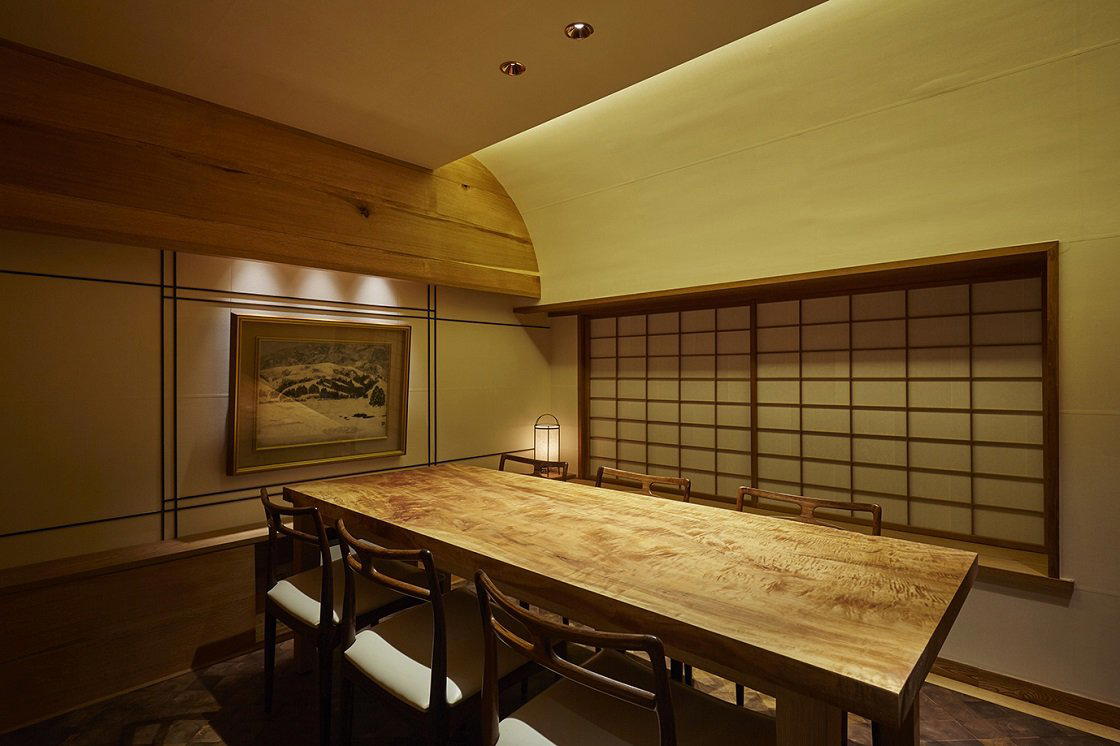
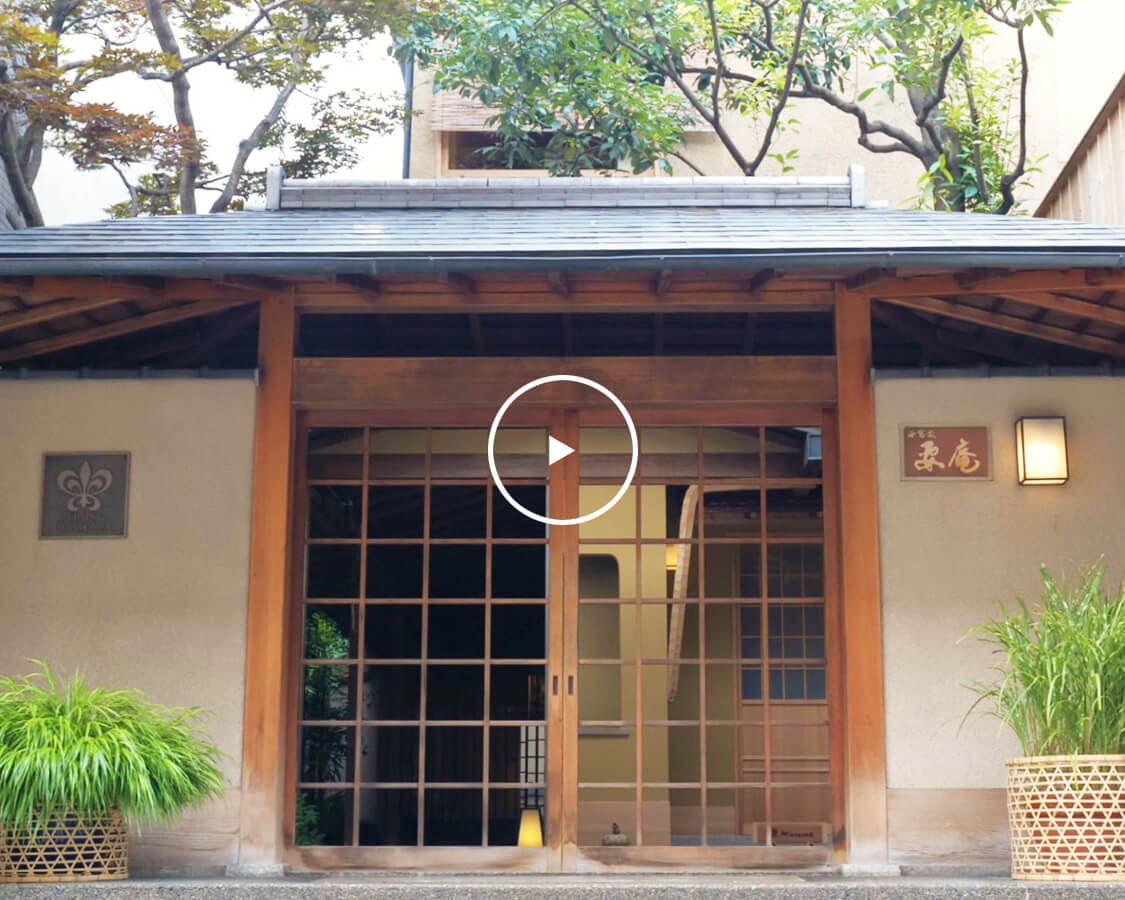
Traditional Japanese setting with wood elements, plants, garden view from counter seats, and a warm, intimate atmosphere.