Takasaki no Okan occupies a particular place in Tokyo's dining conversation, a name that surfaces in discussions about occasion-worthy Japanese meals without the international visibility of the city's Michelin-decorated flagships. For diners planning a milestone meal in a city that has refined the art of the special-occasion restaurant, it warrants serious consideration alongside the capital's most recognised counters.
Pearl is the En Primeur Club membership app — saves, bookings, and concierge access live there. Same editors, same standards.
- Address
- Tokyo, Japan
- Directions
- Get directions
 Saves & bookings on Pearl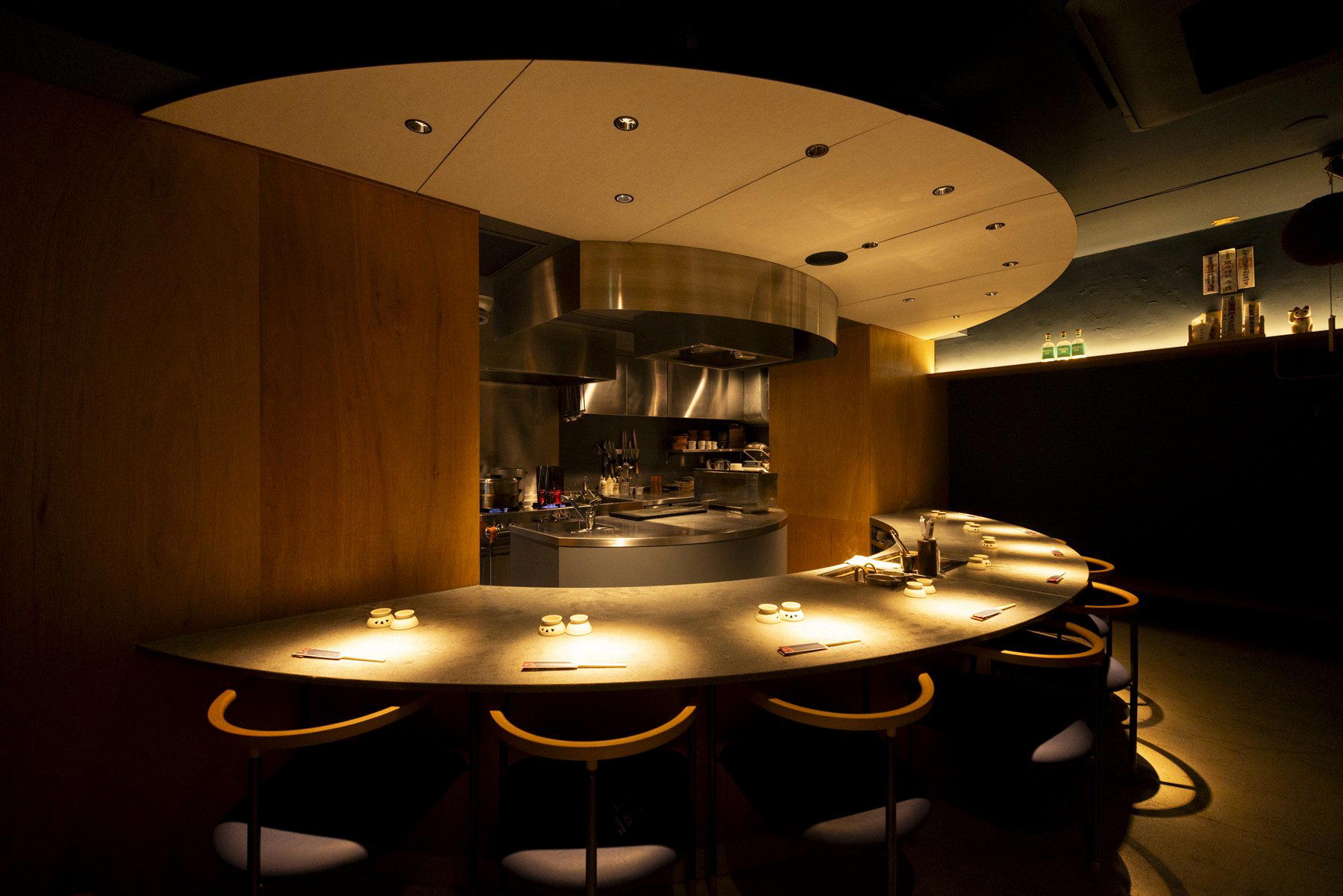
The Weight of a Meal Worth Planning For
Tokyo has more restaurants per capita than any other city on earth, and yet the question serious diners return to is not where to eat, but where to eat for this. A birthday that matters. An anniversary marked with intent. A farewell dinner that should be remembered without effort. The city's dining culture has long understood this distinction, producing a tier of restaurants built not around volume or visibility, but around the particular gravity of a meal that carries occasion weight. Takasaki no Okan sits within that conversation, a Tokyo address whose name circulates among those who track the city's specialist and occasion-grade dining with care.
Understanding where Takasaki no Okan fits requires some sense of how Tokyo organises its premium dining. The capital runs a clear hierarchy: at the apex, the internationally recognised counters and kaiseki rooms whose reservations are measured in months and whose Michelin accumulations are well-documented. Venues like RyuGin in Roppongi anchor this tier, with kaiseki technique that treats seasonality as both discipline and philosophy. Harutaka occupies comparable prestige in the sushi register. Below that globally visible bracket sits a second tier that Tokyo does particularly well: restaurants whose reputation is earned locally, through word-of-mouth and repeat custom, rather than through international award cycles. Takasaki no Okan appears to operate in this second register, which in Tokyo's context is not a diminishment. It is where some of the most precise and personal dining in the city happens.
Occasion Dining in a City That Takes It Seriously
Japan's restaurant culture has built specific infrastructure around milestone meals. The practice of marking occasions through food runs deeper here than in most dining cultures: the kaiseki tradition itself evolved partly as a vehicle for hospitality at moments of significance, a framework for expressing care and ceremony through sequence and seasonality. That tradition persists in contemporary Tokyo in various forms, from the multi-hour omakase counter to the intimate Japanese dining room where the pace is set by the kitchen, not the clock.
Occasion dining in Tokyo also carries logistical expectations that experienced travellers understand. Booking windows at serious restaurants in the capital frequently extend eight to twelve weeks, and at the most sought-after addresses, reservations open six months out. The city's premium French-influenced tables follow similar patterns: L'Effervescence in Nishi-Azabu and Sézanne in Marunouchi both require considerable forward planning. For a milestone meal in Tokyo, the reservation itself is often the first act of commitment, and that planning horizon should be factored into any serious trip construction.
For diners comparing Tokyo's occasion options with Japan's broader restaurant geography, the capital is part of a national conversation. HAJIME in Osaka and Gion Sasaki in Kyoto represent occasion-grade dining in their respective cities, each with its own regional character and seasonal emphasis. akordu in Nara and Goh in Fukuoka extend the map further. Tokyo's advantage is density: within a few square kilometres, a diner can access a range of occasion-grade formats that no other Japanese city can match in concentration.
What the Name Signals
The name Takasaki no Okan carries cultural resonance in Japanese. "Okan" is a familiar, affectionate Osaka-dialect word for mother, and its use in a Tokyo restaurant name signals something deliberate about register and warmth. In a city where the premium dining idiom can tend toward formality and restraint, a name that invokes maternal comfort suggests a kitchen with a different orientation, one more interested in generosity and familiarity than in austere technique for its own sake.
This kind of naming and positioning has precedent in Japan's restaurant culture. The country produces restaurants that deliberately reject the ceremonial weight of fine dining in favour of something more grounded, and these addresses frequently become the ones that regular visitors to Tokyo return to for exactly that reason. The milestone meal does not always require the most formally structured room. Sometimes the occasion is leading held by a kitchen that makes the diner feel hosted rather than assessed.
Placing Takasaki no Okan in the Tokyo Register
For the diner constructing a Tokyo itinerary around a special occasion, the city offers a clear decision tree. The internationally acclaimed and Michelin-stacked room, where the experience comes with externally validated prestige, serves one kind of need. A venue like Crony, which operates in the innovative French register, represents the chef-driven contemporary bracket. Then there are the restaurants that exist in a more local key, whose reputation is carried by those who know the city well and whose value lies precisely in that narrower but more personal circle of knowledge.
Across Japan, this pattern repeats. Restaurants in smaller cities, from Nanao to Takashima to Nishikawa Machi, build their occasion credentials through deep local roots rather than international positioning. The same logic applies within Tokyo: not every significant meal needs to be held at the city's most globally visible address. For comparative context beyond Japan, the occasion-dining tier at venues like Le Bernardin in New York or Atomix shows how the category operates across cultures: formal structure, deliberate pacing, and a kitchen that understands the difference between feeding someone and marking a moment for them.
Takasaki no Okan, based on available signals, positions itself as a Tokyo restaurant for those who want their occasion held with warmth and local knowledge rather than international fanfare. That is a specific and genuinely valuable thing in a city where the pressure to perform at the top of a globally recognised hierarchy can sometimes displace the simpler act of being fed well by people who care about the meal.
Planning Your Visit
Specific operational details for Takasaki no Okan, including current address, contact information, hours, and booking method, are best confirmed directly with the restaurant or through a concierge service with current Tokyo knowledge, as these details change and require verification. For broader Tokyo occasion-dining context and peer recommendations, see our full Tokyo restaurants guide. Diners considering the broader Japan occasion-dining circuit should also note the offerings at this Sapporo address, Birdland in Sakai, and Bistro Ange in Toyohashi as part of a wider itinerary.
Quick reference: Confirm address, hours, and booking directly; forward planning of 4-8 weeks is advisable for occasion-grade Tokyo dining.
How It Stacks Up
| Venue | Cuisine | Price | Awards |
|---|---|---|---|
| Takasaki no OkanThis venue — the venue you are viewing | This venue | Not listed | Not listed |
| Harutaka | Sushi | ¥¥¥¥ | Michelin 3 Star |
| L'Effervescence | French | ¥¥¥¥ | Michelin 3 Star |
| RyuGin | Kaiseki, Japanese | ¥¥¥¥ | Michelin 3 Star |
| Crony | Innovative, French | ¥¥¥¥ | Michelin 2 Star |
| Florilège | French | ¥¥¥ | Michelin 2 Star |











At a Glance
- Intimate
- Elegant
- Sophisticated
- Special Occasion
- Date Night
- Solo
- Chefs Counter
- Open Kitchen
- Standalone
- Sake Program
- Sommelier Led
- Local Sourcing
- Sustainable Seafood
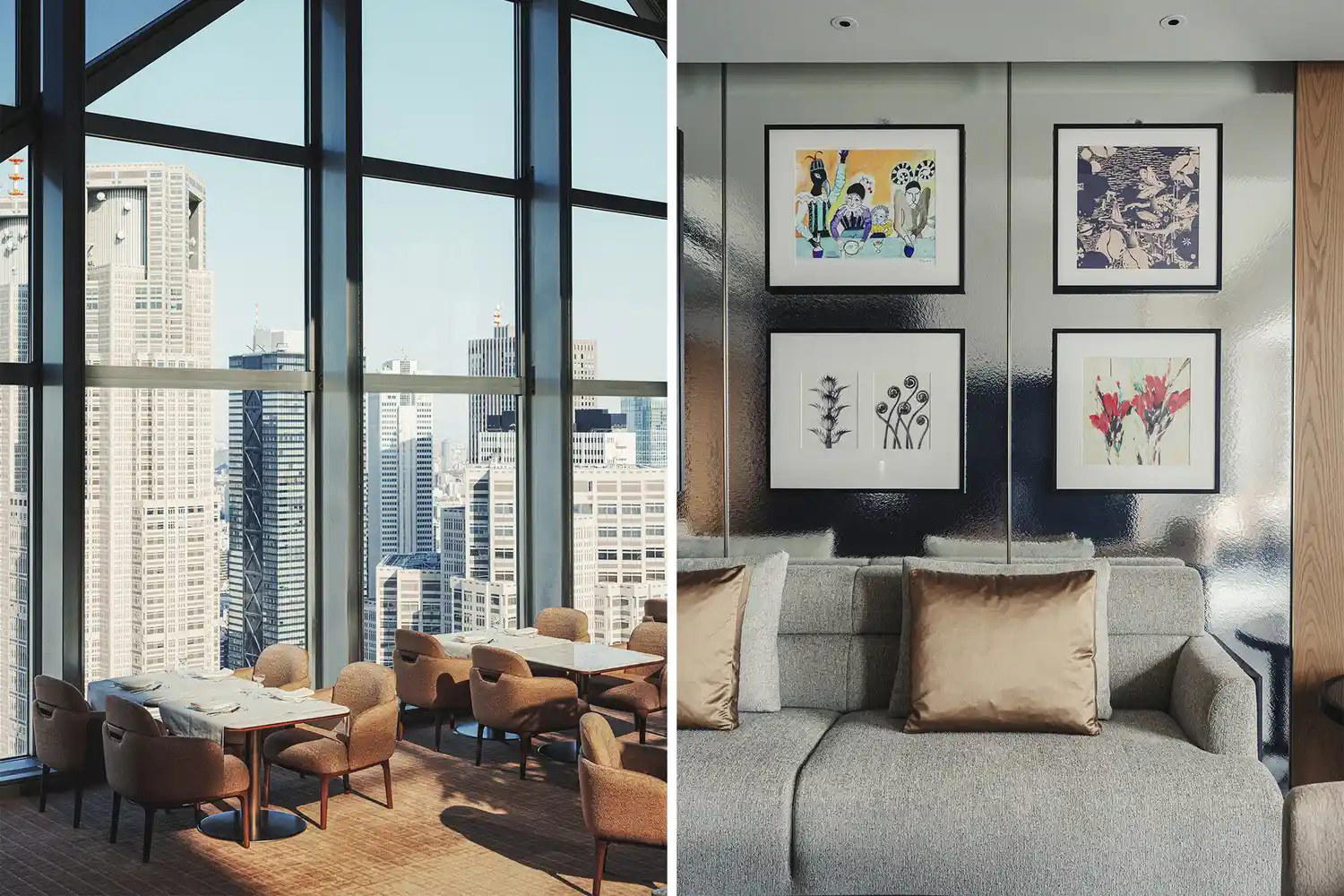
Stylish, relaxing counter-only space with 8 seats, intimate setting focused on sake and culinary craftsmanship.