そかろ occupies a quiet residential block in Bunkyo City, a district better known for temples and university campuses than high-end dining. With minimal public information and a deliberately low profile, it represents a category of Tokyo restaurant that operates almost entirely through word-of-mouth and personal referral, the kind of place that rewards those already embedded in the city's dining networks.
Pearl is the En Primeur Club membership app — saves, bookings, and concierge access live there. Same editors, same standards.
- Address
- 2 Chome-11-20 Otowa, Bunkyo City, Tokyo 112-0013, Japan
- Phone
- +81369020980
- Website
- tabelog.com
- Directions
- Get directions
 Saves & bookings on Pearl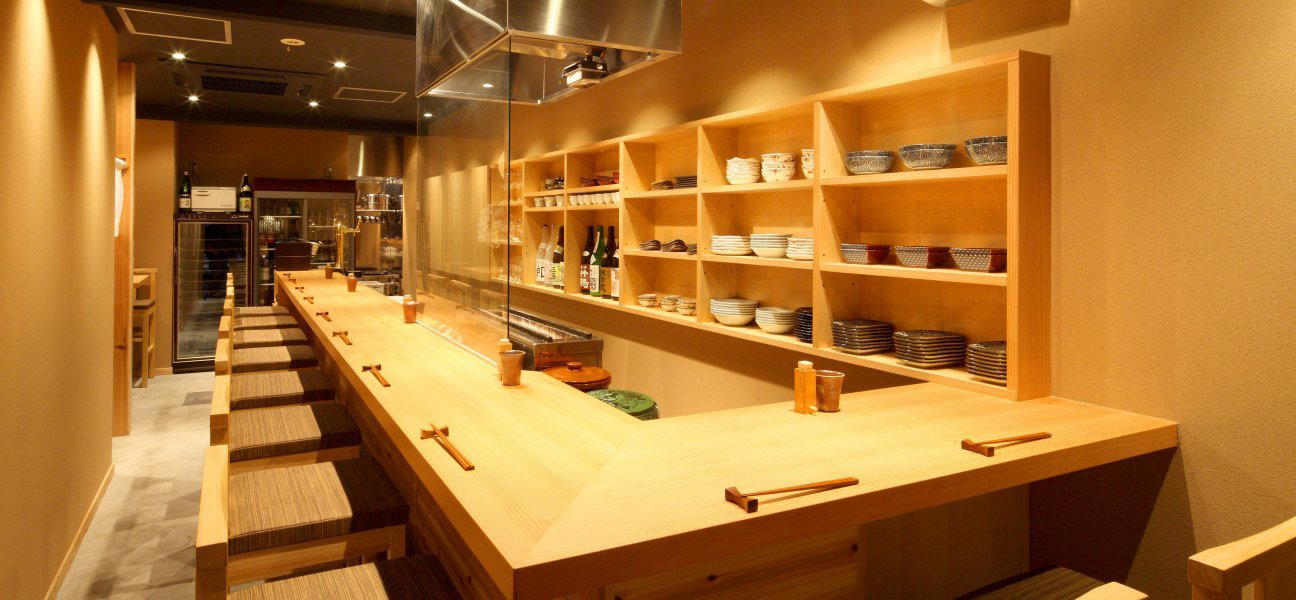
Bunkyo and the Restaurants That Don't Announce Themselves
Tokyo's premium dining map has two distinct layers. The first is visible: counters in Ginza, tasting menus in Azabu-Juban, and French kitchens in Minami-Aoyama. Places like Harutaka in Ginza or RyuGin in Roppongi sit comfortably in that layer. The second layer is harder to read from the outside. It exists in residential wards, behind unmarked doors. そかろ, in Bunkyo City's Otowa district, belongs to that second category.
Bunkyo is not a dining destination in the way Shinjuku or Shibuya are packaged. Its character comes from the Koishikawa Korakuen garden, Edo-period streetscapes, and the concentration of academic institutions around Hongo. Restaurants here rarely court passing traffic. The ones that endure do so through local loyalty and, in some cases, a deliberate choice to remain outside the circuits that generate press attention and foreign bookings. That operating model has its own logic in a city where particularly coveted seats are often the least publicised.
A Restaurant That Has Evolved on Its Own Terms
The evolution of quiet, residential-Tokyo dining over the past two decades tracks a broader shift in how the city's serious eaters think about experience. Through the 1990s and into the 2000s, prestige in Tokyo dining was largely tied to address, Ginza, Akasaka, the hotel dining rooms of central Tokyo. The 2010s changed that. A younger cohort of chefs began opening in less obvious locations, partly for economic reasons (Bunkyo rents differently from Ginza), partly because the audience they were cooking for didn't require a landmark postcode as a signal of quality.
そかろ sits inside that longer arc. Its location in Otowa, a neighbourhood that most dining tourists pass through without stopping, positions it as a venue that has chosen depth of local relationship over breadth of external recognition. That choice is itself a statement about what kind of restaurant it intends to be. The parallel can be drawn to the trajectory of French dining in Tokyo, where a place like L'Effervescence has managed to earn international attention while maintaining the intimacy of a neighbourhood restaurant, though そかろ appears to operate at a more deliberate remove from that international circuit.
The Neighbourhood as Context
Otowa sits between the Edogawa Park canal and the refined expressway, a slice of the city that retains older residential rhythms. The 2 Chome address on Otowa puts the restaurant within walking distance of the Kagurazaka edge, without being absorbed into that scene. It occupies a position that is neither the high-profile Kagurazaka corridor nor the purely local neighbourhood joint, but something in between, a distinction that many of Tokyo's most interesting restaurants have learned to inhabit.
This kind of geographic positioning tends to correlate with a specific approach to the dining experience: limited seating, reservation-dependent operation, and a menu that changes according to season or the kitchen's current direction rather than a fixed document designed for a broad audience. It is the operating model that has produced some of Japan's most followed regional restaurants, from Gion Sasaki in Kyoto to Goh in Fukuoka, where the relationship between place and practice is tighter than marketing would suggest.
What the Opacity Signals
The absence of a published website or phone number for そかろ is not unusual in this segment of Tokyo dining. Japan's most reservation-intensive restaurants frequently operate through closed booking systems, table concierges, or simply through returning guests and their networks. The international dining industry has spent years trying to systematise access to these places, with mixed results. What そかろ's opacity signals, in that context, is a deliberate choice to remain within a local system of referral rather than opening to the aggregator-driven international audience.
Venues that operate this way tend to price and format their experience for the guest they know rather than the guest they are pitching to. Compare that to the ¥¥¥¥ tier occupied by Sézanne or Crony, where international recognition has shaped both the menu design and the booking experience. そかろ appears to operate on different terms, though with pricing around $70 per person.
The broader pattern is consistent across Japanese cities. In Osaka, HAJIME has built international recognition while maintaining a tight operational format. In Nara, akordu demonstrates that serious kitchen work can happen entirely outside the major city circuits. The restaurants that are hardest to access information about are often the ones most worth understanding on their own terms.
How Tokyo's Dining Scene Has Redistributed
The redistribution of serious dining across Tokyo's wards is one of the more consequential developments of the past decade. Wards like Bunkyo, Nerima, and Suginami, which had minimal representation in restaurant guides a generation ago, now house kitchens that compete on quality with their better-publicised counterparts in central Tokyo. That redistribution reflects changes in chef economics, shifts in the residential demographic of these areas, and a maturing local audience that no longer needs a central address as validation.
For visitors who read that map correctly, the outer wards offer a different kind of access to Tokyo's dining culture: less competitive on bookings, more rooted in neighbourhood rhythm, and often more revealing about what the city's food culture looks like when it is not performing for an international audience. That is true across the country, from Nanao to Sapporo to Takashima, where restaurants outside the obvious circuits often define instructive dining experiences in their regions.
Know Before You Go
- Address: 2 Chome-11-20 Otowa, Bunkyo City, Tokyo 112-0013, Japan
- Nearest area: Otowa, Bunkyo City, accessible via Gokokuji Station (Tokyo Metro Yurakucho Line)
- Booking: No public booking system confirmed; approach through local concierge networks or established contacts in Tokyo's dining community
- Phone / Website: not listed
- Pricing: about $70 per person
- Hours: Mon: Closed; Tue: 5–10:30 PM; Wed: 5–10:30 PM; Thu: 5–10:30 PM; Fri: 5–10:30 PM; Sat: 5–10:30 PM; Sun: Closed
Cuisine Context
Comparable venues nearby, for context on price, style, and recognition.
| Venue | Cuisine | Price | Notes |
|---|---|---|---|
| そかろThis venue — the venue you are viewing | Charcoal-Grilled Yakitori with Nagoya Cochin | $$$ | Not listed |
| 香下 | Modern Japanese Kaiseki | $$$ | Chiyoda |
| Yakiniku Jambo Hongo | Premium Yakiniku with A5 Wagyu | $$$ | Bunkyō |
| Niou | Yoshoku (Japanese-style Western Cuisine) | $$$ | Chiyoda |
| EUREKA! | Modern sake-focused izakaya | $$$ | Minato |
| Kagayaki | Kaiseki-style Japanese and shabu-shabu | $$$ | Chūō |






At a Glance
- Cozy
- Elegant
- Intimate
- Date Night
- Solo
- After Work
- Open Kitchen
- Sake Program
Current opening hours
- Monday
- Closed
- Tuesday
- 5–10:30 PM
- Wednesday
- 5–10:30 PM
- Thursday
- 5–10:30 PM
- Friday
- 5–10:30 PM
- Saturday
- 5–10:30 PM
- Sunday
- Closed
Hours can change for holidays and private events. Last verified .
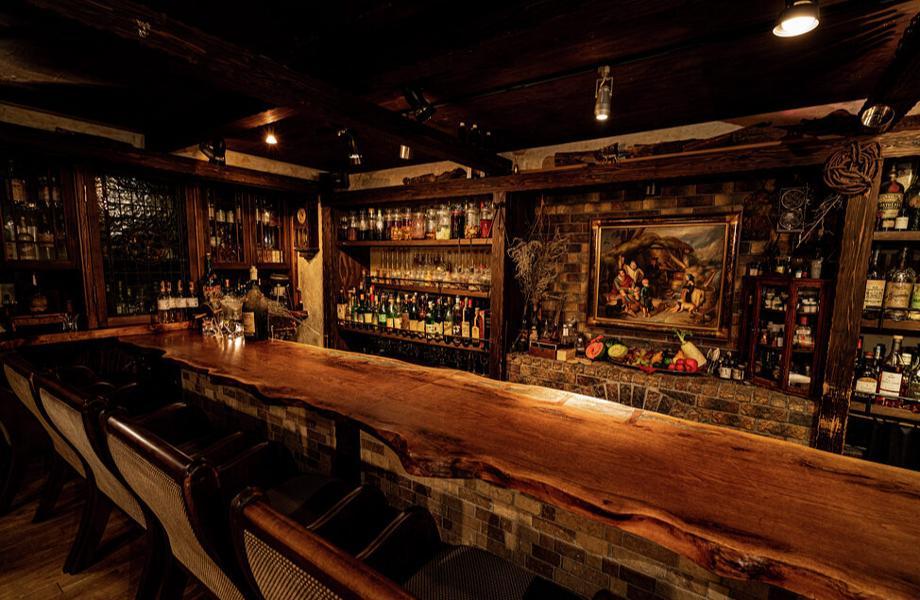
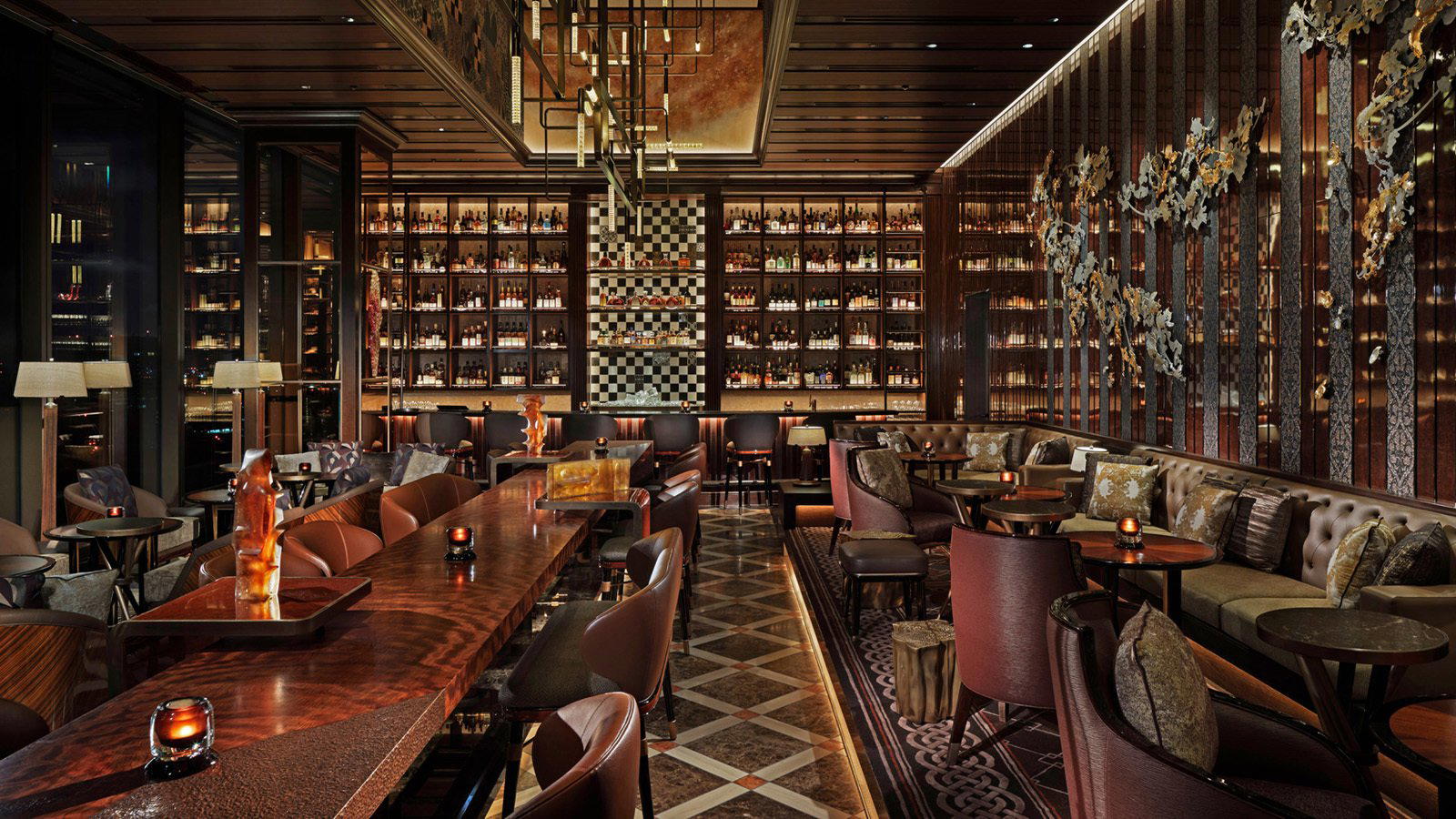
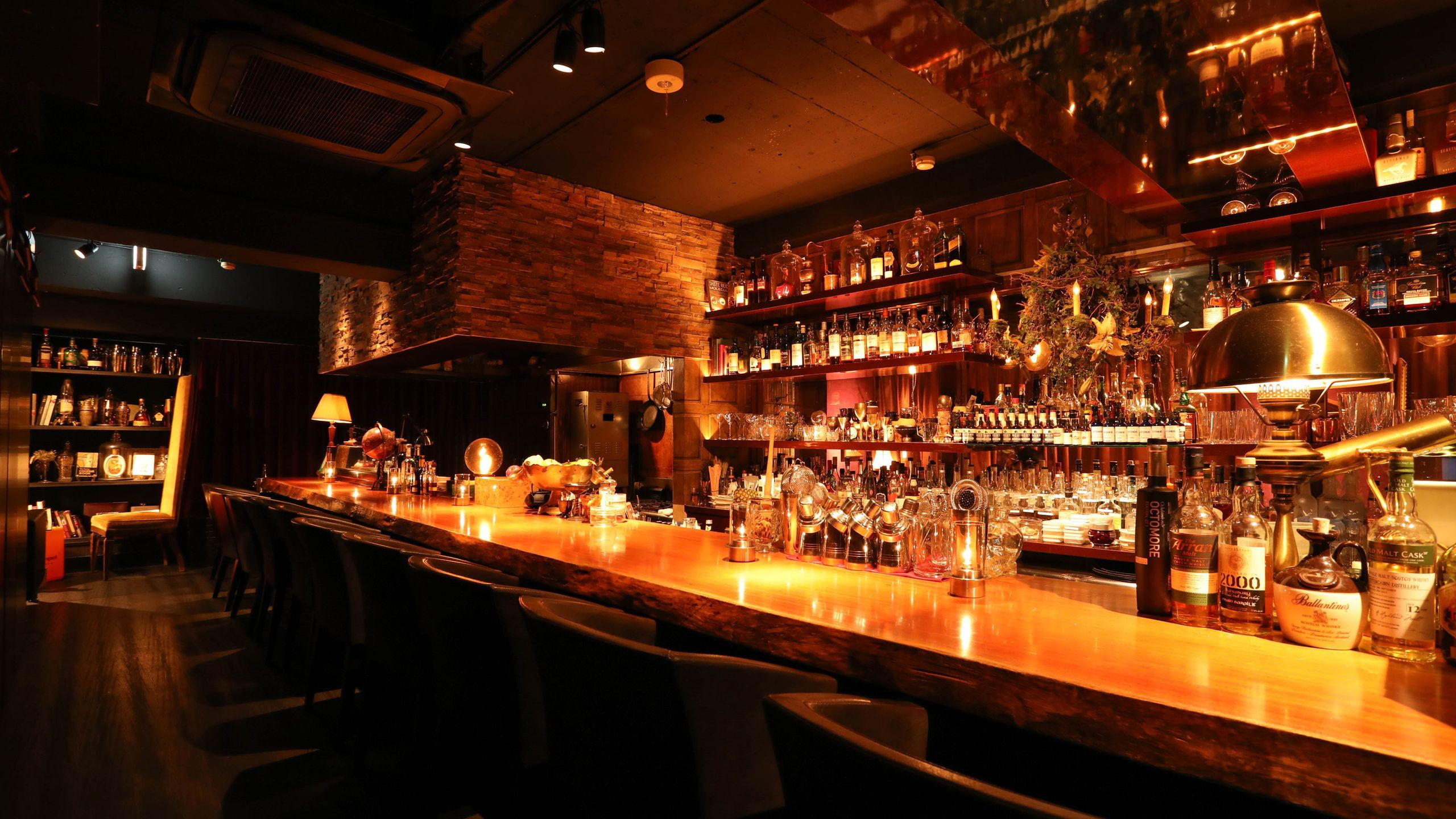
Calm and stylish interior with counter seating run by a young couple.