
Michelin Plate
Our verdict
The restaurant sits in the mid-to-upper tier of Tokyo's sushi market, where omakase discipline and neighbourhood setting combine to produce a distinct alternative to the high-visibility counters of Ginza.

Pearl is the En Primeur Club membership app, where members save venues, book tables and use the concierge.
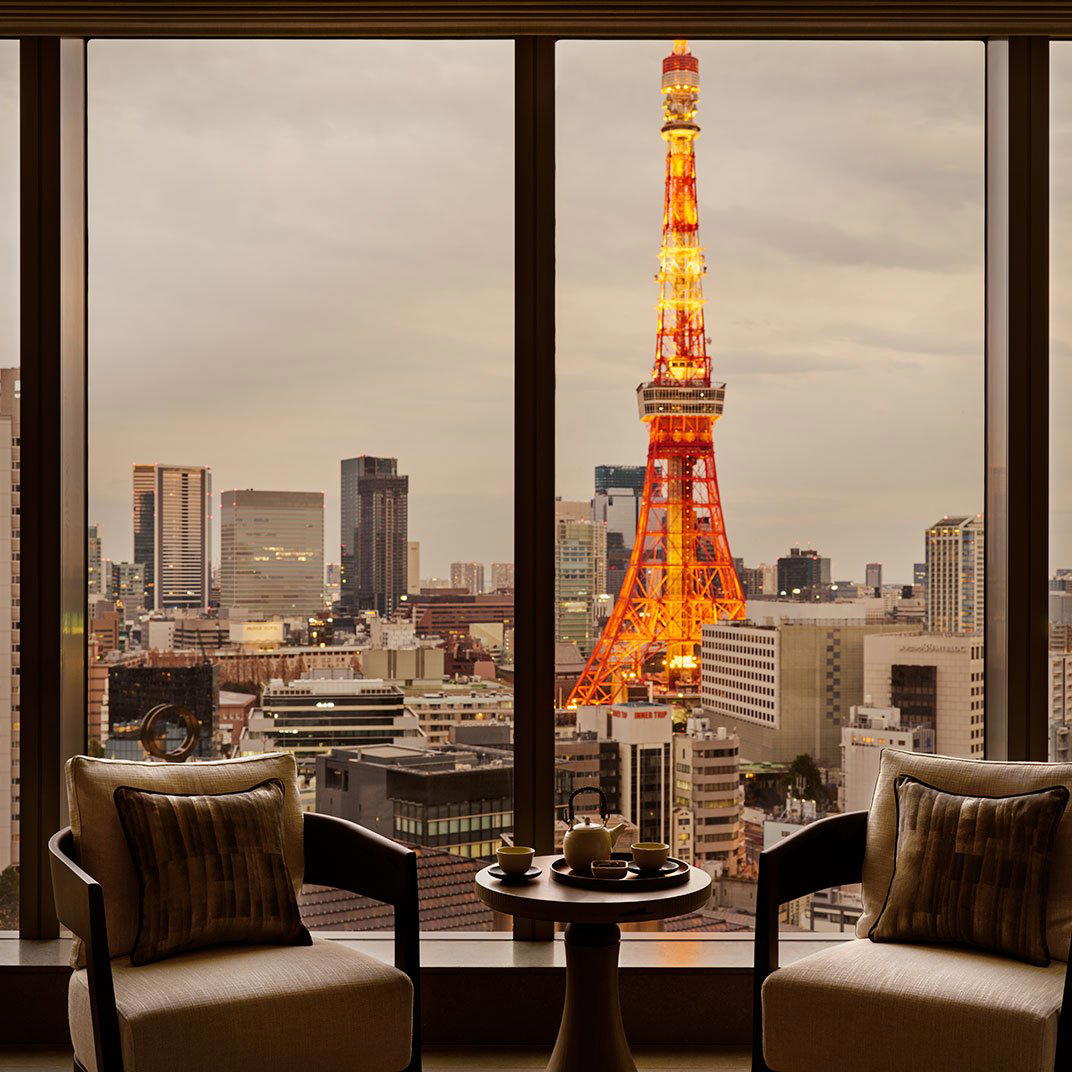
Azabu-Juban and the Quiet Architecture of Tokyo Sushi
Tokyo's sushi hierarchy is often read through Ginza, where three-star counters command the international press and prices calibrate against name recognition as much as technique. In Minato Ward's Azabu-Juban district, a residential neighbourhood with fewer tourists and a longer-established dining culture, a different tier of counter has developed: smaller, less publicised, and priced for regulars as much as first-timers. Sushiya Shota sits in this geography, both literally and in terms of where it positions within Tokyo's broader sushi ecosystem.
Azabu-Juban is not an accident of location. The neighbourhood has housed some of Tokyo's more subdued high-end dining for decades, attracting diplomats, executives, and long-term residents who prefer their restaurants without a waiting list ecosystem built on social media hype. The 3 Chome block where Sushiya Shota operates is residential in character, which shapes how a counter there functions: it draws a crowd with purpose rather than passing foot traffic, and repeat custom is structurally more important than tourism turnover. That dynamic tends to produce a particular kind of hospitality, attentive without performance.
One Star in a Deep Field
That density matters for interpretation. A single star in Tokyo's sushi field is not a consolation tier; it represents verified craft at a level the guide's inspectors found worth a dedicated journey. The competitive set at this level includes counters that have held stars for ten or fifteen years, and new entrants earn recognition only when their consistency has been tested across multiple visits and seasons.
Comparisons within the Azabu-Juban and wider Minato Ward area are instructive. Hiroo Ishizaka, in the adjacent Hiroo neighbourhood, operates at a comparable neighbourhood register. Further toward central Tokyo, the field includes multi-star counters like Harutaka and the formidable Sukiyabashi Jiro Roppongiten, both of which price and book differently from a single-star neighbourhood counter. Sushi Kanesaka, one of the lineage restaurants that defines Tokyo's Edomae tradition at the top of the market, represents the tier above.
That score, at that volume, suggests not a handful of enthusiastic first visits but a pattern of consistent returns and repeated satisfaction. For a neighbourhood counter, where the same guests come back quarter after quarter, that kind of rating is harder to sustain than at a high-traffic venue where each new diner arrives with peak excitement. The number implies the restaurant performs to expectation reliably, which in sushi is the baseline discipline from which everything else is built.
Edomae Tradition in a Residential Setting
Sushi in Tokyo carries a specific historical weight that separates it from the format as practised in other cities. Edomae sushi, the style developed in Edo-era Tokyo using fish from the surrounding bay, relies on techniques of curing, aging, and temperature management that take years to calibrate. The rice, vinegar balance, and the hand pressure used to form each piece are as closely scrutinised by serious eaters as the fish selection itself. Counters in Tokyo at every price tier are judged against this tradition, and the Michelin guide's inspectors understand it in granular terms.
Within that tradition, neighbourhood counters like the one at Azabu-Juban serve an important function: they keep Edomae practice accessible to a clientele that eats sushi regularly rather than as an annual occasion. This is the environment in which technique is stress-tested most honestly. Compare that to the experience at Edomae Sushi Hanabusa, which represents how the same tradition expresses itself in a different register and format. Sushiya Shota's ¥¥¥ price positioning, mid-to-upper rather than ceiling-tier, fits the neighbourhood counter model: serious enough to attract guests who know what they are ordering, accessible enough to function as a regular rather than aspirational destination.
How Azabu-Juban Changes the Experience
Location in Tokyo dining is not incidental. A counter in Ginza operates inside a specific set of expectations: formal service register, international clientele, international press attention. A counter in Azabu-Juban operates differently. The neighbourhood is quieter, the approach to the restaurant less theatrical, and the dining room itself more likely to feel like a room discovered than a room performed. That tonal difference is real, and for many guests who have already experienced Ginza's upper counters, it is part of the appeal.
The address at 3 Chome-3-10 places Sushiya Shota within walking distance of Azabu-Juban Station, served by both the Namboku and Oedo lines. From central hotel districts in Minato Ward, including those near Roppongi, the counter is reachable in under fifteen minutes. For visitors staying further north in Shinjuku or Shibuya, the Oedo line provides a direct connection. The neighbourhood itself has enough ancillary dining and bar options that an evening built around a sushi counter here does not require careful logistics the way a more isolated destination might.
Placing Sushiya Shota in the Wider Japan Context
Tokyo sushi sits at the apex of Japan's sushi culture, but the country's broader restaurant scene extends well beyond it. Visitors building a Japan itinerary around serious eating have access to other Michelin-recognised counters in Osaka through venues like HAJIME, or in Kyoto through Gion Sasaki. Further afield, akordu in Nara and Goh in Fukuoka show how Japan's Michelin-recognised dining has broadened geographically. Closer to Tokyo, 1000 in Yokohama provides a Kanagawa counterpoint. For those interested in how Tokyo sushi translates across Asia, Sushi Shikon in Hong Kong and Shoukouwa in Singapore both carry Michelin recognition for their Japanese-trained formats.
Within Tokyo itself, the range is extensive. EP Club's guides to the city cover the full spectrum: our full Tokyo restaurants guide maps the field across cuisine types, while our Tokyo hotels guide, bars guide, wineries guide, and experiences guide cover the wider city. For context on how sushi in Japan travels internationally, the 6 in Okinawa shows one end of that domestic range.
Planning a Visit
Booking should be confirmed directly, and given the counter format typical of this category, advance reservation is advised. The address is 3 Chome-3-10 1F, Azabu-Juban, Minato City, Tokyo.
Quick reference:
Frequently Asked Questions
Category Peers
| Venue | Cuisine | Price | Awards |
|---|---|---|---|
| Sushiya ShotaThis venue (the venue you are viewing) | Edomae Omakase Sushi | $150–200 | Michelin Plate |
| Harutaka | Edo-Style Omakase Sushi | $200–300 | 3 Michelin Stars · World's 50 Best #76 |
| RyuGin | Modern Kaiseki | $500+ | 3 Michelin Stars · World's 50 Best #41 |
| L'Effervescence | Modern French with Japanese Influences | $200–300 | 3 Michelin Stars · World's 50 Best #69 |
| HOMMAGE | Modern French with Japanese Influences | $150–200 | 2 Michelin Stars · World's 50 Best #78 |
| MAZ | Innovative Peruvian-Japanese Fusion | $150–200 | 2 Michelin Stars · World's 50 Best #28 |
Recognition history
Dated appearances from independent guides and award organizations, with the underlying list record or original source where available.
Michelin Plate
Michelin · 2026 Michelin Plate
Continue exploring
More in Tokyo
Restaurants in Tokyo
All restaurants in Tokyo →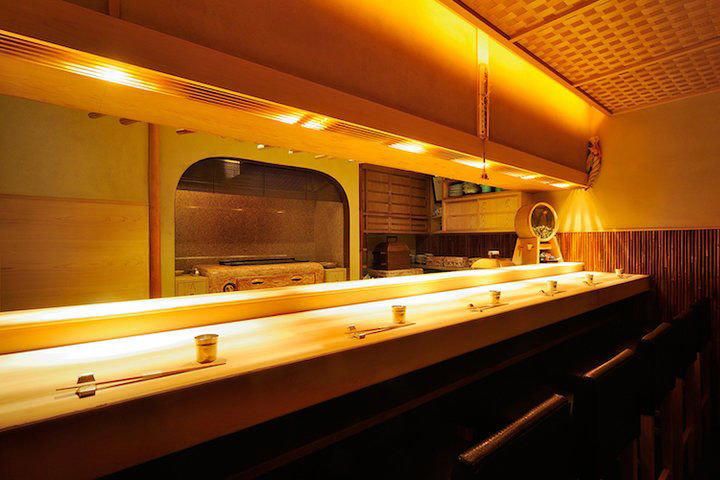



Bars in Tokyo
All bars in Tokyo →





Details
- Intimate
- Elegant
- Sophisticated
- Minimalist
- Date Night
- Solo
- Special Occasion
- Chefs Counter
- Sake Program
- Omakase
- Counter Dining
- Sake
Current opening hours
- Monday
- Closed
- Tuesday
- 12–2 PM, 5:30–10:30 PM
- Wednesday
- 12–2 PM, 5:30–10:30 PM
- Thursday
- 12–2 PM, 5:30–10:30 PM
- Friday
- 12–2 PM, 5:30–10:30 PM
- Saturday
- 12–2 PM, 5:30–10:30 PM
- Sunday
- Closed
Hours can change for holidays and private events. Hours as of .
Intimate 7-seat counter with clean, minimalist design; warm shari service and focused sushi preparation create a sophisticated, welcoming atmosphere.