Our verdict
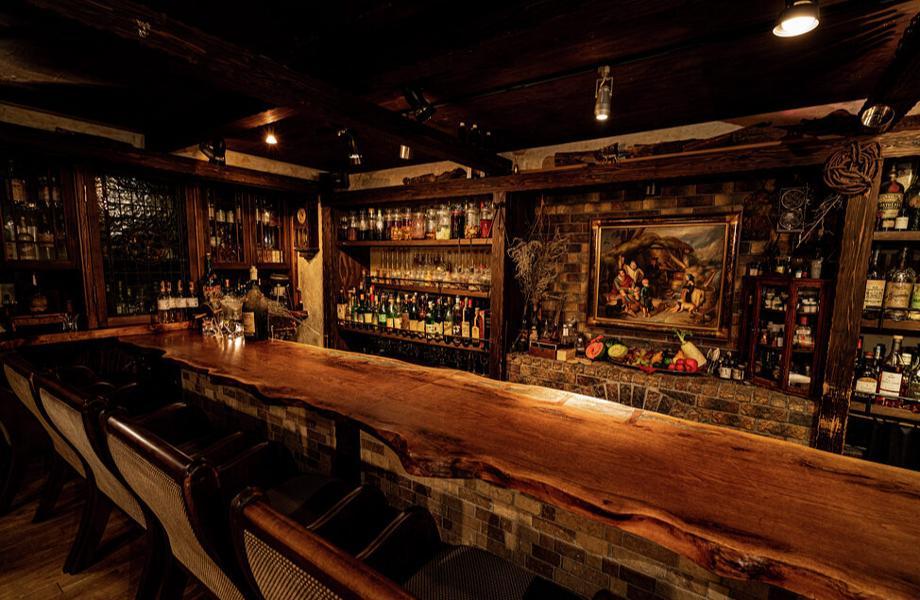
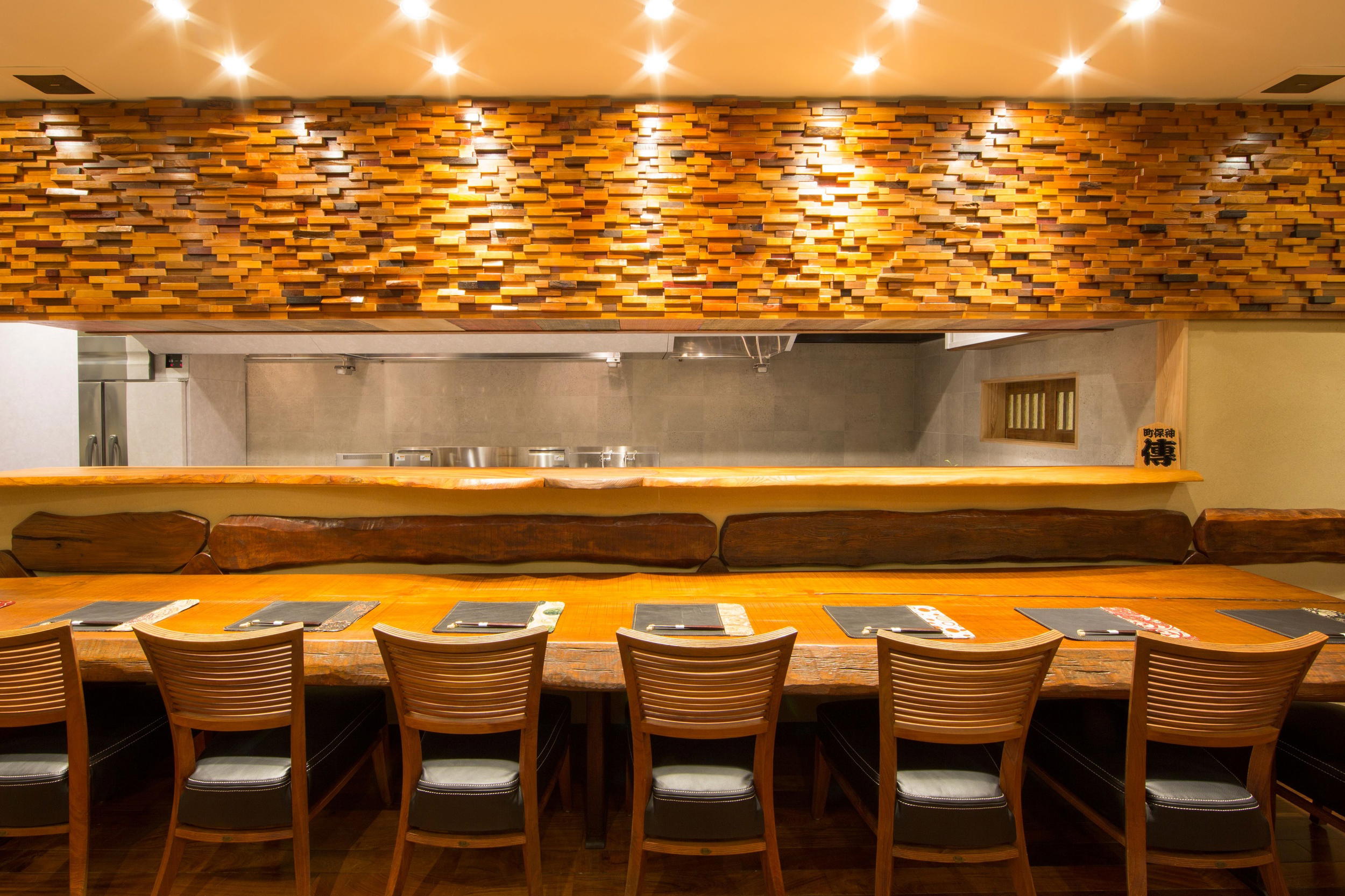
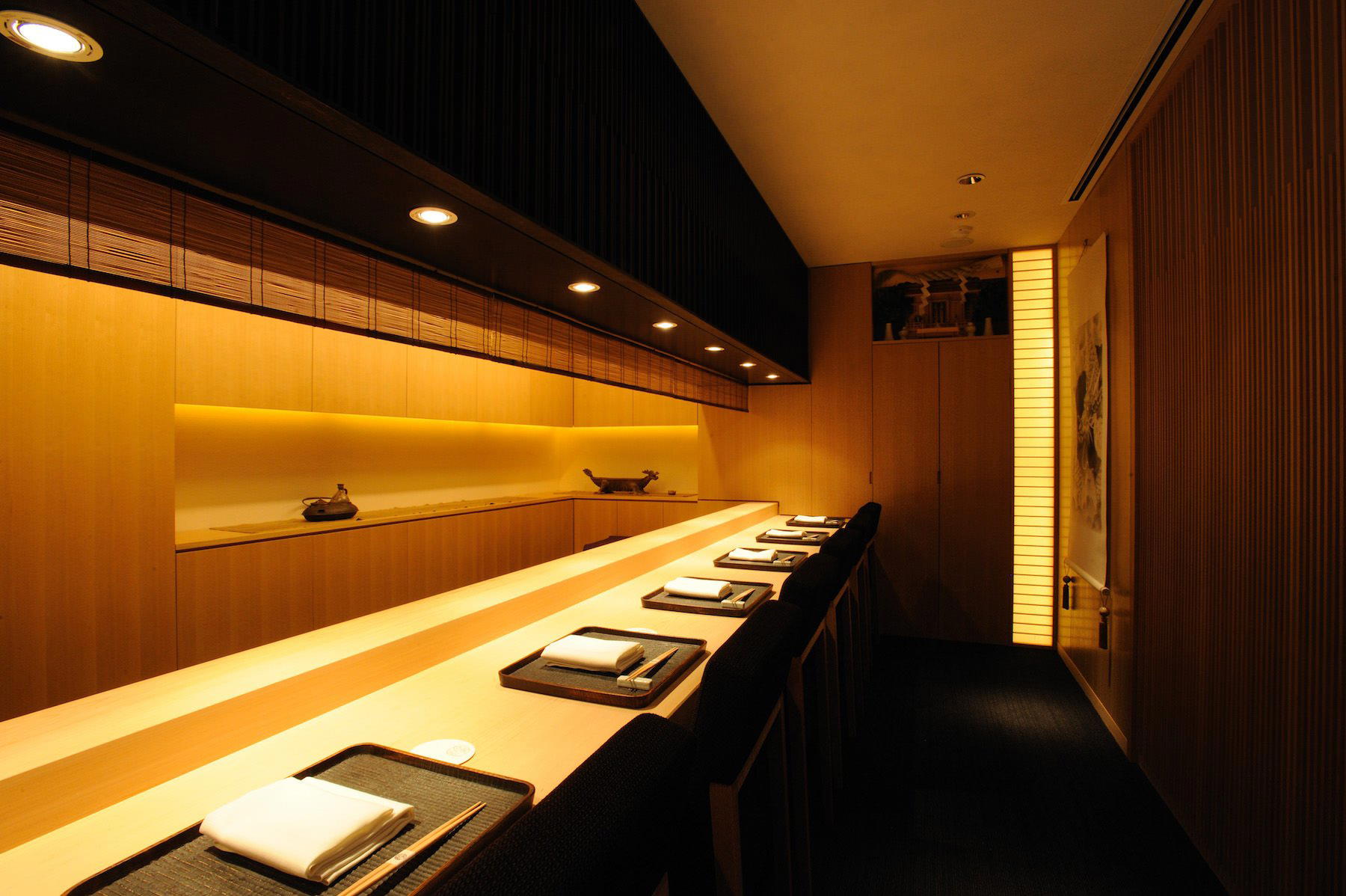
Sushi Shin operates out of Asagaya, a residential pocket of Suginami that sits well outside Tokyo's central sushi circuit. The counter format places it in the neighbourhood omakase tier, where familiarity between itamae and guest shapes the meal as much as the fish. For those already familiar with the Ginza and Roppongi sushi axis, Shin offers a different register of the same tradition.

Pearl is the En Primeur Club membership app — saves, bookings, and concierge access live there. Same editors, same standards.
- Address
- Japan, 〒166-0001 Tokyo, Suginami City, Asagayakita, 2 Chome−4−2 田嶋店舗 1階-C
- Phone
- +815054945663
- Hours
- Mon–Sat 6–10 PMSun Closed
- Website
- inline.app
- Directions
- Get directions
- Booking
- Book on OpenTable
Sushi in the Suburbs: What Asagaya's Omakase Scene Tells You About Tokyo
Tokyo's sushi geography has a clear centre of gravity. Ginza concentrates the three-star counters, the Kanesaka and Saito lineages, the rooms where a seat costs as much as a flight. Further out, in Shibuya and Shinjuku, a second tier operates at ¥¥¥¥ price points but still draws on the same press coverage and the same international reservation infrastructure. Then there is a third tier, less discussed, that runs through the residential wards: Suginami, Nerima, Setagaya. These counters rarely appear in foreign-language guides. They are, structurally, neighbourhood restaurants, which in the Japanese sense means something more demanding than the phrase implies anywhere else.
鮨しん 阿佐ヶ谷 Sushi Shin Tokyo sits in Asagayakita, the northern side of Asagaya station, in Suginami City. The address places it in a low-rise commercial strip of the kind that borders most Tokyo residential stations: small izakayas, ramen shops, a sake bar or two. For the guest arriving from central Tokyo, the walk from the station recalibrates expectations quickly. This is not the Ginza model. The point of the meal here is not prestige signalling through postcode.
The Regulars' Logic
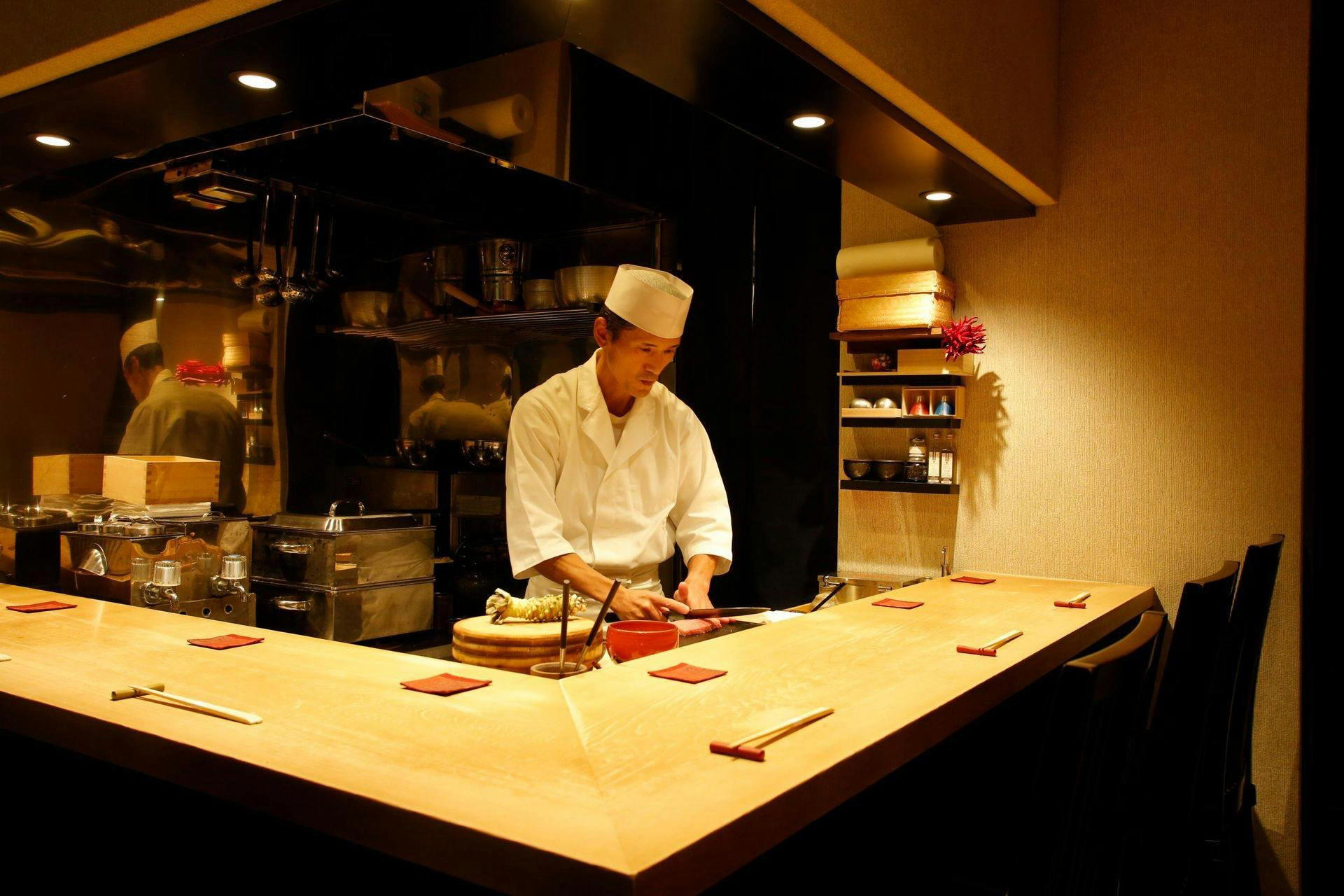
Neighbourhood omakase counters in Tokyo build their audiences differently from their Ginza counterparts. At the high-end central rooms, the clientele rotates heavily through expense accounts, visiting critics, and inbound travellers who have waited months for a seat. The counter dynamic is transactional in a particular way: both sides know the visit may be a one-off. At a residential counter like Sushi Shin, the returning guest is the structural baseline. The itamae learns how a regular eats across seasons, adjusts pacing, knows which fish a particular guest will want more of. That accumulated knowledge is, in its own way, a form of menu that never appears written down.
This is what regulars at counters like this one describe as the real advantage over the central rooms: not lower prices or easier bookings necessarily, but the shift from performance to conversation. The omakase format, which was always built around dialogue between chef and guest, operates closer to its original intent when the guest is known. Comparative studies of Tokyo's sushi tiers consistently show that the residential counter model produces higher repeat-visit rates than central destination rooms, which tells you something about the quality of the exchange.
For context, consider how the top-end market has structured itself. Harutaka, operating in Ginza at ¥¥¥¥, represents the canonical central counter with full critical exposure and international waitlists. The proposition at a Suginami address is categorically different, and the regulars who drive its business are typically choosing it not as a second-leading option but as a deliberate preference for that neighbourhood register.
Asagaya as a Dining Ward
Suginami's dining identity is built on density of quality rather than concentration of stars. The ward runs along the Chuo line between Shinjuku and the western suburbs, and its commercial pockets, of which Asagaya is one of the most developed, have accumulated serious independent restaurants across categories without attracting the critical apparatus that follows Michelin-heavy addresses. That absence of coverage is a structural feature of how Japanese restaurant criticism still operates: the guides concentrate on central wards, which means the residential scene remains underreported relative to its actual level.
Asagaya itself has a long association with artists, musicians, and writers, which historically produces a particular kind of local dining culture: independent, specific, resistant to the homogenisation that comes with tourist traffic. The restaurants here tend to run on their own terms. For those who have already worked through the central Tokyo circuit, including stops at RyuGin for kaiseki, L'Effervescence or Sézanne for French, or Crony for something more experimental, Asagaya offers a change of mode rather than a step down in seriousness.
Booking and Planning
Detailed booking information for Sushi Shin, including contact method and reservation window, is not published through standard channels, which is itself a signal of the counter's operating model. Venues in this tier frequently rely on direct contact, often through telephone or introduction, and do not maintain the international-facing reservation platforms used by the central destination rooms. Arriving without a confirmed booking is not a viable strategy; given the counter format and neighbourhood clientele base, walk-in capacity is effectively zero on any given evening. The practical approach is to make contact well in advance, with enough lead time to allow for language navigation if needed. A hotel concierge in central Tokyo with experience placing reservations at off-circuit addresses is the most reliable route for non-Japanese-speaking visitors.
Asagaya station is served by the JR Chuo line, which connects directly to Shinjuku in under fifteen minutes and to Tokyo station with one transfer. From the station's north exit, the address in Asagayakita is a short walk. The surrounding area provides options for a pre-dinner drink at the neighbourhood's small bars without requiring a separate trip into the centre.
Japan's sushi scene rewards lateral exploration. The counters that appear in every international guide represent one version of the tradition. Another version runs through the residential wards, less visible, more rooted, and in many cases more instructive about what the format actually does at its finest. Sushi Shin's address in Suginami puts it in that second category. For the reader who has already covered the central Tokyo sushi circuit or who wants to understand the form outside its most pressurised context, the Asagaya direction is worth considering seriously. See our full Tokyo restaurants guide for broader coverage of the city's dining tiers.
For those extending their Japan itinerary beyond Tokyo, the same principle of looking beyond the prestige circuit applies in other cities. HAJIME in Osaka, Gion Sasaki in Kyoto, akordu in Nara, and Goh in Fukuoka each represent their respective cities' serious dining tiers. Further afield, regional counters in less-visited cities, among them Nanao, Sapporo, Takashima, and Nishikawa Machi, demonstrate how far the residential counter model extends across Japan. Other formats worth noting in the broader Japanese context include Birdland in Sakai and Bistro Ange in Toyohashi. For international comparison on how neighbourhood-rooted fine dining operates outside Japan, Le Bernardin in New York City and Atomix in New York City offer a useful contrast in how different cities structure their off-circuit serious dining.
Frequently asked questions
Where is 鮨しん 阿佐ヶ谷 Sushi Shin Tokyo in Tokyo?
鮨しん 阿佐ヶ谷 Sushi Shin Tokyo is located at Japan, 〒166-0001 Tokyo, Suginami City, Asagayakita, 2 Chome−4−2 田嶋店舗 1階-C, Tokyo.
Is Sushi Shin in Asagaya a good option if I want Tokyo omakase without travelling to Ginza or Shinjuku?
Sushi Shin sits in Asagaya, Suginami City, directly on the Chuo line, which connects to central Tokyo in under 20 minutes from Shinjuku. For diners who want an omakase counter experience without the concentration of Ginza's three-star rooms, Asagaya's dining ward offers a quieter, more local alternative. The trade-off is that booking access relies on direct inquiry rather than a published reservation system.
What's the signature dish at 鮨しん 阿佐ヶ谷 Sushi Shin Tokyo?
Specific menu details for Sushi Shin are not published through standard channels, which is consistent with how many neighbourhood omakase counters in Tokyo operate. The format itself is the point: a counter in Suginami City's Asagaya district where the chef dictates the sequence based on season and market. Expect the structure of a traditional Edomae omakase, though the precise dishes change course by course.
Do I need a reservation for 鮨しん 阿佐ヶ谷 Sushi Shin Tokyo?
Yes. Sushi Shin operates as an omakase counter in Asagaya, and counters of this format in Tokyo run on reservation-only seatings. Booking details are not listed through public channels, which is common for smaller neighbourhood counters that rely on direct contact or introduction. Arriving without a booking is not a viable option.
What's the defining dish or idea at 鮨しん 阿佐ヶ谷 Sushi Shin Tokyo?
The defining idea at Sushi Shin is proximity without compromise: an omakase counter in Asagaya, Suginami City, that operates by the same counter-first logic as Tokyo's central sushi rooms but outside the Ginza price geography. The counter format places the chef's decisions at the centre of the meal, with no à la carte distraction. That discipline is the point.
A Pricing-First Comparison
Comparable venues nearby, for context on price, style, and recognition.
| Venue | Cuisine | Price | Awards | Notes |
|---|---|---|---|---|
| 鮨しん 阿佐ヶ谷 Sushi Shin TokyoThis venue — the venue you are viewing | Premium Omakase Sushi | $200–300 | Not listed | Not listed |
| 3110NZ By LDH Kitchen | Modern Omakase Sushi with Art Gallery | $300–500 | Not listed | Naka-Meguro, Modern Omakase Sushi with Art Gallery |
| Yotaro | Kansai-Style Tempura | $100–150 | Not listed | Nakano, Kansai-Style Tempura |
| 新宿割烹 中嶋 | Classic Robatayaki | $100–150 | Not listed | Shinjuku, Classic Robatayaki |
| 山﨑 | Seasonal Japanese Kaiseki Omakase | $300–500 | Tabelog Silver #156 | Minato, Hokkaido-style Omakase Sushi |
| Ichiyanagi | Edomae Sushi Omakase | $150–200 | Tabelog 100 #1 | Chūō, Edomae Sushi Omakase |