
Michelin Bib Gourmand
Our verdict
A Michelin Bib Gourmand-recognised counter in Shibuya's Kamiyamacho neighbourhood, Sushi Kourin operates at the ¥¥ price point that most Tokyo sushi coverage ignores. Chef Tyler Peek opens the noren at 3 PM, accepts single-piece orders, and posts a blackboard dense with daily options, a format that privileges access and spontaneity over the formality of omakase-only counters across the city.

Pearl is the En Primeur Club membership app, where members save venues, book tables and use the concierge.
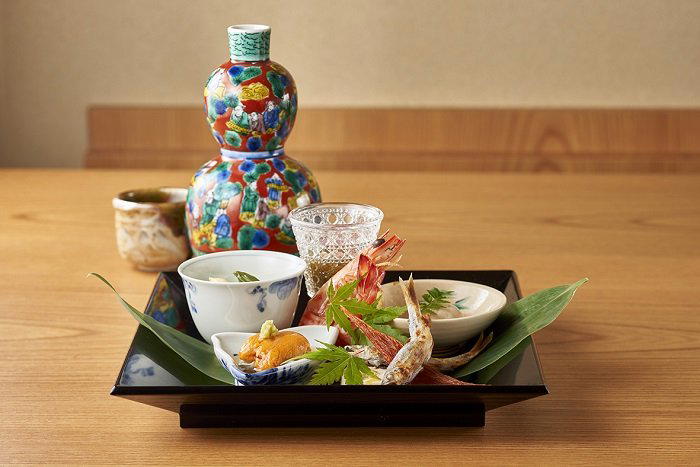
The menu
What to order
- Tuna trilogy
- Grilled shirako
- Sea urchin
- Tamago
The Afternoon Counter: How Shibuya's Approachable Sushi Fits Tokyo's Broader Scene
Tokyo's sushi conversation tends to collapse around two poles: the ¥¥¥¥ omakase counter with a three-month wait and the conveyor-belt chain with no wait at all. Between them sits a third tier, neighbourhood sushi shops where a trained chef works a blackboard menu, pricing stays accessible, and the format bends toward the customer rather than toward ceremony. Sushi Kourin, a basement counter in Kamiyamacho on the quieter residential flank of Shibuya, occupies that middle ground, and its 2025 Michelin Bib Gourmand recognition confirms the tier is worth paying attention to.
The Bib Gourmand designation is Michelin's signal for quality at a price the guide considers fair, historically defined as a full meal under a set threshold. In Tokyo's sushi context, where counters like Harutaka and Sushi Kanesaka operate at ¥¥¥¥ with fixed omakase sequences, a Bib Gourmand sushi counter is a structurally different proposition. The comparison set is not Sukiyabashi Jiro Roppongiten or Edomae Sushi Hanabusa. It is the category of carefully run local shops where craft and accessibility coexist, a format that Michelin has consistently rewarded in Japan precisely because the country's hospitality culture does not treat price as a proxy for seriousness.
Format as Philosophy: The Blackboard Counter
What distinguishes Sushi Kourin's operating format is the blackboard. Rather than a fixed sequence decided in advance by the chef, the menu at Kourin is posted daily, sushi items and snacks, varying with availability, and guests order from it directly, face to face with the person preparing each piece. The format is deliberate. Single-piece ordering is accepted, a policy that removes the minimum-spend pressure common at tasting-menu counters and signals that the kitchen is confident enough in each individual item to let it stand alone.
This approach places the interaction between chef and diner at the centre of the experience. The counter format, standard across serious sushi in Japan, here functions differently from the omakase model: instead of the chef curating a narrative, the guest navigates a live list with the chef as guide. The team dynamic at a counter like this, where front-of-house and kitchen are the same person or a tight two- or three-person crew, rewards guests who engage with the blackboard rather than defaulting to a set. Ask what arrived that morning. Ask what the chef recommends at this particular moment. The answers tend to be more instructive than a printed menu.
For context on how Tokyo's sushi counters are integrating this kind of transparency into service culture, Hiroo Ishizaka represents a comparable interest in direct chef-diner communication at a different price tier.
The 3 PM Opening and What It Signals
Sushi Kourin opens at 3 PM. In a city where most fine dining begins at 6 PM and the busiest sushi counters run two tight seatings in the evening, an afternoon opening is a structural statement. It orients the counter toward a different rhythm: the neighbourhood regular who wants to eat early, the diner who prefers to drink sake while the city is still light, the couple who wants to avoid the compressed formality of a dinner seating.
The 3 PM noren-hanging is a tradition associated with neighbourhood izakayas and standing sushi bars rather than destination counters, which is precisely what makes its presence at a Michelin-recognised venue notable. It signals that the chef's priority is access and ease over the scarcity mechanics that dominate the upper tier of Tokyo sushi. You can arrive without weeks of planning. You can order one piece. You can linger.
For readers planning a wider Tokyo dining itinerary, the full Tokyo restaurants guide maps the city's sushi and broader dining scene across price tiers. For accommodation near Shibuya and Kamiyamacho, the full Tokyo hotels guide covers options from the neighbourhood upward. Bars and drinking culture in the city are covered in the full Tokyo bars guide, and for experiences beyond restaurants, the full Tokyo experiences guide and full Tokyo wineries guide round out the city picture.
How Kourin Fits in Japan's Wider Sushi Geography
The concentration of serious sushi in Tokyo is unmatched on the island, but the format Kourin represents, accessible, daily-market-driven, counter-served, has parallels across Japan's dining cities. HAJIME in Osaka and Gion Sasaki in Kyoto represent the formal end of those cities' fine dining, while akordu in Nara and Goh in Fukuoka illustrate how regional cities build their own serious dining identities outside Tokyo's gravity. Closer to Tokyo, 1000 in Yokohama and 6 in Okinawa extend the network further.
Outside Japan, the export of Tokyo's counter sushi format to other Asian cities has produced high-level results: Sushi Shikon in Hong Kong and Shoukouwa in Singapore both operate at the top of their local markets using Tokyo-trained methodology. What Kourin represents is the other end of that sushi culture, not the export format, but the local one that made the export possible in the first place.
Planning Your Visit
Sushi Kourin is located in the basement of the Umezawa Building at 11-10 Kamiyamacho, Shibuya, Tokyo 150-0047. Opening time: The noren goes up at 3 PM, arrive on the earlier side to secure a seat at the counter. Budget: The ¥¥ price range positions this well below the ¥¥¥¥ omakase tier; expect to spend meaningfully but not extravagantly for a full meal with drinks. Ordering: Single-piece orders are accepted; read the blackboard on arrival and ask the chef for guidance on what is freshest. Booking: Specific reservation details are not published, the counter's drop-in orientation suggests walk-ins are welcomed, though early arrival on busy evenings is advisable. Getting there: Kamiyamacho sits within walking distance of Yoyogi-Uehara and代々木公園 stations on the Odakyu and Chiyoda lines, placing it on the quieter residential side of Shibuya ward.
What Should I Eat at Sushi Kourin?
The blackboard is the starting point. Because the menu rotates with market availability, no fixed list of dishes applies across visits, which is the point. The most direct approach is to ask the chef what came in that day and order around those recommendations, supplementing with snacks from the board. The single-piece ordering policy means you can sample broadly without committing to a set sequence. The Bib Gourmand recognition speaks to the kitchen's consistency across its range rather than to one or two signature items, so range-ordering is both possible and encouraged by the format itself.
Cuisine Context
| Venue | Cuisine | Price | Awards | Notes |
|---|---|---|---|---|
| SUSHI KOURINThis venue (the venue you are viewing) | Innovative Edomae Omakase | $300–500 | Michelin Bib Gourmand | Not listed |
| Harutaka | Edo-Style Omakase Sushi | $200–300 | 3 Michelin Stars · World's 50 Best #76 | Sushi |
| RyuGin | Modern Kaiseki | $500+ | 3 Michelin Stars · World's 50 Best #41 | Kaiseki, Japanese |
| L'Effervescence | Modern French with Japanese Influences | $200–300 | 3 Michelin Stars · World's 50 Best #69 | French |
| HOMMAGE | Modern French with Japanese Influences | $150–200 | 2 Michelin Stars · World's 50 Best #78 | Innovtive French, French |
| MAZ | Innovative Peruvian-Japanese Fusion | $150–200 | 2 Michelin Stars · World's 50 Best #28 | Innovative |
Recognition history
Dated appearances from independent guides and award organizations, with the underlying list record or original source where available.
Michelin Bib Gourmand
Michelin
Full recognition history (2 entries)
Michelin Bib Gourmand
Michelin
Continue exploring
More in Tokyo
Restaurants in Tokyo
All restaurants in Tokyo →

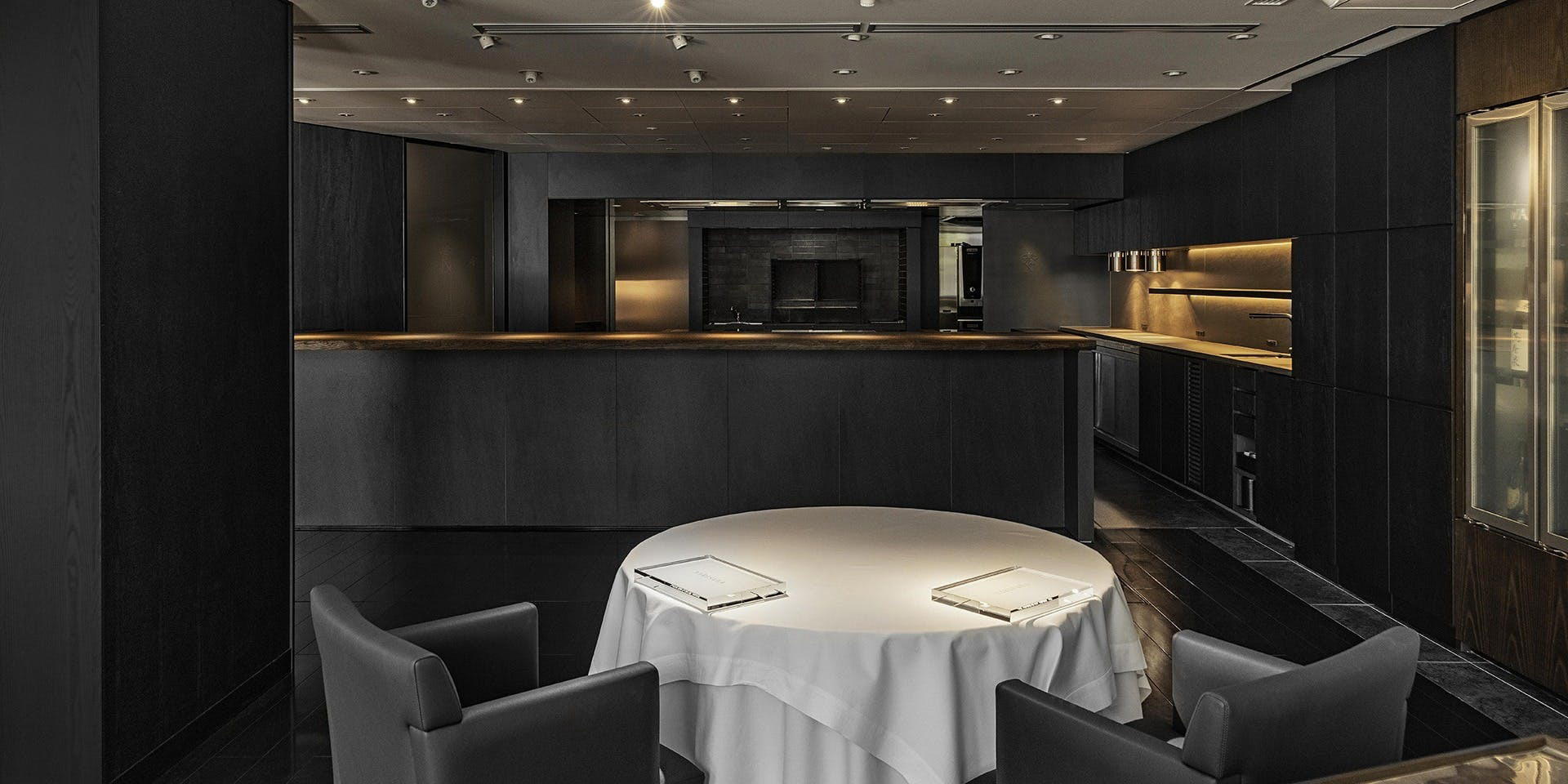


Bars in Tokyo
All bars in Tokyo →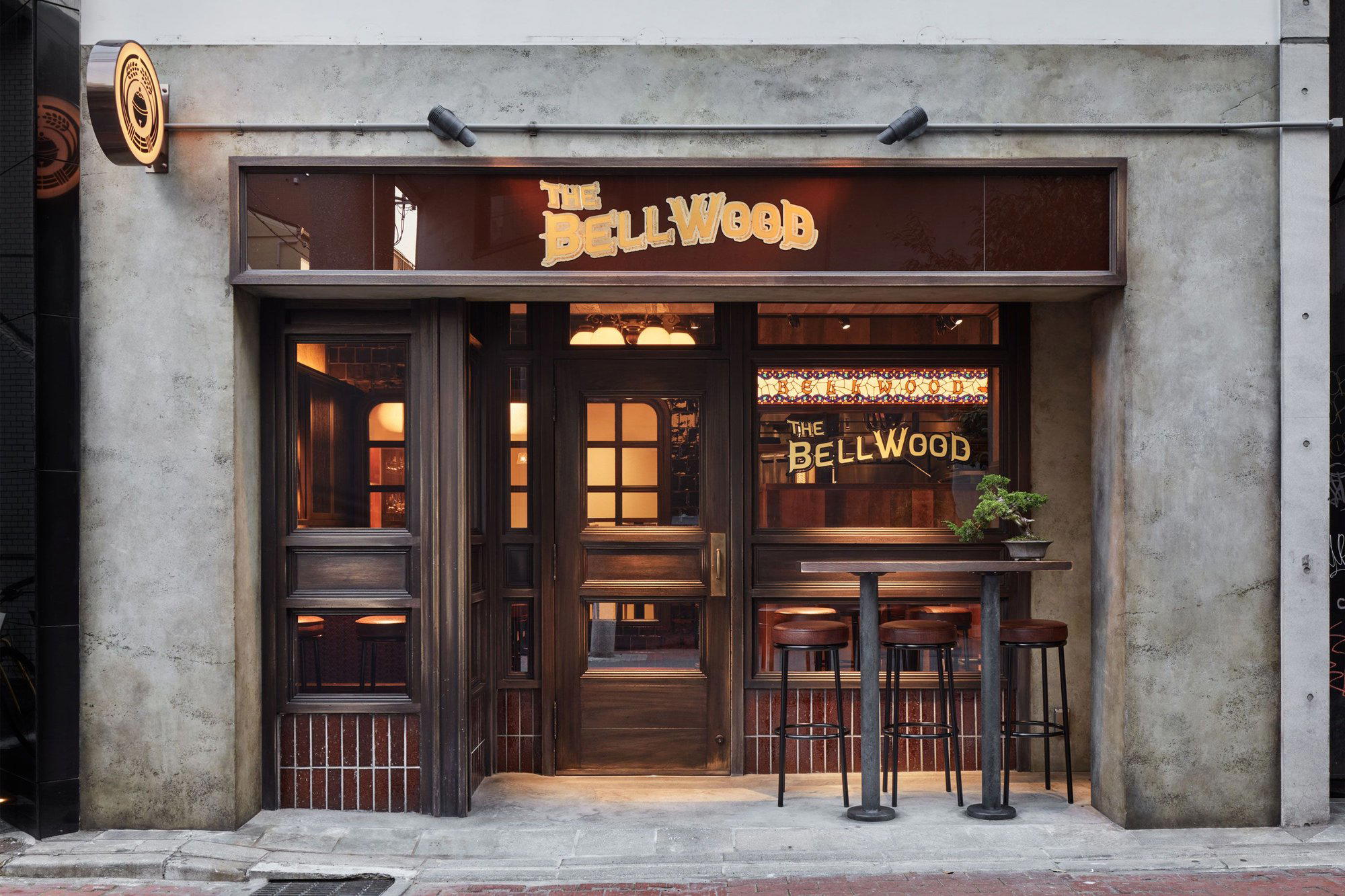

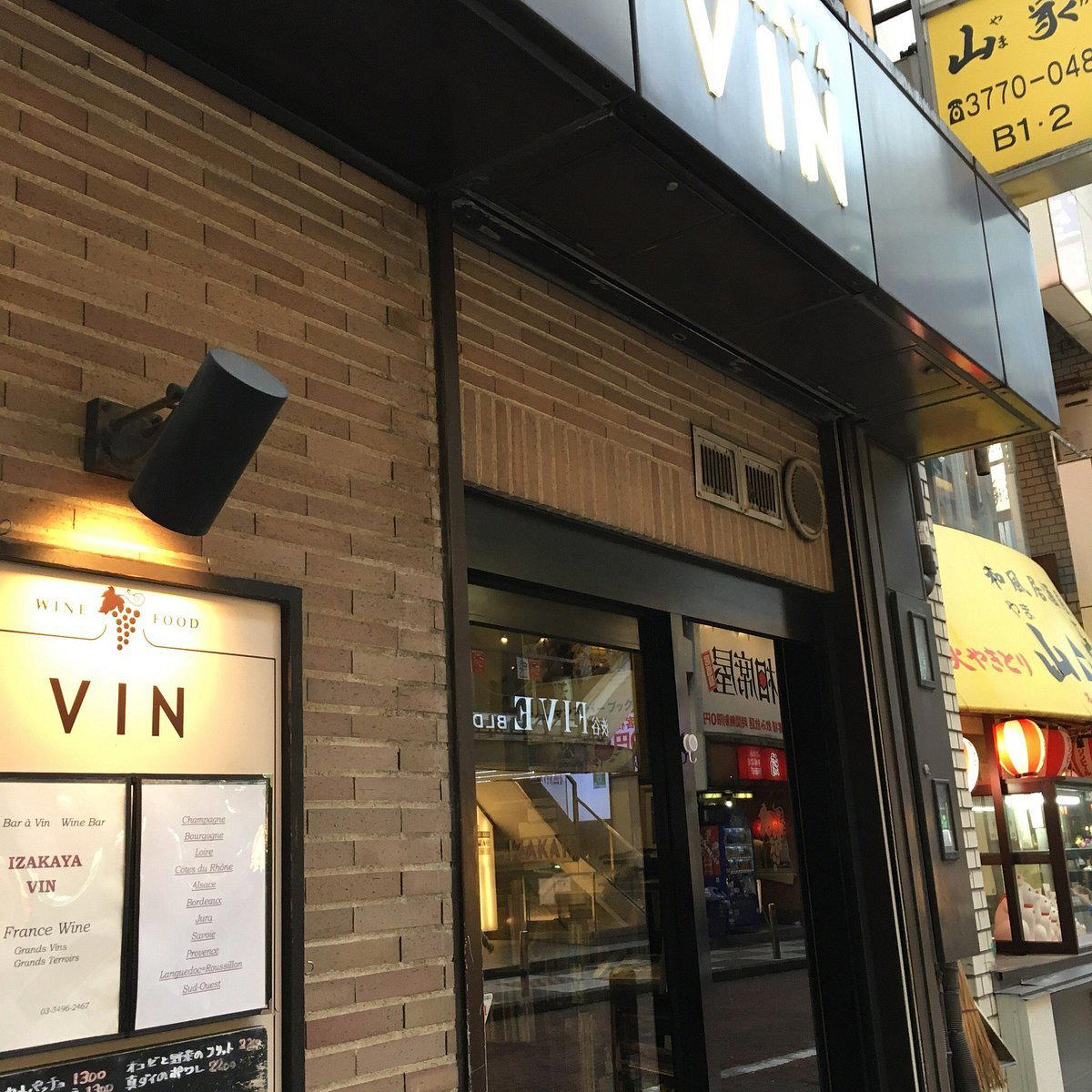




Details
- Intimate
- Elegant
- Classic
- Sophisticated
- Date Night
- Special Occasion
- Business Dinner
- Chefs Counter
- Open Kitchen
- Sake Program
- Extensive Wine List
- Sustainable Seafood
- Omakase
- Counter Dining
- Sake
- Wine
- Gluten Free Options
- Allergy Accommodating
Current opening hours
- Monday
- 3–10 PM
- Tuesday
- 3–10 PM
- Wednesday
- 3–10 PM
- Thursday
- 3–10 PM
- Friday
- 3–10 PM
- Saturday
- 3–10 PM
- Sunday
- 3–10 PM
Hours can change for holidays and private events. Last verified .
Warm, intimate counter setting with wood accents and bright, clean aesthetic; personal and welcoming atmosphere created by attentive owners who engage guests throughout the meal.