



La Liste Top Restaurants · Tabelog Bronze #530 · Black Pearl 1 Diamond
Our verdict
Ginza sushi at this level is less about theatrical luxury than compression: a small counter, a narrow range of choices, and years of repetition made visible in the pacing. Sushi Yoshitake belongs in Tokyo’s high-ticket Edomae conversation through Masahiro Yoshitake’s counter, repeated Tabelog Bronze recognition, La Liste scoring, and OAD Japan rankings.

Pearl is the En Primeur Club membership app — saves, bookings, and concierge access live there. Same editors, same standards.
- Address
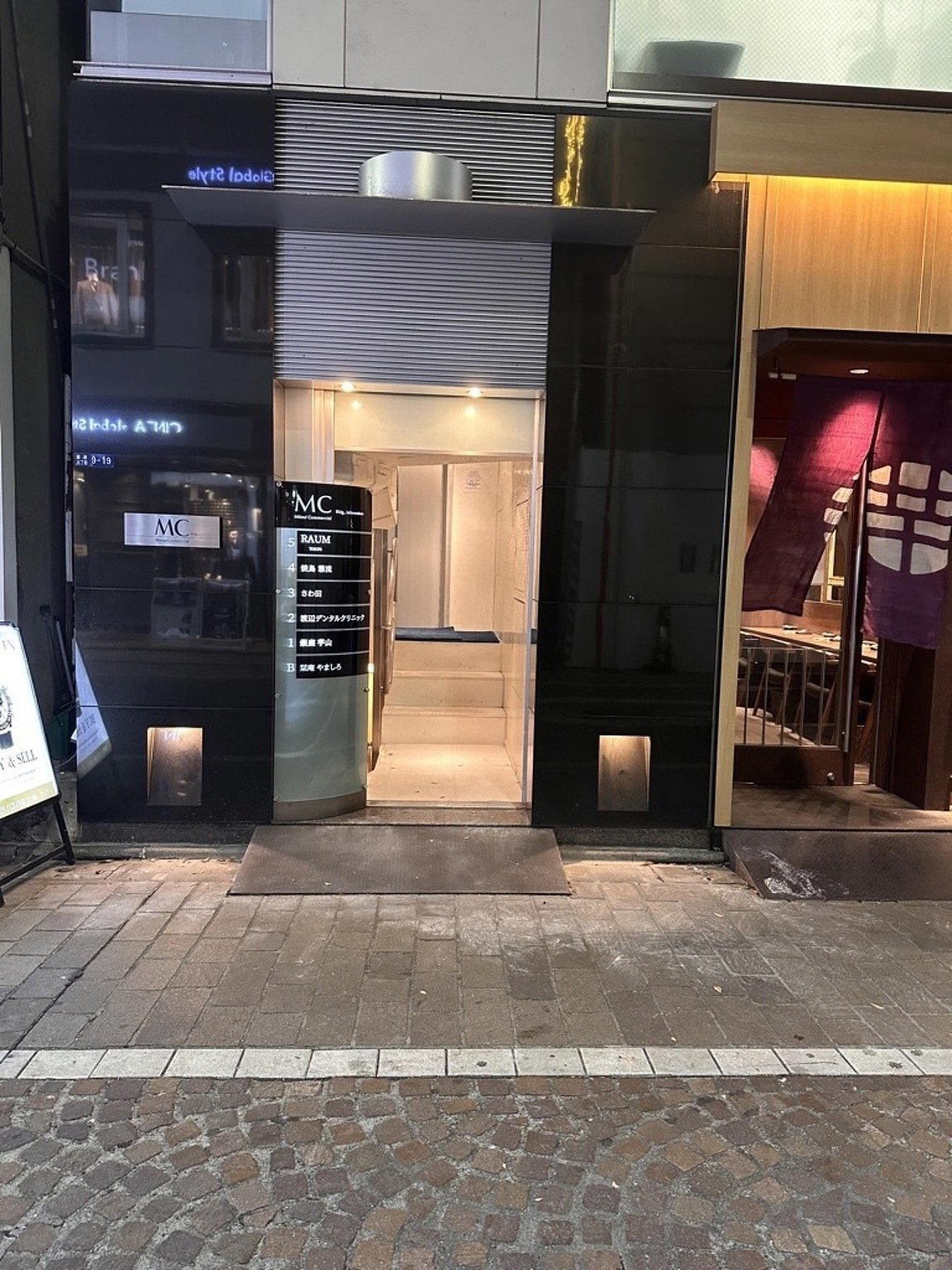
- Japan, 〒104-0061 Tokyo, Chuo City, Ginza, 7 Chome−8−13 Brown Place9F
- Phone
- +81 3-6253-7331
- Hours
- Mon–Fri 6–10:30 PMSat 12–2 PM, 6–8 PMSun Closed
- Website
- sushi-yoshitake.com
- Directions
- Get directions
- Booking
- Book on Omakase
The menu
What to order
- Abalone with liver sauce
- Uni sushi
- Chutoro
- Otoro
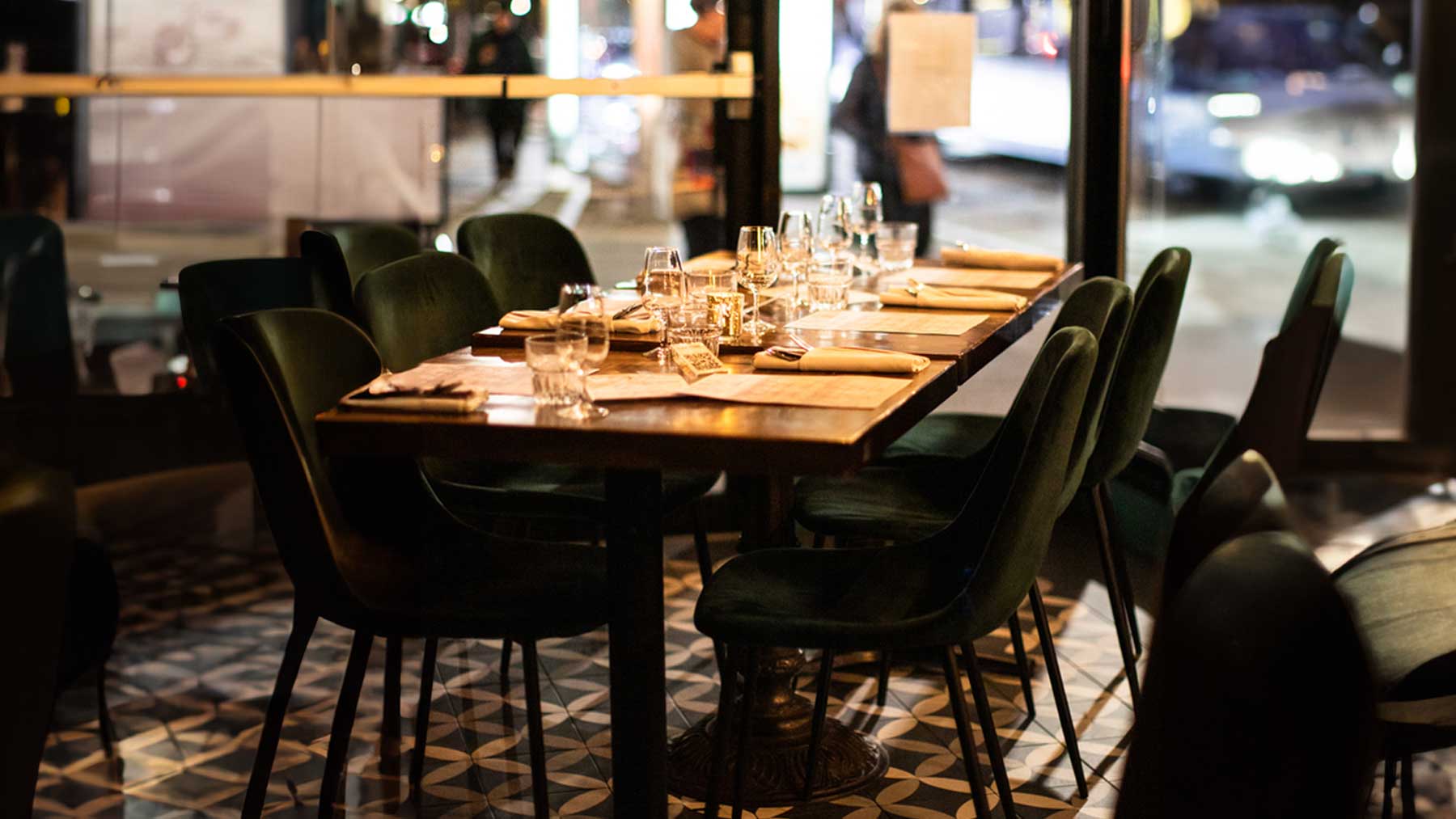
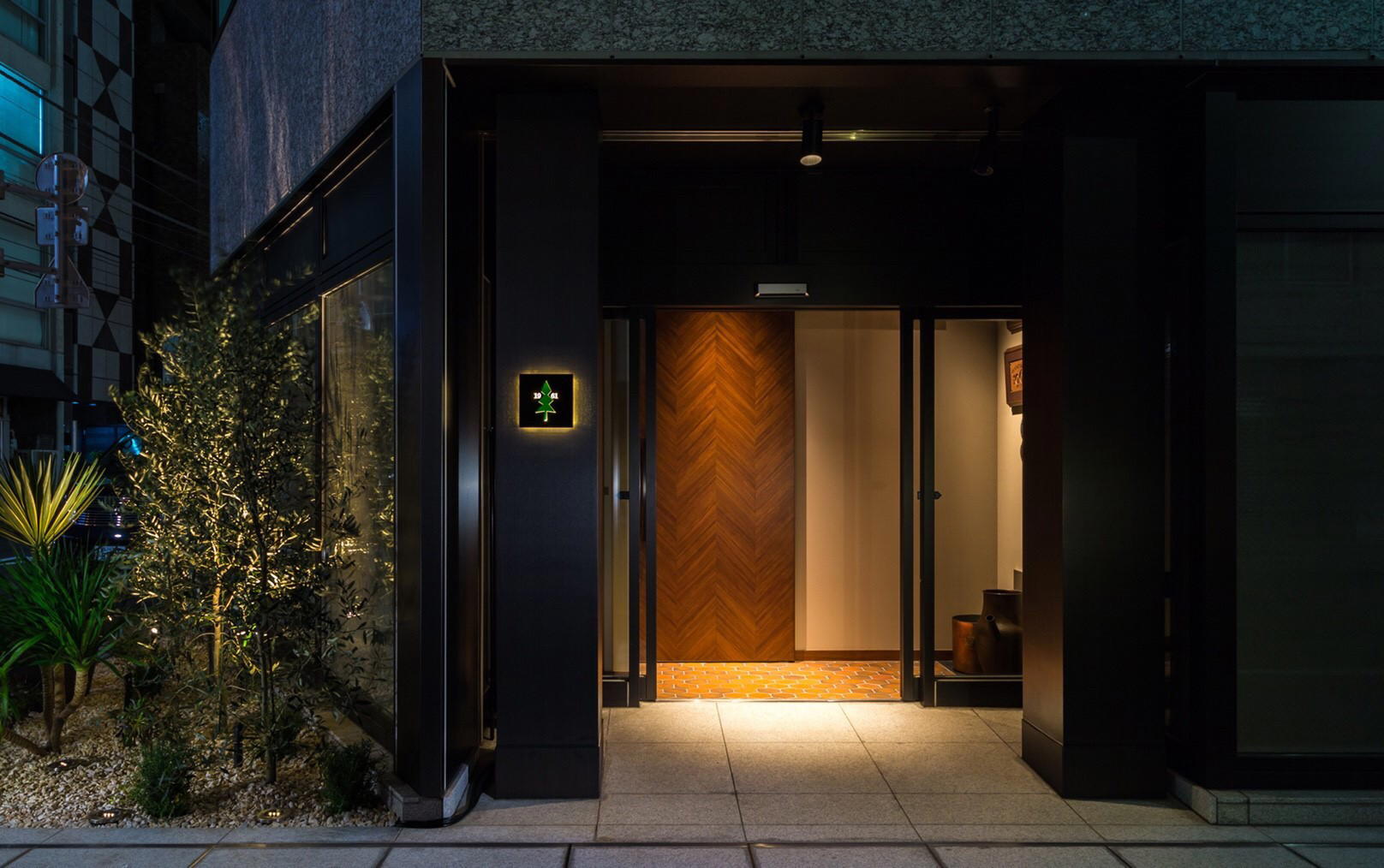
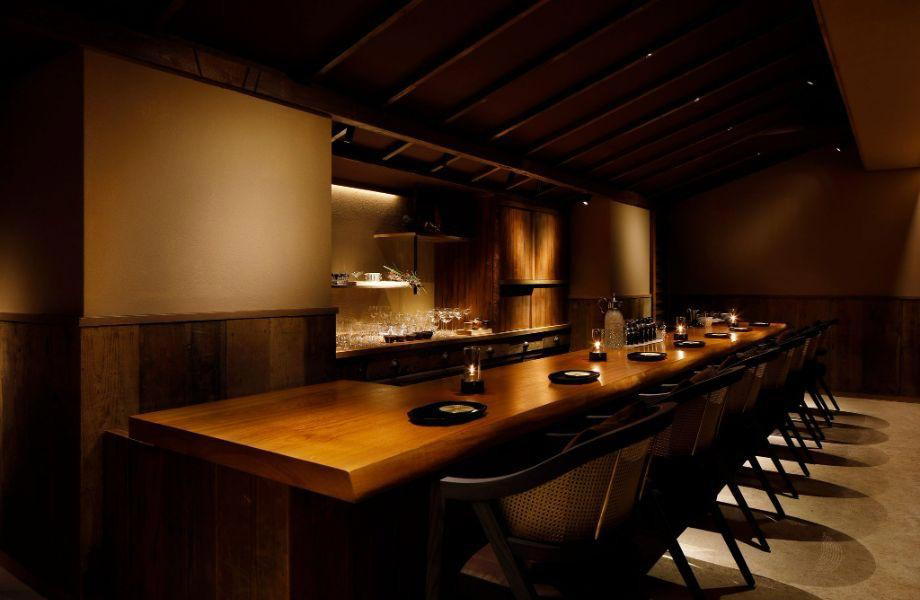
Ginza’s upper-floor sushi rooms have their own rhythm: elevators opening onto quiet corridors, a counter replacing the dining room, and the city’s noise cut down to the scrape of wood, ceramic, and conversation kept low. This is the Tokyo sushi format at its most concentrated, where the room is small by design and the meal depends less on menu choice than on sequence, temperature, rice, and timing.
In that setting, Sushi Yoshitake sits in a serious bracket of Ginza Edomae sushi. The kitchen is led by Masahiro Yoshitake, and the restaurant’s public recognition is not thin: Tabelog Award Bronze in 2026, 2025, 2024, 2023, 2019, and 2018; selection for Tabelog Sushi TOKYO 100 in 2025, 2022, and 2021; La Liste Top Restaurants scoring of 89 points in 2026; and a place at No. 116 in OAD’s 2026 Japan restaurant ranking. Those signals matter in Tokyo, where reputation is built across guide systems with different audiences rather than through a single badge.
Ginza Edomae, measured against a crowded counter culture
Tokyo sushi has become a study in tiers. At one end are historic, high-throughput names that helped define Ginza sushi for visitors and business diners; at the other are smaller counters that behave more like appointment-only craft workshops. The useful comparison is not between sushi and other luxury dining, but between counter philosophies inside the same city. Kyubey remains tied to a broader Ginza sushi tradition, Sushi Kanesaka signals a polished high-end lineage, Sushi Aoki: Ginza represents the district’s classicist strain, Hakkoku pushes a more intensely sushi-focused format, and Sushi Take belongs to the same local conversation around compact, chef-led counters.
Yoshitake’s position is closer to the small-room, chef-defined side of that map. The awards record places it among restaurants evaluated by Japanese diners as well as international list-makers, which is a useful filter in a city where overseas fame and local demand do not always overlap. The Tabelog score of 4.23 in 2026, alongside the Bronze award history, suggests sustained domestic approval rather than a short burst of attention.
The Edomae frame matters here. Tokyo sushi is not just raw fish on rice; it is a tradition of preparation, seasoning, preservation, and service rhythm that grew from the city’s old bay culture and later became one of Japan’s great luxury formats. At this level, the chef’s judgment is the structure. Masahiro Yoshitake’s name functions less as biography than as authorship: the counter is where sourcing, rice temperature, vinegar profile, knife work, and pacing are made legible to diners who know how to read small differences.
What the recognition says about the meal
Award data can be noisy, but repeated recognition across years is more useful than a single ranking. The Tabelog Bronze sequence from 2018 through 2026, with gaps but clear recurrence, puts the restaurant in a group that Japanese diners have kept returning to over multiple cycles. The Tabelog Sushi TOKYO 100 selections in 2021, 2022, and 2025 reinforce the category-specific point: this is not general luxury dining recognition applied to sushi, but sushi recognition inside Tokyo.
La Liste and OAD add a different lens. La Liste’s 89-point score in 2026 places the restaurant within an international comparison system that aggregates guide and review signals. OAD’s 2026 Japan ranking at No. 116, following earlier Japan placements in 2025, 2024, and 2023, gives another marker of durability. None of this tells a diner which piece will define the meal, and it should not. It tells a diner that the counter belongs in the higher-confidence tier of Tokyo sushi planning.
The useful critical reading is restraint. Ginza has plenty of dining rooms that announce expense through materials, skyline views, or ceremony. Sushi counters operate differently. The luxury is compression: fewer seats, fewer distractions, fewer decisions, and a meal that rises or falls on execution. For visitors comparing categories across the city, a dinner here is a different proposition from a French tasting menu in Ebisu, a kappo-style evening elsewhere in Chuo, or a hotel dining room built for a broader audience.
How to place it within a Tokyo itinerary
Tokyo rewards specialization. A trip built around sushi should not treat every counter as interchangeable, especially in Ginza, where old-school institutions, modern omakase rooms, and list-recognized counters sit within a short taxi ride of one another. Sushi Yoshitake makes the most sense for diners who want a compact, chef-led Edomae experience with a strong Japanese recognition trail, rather than a sprawling restaurant evening with multiple rooms and an à la carte safety net.
For a broader Tokyo dining arc, pair the Ginza sushi question with restaurants that show other sides of the city’s appetite. EP Club’s Tokyo restaurant coverage includes 3110, Bistrot Dia, Daikanyama Ogawaken, Ebisu Endo, and Edomae Sushi Hanabusa. For city-wide planning, use Our full Tokyo restaurants guide, then widen the trip through Our full Tokyo hotels guide, Our full Tokyo bars guide, Our full Tokyo wineries guide, and Our full Tokyo experiences guide.
Japan’s dining range also helps sharpen the comparison. A Tokyo sushi counter should be judged differently from -Grilled beef Sukiyaki- KAMAKURA TANUKIAN 鎌倉 たぬき庵 in Kamakura.cafe in Osaka.know in Kumamoto, (Shoku) Vietnam in Kawasaki, [Curry Senmon Ten] Maruyama Kyoju. in Sapporo, [ki:] in Kyoto, AKA to SHIRO, Sushi in Osaka, or Akikos, Sushi in San Francisco. The point of choosing Ginza sushi is precision within a narrow form, not variety for its own sake.
The editorial call is clear: this is a counter for diners who care about Tokyo sushi as a discipline, not simply as a luxury purchase. Its strongest case is the convergence of chef-led format, Ginza context, and multi-year recognition from Tabelog, La Liste, and OAD. In a city crowded with expensive sushi, that combination gives the reservation its reason.
Frequently asked questions
What style of cooking does Sushi Yoshitake do?
Sushi Yoshitake serves Sushi cuisine.
How do I find Sushi Yoshitake?
Sushi Yoshitake is located in Tokyo.
When can I go to Sushi Yoshitake?
Hours at Sushi Yoshitake: Hours: Monday 6–10:30 pm Tuesday 6–10:30 pm Wednesday 6–10:30 pm Thursday 6–10:30 pm Friday 6–10:30 pm Saturday 12–2 pm, 6–8 pm Sunday Closed.
Who runs the kitchen at Sushi Yoshitake?
The chef associated with Sushi Yoshitake is Masahiro Yoshitake.
What's Sushi Yoshitake best at?
Sushi Yoshitake is strongest on Edomae-style sushi in Ginza, led by Masahiro Yoshitake. The trust signal is repetition: Tabelog Bronze awards in 2018, 2019, 2023, 2024, 2025, and 2026, plus Tabelog 100 selection for Tokyo sushi. It suits diners looking for a high-level sushi counter in Tokyo rather than a broad Japanese menu.
Where the Accolades Land
Comparable venues to place this listing in its category.
| Venue | Cuisine | Price | Awards | Notes |
|---|---|---|---|---|
| Sushi YoshitakeThis venue — the venue you are viewing | 3-Michelin-Star Omakase Sushi | $500+ | La Liste Top Restaurants · Tabelog Bronze #530 | Not listed |
| Takumi | Premium Omakase Sushi | $150–200 | Michelin Plate · Tabelog Bronze #450 | Minato |
| Sushi Matsumoto | Michelin-Starred Edomae Omakase | $200–300 | Michelin Plate · Tabelog 100 #83 | Shinjuku |
| Sushi Kobayashi | Traditional Edomae Omakase | Not listed | Michelin Plate | Chūō |
| Kiyosumi Takahara | Kyoto-style Kaiseki | $100–150 | Michelin Plate | Kōtō |
| Tempura Taku | Tempura Specialty | $50–100 | Michelin Plate · Tabelog 100 #49 | Shinjuku |
Recognition history
Dated appearances from independent guides and award organizations, with the underlying list record or original source where available.
La Liste Top Restaurants
La Liste
Black Pearl 1 Diamond
Black Pearl
Opinionated About Dining Top Restaurants in Japan Ranked #116
Opinionated About Dining
Tabelog Bronze #530
Tabelog
Full recognition history (11 entries)
Black Pearl 1 Diamond
Black Pearl
La Liste Top Restaurants
La Liste
Opinionated About Dining Top Restaurants in Japan Ranked #86
Opinionated About Dining
Tabelog Bronze
Tabelog
Tabelog 100 #64 · No. 64
Tabelog · Tabelog 100 - Sushi - TOKYO - 2025
Opinionated About Dining Top Restaurants in Japan Ranked #65
Opinionated About Dining
Opinionated About Dining Top Restaurants in Japan Ranked #55
Opinionated About Dining
Sushi Yoshitake
Featured Guides









Details
- Intimate
- Elegant
- Sophisticated
- Special Occasion
- Date Night
- Chefs Counter
- Sake Program
- Sustainable Seafood
- Omakase
- Counter Dining
- Sake
Current opening hours
- Monday
- 6–10:30 PM
- Tuesday
- 6–10:30 PM
- Wednesday
- 6–10:30 PM
- Thursday
- 6–10:30 PM
- Friday
- 6–10:30 PM
- Saturday
- 12–2 PM, 6–8 PM
- Sunday
- Closed
Hours can change for holidays and private events. Last verified .
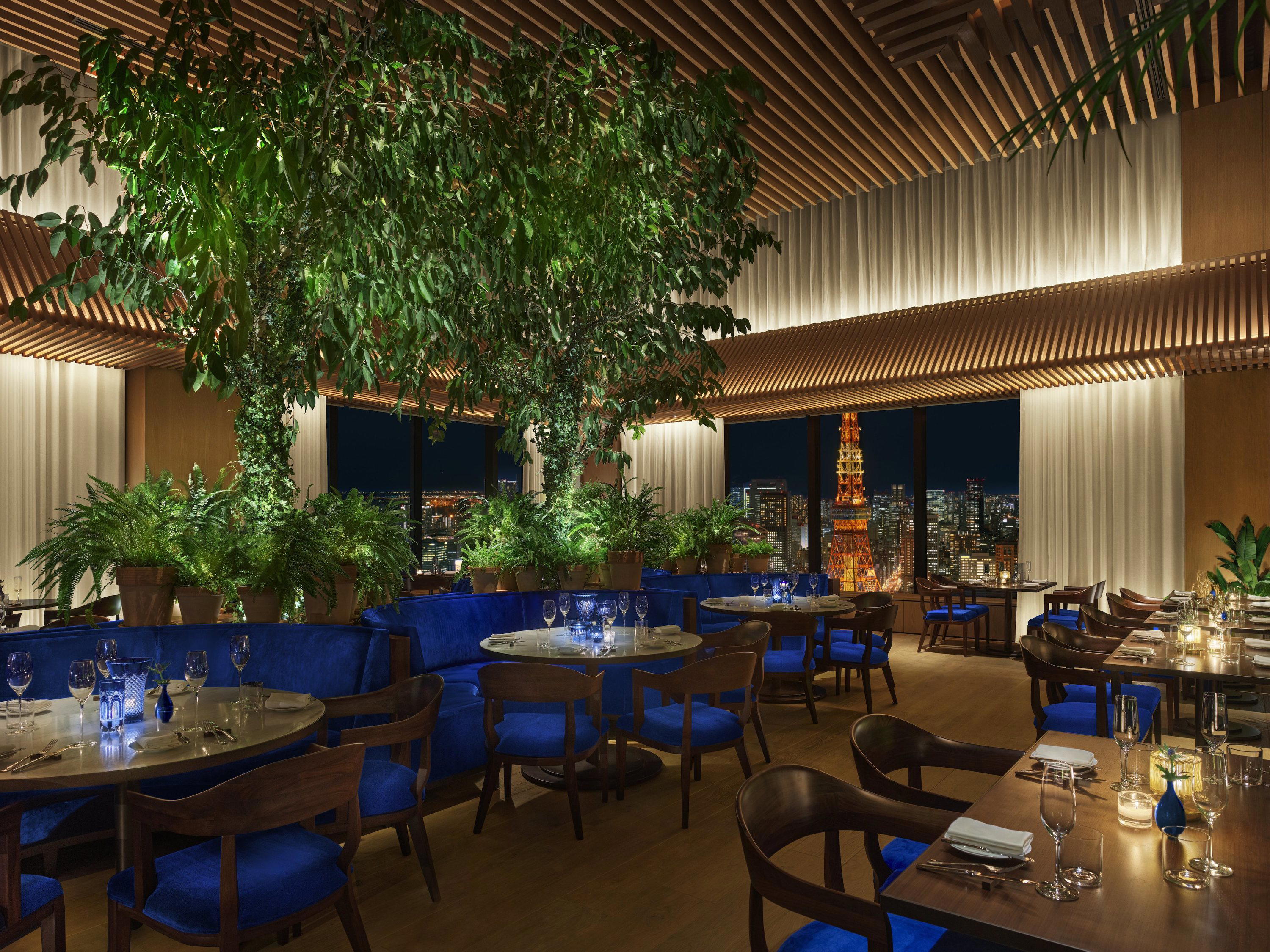
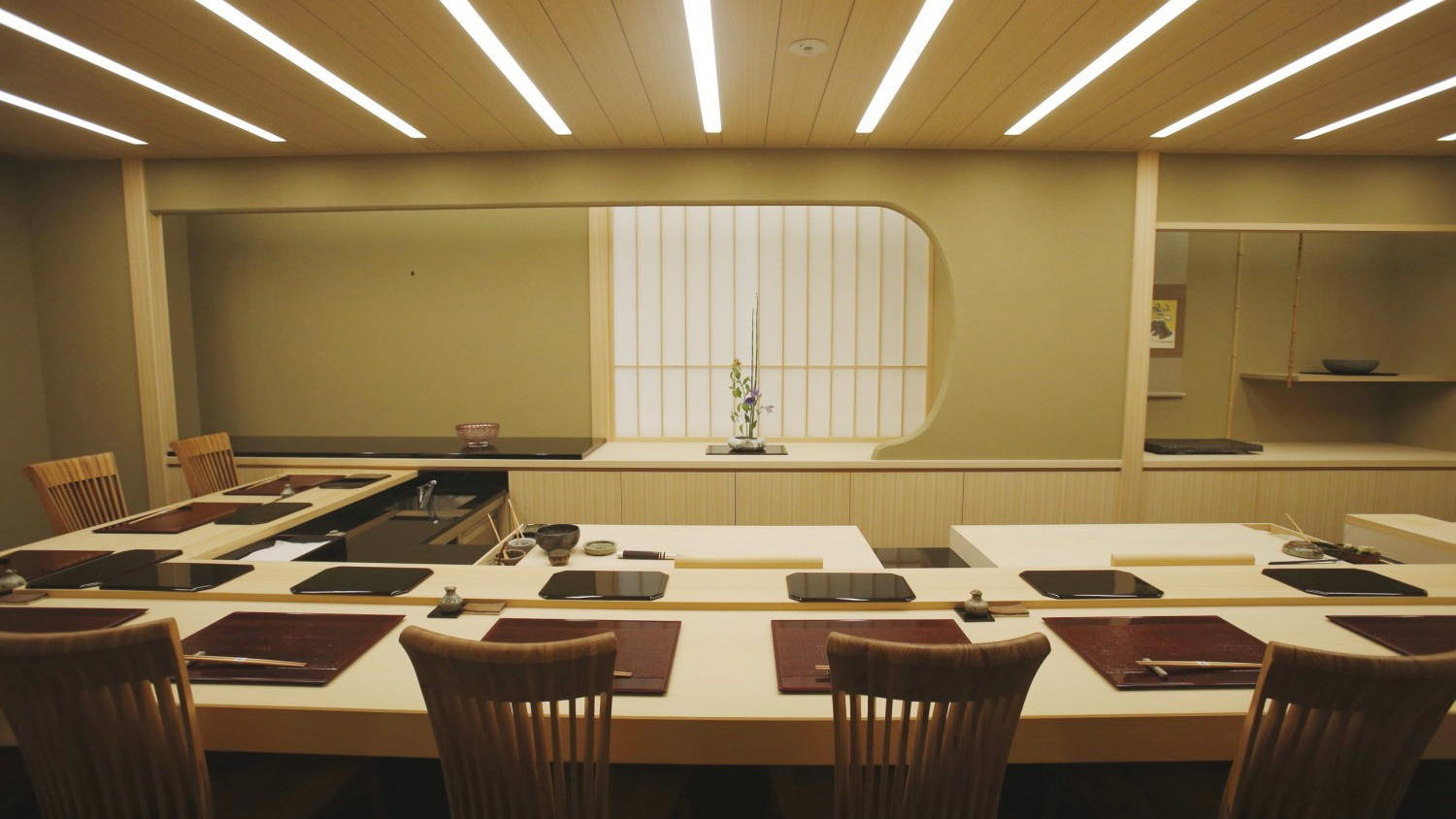
Cozy and intimate counter seating with focused, theater-like atmosphere centered on the chef's precise preparations; warm, personal service in a minimalist setting.