

Michelin Plate · Tabelog Bronze #205
Our verdict
A Tabelog Award fixture since 2020 and consistently named among Tokyo's top 100 Japanese restaurants, Tsunokamizaka Koshiba operates from a 12-seat second-floor room in Shinjuku's Arakicho quarter. The menu follows a Kansai-rooted architecture, kombu-enriched dashi, pressed sushi, grilled courses, rice dishes, with a pronounced focus on fish and nihonshu pairings. Dinner runs JPY 30,000–39,999 per person, by reservation only.

Pearl is the En Primeur Club membership app, where members save venues, book tables and use the concierge.
The menu
What to order
- Bluefin Tuna Sashimi
- Grilled Miso Cod
Twelve Seats, Seven Years of Consecutive Recognition
Tokyo's washoku scene divides, broadly, into two operating philosophies. The first is scale: large-format kaiseki rooms where the ceremony of space reinforces the price point. The second is compression: small counters and rooms where the kitchen's attention is undivided and the program is tightly edited. Arakicho, a quiet residential pocket of Shinjuku that most visitors walk past without noticing, belongs firmly to the second tradition. Tsunokamizaka Koshiba operates from a second-floor room with 12 seats, eight at the counter, four at tables, and has held Tabelog Award recognition every year from 2020 through 2026, earning Silver in 2021 and Bronze in each surrounding year. It has also been selected for the Tabelog Japanese Cuisine Tokyo "Tabelog 100" in 2021, 2023, and 2025. That degree of sustained peer recognition, over seven consecutive award cycles, is the most reliable signal available in Tokyo's crowded washoku tier.
For context, the Tabelog Award Bronze sits above a score threshold of roughly 4.0, with Koshiba carrying a reviewer score of 4.22 in its 2026 citation. The Silver in 2021 placed it briefly in an even smaller cohort. Among Shinjuku-area Japanese restaurants, this is an outlier result. Most of the capital's washoku properties with comparable award runs are located in Ginza, Azabu, or Minami-Aoyama, where the address itself carries commercial logic. Operating at this level from a residential backstreet in Arakicho says something specific about the kitchen's consistency.
Koshiba also holds a Michelin Plate (2025), which confirms external recognition beyond the domestic Tabelog ecosystem. The Plate designation, while below star level, reflects Michelin's acknowledgment of quality cooking, a relevant cross-reference given that its Tabelog peers, such as Kagurazaka Ishikawa and Azabu Kadowaki, carry Michelin stars alongside their Tabelog standing.
Menu Architecture: How the Course Is Built
The structural logic of the menu at Koshiba draws from the Kansai school. The chef trained under a Kansai master, and that lineage shapes the course from its foundation upward. Kansai-style washoku places particular weight on dashi, the base stock that defines every subsequent layer, and here it is built with kombu kelp, producing a cleaner, more restrained flavour profile than the bonito-forward stocks common in Tokyo's own tradition. This is not a decorative distinction. The dashi is the chassis of the course; its quality determines how the sequence reads across two to three hours.
The course opens with what the kitchen describes as an amuse-bouche of rod-shaped pressed sushi of chub mackerel. Pressed sushi (oshizushi) is a Kansai form, older than the hand-formed nigiri that Tokyo popularised in the 19th century. Using it as an entry point rather than a main event signals the menu's relationship to tradition: the historical reference comes first, establishing the register before the course builds toward more contemporary expression.
Appetisers occupy a deliberate structural position. They are described as indispensable to the menu, present not merely as preamble but as an expression of craftsmanship and as drinking accompaniments. This matters because it positions the course as one designed around sake pairing from the outset, not as an afterthought. The restaurant lists nihonshu (sake) as a particular focus, and the appetiser sequence is where that pairing logic is established and reinforced. Guests who arrive with their own bottles can do so under a BYO policy, with corkage set at JPY 4,000 for Champagne or white wine, JPY 4,500 for red wine, and JPY 6,000 for a 1.8-litre bottle of sake.
The middle and later sections of the course feature grilled items and rice dishes across a range that offers guests meaningful choice within the set format. The closing rice course is a structural convention in washoku, it functions as punctuation, the transition from drinking food to something more complete, and its treatment here, as one element within a broad offering, reflects the kitchen's interest in variety over minimalism.
The restaurant's own emphasis on tableware is worth noting as part of the menu's physical architecture. In washoku at this tier, the vessel is part of the composition; how a dish is presented on ceramic or lacquerware affects proportion and temperature as much as plating does in a Western context. Koshiba is described as a place where guests are encouraged to appreciate the tableware as a distinct element of the experience.
The Arakicho Setting
Arakicho sits between Yotsuya-Sanchome on the Marunouchi Line and Akebonobashi on the Toei Shinjuku Line, roughly five to eight minutes' walk from either station. The neighbourhood is one of Shinjuku's older residential corners, largely unchanged in streetscape from several decades past. Small bars, a few long-running restaurants, and residential buildings occupy a grid of narrow lanes. The area carries no dining destination reputation in the way that Ginza or Kagurazaka do, which partly explains why a restaurant of this standing draws a local-knowledge crowd rather than a tourist circuit.
The second-floor location, accessed from a building in Arakicho's main grid, reinforces the sense of a room that does not announce itself. At 12 seats, it is physically intimate in a way that larger washoku rooms in Minato or Chuo wards are not. For comparison, Ginza Fukuju and Jingumae Higuchi operate in neighbourhoods where foot traffic and address recognition do some of the marketing work. In Arakicho, the reservation list is the only mechanism that matters.
Nearby washoku properties worth considering as part of a broader Tokyo itinerary include Myojaku, which operates in a different format but occupies a comparable award tier. For those extending their Japan travel, Gion Sasaki in Kyoto, Isshisoden Nakamura in Kyoto, Kashiwaya Osaka Senriyama, and HAJIME in Osaka represent the Kansai end of the spectrum that Koshiba's training connects to. Further afield, akordu in Nara, Goh in Fukuoka, 1000 in Yokohama, and 6 in Okinawa complete a broader picture of Japan's fine dining geography. EP Club's full Tokyo restaurants guide covers the capital's key tiers in full, alongside our Tokyo hotels guide, Tokyo bars guide, Tokyo wineries guide, and Tokyo experiences guide.
Know Before You Go
Planning Details
- Address: 2F, 15 Arakicho, Shinjuku-ku, Tokyo 160-0007
- Access: 5-minute walk from Akebonobashi Station (Toei Shinjuku Line); 8-minute walk from Yotsuya-Sanchome Station (Marunouchi Line)
- Dinner hours: Monday–Saturday, 18:00–22:30 (last seating 21:00)
- Lunch hours: Wednesday and Saturday only, 12:00–14:30 (reservation required two days in advance)
- Closed: Sundays (with select holiday exceptions, contact the restaurant to confirm)
- Price range: JPY 30,000–39,999 per person (dinner and lunch); some reviewers report dinner closer to JPY 20,000–29,999
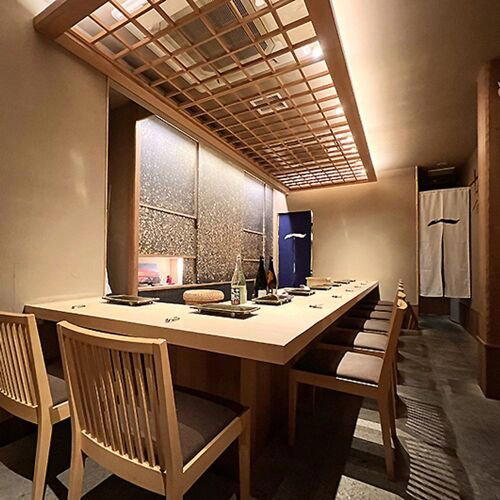
- Seats: 12 total, 8 counter, 4 table. Private use available for up to 20 guests (minimum 7 for private bookings, course from JPY 30,000)
- Reservations: Required. 100% cancellation fee applies from three days before the reserved date
- BYO: Permitted with advance inquiry. Corkage: JPY 4,000 (Champagne/white wine), JPY 4,500 (red wine), JPY 6,000 (1.8-litre sake)
- Payment: Credit cards accepted (Visa, Mastercard, JCB, Amex, Diners). No electronic money or QR payments
- Smoking: Non-smoking indoors; permitted outside
- Parking:; coin parking nearby
- Children: Junior high school age and above welcome; full adult course price applies. First-time guests are asked not to bring children
- Tabelog score: 4.22 | Tabelog Award Bronze 2026 | Michelin Plate 2025
What Regulars Order
The menu at Koshiba is a set course rather than an à la carte selection, so the question of what regulars order is less about individual dishes and more about how they engage with the course's structure. The amuse-bouche of pressed chub mackerel sushi and the kombu-enriched dashi are the kitchen's calling cards, documented across multiple award citations and reviewer records. The appetiser sequence, positioned as a sake-pairing anchor, draws particular attention from guests focused on nihonshu, the restaurant's drink program is described as especially attentive to sake selection. Among the course's later sections, the breadth of grilled items and the rice dishes are consistently cited as areas where the kitchen demonstrates range. The tableware, too, is noted with frequency in Tabelog reviews as an element guests actively appreciate rather than simply register. For those booking a first visit, the counter seats offer the clearest view of the kitchen's work across the full sequence, the table positions are better suited to groups or guests who prefer a more separated dining environment.
Frequently asked questions
How do I find Tsunokamizaka Koshiba?
Tsunokamizaka Koshiba is located at Japan, 〒160-0007 Tokyo, Shinjuku City, Arakicho, 15 2F, Tokyo.
Does Tsunokamizaka Koshiba have a Michelin star or similar recognition?
Tsunokamizaka Koshiba has received recognition including:
What do regulars order at Tsunokamizaka Koshiba?
Koshiba operates a set course rather than à la carte, so the menu structure itself is the consistent anchor. The kitchen's Kansai-school training is expressed through kombu-enriched dashi and a pressed chub mackerel sushi amuse-bouche that appears as a signature opening move. Grilled items and rice dishes form the broader middle and closing sections of the course, with drinking snacks built deliberately into the appetiser sequence. At ¥30,000–¥39,999 per person, the full course is the only format on offer.
Quick Comparison
Comparable venues nearby, for context on price, style, and recognition.
| Venue | Cuisine | Price | Awards | Notes |
|---|---|---|---|---|
| Tsunokamizaka KoshibaThis venue (the venue you are viewing) | Kansai-style Kaiseki Kappo | $150–200 | Michelin Plate · Tabelog Bronze #205 | Not listed |
| Sushisho Saito | Innovative Edomae Omakase | $500+ | Tabelog Silver #131 | Minato |
| Mitani | Edomae Omakase | $200–300 | La Liste Top Restaurants · Tabelog Gold #16 | Shinjuku |
| Kappo Ryu | Seasonal Kappo Omakase | $150–200 | Michelin Plate | Minato |
| Kiyota | Traditional Omakase Sushi | $300–500 | Tabelog Bronze #185 | Chūō |
| Shirokane Shin | Modern Japanese Omakase with A La Carte | $100–150 | Michelin Plate | Minato |
Recognition history
Dated appearances from independent guides and award organizations, with the underlying list record or original source where available.
Michelin Plate
Michelin
Tabelog Bronze #205
Tabelog
Full recognition history (6 entries)
Michelin Plate
Michelin
Tabelog 100 #65 · No. 65
Tabelog · Tabelog 100 - Japanese cuisine - TOKYO - 2025
Tabelog Bronze
Tabelog
Michelin Plate
Michelin
Continue exploring
More in Tokyo
Restaurants in Tokyo
All restaurants in Tokyo →

Bars in Tokyo
All bars in Tokyo →





Details
- Intimate
- Serene
- Elegant
- Cozy
- Date Night
- Special Occasion
- Solo
- Chefs Counter
- Open Kitchen
- Sake Program
- Omakase
- Counter Dining
- Sake Program
Current opening hours
- Monday
- 6–11 PM
- Tuesday
- 6–11 PM
- Wednesday
- 6–11 PM
- Thursday
- 6–11 PM
- Friday
- 6–11 PM
- Saturday
- 6–11 PM
- Sunday
- Closed
Hours can change for holidays and private events. Hours as of .
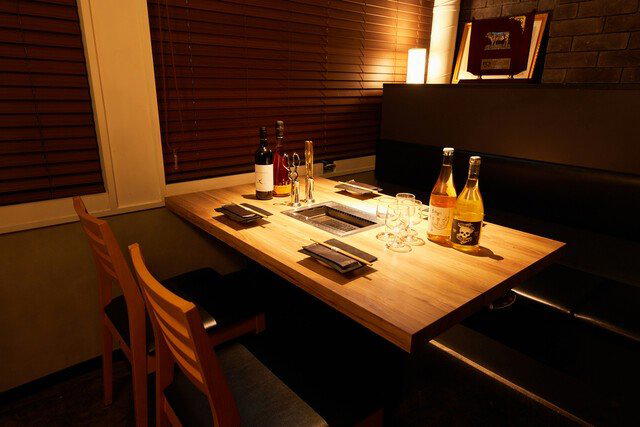
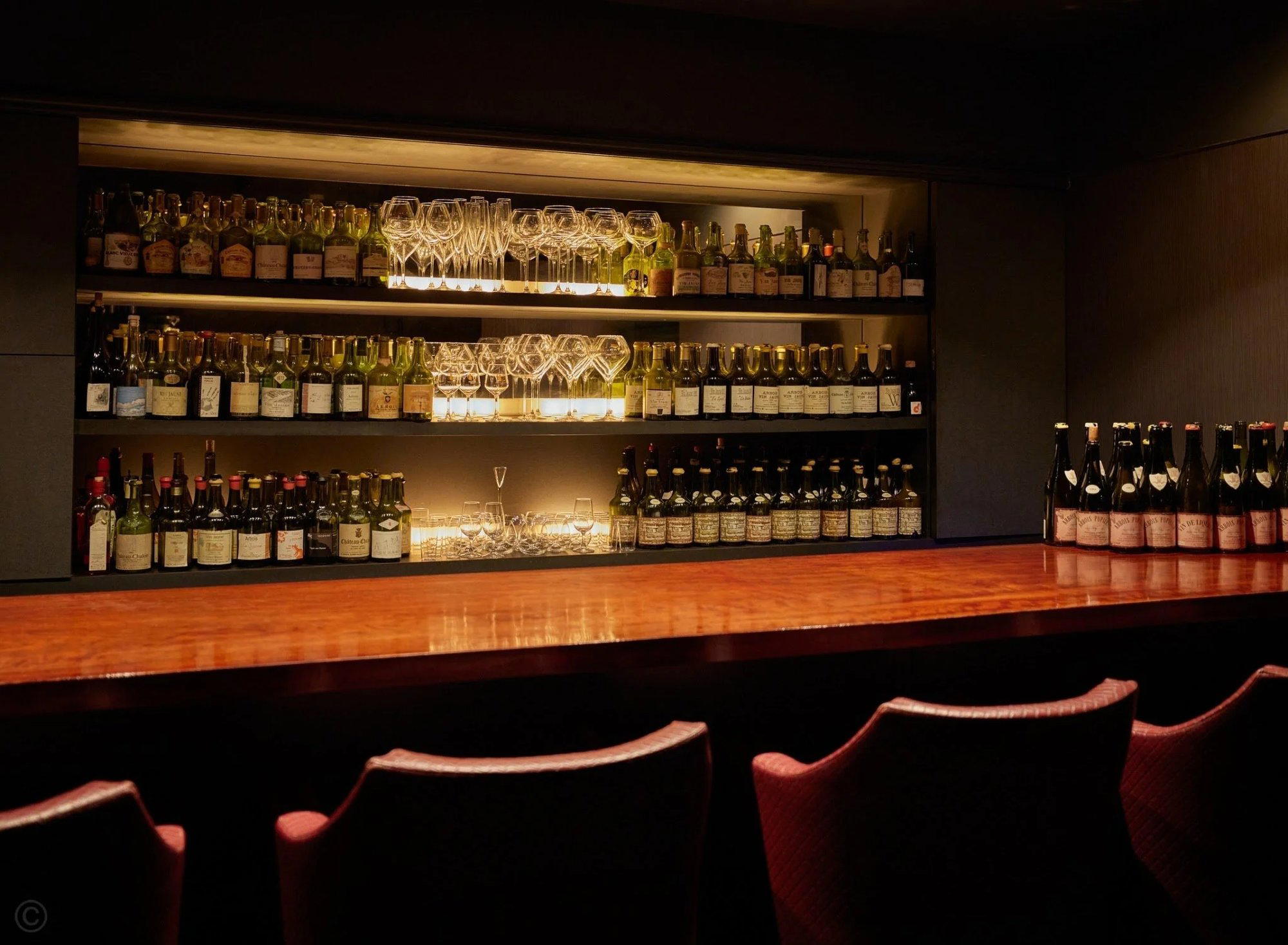
Warm and serene interior with Yoshino cypress counter and tables, light-grained wood paneling, and a gentle, relaxing atmosphere.