Our verdict
Sora-no-Kanata sits in Matsumoto's central district, a city where alpine proximity and a serious local food culture intersect in ways that few regional Japanese cities can match. The restaurant draws on Nagano's deep larder — mountain vegetables, river fish, buckwheat traditions — and positions itself within a dining scene that has quietly grown more ambitious over the past decade. Book ahead; Matsumoto's best tables move faster than visitors expect.

Pearl is the En Primeur Club membership app — saves, bookings, and concierge access live there. Same editors, same standards.
- Address
- 1 Chome-14-10 Central, Matsumoto, Nagano 390-0811, Japan
- Phone
- +81263395255
- Hours
- Daily 12–3 PM, 6–11 PM
- Website
- soranokanata.com
- Directions
- Get directions

Where the Mountains Shape What's on the Plate
Matsumoto sits at roughly 600 metres above sea level in the Matsumoto Basin, ringed by the Northern Alps to the west and the Chikuma highlands to the east. That geography is not incidental to what the city eats. The altitude and cold-climate agriculture that define Nagano Prefecture produce some of Japan's most characterful ingredients: wasabi cultivated in the cold spring water of Azumino, soba buckwheat ground from locally grown varieties, freshwater fish from the mountain rivers, and a seasonal vegetable calendar that tracks the alpine seasons more closely than the Pacific coast. Dining in Matsumoto is, in the most direct sense, a reckoning with that landscape.
The name itself — roughly translatable as "beyond the sky" or "far beyond" — carries the kind of quiet poetic register that Japanese restaurants often use to signal an aspirational sensibility without overclaiming it. The address in the central district places it within easy reach of Matsumoto Castle and the network of streets that form the city's commercial and cultural core, where visitors and serious local diners converge.
Matsumoto's Dining Scene and Where This Table Fits
Matsumoto is not Kyoto or Tokyo, and that distinction matters when reading its restaurant scene. The city's population supports a food culture that is serious but not saturated with fine-dining venues. That relative restraint means restaurants here tend to earn their reputation through consistency and ingredient sourcing rather than through the prestige machinery of the major cities. Venues like Hikariya-Nishi have demonstrated that the kaiseki tradition can be executed at a high level in Matsumoto, while places like Tobira Onsen Myojinkan show how the onsen ryokan format extends that culinary seriousness into multi-day hospitality.
Sora-no-Kanata operates in this environment, where the competitive bar is set by regional sourcing depth and kitchen discipline rather than by cover counts or celebrity endorsements. For visitors calibrating their expectations against Japan's major fine-dining cities, the reference points are instructive: the considered, ingredient-led approach visible at venues like Gion Sasaki in Kyoto or the technical rigour of HAJIME in Osaka represents a broader national direction that regional kitchens in cities like Matsumoto are increasingly engaging with, on their own terms and at their own scale.
The Cultural Logic of the Nagano Table
To understand a restaurant in Matsumoto, it helps to understand what Nagano Prefecture has historically contributed to Japanese food culture. Shinshu soba, buckwheat noodles made from Nagano-grown grain, stone-milled and served cold with a sharp tsuyu dipping broth, is the region's most exported food identity, but it sits alongside a broader cold-climate tradition that includes miso fermented longer and with more complexity than coastal equivalents, mountain vegetables picked across a compressed spring and autumn window, and a relationship with game and freshwater protein that differs markedly from the seafood-centred cuisines of the Pacific coast cities.
This is the culinary inheritance that any serious Matsumoto restaurant is working with and against. The question a kitchen here must answer is how much to lean into the regional canon and how much to extend it. Restaurants across Japan's regional cities face this same tension: Goh in Fukuoka has navigated it through a creative kaiseki that honours Kyushu produce; akordu in Nara does so by pairing Spanish technique with Yamato ingredients. In Matsumoto, the leading kitchens tend to resolve that tension by treating the Nagano larder as sufficient, not a limitation to overcome but a depth to mine.
Arriving and Orienting
Matsumoto is accessible by the JR Oito Line and Shinonoi Line from Nagano, or by limited express from Shinjuku via the Azusa service, which takes approximately two and a half hours. The central district address of Sora-no-Kanata puts it within walking distance of Matsumoto Station's east exit, making it reachable without the taxi dependency that more peripheral dining venues in smaller Japanese cities often require. For visitors building a multi-day itinerary that includes the castle, the Matsumoto City Museum of Art, and the craft and antique shops along Nawate Street, the central position is practical. Dinner reservations in Matsumoto's better restaurants should be secured before arriving in the city; the most-regarded tables operate on advance booking windows of weeks rather than days, particularly during the autumn foliage season when visitor numbers in Nagano prefecture peak.
Those planning a wider Japan itinerary combining regional and major-city dining might also consider how Matsumoto connects to venues like Harutaka in Tokyo or international reference points such as Le Bernardin in New York City and Atomix in New York City when thinking about the range of what serious contemporary dining looks like across different contexts.
Japan's regional fine-dining circuit beyond the major cities extends to venues like this Nanao table, a Sapporo address worth tracking, one in Takashima, another in Nishikawa Machi, and Birdland in Sakai, all of which reflect how seriously Japan's secondary and tertiary cities have developed their own dining identities outside the Michelin-mapped centres.
Practical Notes
Sora-no-Kanata is open daily from 12 to 3 PM and 6 to 11 PM. Reservations are recommended.
Frequently asked questions
Does Sora-no-Kanata work for a family meal?
Matsumoto's dining scene runs toward focused, single-sitting restaurants rather than broad casual formats, and Sora-no-Kanata sits within that pattern at its Central address in Nagano Prefecture.
Is Sora-no-Kanata formal or casual?
Matsumoto restaurants at this address tier generally strike a register somewhere between relaxed and considered — the city is not Tokyo, and the Northern Alps context tends to pull dining culture toward warmth over formality.
Is Sora-no-Kanata a good option for visitors arriving by train from Tokyo?
Matsumoto is roughly 2.5 hours from Shinjuku on the Azusa limited express, making Sora-no-Kanata a practical dinner destination for day-trippers or overnight visitors. The restaurant's address in Matsumoto Central places it within the walkable core near Matsumoto Castle, which is the natural orientation point for most arriving visitors. Confirm hours and booking policy directly, as neither is publicly documented at this time.
What's the signature dish at Sora-no-Kanata?
What is documented is the venue's location in Matsumoto, Nagano — a prefecture with a strong identity around Shinshu soba, locally reared Shinshu salmon, and mountain vegetables that define what kitchens in this basin typically build around. Contact the restaurant to ask what's current and in season.
Cost and Credentials
Comparable venues nearby, for context on price, style, and recognition.
| Venue | Cuisine | Price | Awards | Notes |
|---|---|---|---|---|
| Sora-no-KanataThis venue — the venue you are viewing | Japanese Cuisine | Not listed | Not listed | Not listed |
| Kiku Zou | Seasonal Japanese & regional cuisine with horse sashimi and hot‑pot courses | $50–100 | Tabelog 100 #90 | near Matsumoto Castle / Higashikouji, Seasonal Japanese & regional cuisine with horse sashimi and hot‑pot courses |
| Sanjiro | Traditional Soba Set Menu | $20–30 | Tabelog 100 #44 | Ote, Traditional Soba Set Menu |
| Soba Club Sasaki | Traditional Shinshu soba | $30–50 | Tabelog 100 #29 | Ote, Traditional Shinshu soba |
| Masamura | Traditional Japanese cake & confectionery shop | $1–10 | Tabelog 100 #26 | Fukashi, Traditional Japanese cake & confectionery shop |
| エスパース・ソシアル・ル・サロン | French Bistro with Wine Pairing | $50–100 | Not listed | Matsumoto City Center, French Bistro with Wine Pairing |
Continue exploring
More in Matsumoto
Restaurants in Matsumoto
Browse all →
Bars in Matsumoto
Browse all →
Hotels in Matsumoto
Browse all →

Details
- Intimate
- Elegant
- Relaxed
- Special Occasion
- Sake Program
- A La Carte
- Sake
Current opening hours
- Monday
- 12–3 PM, 6–11 PM
- Tuesday
- 12–3 PM, 6–11 PM
- Wednesday
- 12–3 PM, 6–11 PM
- Thursday
- 12–3 PM, 6–11 PM
- Friday
- 12–3 PM, 6–11 PM
- Saturday
- 12–3 PM, 6–11 PM
- Sunday
- 12–3 PM, 6–11 PM
Hours can change for holidays and private events. Last verified .
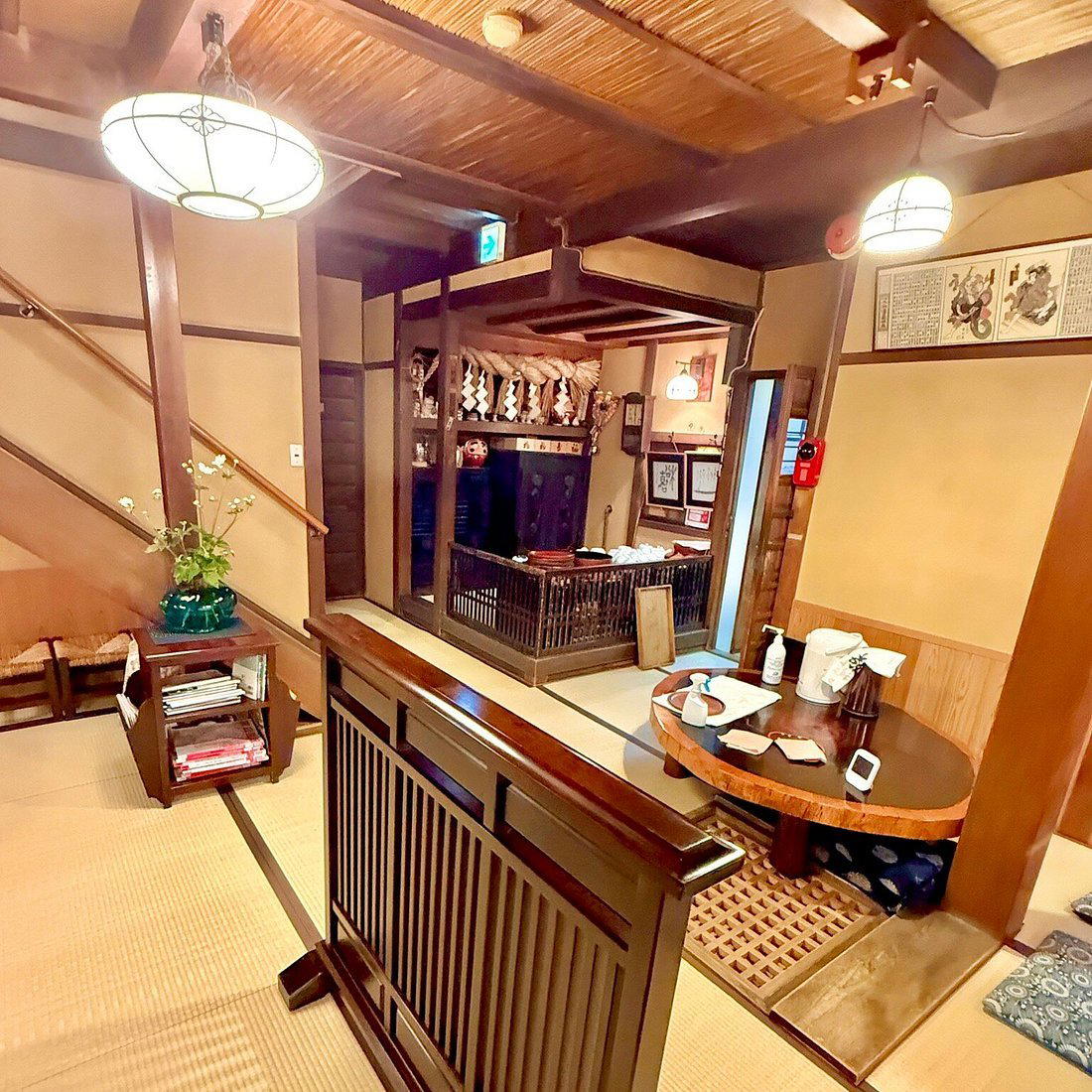
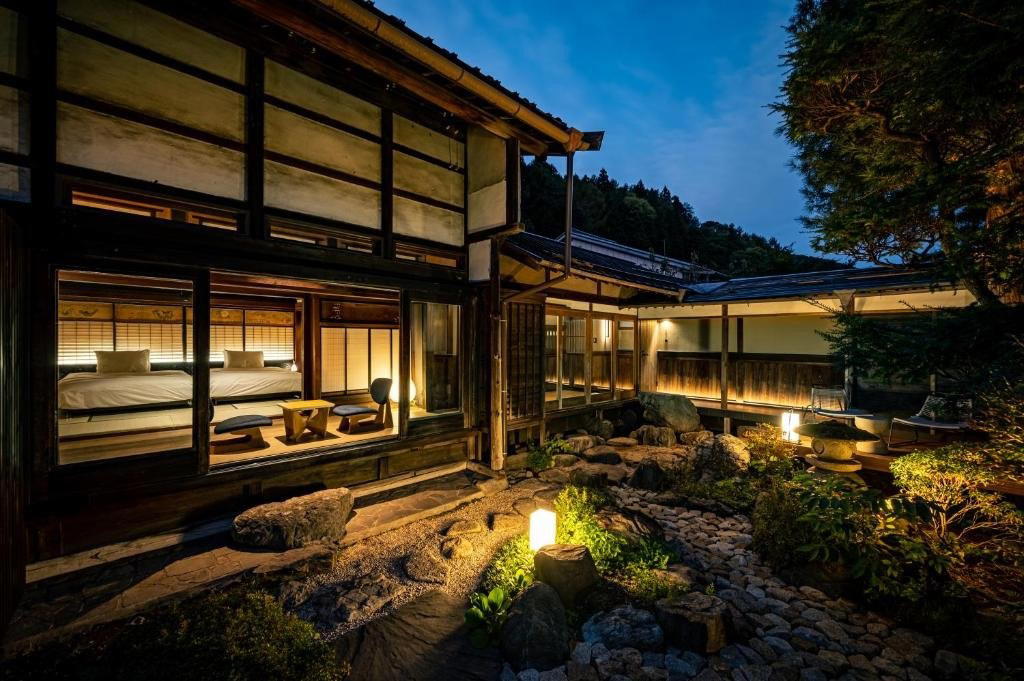
Relaxing atmosphere with counter seating and sunken platform seating.