
Furin Kazan sits in Matsumoto’s izakaya tradition rather than the city’s kaiseki or café lane, with sake and shochu carrying as much weight as the cooking. Its selection for Tabelog 100 Izakaya EAST 2025 places it in a serious regional drinking-and-dining tier, while the room’s counter and tatami formats keep the ritual grounded in everyday Japanese hospitality.
Pearl is the En Primeur Club membership app — saves, bookings, and concierge access live there. Same editors, same standards.
- Address
- 1 Chome-3-1 Central, Matsumoto, Nagano 390-0811, Japan
- Phone
- +81 263-35-7872
- Website
- furinkazan-shinshu.jp
 Saves & bookings on Pearl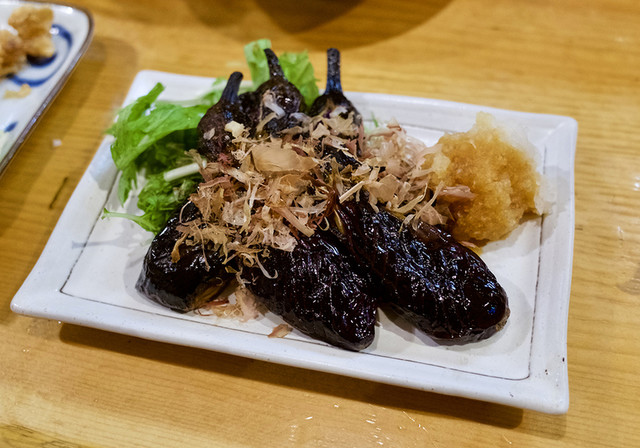
Near Matsumoto Station, the izakaya rhythm starts before the first order: coats come off, groups settle into tatami space, counter seats tighten the focus, and the room begins to move in rounds rather than courses. This is not the formal hush of kaiseki or the quick efficiency of a noodle shop. It is the Japanese tavern as social architecture, where drinks set the tempo and the table fills gradually.
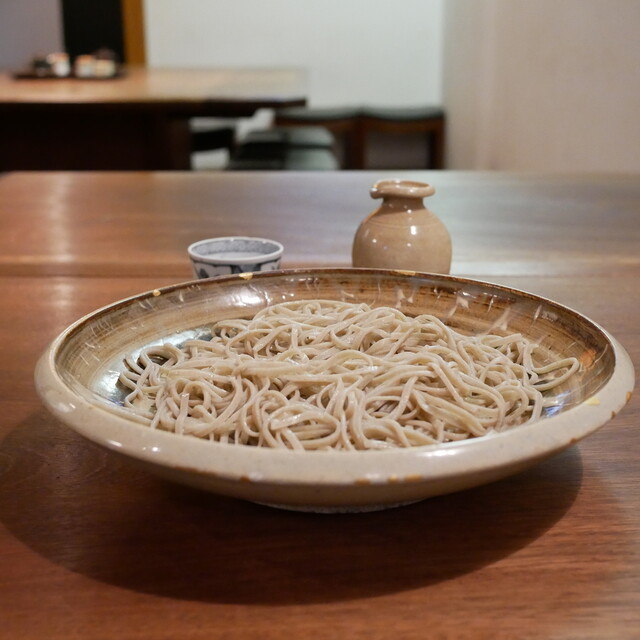
Furin Kazan belongs to that tradition with unusual credibility for a regional city. Its selection for Tabelog 100 Izakaya EAST 2025 matters because izakaya awards are not measuring luxury in the hotel-dining sense; they reward places that hold together food, drink, pacing, and local demand. In Matsumoto, a castle town that often sends visitors toward soba, mountain vegetables, and preserved Shinshu flavours, a serious izakaya adds a different reading of the city: less ceremonial, more communal, and built for an evening that can stretch.
A Matsumoto izakaya meal works in rounds, not courses
The dining ritual here is closer to conversation than choreography. Izakaya eating usually begins with drinks, then moves through shared plates, grilled or fried items, rice or noodles if the table wants a final anchor, and a last pour before departure. The point is not a linear tasting menu. The point is controlled looseness: a table orders according to appetite, drinking pace, and the mix of people present.
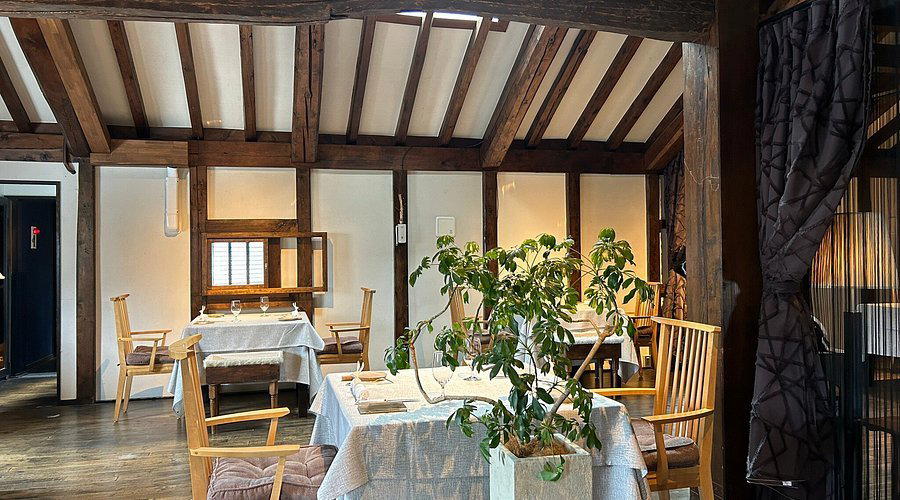
That distinction separates the format from Matsumoto’s more structured dining rooms. Hikariya-Nishi (Japanese Kaiseki) belongs to the composed, seasonal end of the city’s Japanese dining spectrum, while Hikariya Higashi shows how historic settings can shape a meal into something more deliberate. Furin Kazan sits elsewhere: a drink-led table, a shorter distance between kitchen and guest, and a format that rewards ordering with the room rather than against it.
The beverage emphasis is part of the signal. Sake and shochu are not incidental categories in a serious izakaya; they are the grammar of the meal. Nihonshu can pull a table toward grilled, simmered, or salted foods, while shochu shifts the evening into a drier, longer-drinking register. The better izakaya ritual is not about excess. It is about matching pace to food and letting the table decide when the meal has become the night.
The city's dining range makes the tavern format sharper
Matsumoto is compact enough that dining choices feel unusually legible. A visitor can map the city through formats: coffee culture at Coffee Marumo, Alpine-inflected cooking at Alpenrose, contemporary French-leaning produce work at French Natural Restaurant SAI, and formal Japanese dining around the Hikariya addresses. The izakaya fills the gap between those poles. It is where the city’s after-work appetite, traveller convenience, and regional drinking culture meet without turning dinner into a ceremony.
The comparison is useful because Matsumoto can otherwise be read too narrowly as a soba-and-castle stop. In the local competitive set, Usagiya sits in a lower dinner-price band, while Nomugi and Masamura point toward simpler, less expensive meal formats. Those places serve different needs. Furin Kazan is pitched at a fuller evening: drinks matter, the table matters, and the bill signals a more committed dinner than a quick bowl or casual stop.
For travellers building a Matsumoto itinerary, this is the restaurant to pair with slower city time rather than a transit window. The broader Matsumoto restaurants guide is the right place to compare dining categories, while the city’s stay, drink, wine, and cultural planning can be cross-checked through the Matsumoto hotels guide, Matsumoto bars guide, Matsumoto wineries guide, and Matsumoto experiences guide. The practical move is to treat the izakaya as the anchor of the evening, not as a prelude to something larger.
How to read the award signal without mistaking it for formality
Tabelog 100 recognition gives the room a clear trust marker, but it should not be confused with fine-dining theatre. Izakaya excellence is less about white-tablecloth polish than about consistency under social pressure: mixed groups, staggered ordering, drinks changing hands, and a kitchen that must keep momentum without forcing the table into a fixed script. The format is casual in posture and exacting in execution.
That is why the counter and tatami combination matters. Counter seats give smaller parties direct proximity to the work of the room, while tatami seating supports the group dynamic that defines izakaya culture. The experience changes by party size. Two diners can keep the meal focused; a group will naturally order more broadly and let the table become the frame.
There is also a useful distinction for travellers comparing Japanese dining across cities. Tokyo and Osaka often turn izakaya into a specialization race: yakitori counters, seafood taverns, sake bars, and neo-izakaya formats split into narrower categories. Regional cities tend to preserve a broader tavern function, where dinner, drinking, and local hospitality remain under one roof. For a national comparison outside Matsumoto, EP Club’s Japan restaurant pages range from -Grilled beef Sukiyaki- KAMAKURA TANUKIAN 鎌倉 たぬき庵 in Kamakura and. 鮪と炭火焼き うお炭 秋葉原店 in Tokyo to.cafe in Osaka,.know in Kumamoto, (Shoku) Vietnam in Kawasaki, and [Curry Senmon Ten] Maruyama Kyoju. in Sapporo. The Matsumoto lesson is different: the strength lies in an old social format holding its ground.
International readers may also place the sake-led aspect against broader Japanese drinking culture abroad, from Jōdo Saké Bar in Los Angeles to Onigiri Time in Pasadena. Those comparisons underline a simple point. Outside Japan, sake often becomes the headline. In a Matsumoto izakaya, it is part of the machinery of dinner: poured, matched informally, and absorbed into the table’s rhythm.
The editorial case for Furin Kazan is therefore not built on spectacle. It is built on category fit. A recognised izakaya in a station-adjacent Matsumoto setting, with sake and shochu central to the meal and a room arranged for both counter eating and group seating, gives visitors access to a dining ritual that formal restaurants cannot reproduce. For a city often approached through scenery and day trips, that evening cadence is the point.
Cuisine and Recognition
Side-by-side context: comparable cuisine and price.
| Venue | Cuisine | Price | Awards | Notes |
|---|---|---|---|---|
| Furin KazanThis venue — the venue you are viewing | Shinshu izakaya with local sake | $$ | , | |
| Soba Club Sasaki | Traditional Shinshu soba | $$ | , | Ote |
| Sanjiro | Traditional Soba Set Menu | $$ | , | Ote |
| Sushi Inukai | Edomae Omakase Sushi | $$$ | , | / Shimauchi |
| Usagiya | Seasonal Shinshu Izakaya | $$ | , | Chuo |
| 信州ダイニング tobira | 信州日本料理 | $$$ | , | Iruyama-be |
Continue exploring
More in Matsumoto
Restaurants in Matsumoto
Browse all →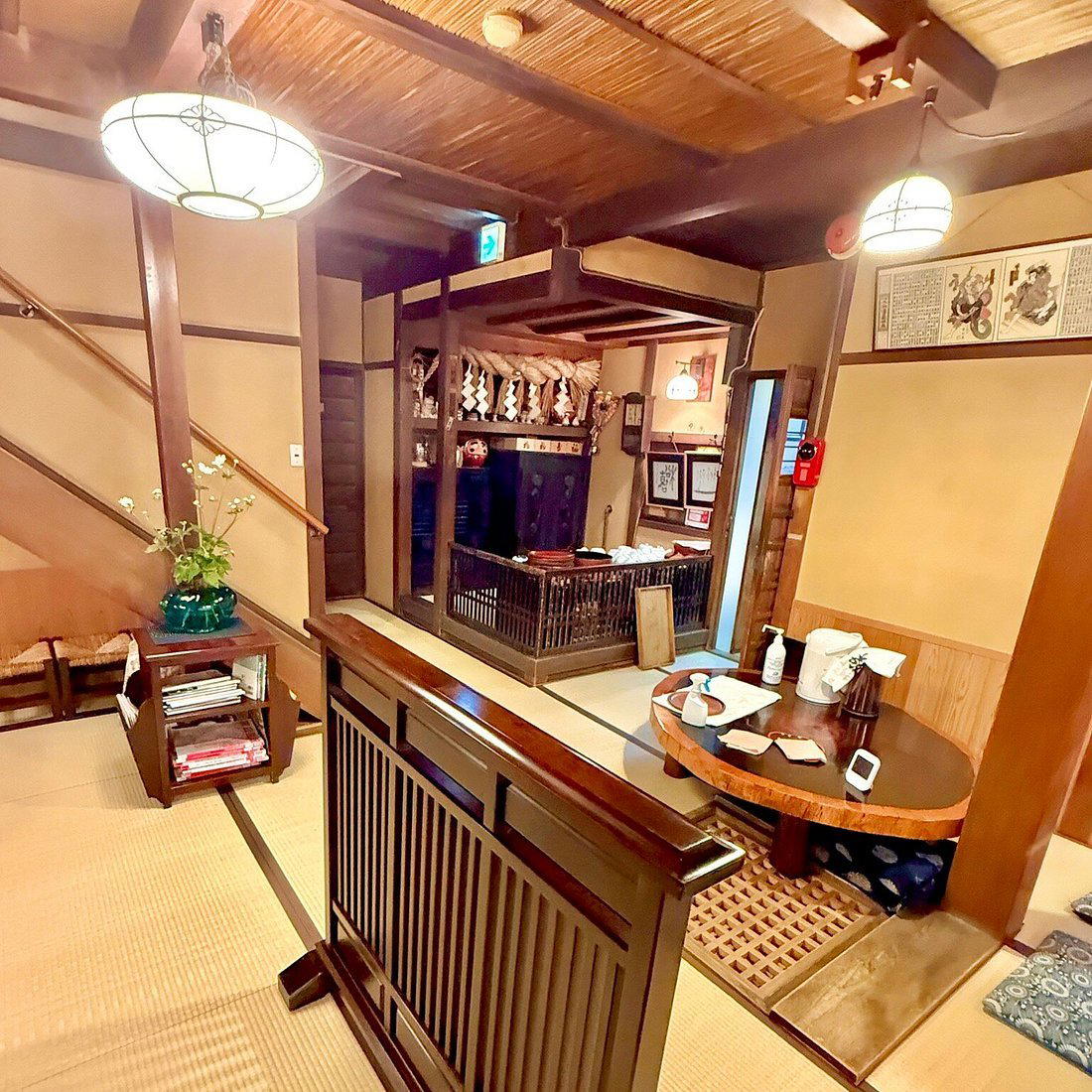
Hotels in Matsumoto
Browse all →
At a Glance
- Lively
- Cozy
- Classic
- Energetic
- Hidden Gem
- After Work
- Casual Hangout
- Group Dining
- Solo
- Late Night
- Celebration
- Standalone
- Historic Building
- Sake Program
- Beer Program
- Local Sourcing
- Farm To Table
- Street Scene
Bustling classic izakaya with red lantern tavern vibes near Matsumoto Station, counter and tatami seating, warm lighting, and a casual, friendly atmosphere popular with both locals and visitors.