
Kiku Zou is a long-running Matsumoto Japanese restaurant in Ote, close to the city’s castle-side dining circuit, with a fish-led kitchen, sake and shochu focus, private rooms and counter seating. Its selection for Tabelog Japanese cuisine EAST “Tabelog 100” in 2021, 2023 and 2025 places it among the region’s more closely watched traditional Japanese addresses.
Pearl is the En Primeur Club membership app — saves, bookings, and concierge access live there. Same editors, same standards.
- Address
- 4 Chome-7-10 Ote, Matsumoto, Nagano 390-0874, Japan
- Phone
- +81 263-36-3728
- Website
- tabelog.com
 Saves & bookings on Pearl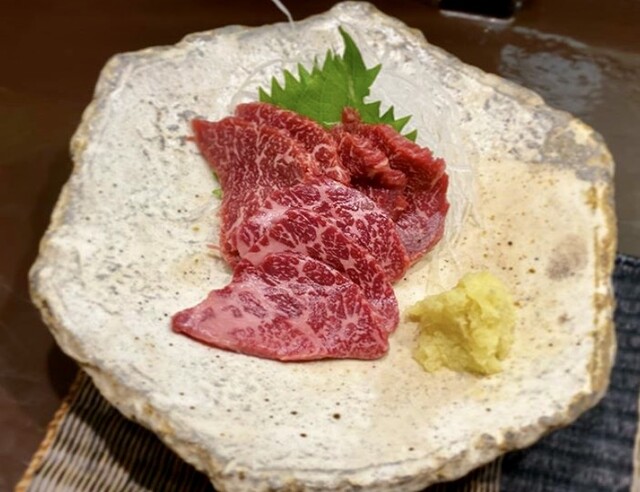
Castle towns tend to eat differently from rail-hub cities. In Matsumoto, the evening mood gathers around low streets, post-town memory and rooms built for conversation rather than spectacle. Kiku Zou belongs to that register: not a temple of ceremony, not a casual chain izakaya, but the middle ground where Japanese cuisine, fish, fugu and drinking culture meet in a format that makes sense after dark.
The city’s dining identity is often read through soba, mountain produce and Shinshu sake, yet its stronger restaurants also show how inland Japan handles fish. That is where this room earns attention. A fish-conscious Japanese kitchen in Nagano is never simply about proximity to the sea; it is about sourcing discipline, preservation instincts and the old relationship between sake and small plates. Tabelog’s Japanese cuisine EAST “Tabelog 100” selections in 2021, 2023 and 2025 give Kiku Zou a useful credential, particularly in a prefecture where serious dining is more dispersed than in Tokyo or Kyoto.
Fish-led Japanese cooking in a castle-town drinking room
The category matters. Japanese cuisine, izakaya and fugu sit together here, which signals a restaurant built around range rather than a single tasting-menu thesis. In Matsumoto, that range has practical appeal: a visitor can read the meal through regional drinking culture, while local diners can use the room for dates, family meals or small-group dinners without submitting to the rigidity of formal kaiseki.
That distinction separates it from the city’s more ceremonial end. Hikariya Higashi, in the comparison set, occupies a higher-price Japanese dining bracket, while Hikariya-Nishi is associated with kaiseki. Kiku Zou sits lower on the formality scale, but not in the inexpensive everyday tier represented by places such as Soba Club Sasaki. The result is a useful Matsumoto lane: serious enough to plan around, relaxed enough to keep the meal anchored in conversation.
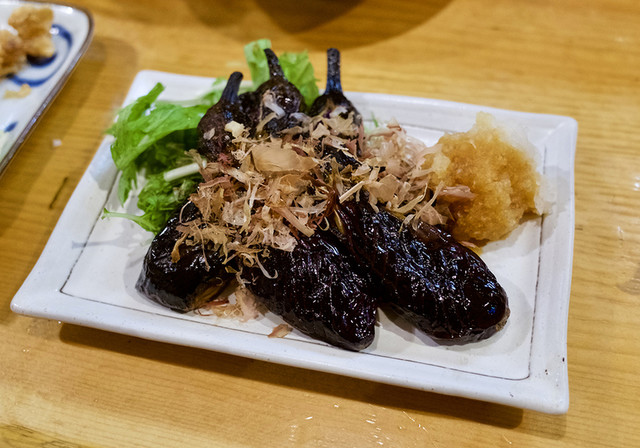
The drinks orientation reinforces that reading. Sake and shochu are not decorative add-ons in this style of Japanese dining; they shape the rhythm of ordering and the appetite for fish, simmered dishes, fried items and seasonal plates. Wine appears in the drinks mix too, but the cultural center of gravity remains nihonshu and shochu. For travelers building a broader Matsumoto itinerary, that makes the restaurant a night-time counterpoint to daytime stops such as Coffee Marumo or a more Western-leaning meal at French Natural Restaurant SAI.
Why the room format matters in Matsumoto
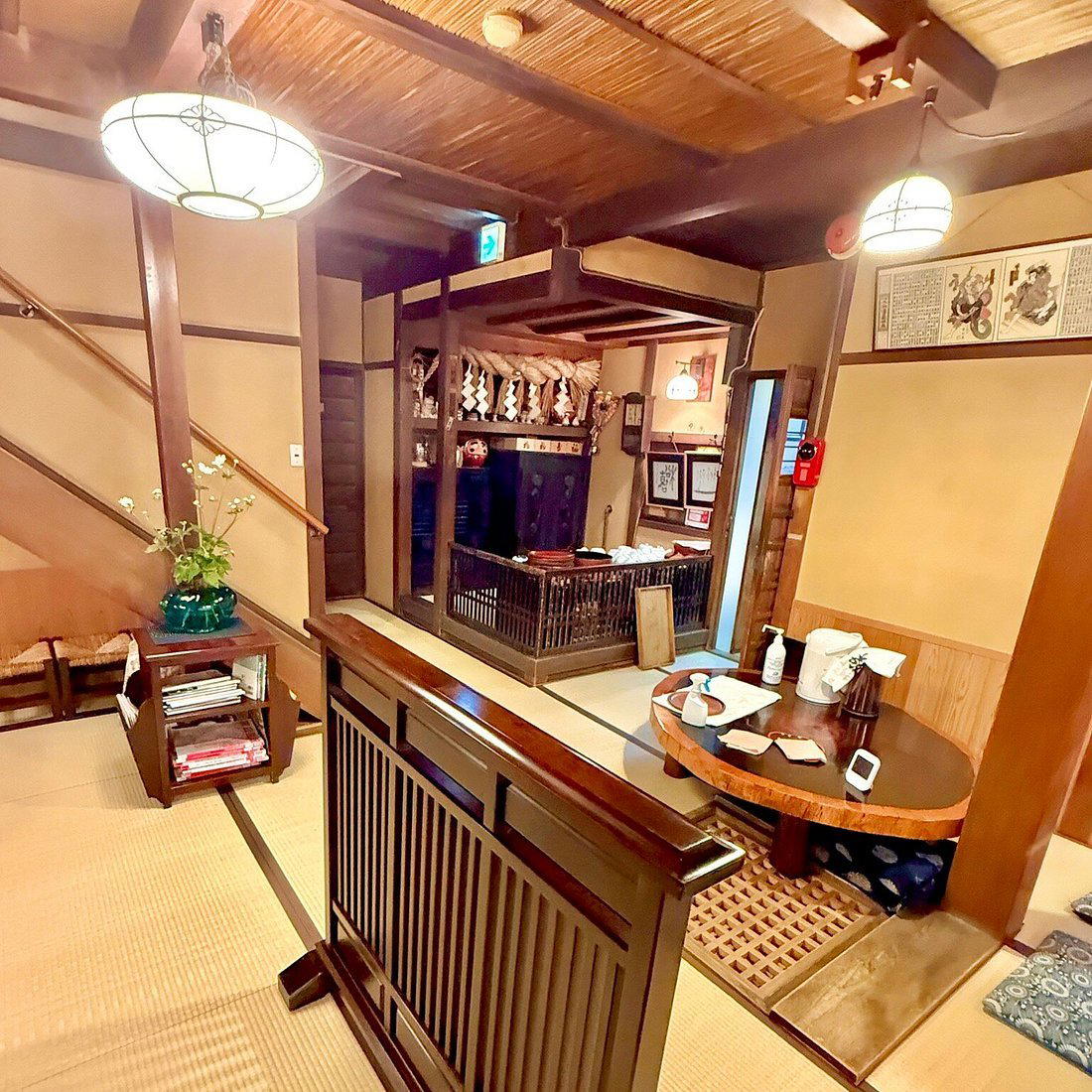
Capacity and layout say a lot in Japanese regional cities. A 38-seat restaurant with counter seating, tatami space and private rooms can serve several versions of the same evening: solo or paired dining at the counter, a contained family meal, or a small group dinner behind a door. That flexibility is not incidental. Matsumoto’s visitor economy brings castle-goers, mountain travelers and ryokan-bound diners into the same narrow dinner window, while locals need rooms that work for repeat social use.
The private-room structure also changes the category comparison. This is not the café atmosphere of Alpenrose or Coffee Marumo, and it is not the more casual pub energy implied by Furin Kazan. It belongs to the Japanese dinner house tradition, where the meal can carry a degree of occasion without demanding theatrical service. The presence of multilingual and digital menus broadens access for visitors, but the underlying rhythm remains local: fish, sake, conversation, and a room that can handle both counter dining and private groups.
Longevity adds another layer. An opening date in 1970 places the restaurant within a postwar generation of regional Japanese dining rooms that predate the current tourism cycle. That matters in Matsumoto, where much of the visitor-facing food conversation can narrow too quickly to castle proximity and soba. A restaurant with more than half a century behind it, and recent Tabelog 100 recognition, shows a different pattern: continuity rather than trend chasing.
How to place it within a Matsumoto food day
The restaurant makes the strongest sense as the main Japanese dinner in a city itinerary rather than a quick refuel. The format suits travelers who want the drinking-room side of Japanese cuisine without giving up private-room comfort or a recognized kitchen. It also suits diners comparing Matsumoto’s restaurant scene against larger Japanese cities: the appeal here is not metropolitan flash, but the way a regional room can integrate fish, fugu, sake and family-friendly hospitality under one roof.
For a full local map, start with Our full Matsumoto restaurants guide, then pair dinner planning with Our full Matsumoto hotels guide, Our full Matsumoto bars guide, Our full Matsumoto wineries guide and Our full Matsumoto experiences guide. Readers extending the same Japan food thread beyond Nagano can compare other formats through -Grilled beef Sukiyaki- KAMAKURA TANUKIAN 鎌倉 たぬき庵 in Kamakura. 鮪と炭火焼き うお炭 秋葉原店 in Tokyo.cafe in Osaka.know in Kumamoto, (Shoku) Vietnam in Kawasaki, [Curry Senmon Ten] Maruyama Kyoju. in Sapporo, Jōdo Saké Bar in Los Angeles and Onigiri Time in Pasadena.
The editorial case is direct: in a city where dining can be split between heritage cafés, soba specialists, hotel-adjacent restaurants and formal Japanese rooms, the restaurant occupies a valuable middle tier. The award history supplies external validation; the format supplies flexibility; the fish-and-drink focus supplies cultural clarity. For Matsumoto, that combination is more useful than another polished tasting-menu performance.
- local horse sashimi
- matsutake tempura
- kinoko (mushroom) hot pot
- seasonal fugu course
- kue-nabe hot pot
- boshi wild game / botan nabe (boar hot pot)
Cost Snapshot
Nearby venues at a similar price tier for orientation.
| Venue | Cuisine | Price | Notes |
|---|---|---|---|
| Kiku Zou | Not listed | $$$ | near Matsumoto Castle / Higashikouji, Seasonal Japanese & regional cuisine with horse sashimi and hot‑pot courses |
| Hikariya Higashi | Not listed | $$$ | Ote, Seasonal Shinshu Japanese Kaiseki in Historic Storehouse |
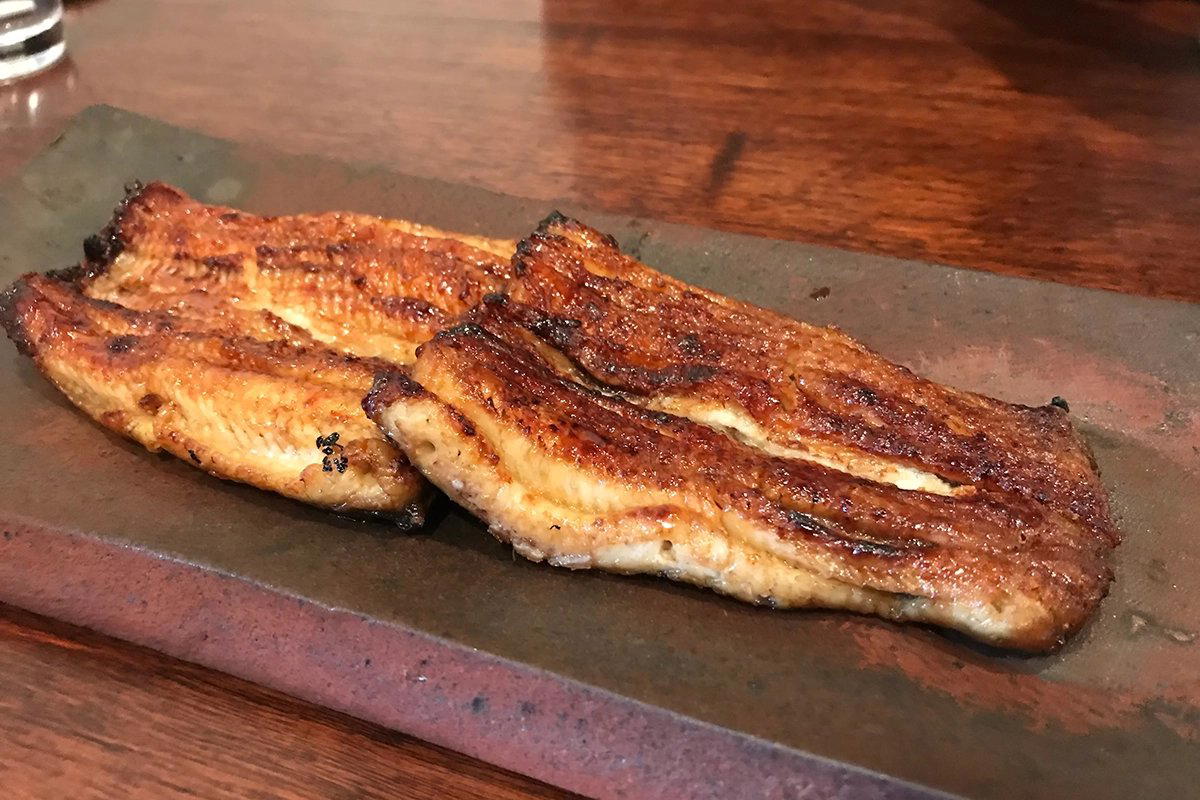
| Matsuka | Chuo, Traditional Japanese Unagi | $$$ | Not listed |
| Usagiya | Chuo, Seasonal Shinshu Izakaya | $$ | Not listed |
| Sake to yuki | Ōte, Nagano Izakaya with Local Sake | $$ | Not listed |
| Nomugi | Not listed | $ | Nakamachi / Chuo, Traditional Soba Noodle Shop |
Recognition history
Dated appearances from independent guides and award organizations, with the underlying list record or original source where available.
Tabelog 100 #90 · No. 90
Tabelog · Tabelog 100 - Japanese cuisine - EAST - 2025
Continue exploring
More in Matsumoto
Restaurants in Matsumoto
Browse all →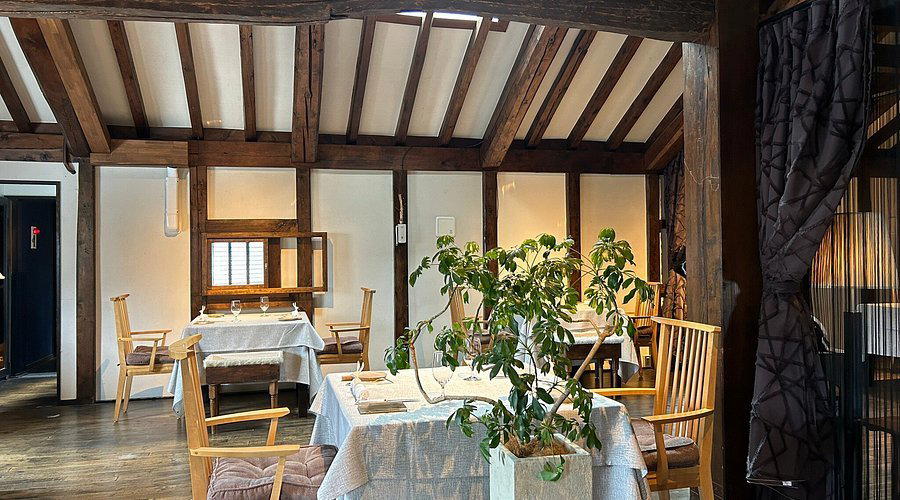
Hotels in Matsumoto
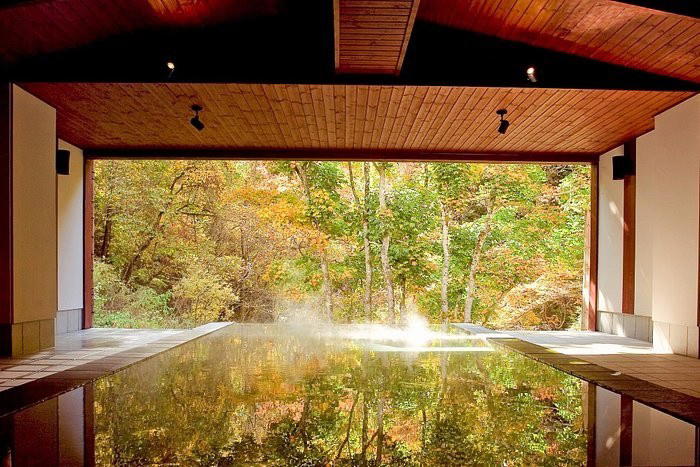
Browse all →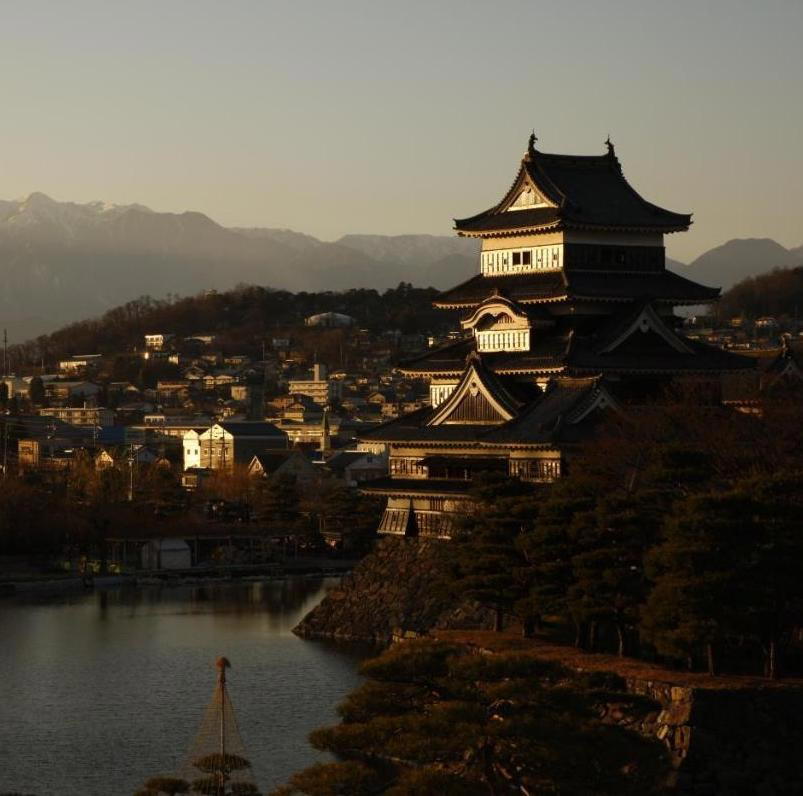
Wineries in Matsumoto
Browse all →
At a Glance
- Cozy
- Classic
- Elegant
- Business Dinner
- Date Night
- Group Dining
- Special Occasion
- Family
- Private Dining
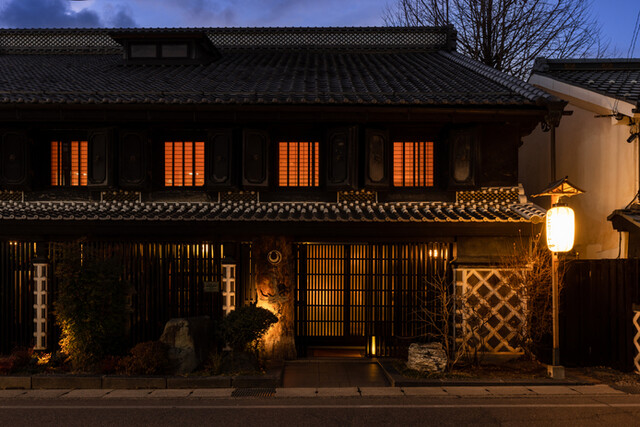
- Historic Building
- Standalone
- Sake Program
- Local Sourcing
Current opening hours
- Monday
- 5:30–10 PM
- Tuesday
- 5:30–10 PM
- Wednesday
- 5:30–10 PM
- Thursday
- 5:30–10 PM
- Friday
- 5:30–10 PM
- Saturday
- 5:30–10 PM
- Sunday
- Closed
Hours can change for holidays and private events. Last verified .
A calm, traditional Japanese setting near Matsumoto Castle, with a warm, relaxed atmosphere suited to quiet dinners and small groups rather than a loud izakaya feel.