Our verdict
Sake to yuki occupies a quietly positioned address in Matsumoto's Ote district, where the cooking draws on the mountain produce and traditional fermentation culture that define this part of Nagano Prefecture. The venue sits within a city better known for its castle and sake heritage than its restaurant scene, making it a reference point for visitors seeking ingredient-driven dining away from Japan's major urban centres.

Pearl is the En Primeur Club membership app — saves, bookings, and concierge access live there. Same editors, same standards.
- Address
- Japan, 〒390-0874 Nagano, Matsumoto, Ote, 4 Chome−6−18 華の裏町夢屋台はしご横丁
- Phone
- +81263313699
- Hours
- Mon ClosedTue–Fri 5–11 PMSat–Sun 4–10 PM
- Website
- saketoyuki.therestaurant.jp
- Directions
- Get directions
- Booking
- Book on the venue's website
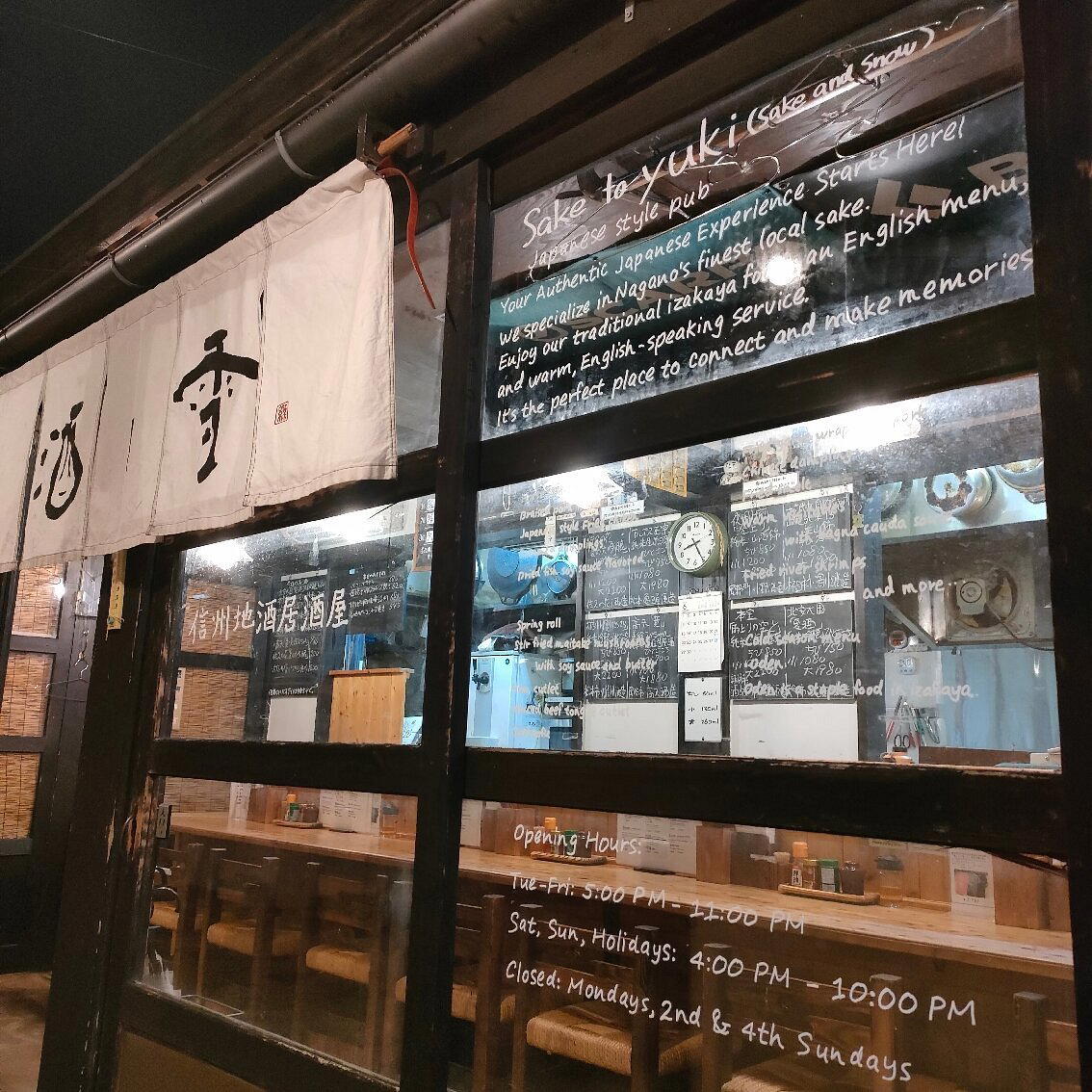
Mountain Provenance and the Matsumoto Table
Nagano Prefecture has one of the most compelling agricultural identities in Japan. Altitude, cold winters, and mineral-rich river systems fed by the Northern Alps produce ingredients that chefs elsewhere import at considerable cost: wasabi grown in glacial streams, high-elevation vegetables with concentrated flavour, wild mountain vegetables (sansai) harvested across short spring and autumn windows, and freshwater fish from rivers that drain the Hida and Kiso ranges. Matsumoto sits at the centre of this supply geography, and the restaurants that have built serious reputations here tend to do so by working that local sourcing with precision rather than by importing prestige ingredients from elsewhere. Sake to yuki, positioned in the Ote district near the castle quarter, operates within that tradition.
The name itself signals orientation. Sake — the rice wine that has been central to Nagano's agricultural economy for centuries — connects the venue to a fermentation culture that runs through this region's food identity. Yuki, meaning snow, places it squarely in the seasonal logic of mountain Japan, where the annual snowfall governs what is grown, what is preserved, and how kitchens structure their menus across the year. That nomenclature is not incidental; it frames an approach where the sourcing context is part of the dining proposition.
Where Sake to yuki Sits in Matsumoto's Dining Picture
Matsumoto's restaurant scene operates at a different register than Kyoto, Tokyo, or Osaka. The city supports a smaller number of destination-level tables, but those that exist tend to be deeply embedded in local food culture rather than performing for an international visitor market. Hikariya-Nishi, which works within a kaiseki framework and draws on similar regional produce, represents the more formally structured end of Matsumoto's dining. Tobira Onsen Myojinkan extends the local ingredient logic into a ryokan-adjacent format further into the mountains.
Sake to yuki's address in the 4-chome section of Ote places it within walking distance of Matsumoto Castle, in a part of the city where older commercial buildings and more contemporary uses sit alongside each other. This is not the neighbourhood of high-visibility signage and tourist-facing menus. Tables here tend to be found through local recommendation and repeat visits rather than international platforms, which shapes the atmosphere inside: the room skews toward guests who have made a deliberate choice rather than those filling an evening by proximity.
Ingredient Sourcing as Editorial Argument
Across Japan's most referenced regional dining destinations, the ingredient sourcing argument has become central to how kitchens communicate their identity. At Gion Sasaki in Kyoto, proximity to Kyoto's own vegetable traditions defines the menu's seasonal rhythm. HAJIME in Osaka has built a highly formalised version of ecological sourcing into its tasting structure. In Nagano, the sourcing argument is more immediate and less mediated by theory: the prefecture grows it, the kitchen uses it, and the proximity is short enough that seasonality is not a marketing claim but a practical constraint.
For Matsumoto specifically, that means Shinshu salmon from the prefecture's cold-water aquaculture systems, Shinshu beef from highland-raised cattle, wild game during autumn and winter, and a rotating cast of foraged and cultivated mountain vegetables that shift week by week through the growing season. Miso produced in the Nagano tradition, which tends toward a lighter, less salty profile than many regional variants, is a fermented anchor across menus in this city. Sake from local breweries, some operating on the same street grids for centuries, completes a sourcing picture that kitchens like Sake to yuki inhabit rather than construct from scratch.
This matters because it positions Sake to yuki not as a restaurant that has chosen a sourcing philosophy, but as one operating within an existing and legible local food system. The distinction is meaningful when comparing it to urban venues in Tokyo or Osaka, where ingredient provenance often requires active curation from multiple remote sources. Here, the supply geography is the context, and the kitchen's job is to work within it with skill and attention.
Matsumoto in the Wider Regional Dining Frame
Visitors approaching Matsumoto from Japan's main dining cities are often calibrating from a very different reference point. The comparison set at this level includes venues like Harutaka in Tokyo, Goh in Fukuoka, or akordu in Nara, all of which operate within Japan's mid-to-upper regional dining tier with clear institutional recognition. Matsumoto does not yet produce that tier of internationally cited restaurants at the same density, but the conditions that generate serious regional cooking, strong local produce, embedded food culture, customer base with high expectations of seasonal accuracy, are present and functioning.
Beyond Japan, the ingredient-first regional dining model that Matsumoto represents has analogues at restaurants like Le Bernardin in New York City, where product sourcing is a primary editorial argument, or Atomix in New York City, which builds a tightly argued Korean ingredient narrative through its tasting structure. The mode of thinking is similar even when the cuisine, scale, and price point differ significantly.
For visitors using Matsumoto as a base for the Japanese Alps or the Nakasendo route, エスパース・ソシアル・ル・サロン offers another format within the city. Further afield, regional venues including 一本杉川島制 in Nanao, 湖畔庵 in Takashima, and 羽根屋 in Nishikawa Machi map out a broader Chubu and Hokuriku dining circuit for those building a Japan itinerary around regional food rather than urban concentration. 北の大地乃 in Sapporo and Birdland in Sakai complete a picture of how serious regional dining is distributed across Japan's less-visited prefectures. The full context for Matsumoto's dining scene is covered in our full Matsumoto restaurants guide.
Planning a Visit
Frequently asked questions
Where is Sake to yuki located?
Sake to yuki is located at Japan, 〒390-0874 Nagano, Matsumoto, Ote, 4 Chome−6−18 華の裏町夢屋台はしご横丁, Matsumoto.
Is Sake to yuki a good option for visitors combining Matsumoto Castle with a regional meal?
The location at Ote 4-chome 6-18, directly within the castle district, makes Sake to yuki a practical and logical choice for visitors spending time at Matsumoto Castle. Matsumoto's dining scene rewards those who treat a regional meal as part of the city's cultural argument rather than an afterthought, and venues in this district tend to reflect Nagano's agricultural identity through their menus. No formal awards are currently documented for Sake to yuki, but its placement in one of the city's most historically significant neighbourhoods aligns it with the broader Matsumoto dining register.
What do people recommend at Sake to yuki?
Sake to yuki draws visitors to Matsumoto who are tracking Nagano's agricultural identity: altitude-grown produce, cold-climate ingredients, and local sake from the prefecture's active brewing tradition. The address near the castle district at Ote 4-chome places it within Matsumoto's most walkable dining corridor, where the kitchen's seasonal sourcing argument tends to be the conversation. Specific dishes are not formally documented in public records, so arriving without fixed expectations and following the kitchen's lead reflects how most regulars approach the table.
Do I need a reservation for Sake to yuki?
No booking contact details are publicly listed for Sake to yuki at this time, which is common for smaller regional venues in Matsumoto operating outside Tokyo's reservation infrastructure. Visiting in person during service hours or reaching the venue through the building at Ote 4-chome 6-18, Yuki no Sato Yume building, is the most reliable approach. For destination visits from outside Nagano, confirming availability in advance through local hotel concierge networks is advisable.
What has Sake to yuki built its reputation on?
Sake to yuki operates in Matsumoto, a city whose dining scene is shaped less by Michelin tallies and more by direct relationships with Nagano's farms, rivers, and breweries. The venue's positioning within the castle district at Ote reflects the wider logic of Matsumoto dining: a quieter, provenance-led register that prioritises local sourcing over metropolitan spectacle. Nagano Prefecture's mineral-rich watersheds and high-altitude growing conditions give kitchens here a genuinely distinct ingredient base to work from.
Quick Comparison
Comparable venues nearby, for context on price, style, and recognition.
| Venue | Cuisine | Price | Awards | Notes |
|---|---|---|---|---|
| Sake to yukiThis venue — the venue you are viewing | Nagano Izakaya with Local Sake | Not listed | Not listed | Not listed |
| Kiku Zou | Seasonal Japanese & regional cuisine with horse sashimi and hot‑pot courses | $50–100 | Tabelog 100 #90 | near Matsumoto Castle / Higashikouji |
| Nomugi | Traditional Soba Noodle Shop | $10–20 | Tabelog 100 #90 | Nakamachi / Chuo |
| Sora-no-Kanata | Japanese Cuisine | Not listed | Not listed | central |
| Usagiya | Seasonal Shinshu Izakaya | $30–50 | Tabelog 100 #66 | Chuo |
| Matsuka | Traditional Japanese Unagi | $30–50 | Tabelog Bronze #264 | Chuo |
Continue exploring
More in Matsumoto
Restaurants in Matsumoto
Browse all →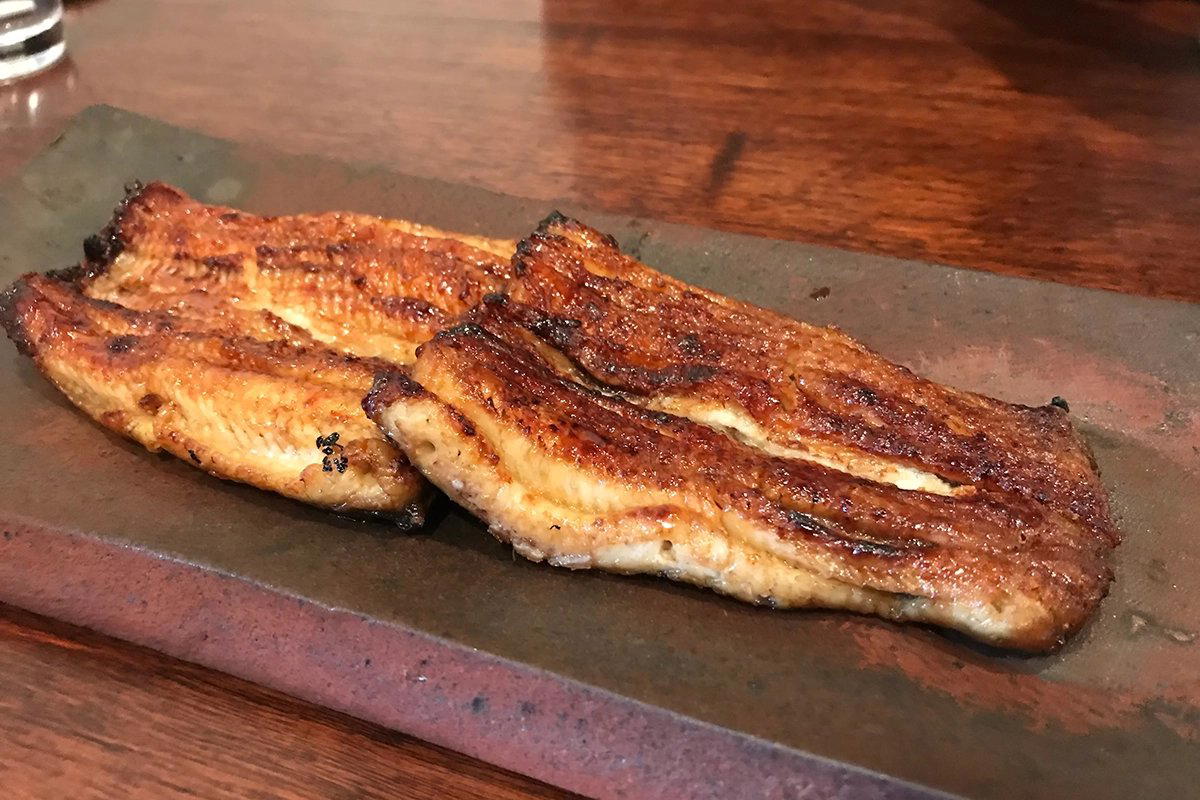
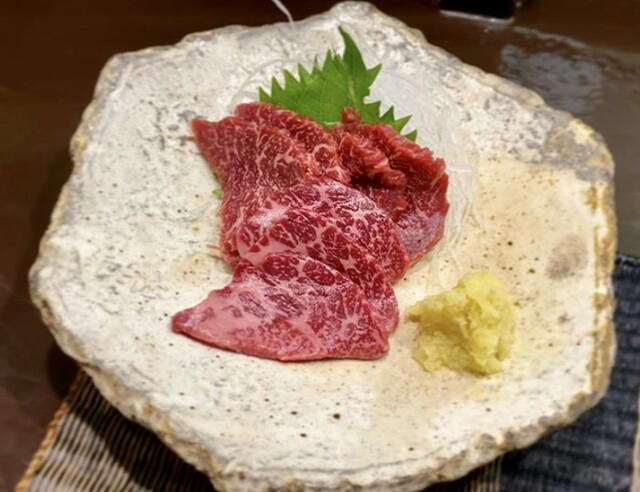
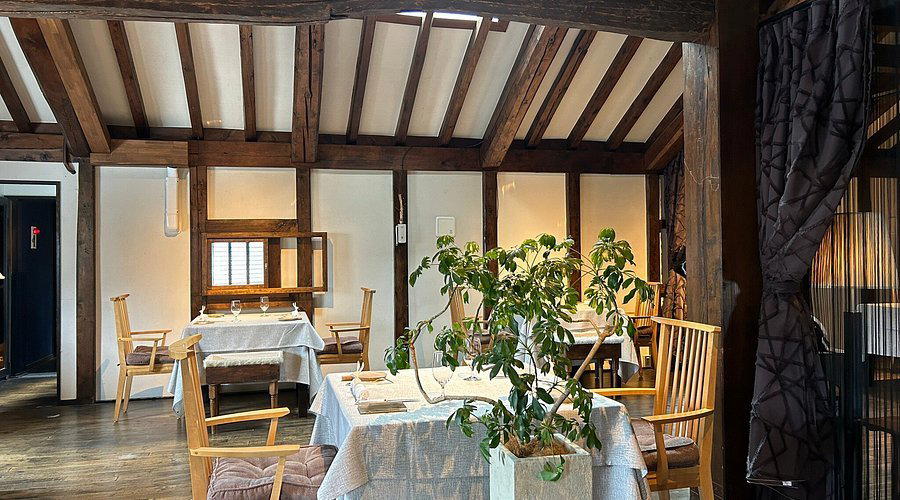
Bars in Matsumoto
Browse all →
Hotels in Matsumoto
Browse all →

Details
- Intimate
- Cozy
- Casual Hangout
- Sake Program
- Local Sourcing
- Small Plates
- Sake
Current opening hours
- Monday
- Closed
- Tuesday
- 5–11 PM
- Wednesday
- 5–11 PM
- Thursday
- 5–11 PM
- Friday
- 5–11 PM
- Saturday
- 4–10 PM
- Sunday
- 4–10 PM
Hours can change for holidays and private events. Last verified .
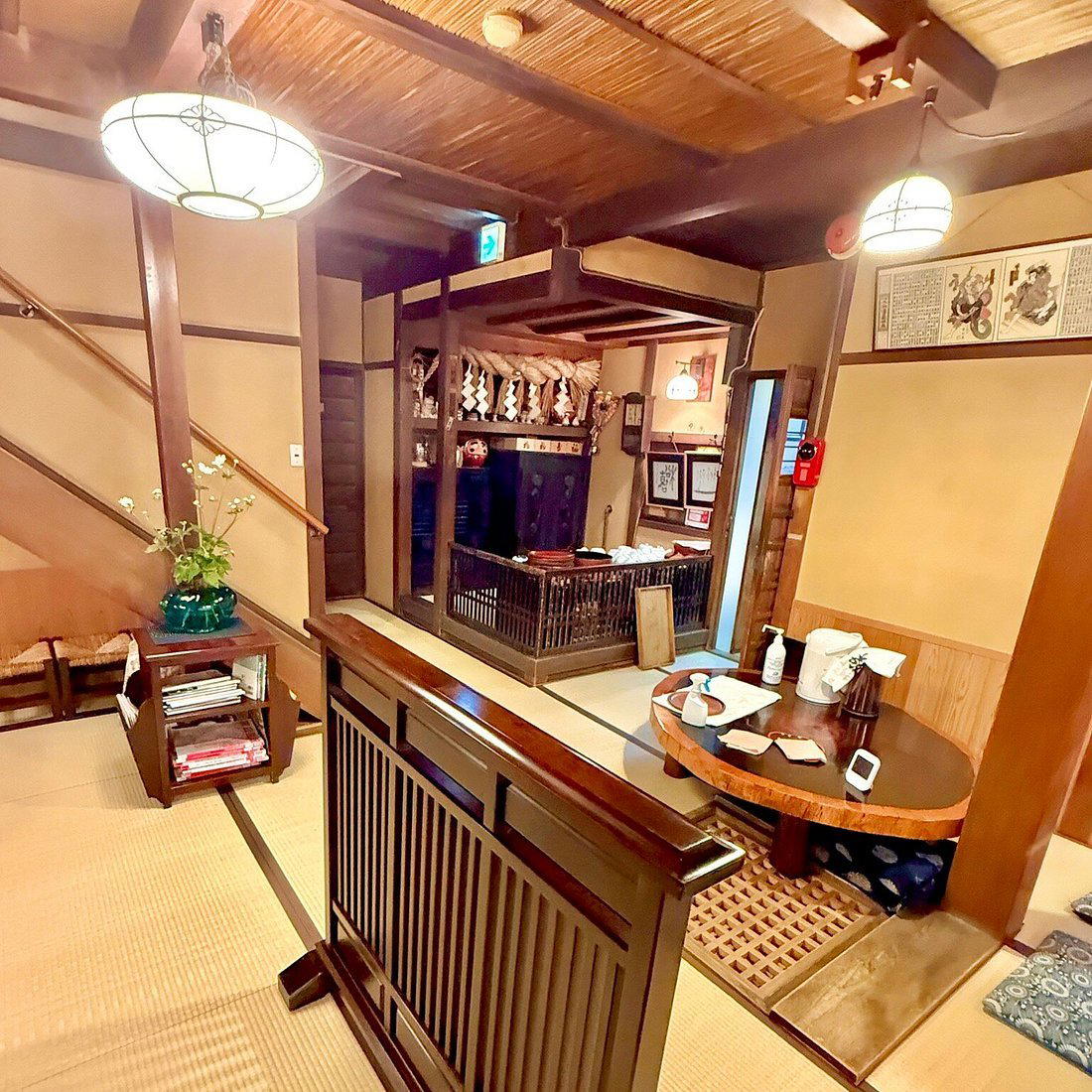
Welcoming counter-only atmosphere fostering easy communication among guests.