
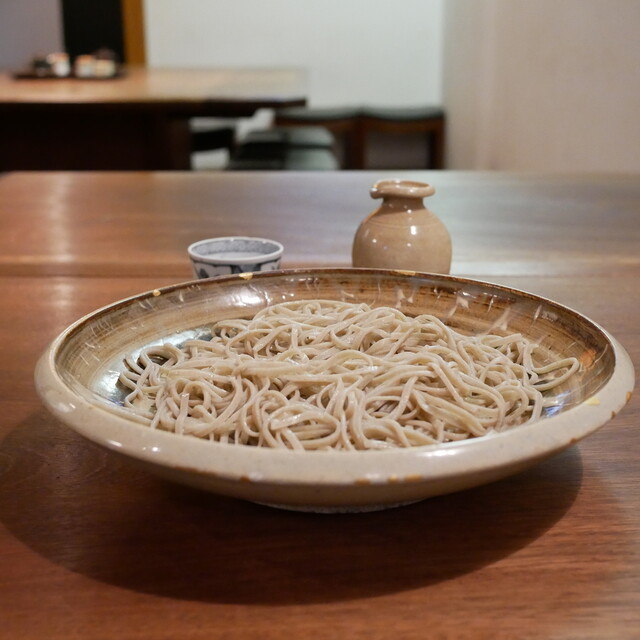
Matsumoto’s soba culture rewards restraint: buckwheat, water, cut, and timing do the talking. Soba Club Sasaki belongs to that serious local tier, with Tabelog 100 Soba EAST selections in 2025, 2024, and 2019, counter seating, and a drinks range that includes sake, shochu, and wine.
Pearl is the En Primeur Club membership app — saves, bookings, and concierge access live there. Same editors, same standards.
- Address
- 長野県松本市大手4丁目8-3
- Phone
- +81263504387
- Website
- tabelog.com
 Saves & bookings on Pearl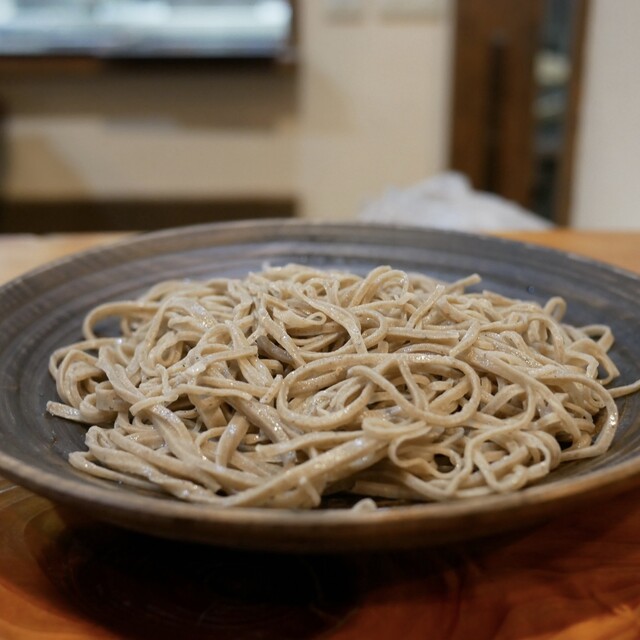
Ote puts Matsumoto’s dining character in sharp focus: old merchant streets, castle-town scale, and a food culture that treats mountain ingredients with little need for theatre. Soba belongs naturally in that setting. Nagano has long been one of Japan’s defining buckwheat regions, and in Matsumoto the noodle house is less a casual fallback than a serious expression of place. Soba Club Sasaki sits inside that tradition, not as a grand dining room, but as the kind of compact counter-led address where the meal depends on sourcing discipline, knife work, and timing.
The useful way to read this restaurant is through buckwheat rather than through luxury. In Japanese soba, the grain matters before the garnish: aroma, texture, and the balance between rusticity and precision decide the meal. That makes Matsumoto a more interesting city for soba than many larger urban markets, because the surrounding prefectural identity gives the category real weight. The restaurant’s repeated inclusion in Tabelog 100 Soba, with selections in 2025, 2024, and 2019, places it in a national conversation around specialist noodle houses rather than general Japanese dining.
Nagano buckwheat culture in a counter-scale room
Serious soba rooms tend to be small because the form is unforgiving. Noodles suffer when stretched too far from preparation to service, and the counter format keeps the emphasis on sequence rather than spectacle. Here, the room’s counter seating aligns with that logic: the experience is built around a narrow band of attention, not a sprawling menu performance. For travellers used to kaiseki pacing or ramen queues, soba asks for a different kind of concentration. The pleasure is in how little gets between the diner and the grain.
That ingredient-first reading also explains why the drinks list matters. Sake and shochu are expected companions for soba in Japan, but wine appearing alongside them signals a slightly broader table culture without turning the meal into fusion. It is a useful detail in Matsumoto, where traditional Japanese cooking, cafés, and European-leaning kitchens often sit close together rather than in separate dining districts. For a wider snapshot of the city’s range, Our full Matsumoto restaurants guide places this soba address alongside rooms such as Hikariya Higashi, French Natural Restaurant SAI, Alpenrose, Furin Kazan, and Coffee Marumo.
Within that local set, Soba Club Sasaki occupies a different lane from the city’s higher-spend Japanese dining rooms. Hikariya Higashi prices into a larger special-occasion bracket, while Coffee Marumo represents Matsumoto’s lower-key café history. The soba counter sits between those poles: more focused than a casual stop, less ceremonially expansive than a full kaiseki meal. That middle position is often where regional food is clearest, because the format has to justify itself through product and technique rather than through room design or procession.
Recognition that points to specialization, not grandeur
Tabelog’s Soba 100 lists are useful because they separate noodle specialists from the noise of general restaurant rankings. A selection there does not say the room is luxurious; it says the category has been taken seriously enough to enter a curated national field. For Matsumoto, that distinction matters. The city can attract travellers for castle views, alpine access, and ryokan-style itineraries, but its food identity is strongest when local staples are handled with conviction. Soba Club Sasaki’s Tabelog score of 3.72 and repeated Hyakumeiten selections give the restaurant a concrete credibility signal inside that specialist field.
The comparison set also helps calibrate expectations. Kiku Zou sits at a materially higher spend level; Sanjiro occupies a lower one; Hikariya-Nishi belongs to the Japanese kaiseki category. None of those comparisons make a soba counter better or worse. They clarify the decision. Choose this format when the priority is regional buckwheat culture and a tight meal structure, not a long formal sequence. Choose a kaiseki room when the point is seasonal breadth and ceremony. Matsumoto supports both, but they answer different travel needs.
For travellers building a full city itinerary, the smarter move is to let soba anchor one meal rather than treat it as a snack between sightseeing stops. Matsumoto rewards slower pacing: coffee in an old-town room, a serious lunch, a castle walk, then a bar or ryokan dinner depending on the night. The broader city planning pages help with that rhythm: Our full Matsumoto hotels guide, Our full Matsumoto bars guide, Our full Matsumoto wineries guide, and Our full Matsumoto experiences guide are better used together than as separate checklists.
How to place it in a Japan food itinerary
Japan’s regional cooking is often misunderstood by visitors who chase only omakase counters, wagyu rooms, or high-drama tasting menus. Soba is quieter but no less technical, and Nagano gives the category a stronger origin story than many city-center noodle shops can claim. That makes this Matsumoto stop especially relevant for travellers who care where a dish comes from: buckwheat is not decorative here, it is the subject.
Seen against the wider EP Club Japan map, the restaurant is part of a broader pattern: focused, category-specific dining that does not need a long menu to make its point. That same logic connects, in different registers, to -Grilled beef Sukiyaki- KAMAKURA TANUKIAN 鎌倉 たぬき庵 in Kamakura,. 鮪と炭火焼き うお炭 秋葉原店 in Tokyo,.cafe in Osaka,.know in Kumamoto, (Shoku) Vietnam in Kawasaki, and [Curry Senmon Ten] Maruyama Kyoju. in Sapporo. Outside Japan, ingredient-led simplicity takes other forms, from Jōdo Saké Bar in Los Angeles to Onigiri Time in Pasadena, but the principle is similar: a narrow format can reveal more than a crowded menu.
The editorial case for Soba Club Sasaki is therefore specific. It is not the address for diners seeking maximal luxury signals in Matsumoto. It is the address for understanding why soba holds such authority in Nagano, and why a counter-format noodle meal can carry the same seriousness as a longer Japanese dinner when the sourcing and execution are the point.
Side-by-Side Snapshot
Comparable venues by cuisine and price in the same metro.
| Venue | Cuisine | Price | Awards | Notes |
|---|---|---|---|---|
| Soba Club SasakiThis venue — the venue you are viewing | Traditional Shinshu soba | $$ | , | |
| Furin Kazan | Shinshu izakaya with local sake | $$ | , | Chuo |
| Sushi Inukai | Edomae Omakase Sushi | $$$ | , | / Shimauchi |
| Masamura | Traditional Japanese cake & confectionery shop | $ | , | Fukashi |
| Sake to yuki | Nagano Izakaya with Local Sake | $$ | , | Ōte |
| 信州ダイニング tobira | 信州日本料理 | $$$ | , | Iruyama-be |
Continue exploring
More in Matsumoto
Restaurants in Matsumoto
Browse all →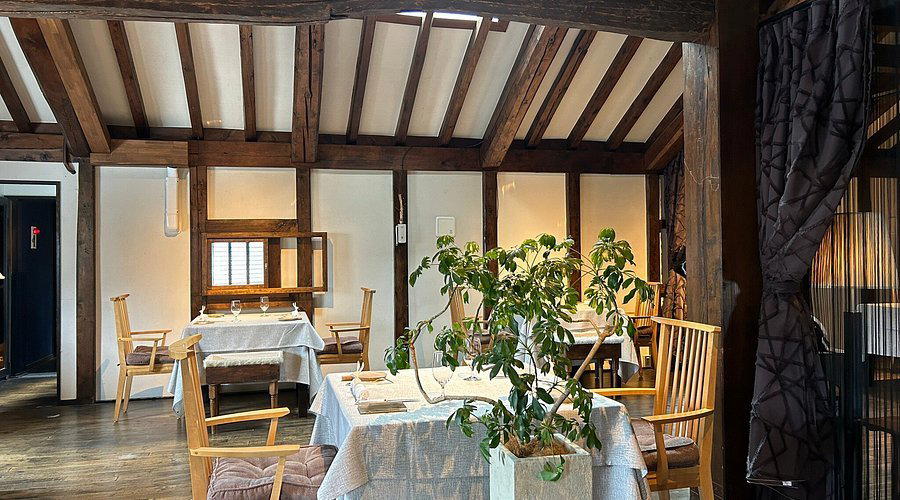
Hotels in Matsumoto
Browse all →
At a Glance
- Cozy
- Classic
- Quiet
- Hidden Gem
- Casual Hangout
- Solo
- Group Dining
- Standalone
- Historic Building
- Sake Program
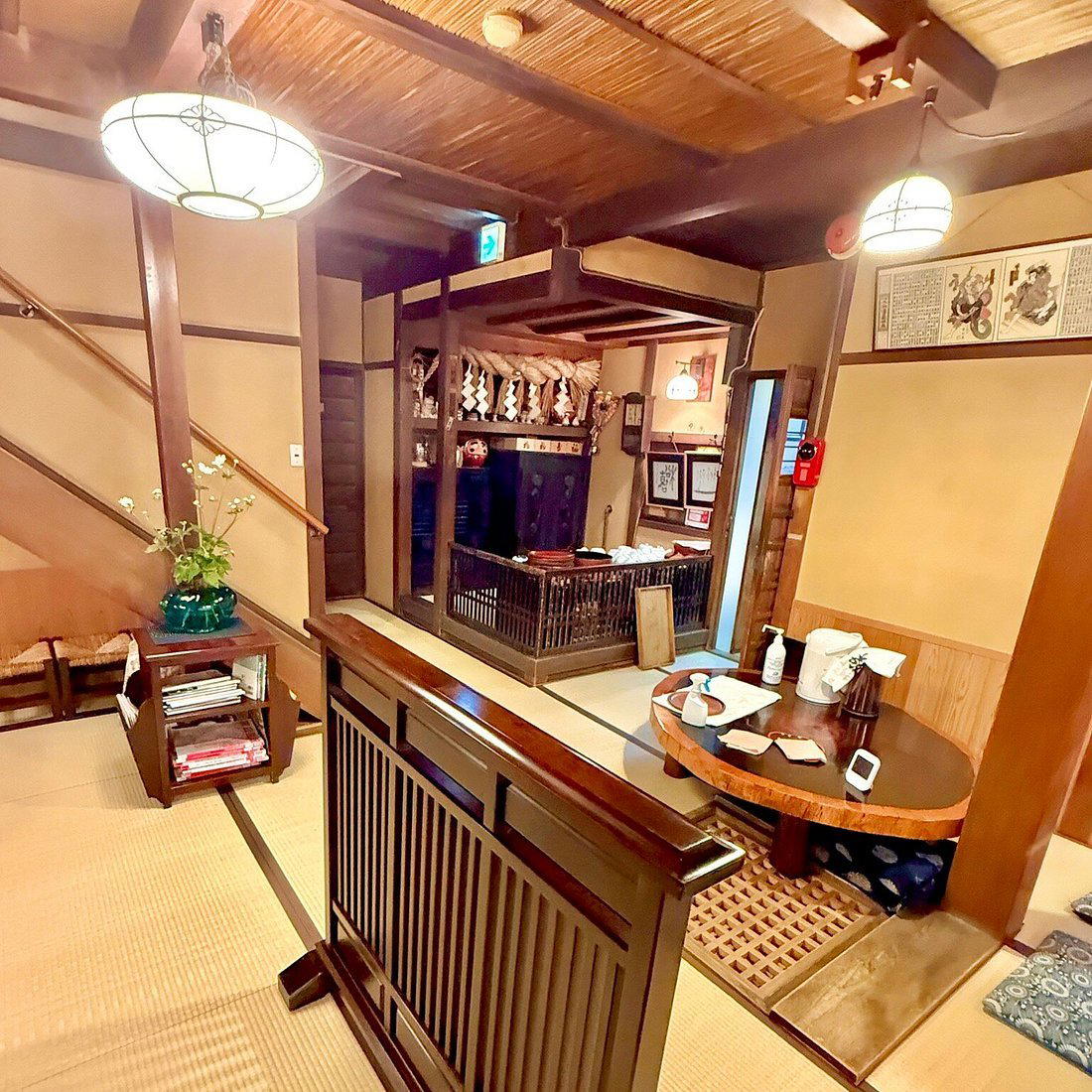
A small, non‑smoking soba house with counter seating, a calm and understated atmosphere, and a focus on craftsmanship rather than decor—more like a serious artisan workshop than a flashy restaurant.