
Michelin Bib Gourmand
Our verdict
At sonoba in Kyoto's Shimogyo Ward, a craftsman proprietor mills his own buckwheat flour, shapes juwari soba by hand, and serves it on pottery he made himself. The monthly seasonal menu pairs noodles with ingredients like sudachi citrus, bamboo shoots, and oysters. Two consecutive Michelin Bib Gourmand awards (2024 and 2025) confirm its standing in the city's soba tier.

Pearl is the En Primeur Club membership app, where members save venues, book tables and use the concierge.
The menu
What to order
- Mori Soba
- Chrysanthemum Soba
- Soba made with Gaiichi
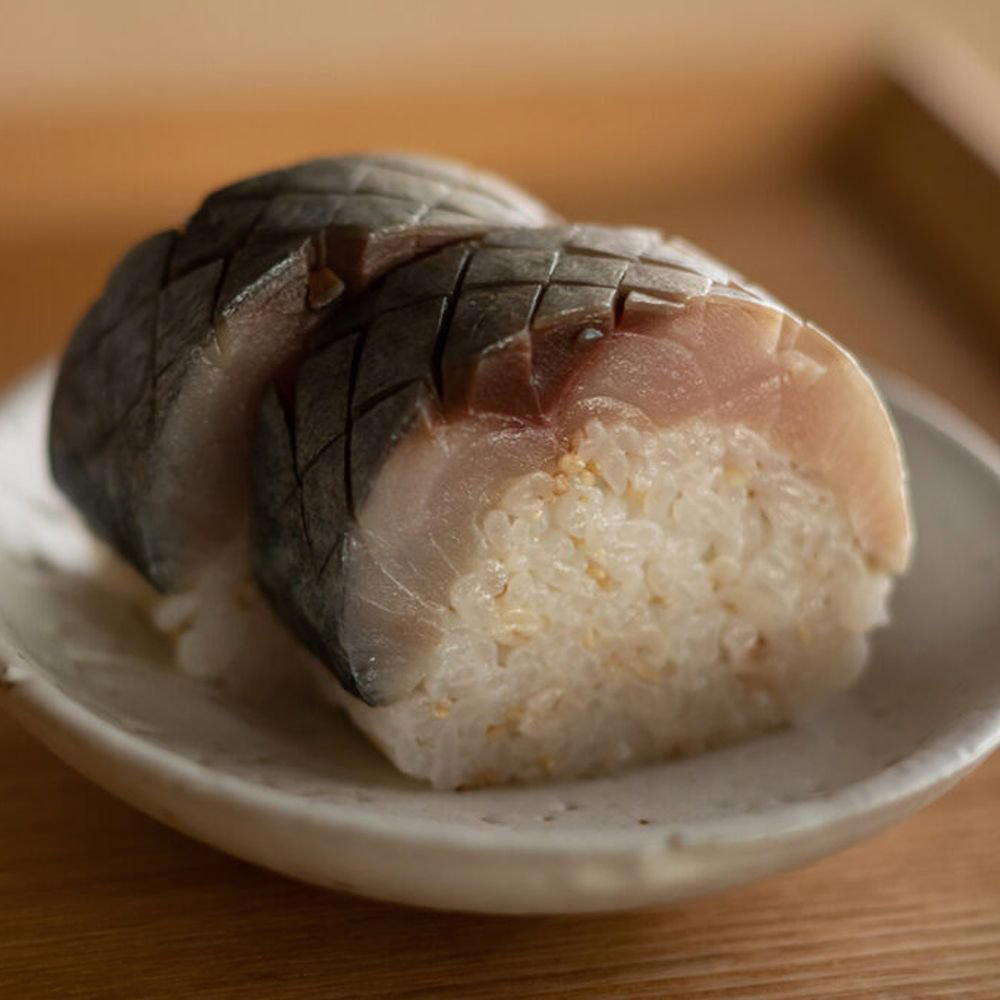
- Aburi Saba Sushi
- Duck Nanban Soba
Where Craft Converges at the Counter
Shimogyo Ward sits between Kyoto Station and the commercial pulse of Shijo, a zone where older machiya townhouses and workaday streets coexist with the kind of specialist restaurants that draw deliberate visitors rather than passing trade. Sonoba occupies this register. The interior signals intent immediately: industrial in structure, softened by recycled materials, every surface a decision made by the same pair of hands that mill the buckwheat and throw the ceramics. In a city where craft is frequently performed for tourism, sonoba presents it without ceremony.
The Logic of Juwari Soba
Soba in Japan divides broadly into two camps. Nihachi soba blends buckwheat with wheat flour in a roughly 80:20 ratio for workability and a supple texture. Juwari soba, made entirely from buckwheat with no binder, demands more from both the maker and the diner. The noodles are more fragile, the flavour is more pronounced, and the margin for error at every stage is narrower. Milling in-house tightens that margin further: stone-ground flour begins losing its volatile aromatics within hours, so proximity between mill and bowl is a technical advantage as much as a philosophical one.
Sonoba serves juwari soba in this tradition, with flour milled on the premises. The baseline expression, mori soba served chilled on a wicker basket, functions as a calibration point for what buckwheat can communicate when the grain itself is the argument. For comparison, Akasaka Sunaba in Tokyo and Ayamedo in Osaka each represent their respective cities' approaches to serious soba; sonoba belongs in that conversation at Kyoto's end.
A Meal That Moves Through the Calendar
The editorial angle at sonoba is leading understood as a tasting progression anchored to time. The mori soba provides the foundation, the unadorned version against which everything else is measured. From there, the seasonal soba takes over as the narrative thread, and this is where the kitchen's intelligence becomes apparent. Monthly changes driven by specific ingredients, bamboo shoots in spring, sudachi citrus in late summer, walnuts in autumn, oysters in the colder months, mean the meal traces the Japanese agricultural calendar rather than a fixed menu. Each pairing is a compositional choice: the astringency of sudachi against buckwheat's earthiness, the brininess of oyster against a noodle with no fat to buffer it. These are not garnishes applied to a static dish. They are the dish, reconsidered every four weeks.
This format places sonoba in a broader tradition of Japanese cooking where seasonality is structural rather than decorative. Kaiseki restaurants at the ¥¥¥¥ tier, places like Gion Sasaki or Ifuki, operate on the same calendrical logic but in a multi-course, formal register that can run to many thousands of yen. Sonoba delivers a comparable seasonal rigour at the ¥ price point, which is precisely what the Michelin Bib Gourmand award is designed to recognize: cooking that punches above its price category. The 2024 and 2025 Bib Gourmand designations confirm this assessment across consecutive guides.
The Object as Argument
The flatware at sonoba is not sourced. It is made by the proprietor, a soba craftsman who also works in pottery. This detail carries editorial weight beyond biography. Ceramic form affects the temperature at which food is perceived, the visual frame around it, and the tactile experience of eating. When the same person controls the grain, the noodle, the vessel, and the room, the resulting coherence is not incidental. It is the design brief. The recycled-materials interior extends this logic spatially: the industrial aesthetic reads less as style choice and more as an extension of a sensibility that finds value in material honesty.
This kind of integrated making is uncommon in any food category. It is particularly uncommon at a price point that keeps the restaurant accessible. Kyoto's higher-end restaurants, kaiseki houses operating at ¥¥¥¥, and Italian-influenced venues like Itsutsu or Juu-go, pursue craft through different means and at different costs. Sonoba's integration of craft across disciplines at the ¥ tier positions it differently from nearly everything around it.
Kyoto's Soba Tier in Context
Kyoto is not a soba city in the way that certain Tokyo neighbourhoods are. Noodle culture here tilts toward udon and, in the kaiseki tradition, toward soba served as a refined component within a longer meal rather than as the main event. That makes a specialist soba restaurant in Kyoto something of a deliberate counter-position. Honke Owariya, operating since 1465, represents the deep historical thread of soba within Kyoto's temple and court culture. Gombei occupies a different position in the accessible noodle category. Sonoba operates in a specialist niche, defined less by historical continuity and more by craft intensity and seasonal programme.
Visitors who want broader context for Kyoto's dining range can consult our full Kyoto restaurants guide, which maps the city's categories from kaiseki to ramen. For regional comparison beyond Kyoto, Harutaka in Tokyo, HAJIME in Osaka, akordu in Nara, Goh in Fukuoka, 1000 in Yokohama, and 6 in Okinawa each represent distinct approaches to serious Japanese cooking across the country. Chikuyuan Taro no Atsumori sits within Kyoto's noodle tradition from a different angle worth considering alongside sonoba.
Planning Your Visit
Address: 533-3 Motoshiogamacho, Shimogyo Ward, Kyoto 600-8119. Price range: ¥ (budget-accessible; confirmed Bib Gourmand tier). Reservations: Awards: Michelin Bib Gourmand 2024 and 2025. Seasonal note: The monthly-rotating seasonal soba makes the kitchen's current ingredient focus a relevant variable when planning a visit; autumn and winter rotations incorporating walnuts and oysters represent the menu at its most compositionally complex.
For more on where to stay, drink, and explore around this part of Kyoto, see our full Kyoto hotels guide, our full Kyoto bars guide, our full Kyoto wineries guide, and our full Kyoto experiences guide.
What Regulars Order at Sonoba
The mori soba, chilled buckwheat noodles served on a wicker basket, is the anchor order and the version that most directly expresses the in-house milling. Among the documented favourites, the seasonal soba draws the most consistent attention from returning visitors: the monthly ingredient change gives regulars a reason to come back across the year, and the creative pairings, sudachi, bamboo shoots, walnuts, oysters depending on the season, make each visit compositionally different from the last. Both the mori and seasonal versions hold Michelin recognition as part of the overall programme.
Frequently asked questions
Is sonoba Michelin-listed?
sonoba has received recognition including: The proprietor is a soba craftsman who makes pottery. Serving handmade juwari soba of 100% buckwheat flour milled in-house, on flatware he crafted himself, embodies ‘sonoba-style’ service. As popular as his ‘mori soba’, chilled soba served ….
Who is the chef or culinary lead at sonoba?
The chef associated with sonoba is sonoba: Not Available.
What do regulars order at sonoba?
The mori soba is the anchor: chilled 100% buckwheat noodles served on a wicker basket, expressing the in-house milled flour most directly. Beyond that, the monthly seasonal soba draws a loyal following, with past pairings including bamboo shoots, sudachi citrus, walnuts, and oysters. Both sit within the ¥ price tier, reflecting sonoba's Michelin Bib Gourmand standing in 2024 and 2025.
How much does it cost to eat at sonoba?
Pricing at sonoba is listed as ¥.
Comparable Options
| Venue | Cuisine | Price | Awards | Notes |
|---|---|---|---|---|
| sonobaThis venue (the venue you are viewing) | Handmade Buckwheat Soba | $10–20 | Michelin Bib Gourmand | Not listed |
| Gion Sasaki | Modern Kaiseki | $300–500 | 3 Michelin Stars · La Liste Top Restaurants | Kaiseki, Japanese |
| cenci | Innovative Italian-Japanese Fusion | $100–150 | 1 Michelin Star · World's 50 Best #76 | Italian |
| Ifuki | Sumibi Kappo Kaiseki | $200–300 | 2 Michelin Stars · La Liste Top Restaurants | Kaiseki |
| Kyokaiseki Kichisen | Kyoto Kaiseki | $200–300 | 2 Michelin Stars · La Liste Top Restaurants | Japanese |
| Kyo Seika | Modern Chinese Fine Dining | $150–200 | 1 Michelin Star · Tabelog Bronze #216 | Chinese |
Recognition history
Dated appearances from independent guides and award organizations, with the underlying list record or original source where available.
Michelin Bib Gourmand
Michelin
Full recognition history (3 entries)
Michelin Bib Gourmand
Michelin
Michelin Bib Gourmand
Michelin
Continue exploring
More in Kyoto
Restaurants in Kyoto
All restaurants in Kyoto →
Bars in Kyoto
All bars in Kyoto →
Hotels in Kyoto
All hotels in Kyoto →
Wineries in Kyoto
Browse all →
Details
- Minimalist
- Industrial
- Cozy
- Intimate
- Solo
- Casual Hangout
- Chefs Counter
- Open Kitchen
- Design Destination
- Local Sourcing
- Counter Dining
- A La Carte
Current opening hours
- Monday
- 11:30 AM–3 PM
- Tuesday
- 11:30 AM–3 PM
- Wednesday
- Closed
- Thursday
- Closed
- Friday
- 11:30 AM–3 PM
- Saturday
- 11:30 AM–3 PM
- Sunday
- 11:30 AM–3 PM
Hours can change for holidays and private events. Hours as of .
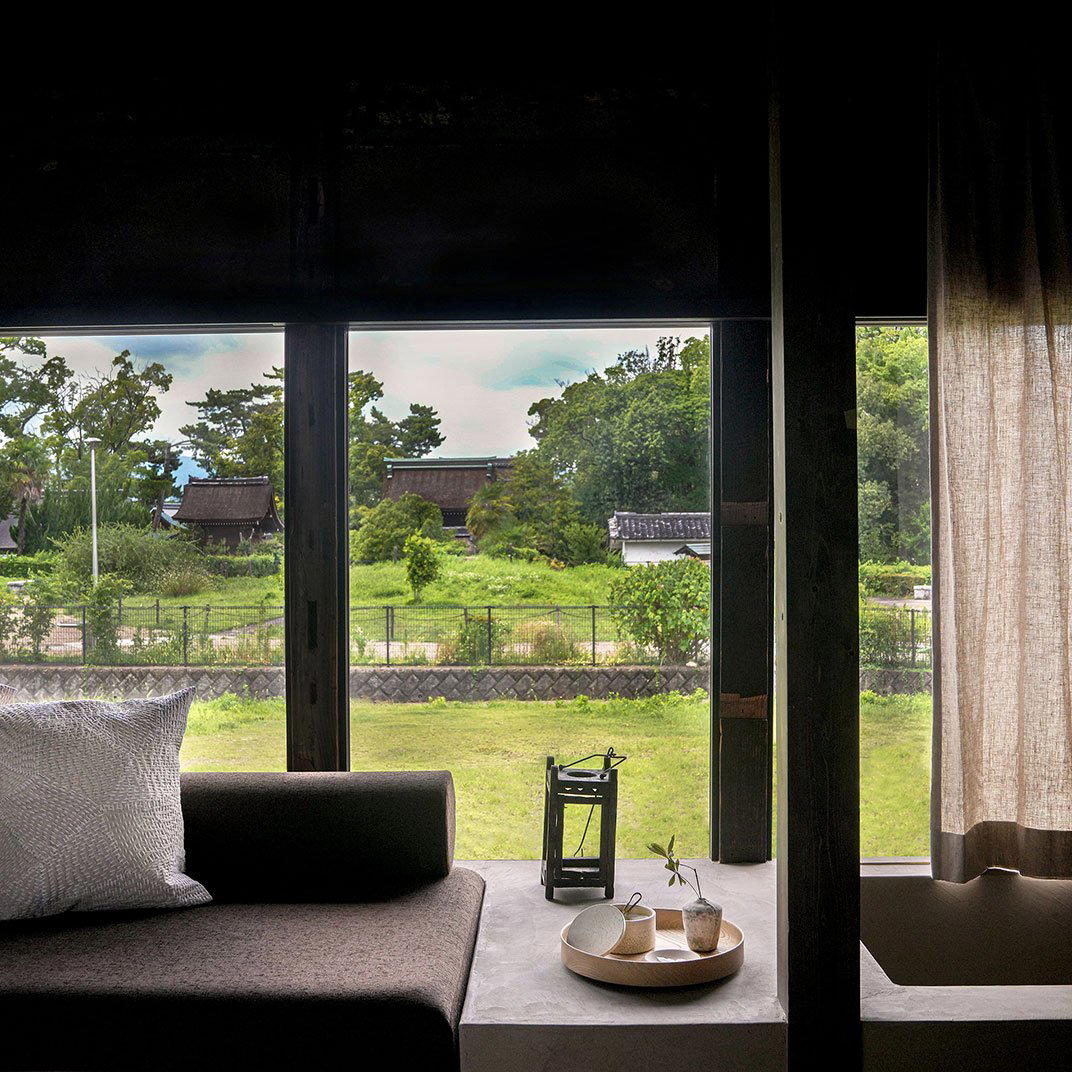
Industrial minimalist interior with exposed concrete, pendant lights suspended from recycled wood beams, and an adjacent working pottery studio visible through glass partitions; intimate 14-seat counter creates a focused, purposeful atmosphere.