
Michelin Bib Gourmand
Our verdict
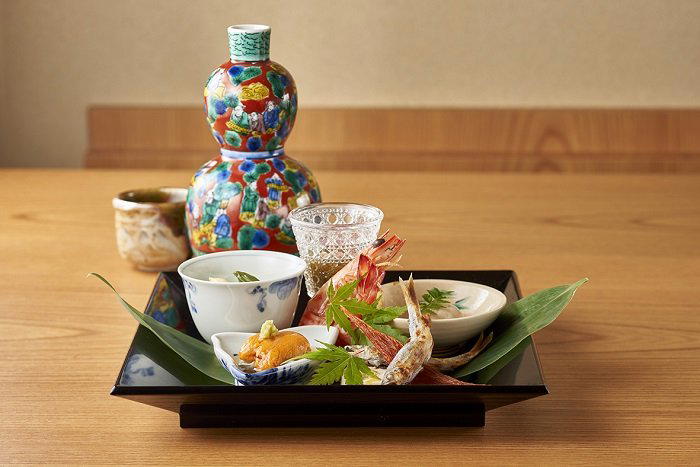
The omakase format moves through seasonal dishes before arriving at soba served plain or with spicy daikon. Its name references the five colours of the buckwheat plant, a signal of how seriously the kitchen treats its single, central ingredient.

Pearl is the En Primeur Club membership app, where members save venues, book tables and use the concierge.
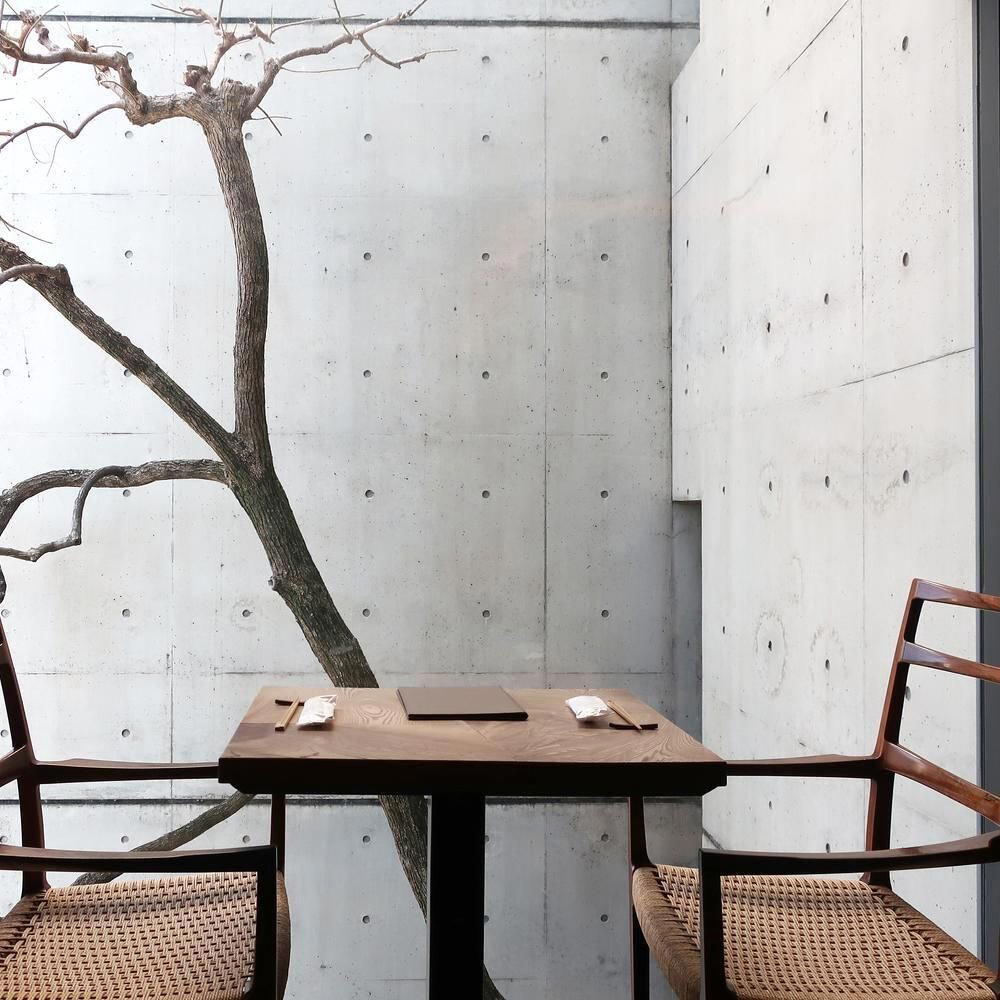
The Omakase Format and the Soba at Its Centre
The kitchen runs an omakase structure, meaning the sequence and composition of the meal are determined by the kitchen, not the diner. In the context of a soba house, this is significant.
The menu moves through seasonal flavours before reaching the soba itself, which is served plain or with spicy daikon. Additional dishes, including aemono (dressed vegetable or protein preparations) and sabazushi (mackerel pressed sushi), can be added a la carte.
Seasonality governs this kind of menu completely. A meal at Itsutsu in late autumn will read differently from one taken in early spring, and the Wakuden connection suggests that this rotation is taken seriously.enprimeurclub.enprimeurclub. Below that, a substantial Bib Gourmand cohort represents the city's most practical entry point for serious cooking. Itsutsu operates in that cohort, where the cooking is disciplined and the ingredients are sourced with care, but the format and price point remain accessible relative to the city's leading tables.
For travellers moving through the Kansai region, the concentration of serious cooking across multiple price points is one of the area's defining features. HAJIME in Osaka and akordu in Nara represent different points on that regional spectrum. Within the soba category specifically, Akasaka Sunaba in Tokyo and The kitchen runs an omakase format, so the sequence is set rather than chosen from a menu. The meal moves through seasonal dishes before the soba arrives, served plain or with spicy daikon. Given the
Frequently asked questions
Where is Itsutsu located?
Itsutsu is located at 28 Murasakino Unrinincho, Kita Ward, Kyoto, 603-8214, Japan, Kyoto.
Does Itsutsu have a Michelin star or similar recognition?
Itsutsu has received recognition including: The name means ‘five’, referring to the five colours of the buckwheat plant, from its root, stalk, flowers, seeds and leaves. It also pays tribute to the five elements of the natural world, with Daitoku-ji Temple a few steps away. Omakase o….
What's the best way to book Itsutsu?
The most reliable approach is to check the venue's official channels in writing via the address at 28 Murasakino Unrinincho, Kita Ward, Kyoto, or through a concierge service familiar with the Wakuden family of restaurants, which holds two consecutive Michelin Bib Gourmand recognitions (2024 and 2025).
At-a-Glance Comparison
| Venue | Cuisine | Price | Awards | Notes |
|---|---|---|---|---|
| ItsutsuThis venue (the venue you are viewing) | Luxury Soba Kaiseki | $50–100 | Michelin Bib Gourmand | Not listed |
| Gion Sasaki | Modern Kaiseki | $300–500 | 3 Michelin Stars · La Liste Top Restaurants | Kaiseki, Japanese |
| cenci | Innovative Italian-Japanese Fusion | $100–150 | 1 Michelin Star · World's 50 Best #76 | Italian |
| Ifuki | Sumibi Kappo Kaiseki | $200–300 | 2 Michelin Stars · La Liste Top Restaurants | Kaiseki |
| Kyokaiseki Kichisen | Kyoto Kaiseki | $200–300 | 2 Michelin Stars · La Liste Top Restaurants | Japanese |
| Kyo Seika | Modern Chinese Fine Dining | $150–200 | 1 Michelin Star · Tabelog Bronze #216 | Chinese |
Recognition history
Dated appearances from independent guides and award organizations, with the underlying list record or original source where available.
Michelin Bib Gourmand
Michelin
Full recognition history (3 entries)
Michelin Bib Gourmand
Michelin
Michelin Bib Gourmand
Michelin
Continue exploring
More in Kyoto
Restaurants in Kyoto
All restaurants in Kyoto →
Bars in Kyoto
All bars in Kyoto →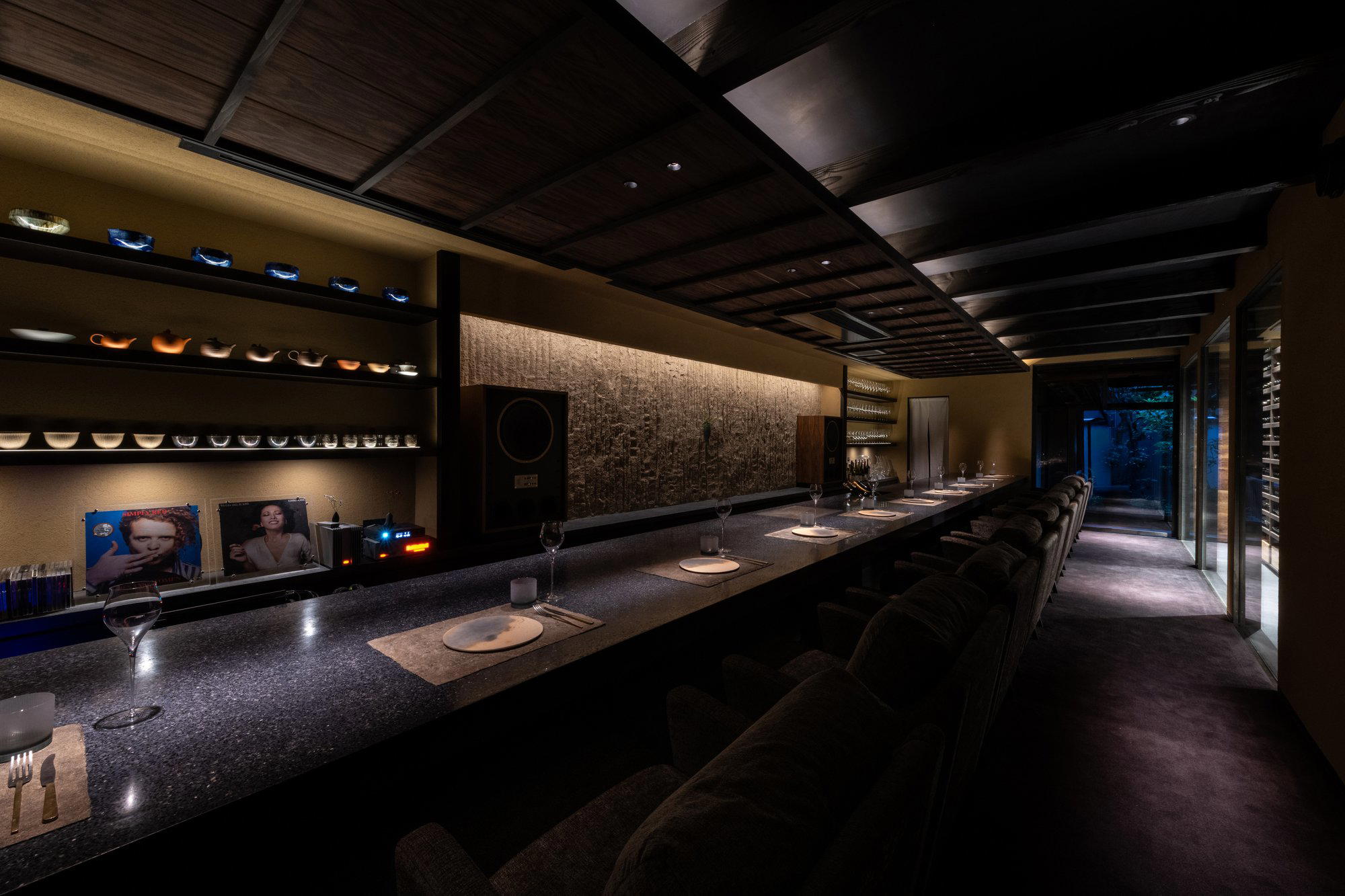
Hotels in Kyoto
All hotels in Kyoto →
Wineries in Kyoto
Browse all →
Details
- Elegant
- Intimate
- Modern
- Quiet
- Minimalist
- Date Night
- Solo
- Special Occasion
- Open Kitchen
- Sake Program
- Omakase
- Set Menu
- Sake
Current opening hours
- Monday
- 11:30 AM–4 PM, 5–7:30 PM
- Tuesday
- 11:30 AM–4 PM, 5–7:30 PM
- Wednesday
- 11:30 AM–4 PM, 5–7:30 PM
- Thursday
- Closed
- Friday
- 11:30 AM–4 PM, 5:30–7:30 PM
- Saturday
- 11:30 AM–4 PM, 5–7:30 PM
- Sunday
- 11:30 AM–4 PM, 5–7:30 PM
Hours can change for holidays and private events. Hours as of .
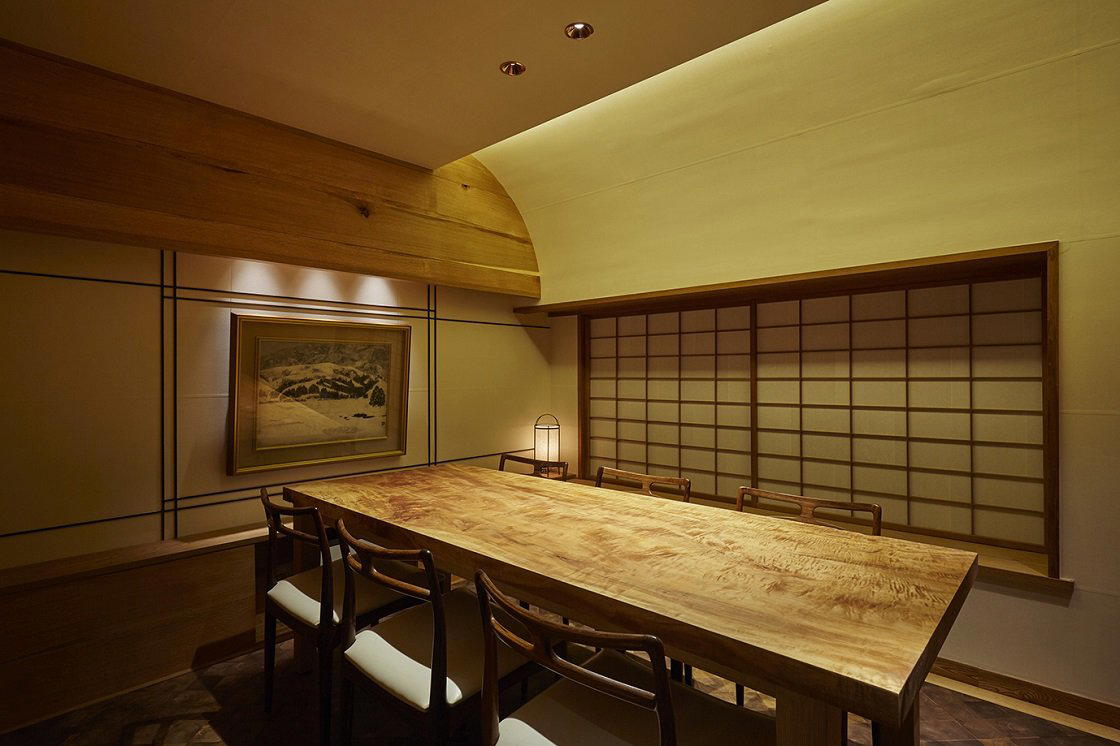
Calm, clean, and quiet with refined modernist decor featuring bare concrete, counter seating, and authentic Japanese aesthetics.