
Michelin Bib Gourmand
Our verdict
A Michelin Bib Gourmand holder in Kyoto's Gion district, Gombei serves udon and soba with the kind of unpretentious precision that has long drawn kabuki actors and geisha to its counter. The kitchen's soft-boiled noodles and two-style kitsune udon sit at the affordable end of the city's noodle hierarchy, making this one of the more accessible addresses in a neighbourhood otherwise defined by kaiseki formality.

Pearl is the En Primeur Club membership app, where members save venues, book tables and use the concierge.
Gion's Noodle Tradition and Where Gombei Sits Within It
Higashiyama Ward operates at two speeds. There is the Kyoto of private kaiseki rooms and multi-course formality, where dinner at somewhere like Saryo Tesshin or the three-Michelin-star level of Itsutsu demands advance planning and a serious budget. And then there is the older, quieter Kyoto of noodle shops, where the measure of quality is dashi clarity, noodle texture, and the balance of sweetened tofu against a bowl of broth. Gombei belongs firmly to the second category, sitting on Gionmachi Kitagawa at a price point marked by a single yen symbol, holding a Michelin Bib Gourmand for 2025, and drawing a clientele that has historically included kabuki actors and the geisha and maiko of the surrounding hanamachi.
That social history matters more than it might first appear. Gion's performers and entertainers have always needed food that is quick, restorative, and precisely calibrated to the demands of people who eat at irregular hours and cannot afford a heavy meal before a performance. The udon and soba shops of this district were never casual by accident. They developed a specific register of cooking, soft noodles, deeply flavoured dashi, gentle toppings, that answered a practical brief over generations. Gombei is one of the addresses that carries that tradition into the present.
The Menu as a Map of Kyoto Noodle Logic
The structure of the menu at Gombei tells you something about how udon and soba are ranked in this part of Kyoto. Udon leads, which reflects its status as the more popular and more deeply embedded format in the city's noodle culture. Soba appears alongside it, but the kitchen's identity is built around the udon bowls, and specifically around the kitsune preparation that most regulars associate with the place.
Kitsune udon, in its standard form, is udon topped with aburaage, the deep-fried tofu pouch that absorbs dashi and sweetened soy until it becomes something between a sponge and a condiment. Gombei offers two versions: one uses chopped tofu, the other features tofu simmered in sweetened soy sauce. The difference is not cosmetic. The simmered preparation produces a denser, more concentrated sweetness that sits differently against the broth than the chopped version's lighter texture. Offering both within the same menu is a quiet editorial decision about the range of flavour a single dish can carry.
The keiran udon moves in a different direction entirely. A warm bowl topped with a starch-thickened sauce of soft scrambled eggs and ginger, it represents the kind of dish that reads as both restorative and technically considered. Ginger cuts the richness of the egg; the starch coating keeps the heat longer than a standard broth would. Noodles across all preparations are boiled to a softer texture than the al dente standard associated with, say, Tokyo-style soba counters. That softness is deliberate: it allows the noodles to absorb dashi more completely, making the bowl richer without requiring more complex or expensive ingredients.
The kitchen does not lead with tanuki, the deep-fried tempura pieces sometimes used as a topping in other regional noodle styles. That absence, flagged in the venue's own framing, is part of what defines the house register. This is Kyoto udon cooking, specific in its restraint, not a broader pan-Japanese noodle format. For comparison with how soba traditions develop differently in Tokyo, Akasaka Sunaba in Tokyo offers a useful counterpoint, and Ayamedo in Osaka illustrates how the neighbouring city approaches the same category with a different set of priorities.
The Bib Gourmand and What It Signals at This Price Level
Michelin's Bib Gourmand category exists specifically to identify restaurants offering good cooking at moderate prices, which is a different judgment from the starred category and should be read as such. A Bib Gourmand for 2025 in Kyoto, a city where the competition within affordable dining is dense and where Michelin's inspectors are particularly active, carries a meaningful signal.
The price point, a single yen symbol, situates Gombei well below the formal dining tier occupied by Higashiyama's kaiseki restaurants. For context, the gap between Gombei's register and the multi-course format of a restaurant like Juu-go is not incremental. It is categorical. What Gombei offers is not a shorter version of a kaiseki meal; it is a different culinary tradition operating at a price that makes it accessible to a much wider group of visitors and locals alike.
Gion as Context: The District Around the Bowl
The address on Gionmachi Kitagawa places Gombei within walking distance of the teahouse streets and the preserved machiya townhouse blocks that define Gion's character. This is not an incidental detail. The neighbourhood's association with traditional performance culture, the ochaya (teahouses), the ozashiki banquet format, creates a specific kind of diner: one who understands restraint, values craft at every price level, and does not require spectacle to feel that a meal has been worthwhile. Gombei's cooking fits that context without straining toward it.
Kyoto's broader restaurant picture extends well beyond the noodle and kaiseki categories. For a fuller view across price tiers and cuisine types, our full Kyoto restaurants guide covers the range. Those planning a longer stay will also find relevant context in our Kyoto hotels guide, our Kyoto bars guide, and our Kyoto experiences guide. For the soba tradition specifically as practised in the older Kyoto format, Honke Owariya and Chikuyuan Taro no Atsumori represent the longer historical lineage of the city's noodle culture. Elsewhere in the Kansai region, HAJIME in Osaka and akordu in Nara illustrate how the wider dining conversation operates at a different register entirely. Japan's national dining picture extends further with Harutaka in Tokyo, Goh in Fukuoka, 1000 in Yokohama, and 6 in Okinawa. The Kyoto wineries guide rounds out the picture for those interested in the city's beverage culture.
Planning a Visit
Gombei sits at 254 Gionmachi Kitagawa in Higashiyama Ward, within the heart of the Gion district. At a single-yen price tier and with a Bib Gourmand rating drawing attention from international visitors as well as locals, queues during peak tourist periods, particularly cherry blossom season in late March and April and the autumn foliage weeks of November, are a practical consideration. Arriving outside standard lunch and dinner rushes will generally improve your chances of a shorter wait.
Frequently asked questions
Is Gombei a family-friendly restaurant?
At a single-yen price point in Gion, Kyoto, Gombei is accessible for most family configurations, with simple, broth-based noodle dishes that tend to travel well across age groups.
What's the overall feel of Gombei?
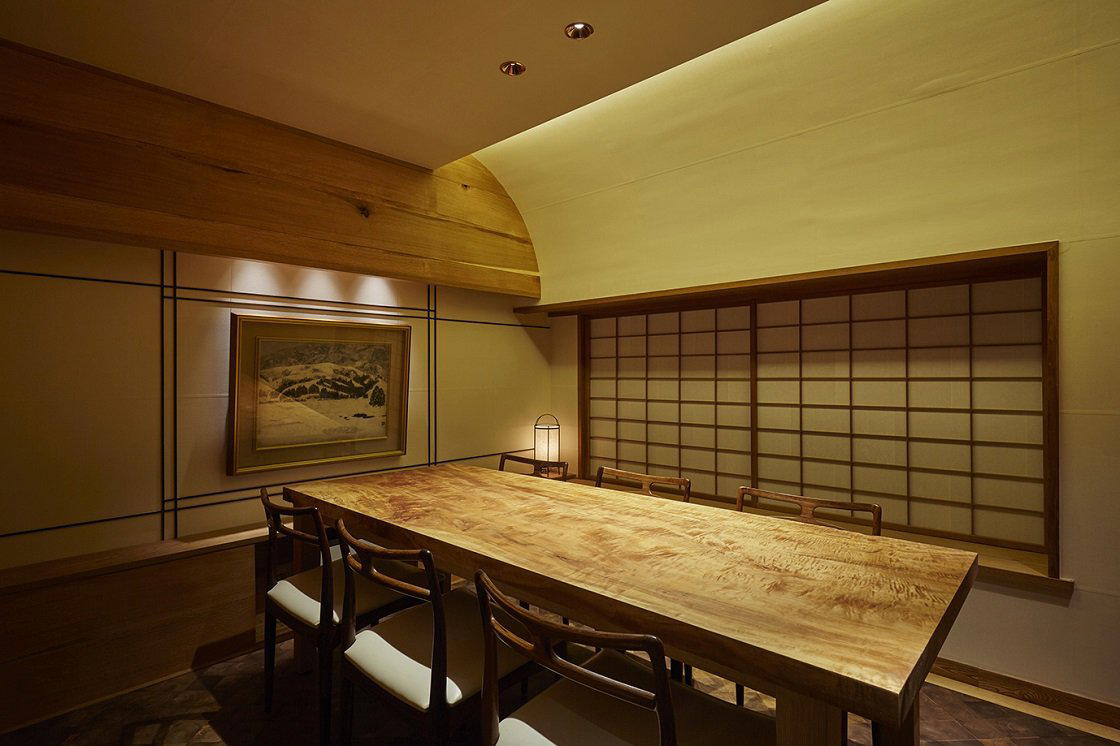
If you are coming to Kyoto with any interest in how the city's traditional culture intersects with everyday eating, Gombei fits that interest well. The Bib Gourmand recognition confirms the kitchen's consistency, the price is among the most accessible in the district, and the association with Gion's performance community gives the food a social context that most tourist-facing noodle shops lack. Expect a functional, unfussy space rather than a design-led environment.
at Gombei?
The kitsune udon, in either of its two forms, is the dish most closely associated with the house and the one the Michelin-recognised kitchen has built its reputation around. The version with tofu simmered in sweetened soy sauce reflects the more specifically Kyoto preparation. The keiran udon, with its egg and ginger sauce, is the more distinctive option for those familiar with standard kitsune formats elsewhere in Japan.
Where the Accolades Land
| Venue | Cuisine | Price | Awards | Notes |
|---|---|---|---|---|
| GombeiThis venue (the venue you are viewing) | Traditional Kyoto Soba & Udon | $20–30 | Michelin Bib Gourmand | Not listed |
| Gion Sasaki | Modern Kaiseki | $300–500 | 3 Michelin Stars · La Liste Top Restaurants | Kaiseki, Japanese |
| cenci | Innovative Italian-Japanese Fusion | $100–150 | 1 Michelin Star · World's 50 Best #76 | Italian |
| Ifuki | Sumibi Kappo Kaiseki | $200–300 | 2 Michelin Stars · La Liste Top Restaurants | Kaiseki |
| Kyokaiseki Kichisen | Kyoto Kaiseki | $200–300 | 2 Michelin Stars · La Liste Top Restaurants | Japanese |
| Kyo Seika | Modern Chinese Fine Dining | $150–200 | 1 Michelin Star · Tabelog Bronze #216 | Chinese |
Recognition history
Dated appearances from independent guides and award organizations, with the underlying list record or original source where available.
Michelin Bib Gourmand
Michelin
Full recognition history (3 entries)
Michelin Bib Gourmand
Michelin
Michelin Bib Gourmand
Michelin
Continue exploring
More in Kyoto
Restaurants in Kyoto
All restaurants in Kyoto →
Bars in Kyoto
All bars in Kyoto →
Hotels in Kyoto
All hotels in Kyoto →
Wineries in Kyoto
Browse all →
Details
- Classic
- Cozy
- Intimate
- Casual Hangout
- Solo
- Historic Building
- Sake Program
- A La Carte
- Sake
- Beer
Current opening hours
- Monday
- 11:30 AM–3 PM, 5–8 PM
- Tuesday
- 11:30 AM–3 PM, 5–8 PM
- Wednesday
- 11:30 AM–3 PM, 5–8 PM
- Thursday
- Closed
- Friday
- 11:30 AM–3 PM, 5–8 PM
- Saturday
- 11:30 AM–8 PM
- Sunday
- 11:30 AM–8 PM
Hours can change for holidays and private events. Hours as of .
Warm and inviting tatami mat rooms with low tables create an authentic, relaxed traditional Japanese atmosphere.