
Our verdict
Operating from the same address in Nakagyo Ward since the Muromachi period, Honke Owariya is among Kyoto's oldest soba houses. Ranked on Opinionated About Dining's Casual Japan list each year from 2023 through 2025, it occupies a tier above neighbourhood lunch spots and below formal kaiseki, a deliberate middle register that Kyoto has always done well.

Pearl is the En Primeur Club membership app, where members save venues, book tables and use the concierge.
The menu
What to order
- Horai Soba
- Soba with tempura
- Cold soba
- Warabi mochi
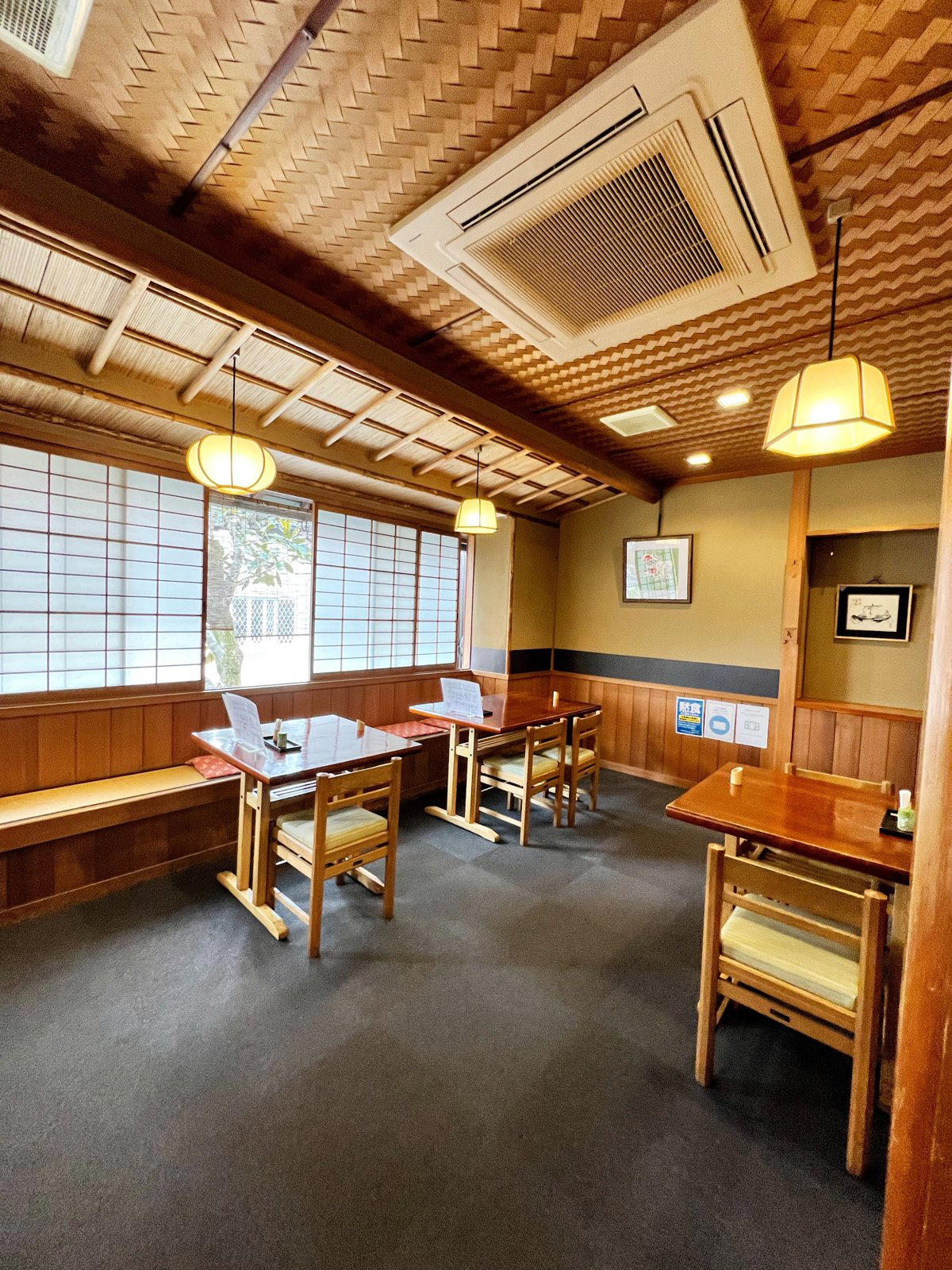
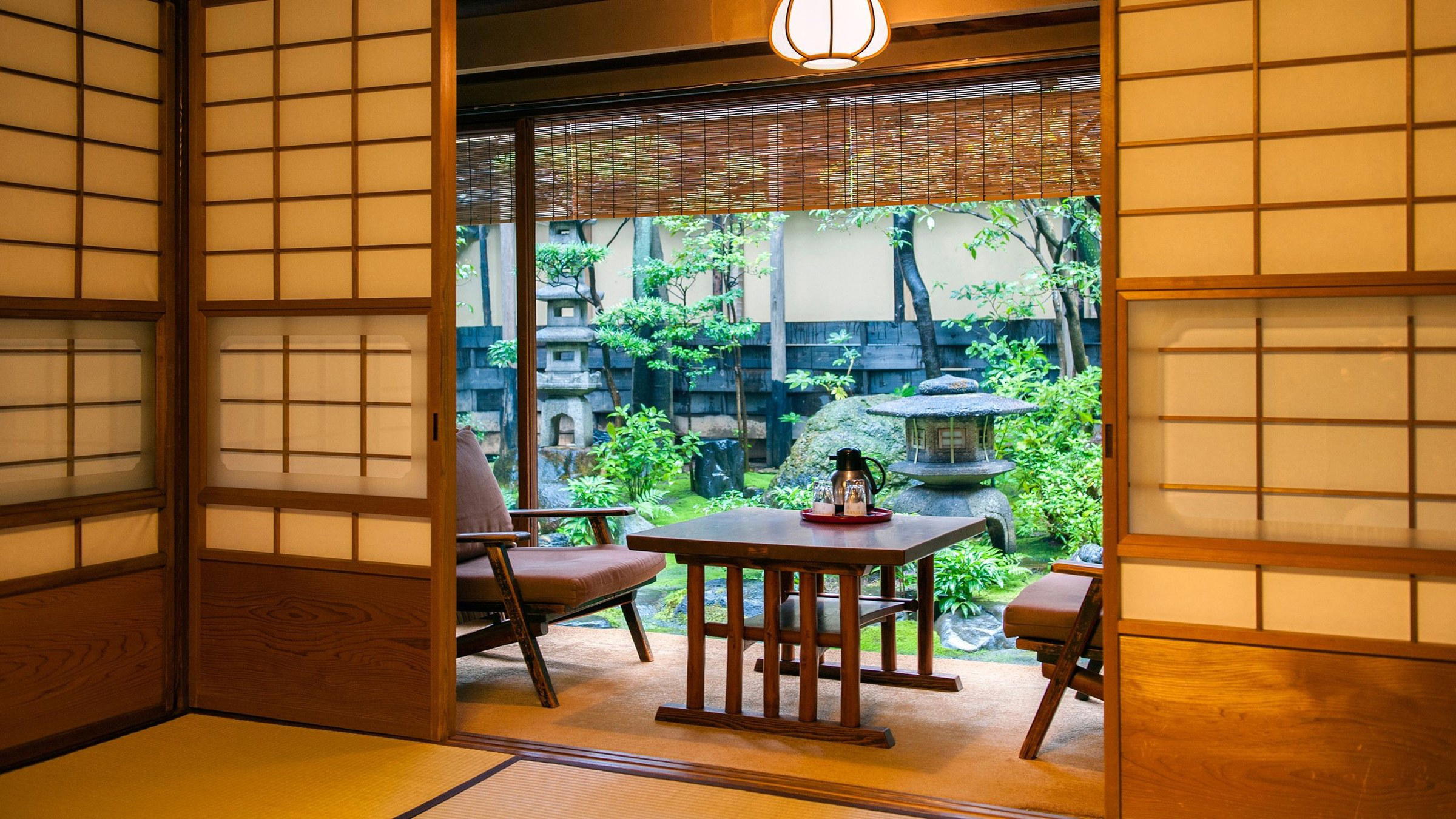
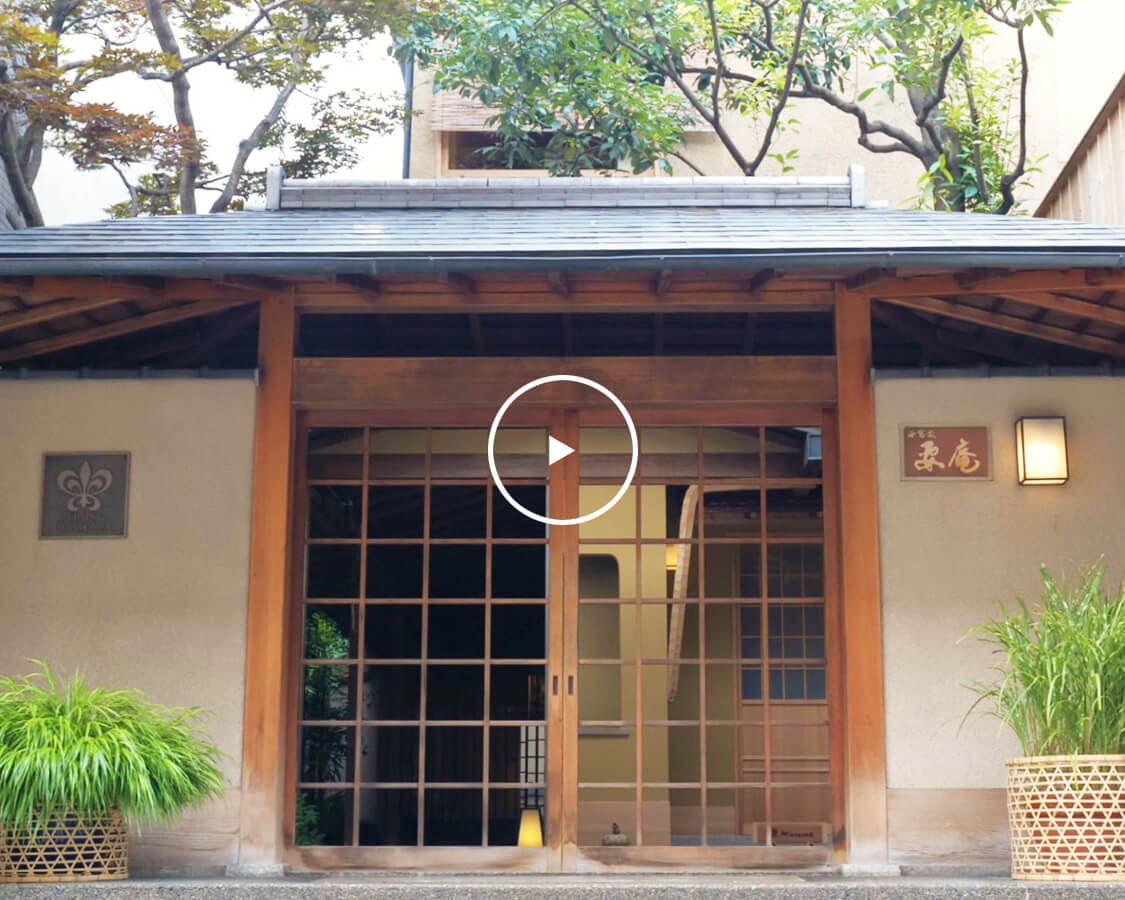
There is a particular quality to the older merchant-district buildings of Nakagyo Ward: dark timber lattice at street level, narrow frontages that open unexpectedly into deep interiors, a stillness that sits just outside the tourist circuits without being inaccessible to them. Honke Owariya operates from 322 Niōmontsukinukechō within exactly this kind of structure, and the physical approach, the low noren, the worn stone threshold, prepares you, correctly, for a room where the architecture has accumulated more history than any single menu item could summarise.
Where Soba Sits in Kyoto's Dining Order
Kyoto's dining identity is so thoroughly shaped by kaiseki, by the multi-course seasonal tradition built around restraint, impermanence, and ingredient deference, that it can obscure how many other registers the city manages simultaneously. Soba occupies a distinct position: less ceremony than kaiseki, more discipline than a casual lunch counter. In Japan's broader soba culture, the craft is measured by buckwheat ratio, water management, and cut consistency. In Kyoto specifically, soba establishments of long standing have absorbed something of the city's wider aesthetic sensibility, a preference for plainness that requires skill to achieve, rather than plainness as default.
Honke Owariya has operated from this address since the Muromachi period, placing it among the oldest food businesses in a city that takes institutional age seriously. That lineage matters less as marketing than as evidence of continuity: a soba house does not survive multiple centuries of Kyoto's competitive, taste-sensitive dining culture through accident. The city's professional class and temple community have always demanded specificity, and establishments without it do not persist.
For comparison, Kyoto's kaiseki tier, venues like Juu-go and the three-Michelin-starred Gion Sasaki, operates at a price point and formality level that makes it a destination category. Soba at Honke Owariya belongs to a different register: accessible by price and format, but not casual in the way that implies low attention. The gap between a technically serious soba house and a convenience noodle stop is substantial, even when the bowl looks similar from a distance.
Recognition and Competitive Position
Opinionated About Dining, which runs one of the more data-intensive and crowd-sourced critical ranking systems for Japanese dining, has placed Honke Owariya on its Casual Japan list three consecutive years: ranked 57th in 2023, 54th in 2024, and 87th in 2025. The 2023-to-2024 movement upward, followed by a 2025 slide to 87th, reflects the volatility of any ranking system that aggregates multiple assessments, but the sustained presence on the list across three cycles is the more meaningful data point. Many restaurants appear once and do not return. Honke Owariya has held its position in the conversation.
That ranking places it in a different tier from Kyoto's high-end kaiseki establishments, but within a serious cohort of Japanese casual dining. For context, OAD's Casual Japan list draws from Tokyo, Osaka, Kyoto, and other cities, so a top-100 placement represents national-level recognition, not merely local standing. Comparable soba-specialist recognition in other cities includes Akasaka Sunaba in Tokyo and Ayamedo in Osaka, both operating in the same discipline with their own regional inflections.
The Aesthetic Logic of a Soba Lunch
Framing Honke Owariya through the kaiseki editorial angle requires a slight adjustment: soba is not kaiseki, and the traditions are not interchangeable. But the aesthetic principles that kaiseki formalised, seasonal awareness, material honesty, restraint as a positive quality rather than a lack, run through serious Japanese cooking at every price point. A well-made soba lunch, served in a heritage merchant house in the middle of Kyoto, participates in the same sensibility that the city's multi-course tradition made explicit. The bowl arrives without theatrical presentation, and that plainness is precisely the point.
Chef Ariko Inaoka is associated with Honke Owariya, operating within a tradition where the craft of the kitchen is expressed through consistency and material quality rather than through reinvention. In soba culture, the chef who deviates dramatically from established form is usually the less interesting one. The discipline rewards those who refine within constraints.
For visitors building a Kyoto itinerary around the full range of the city's food culture, this is where Honke Owariya fits: it represents the mid-register serious dining that exists between temple lunch sets and formal kaiseki evenings. Venues like Saryo Tesshin and Itsutsu occupy adjacent positions in Kyoto's non-kaiseki serious dining tier, as do Chikuyuan Taro no Atsumori and Gombei. Across Japan's other major cities, the same appetite for seriously executed casual formats has produced strong programmes at HAJIME in Osaka, Harutaka in Tokyo, akordu in Nara, Goh in Fukuoka, 1000 in Yokohama, and 6 in Okinawa, though those lean toward the formal end of the spectrum.
Practical Considerations
Know Before You Go
- Address: 322 Niōmontsukinukechō, Nakagyo Ward, Kyoto, 604-0841, Japan
- Hours: Monday to Sunday, 11:00 am to 3:00 pm. Lunch service only, there is no dinner.
- Timing: Arriving close to opening or in the early afternoon window is the practical approach.
- Price range: Soba houses in this tier in Japan generally sit at the accessible end of serious dining, though specific pricing should be confirmed before visiting.
- Booking: No booking method is listed in available data. Walk-in is the presumed format, which reinforces the timing point above.
For a fuller picture of Kyoto dining across all categories, see our full Kyoto restaurants guide. The city's hotel options are covered in our Kyoto hotels guide, and the bar, winery, and experiences pictures are mapped in our Kyoto bars guide, our Kyoto wineries guide, and our Kyoto experiences guide.
Frequently asked questions
How do I find Honke Owariya?
Honke Owariya is located at 322 Niōmontsukinukechō, Nakagyo Ward, Kyoto, 604-0841, Japan, Kyoto.
What distinctions does Honke Owariya have?
Honke Owariya has received recognition including: Opinionated About Dining Casual in Japan Ranked #87 (2025); Opinionated About Dining Casual in Japan Ranked #54 (2024); Opinionated About Dining Casual in Japan Ranked #57 (2023).
What's the signature dish at Honke Owariya?
Its consistent placement on the Opinionated About Dining Casual Japan list (ranked #87 in 2025) reflects sustained critical regard for that core offering.
When is Honke Owariya open?
Hours at Honke Owariya: Hours: Monday 11 am–3 pm Tuesday 11 am–3 pm Wednesday 11 am–3 pm Thursday 11 am–3 pm Friday 11 am–3 pm Saturday 11 am–3 pm Sunday 11 am–3 pm.
Who is the chef or culinary lead at Honke Owariya?
The chef associated with Honke Owariya is Ariko Inaoka.
What is Honke Owariya known for?
Honke Owariya is one of Kyoto's oldest operating soba houses, with a lineage traced to the Muromachi period, placing it among Japan's most historically documented noodle establishments. It has appeared on Opinionated About Dining's Casual Japan rankings three consecutive years, moving from #57 in 2023 to #54 in 2024 before settling at #87 in 2025. The restaurant operates lunch-only hours, 11am to 3pm daily, from its address in Nakagyo Ward.
The Quick Read
| Venue | Cuisine | Price | Awards | Notes |
|---|---|---|---|---|
| Honke OwariyaThis venue (the venue you are viewing) | Traditional Kyoto Soba | $10–20 | Not listed | Not listed |
| Gion Sasaki | Modern Kaiseki | $300–500 | 3 Michelin Stars · La Liste Top Restaurants | Kaiseki, Japanese |
| cenci | Innovative Italian-Japanese Fusion | $100–150 | 1 Michelin Star · World's 50 Best #76 | Italian |
| Ifuki | Sumibi Kappo Kaiseki | $200–300 | 2 Michelin Stars · La Liste Top Restaurants | Kaiseki |
| Kyokaiseki Kichisen | Kyoto Kaiseki | $200–300 | 2 Michelin Stars · La Liste Top Restaurants | Japanese |
| Kyo Seika | Modern Chinese Fine Dining | $150–200 | 1 Michelin Star · Tabelog Bronze #216 | Chinese |
Recognition history
Dated appearances from independent guides and award organizations, with the underlying list record or original source where available.
Opinionated About Dining Casual in Japan Ranked #102
Opinionated About Dining
Full recognition history (4 entries)
Opinionated About Dining Casual in Japan Ranked #87
Opinionated About Dining
Opinionated About Dining Casual in Japan Ranked #54
Opinionated About Dining
Opinionated About Dining Casual in Japan Ranked #57
Opinionated About Dining
Continue exploring
More in Kyoto
Restaurants in Kyoto
All restaurants in Kyoto →
Bars in Kyoto
All bars in Kyoto →
Hotels in Kyoto
All hotels in Kyoto →
Wineries in Kyoto
Browse all →
Details
- Classic
- Well Known
- Quiet
- Rustic
- Intimate
- Solo
- Family
- Group Dining
- Special Occasion
- Historic Building
- Local Sourcing
- A La Carte
- Set Menu
- Tea
- Mineral Water
- Vegetarian Friendly
- Allergy Accommodating
Current opening hours
- Monday
- 11am–7pm
- Tuesday
- 11am–7pm
- Wednesday
- 11am–7pm
- Thursday
- 11am–7pm
- Friday
- 11am–7pm
- Saturday
- 11am–7pm
- Sunday
- 11am–7pm
Hours can change for holidays and private events. Hours as of .
Warm, historic atmosphere with traditional wooden interiors, low lighting from paper screens, and a sense of culinary heritage; divided into intimate mini-rooms and tatami alcoves that create a peaceful, unhurried dining experience.