
Michelin Plate
Our verdict
A Michelin Plate-recognised Japanese restaurant in Kyoto's Kamigyo Ward, Masumasu Masuda builds its monthly-changing menu almost entirely around the produce of Tochigi Prefecture, where the chef was raised. Trout from a friend's farm in Nikko arrives as oshizushi, Tochigi wagyu features in season, and rice cooked on a wood-fired hearth comes from the same region. The name itself carries a prayer for the restaurant to prosper through family bonds.

Pearl is the En Primeur Club membership app, where members save venues, book tables and use the concierge.
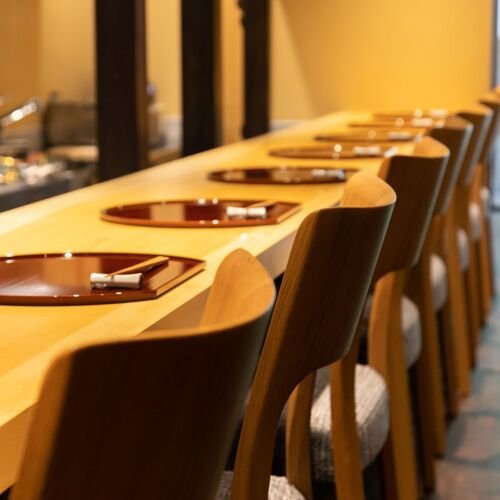
The menu
What to order
- Nikko trout oshizushi
- Tochigi wagyu
- Hearth rice
Where a Kitchen's Geography Begins Before the Produce Arrives
In Kamigyo Ward, one of Kyoto's quieter residential districts away from the packed lanes of Gion and Higashiyama, the dining scene operates on a different register. The restaurants here tend to serve neighbourhood regulars alongside the occasional deliberate visitor who has done the research. Masumasu Masuda sits inside that character: a Japanese restaurant in a part of Kyoto where the loudest signal is the food itself, and where the sourcing story is more instructive than any room description could be.
The restaurant holds a Michelin Plate in both 2024 and 2025, placing it within the recognised tier of the guide without the starred pressure that shapes menus elsewhere. That bracket, in Kyoto's context, often reflects a kitchen working to a personal standard rather than performing for critics, and the Masumasu Masuda model fits that read precisely.
Tochigi on a Kyoto Table
The dominant fact about Masumasu Masuda's menu is geographical, and it is worth being direct about why that matters. Most restaurants in Kyoto's mid-to-upper price range draw on the city's own regional produce tradition: the kyoyasai vegetables, the tofu culture, the river fish of the local basin. Masumasu Masuda departs from that in a considered way, anchoring its sourcing to Tochigi Prefecture in the Kanto region, several hundred kilometres northeast of Kyoto, where the chef was born and raised.
This is not fusion or novelty. It is a kitchen built around a specific provenance claim that runs from the rice up. The hearth-cooked rice that anchors each meal is sourced in Tochigi. The wagyu beef on the menu is Tochigi wagyu, a designation that sits within Japan's broader high-grade beef culture but carries its own regional character distinct from the Kobe or Matsusaka prefectural brands more commonly found on Kyoto menus. The trout comes from a farm in Nikko operated by someone the chef knows personally, and it arrives at the table as oshizushi, the pressed sushi format that requires precision in layering, density, and cure time.
This kind of direct-relationship sourcing, where a specific farm or producer supplies a specific restaurant through a personal connection rather than a distribution channel, represents one of the more coherent expressions of Japan's shun philosophy applied to a narrowed regional frame. The menu changes monthly, which means the Tochigi seasonal calendar, rather than Kyoto's, drives what appears at the table. For a diner familiar with the standard arc of kaiseki-influenced Japanese restaurant menus, this is a genuine reorientation.
Comparing this approach against other Kyoto restaurants in the ¥¥¥ price tier, such as cenci in its Italian idiom or Kyo Seika's Chinese-influenced cooking, what distinguishes Masumasu Masuda is the deliberate refusal to adapt its sourcing geography to its host city. That refusal is its editorial logic.
The Menu Structure and What Drives It
The monthly rotation at Masumasu Masuda means no single visit is a fixed document. What remains consistent is the sourcing framework: Tochigi vegetables in season, the Nikko trout as oshizushi when available, Tochigi wagyu, and the hearth-cooked rice. That last element is worth attention on its own terms. Cooking rice on a traditional hearth, called a kamado, produces a texture and caramelised base layer impossible to replicate on a gas or induction hob. It is a technique that requires a physical infrastructure commitment, not a menu line item, and its presence here says something about what the kitchen regards as non-negotiable.
The oshizushi preparation also signals technical range. Pressed sushi is less visible on Kyoto menus than hand-formed nigiri or scattered chirashi, and its inclusion with a regionally specific trout rather than sea fish anchors the dish in a freshwater, mountain-adjacent tradition consistent with Nikko's geography.
Positioning in Kyoto's Japanese Restaurant Field
Kyoto's Japanese restaurant scene spans a wide internal range. At the leading end, multi-starred kaiseki houses like Gion Sasaki (¥¥¥¥) and Ifuki (¥¥¥¥) operate at a price point and formality that defines the category internationally. Below that, the ¥¥¥ bracket contains a range of approaches, from restaurants built around kaiseki-adjacent formats to more personal, single-focus kitchens like Masumasu Masuda. For reference on the broader Kyoto Japanese restaurant offering, the work of Isshisoden Nakamura, Gion Matayoshi, Kenninji Gion Maruyama, Kikunoi Roan, and Kodaiji Jugyuan represents different facets of what the city does with Japanese cuisine across price tiers.
Within Japan more broadly, the model of a chef constructing a menu around a home-prefecture sourcing identity has parallels in other cities. Myojaku in Tokyo and Azabu Kadowaki in Tokyo Across the Kansai region and beyond, HAJIME in Osaka and akordu in Nara show how sourcing philosophy and regional identity function differently when a kitchen is not operating in its chef's home prefecture. For broader context across Japan, the approaches at Harutaka in Tokyo, Goh in Fukuoka, 1000 in Yokohama, and 6 in Okinawa each demonstrate a different relationship between a kitchen's geographic identity and its menu logic.
The Name and What It Signals
The restaurant's name is worth a brief note because it functions as a statement of intent rather than decoration. Masumasu, combining the owner's surname Masuda with a Japanese expression meaning 'more and more', frames the enterprise as a family project with a prayer embedded in its title: that the restaurant will grow through mutual support, that regulars will return and come to love it more with each visit. That is a durable model for a neighbourhood-anchored kitchen and one that sits at some distance from the performance restaurant economy, where each meal is designed partly for its social media legibility.
Planning Your Visit
Masumasu Masuda is located in Kyoto's Kamigyo Ward at Hisashicho 187-1, in a residential area that rewards planning rather than spontaneous arrival. The restaurant operates at the ¥¥¥ price tier, placing it between the accessible end of Kyoto's Japanese dining scene and the ¥¥¥¥ kaiseki houses. The monthly menu rotation means the experience shifts with each visit, which is a reason to return and also a reason to check what the current month's sourcing calendar offers before booking.
| Venue | Cuisine | Price Tier | Michelin Recognition | Primary Sourcing Focus |
|---|---|---|---|---|
| Masumasu Masuda | Japanese | ¥¥¥ | Plate (2024, 2025) | Tochigi Prefecture |
| cenci | Italian | ¥¥¥ | Not listed | Italian-influenced, Kyoto-based |
| Kyo Seika | Chinese | ¥¥¥ | Not listed | Chinese-influenced, Kyoto-based |
| Gion Sasaki | Kaiseki / Japanese | ¥¥¥¥ | Starred | Kyoto and broader Japanese seasonal |
| Ifuki | Kaiseki | ¥¥¥¥ | Starred | Kyoto and broader Japanese seasonal |
For full coverage of Kyoto's dining, drinking, and hospitality options, see our full Kyoto restaurants guide, our full Kyoto hotels guide, our full Kyoto bars guide, our full Kyoto wineries guide, and our full Kyoto experiences guide.
Frequently asked questions
What price level is Masumasu Masuda?
Pricing at Masumasu Masuda is listed as ¥¥¥.
A Credentials Check
| Venue | Cuisine | Price | Awards | Notes |
|---|---|---|---|---|
| Masumasu MasudaThis venue (the venue you are viewing) | Tochigi-Kyoto Kaiseki | $50–100 | Michelin Plate | Not listed |
| Gion Sasaki | Modern Kaiseki | $300–500 | 3 Michelin Stars · La Liste Top Restaurants | Kaiseki, Japanese |
| cenci | Innovative Italian-Japanese Fusion | $100–150 | 1 Michelin Star · World's 50 Best #76 | Italian |
| Ifuki | Sumibi Kappo Kaiseki | $200–300 | 2 Michelin Stars · La Liste Top Restaurants | Kaiseki |
| Kyokaiseki Kichisen | Kyoto Kaiseki | $200–300 | 2 Michelin Stars · La Liste Top Restaurants | Japanese |
| Kyo Seika | Modern Chinese Fine Dining | $150–200 | 1 Michelin Star · Tabelog Bronze #216 | Chinese |
Recognition history
Dated appearances from independent guides and award organizations, with the underlying list record or original source where available.
Michelin Plate
Michelin
Full recognition history (3 entries)
Michelin Plate
Michelin
Michelin Plate
Michelin
Continue exploring
More in Kyoto
Restaurants in Kyoto
All restaurants in Kyoto →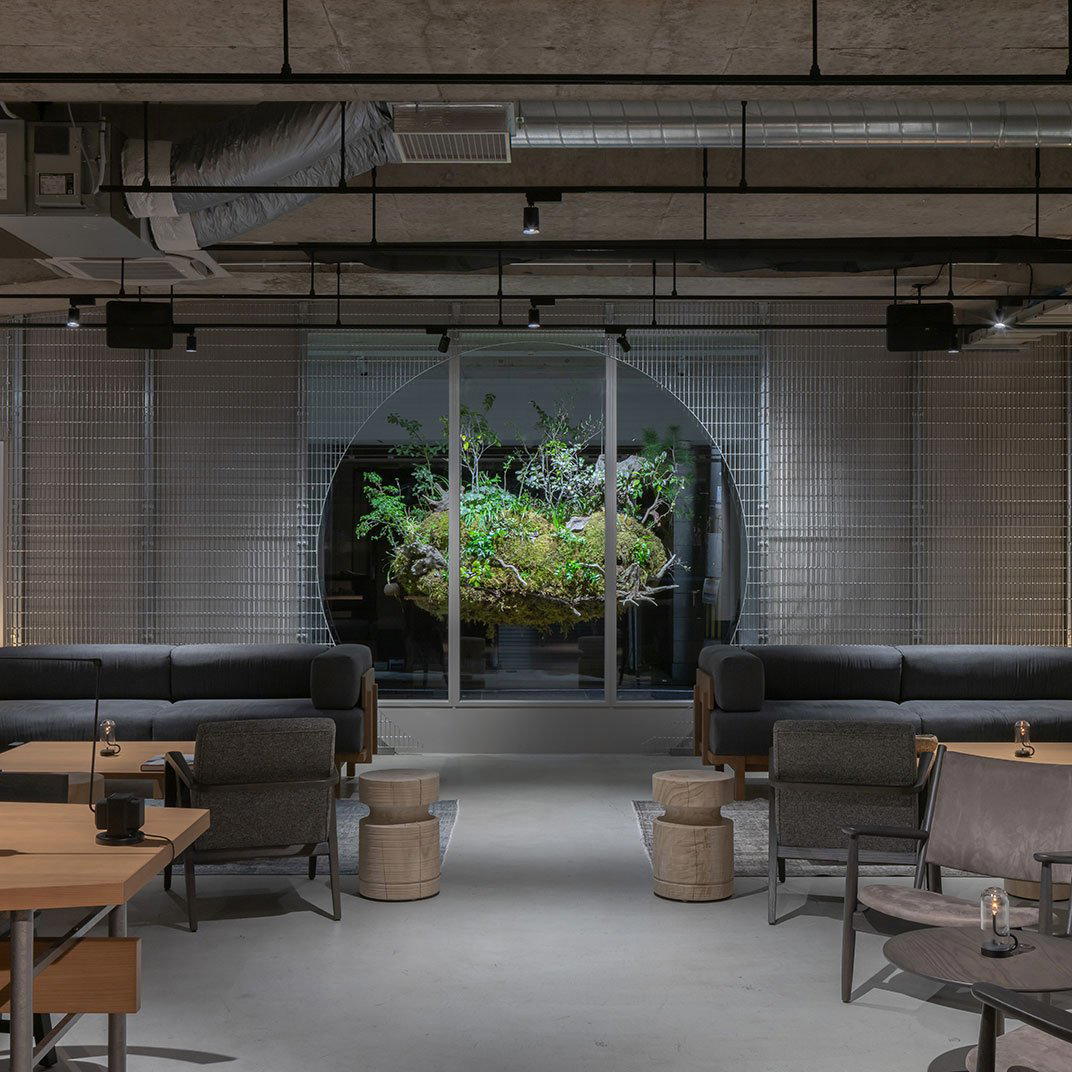
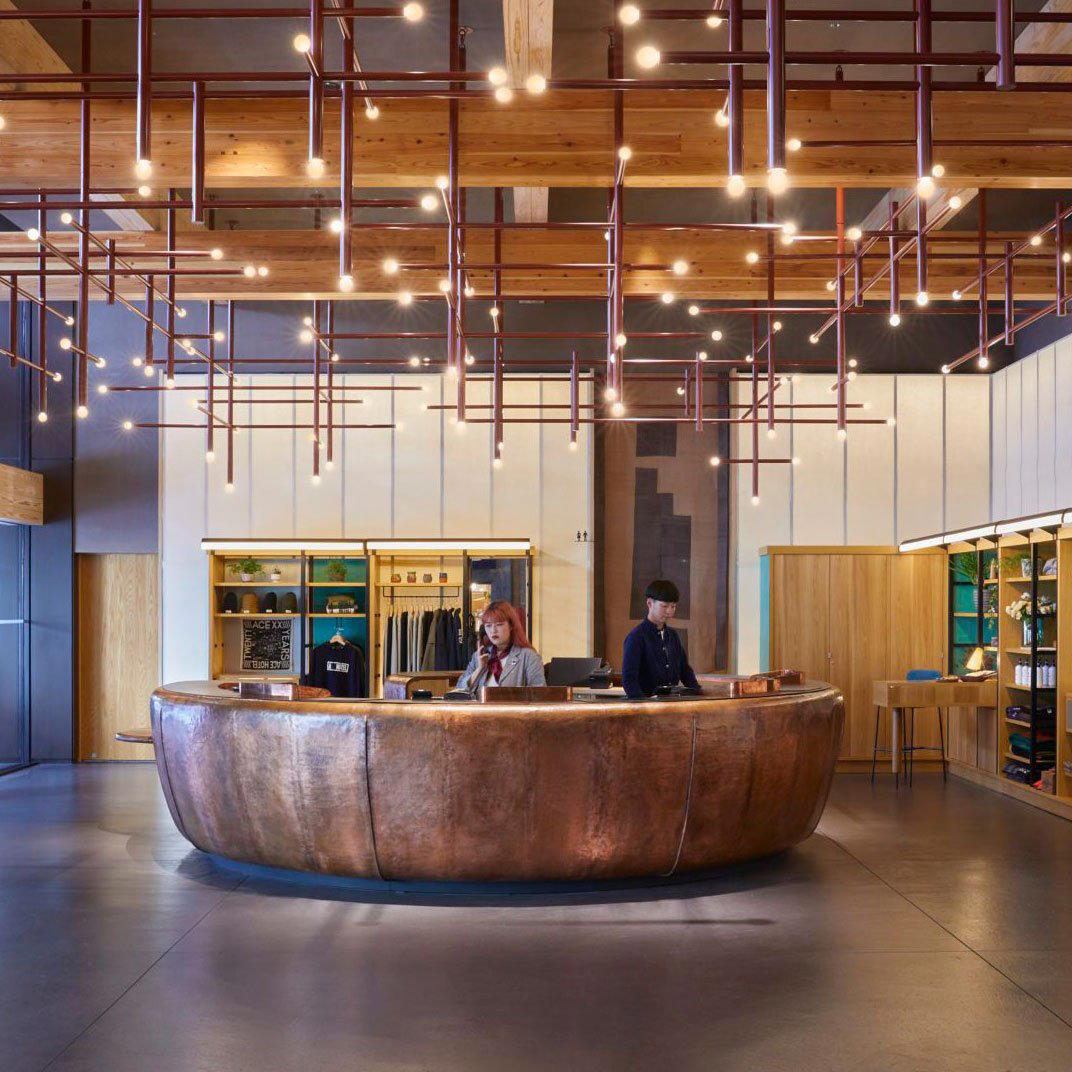
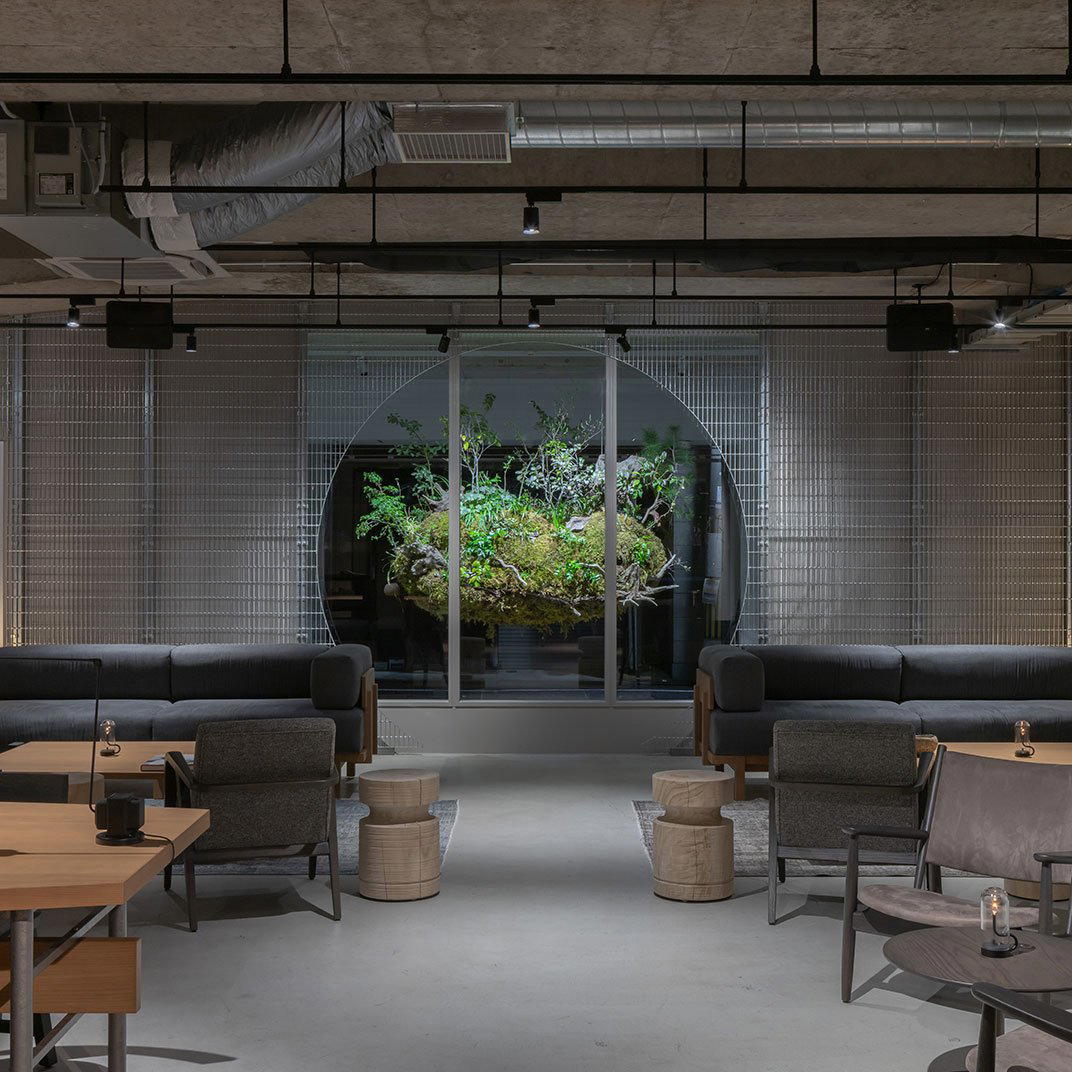
Bars in Kyoto
All bars in Kyoto →
Hotels in Kyoto
All hotels in Kyoto →

Wineries in Kyoto
Browse all →
Details
- Intimate
- Elegant
- Cozy
- Sophisticated
- Date Night
- Special Occasion
- Chefs Counter
- Open Kitchen
- Garden
- Sake Program
- Local Sourcing
- Garden
- Omakase
- Counter Dining
- Sake Program
- Vegetarian Friendly
Current opening hours
- Monday
- 6–10 PM
- Tuesday
- 6–10 PM
- Wednesday
- 6–10 PM
- Thursday
- 6–10 PM
- Friday
- 6–10 PM
- Saturday
- 6–10 PM
- Sunday
- Closed
Hours can change for holidays and private events. Hours as of .
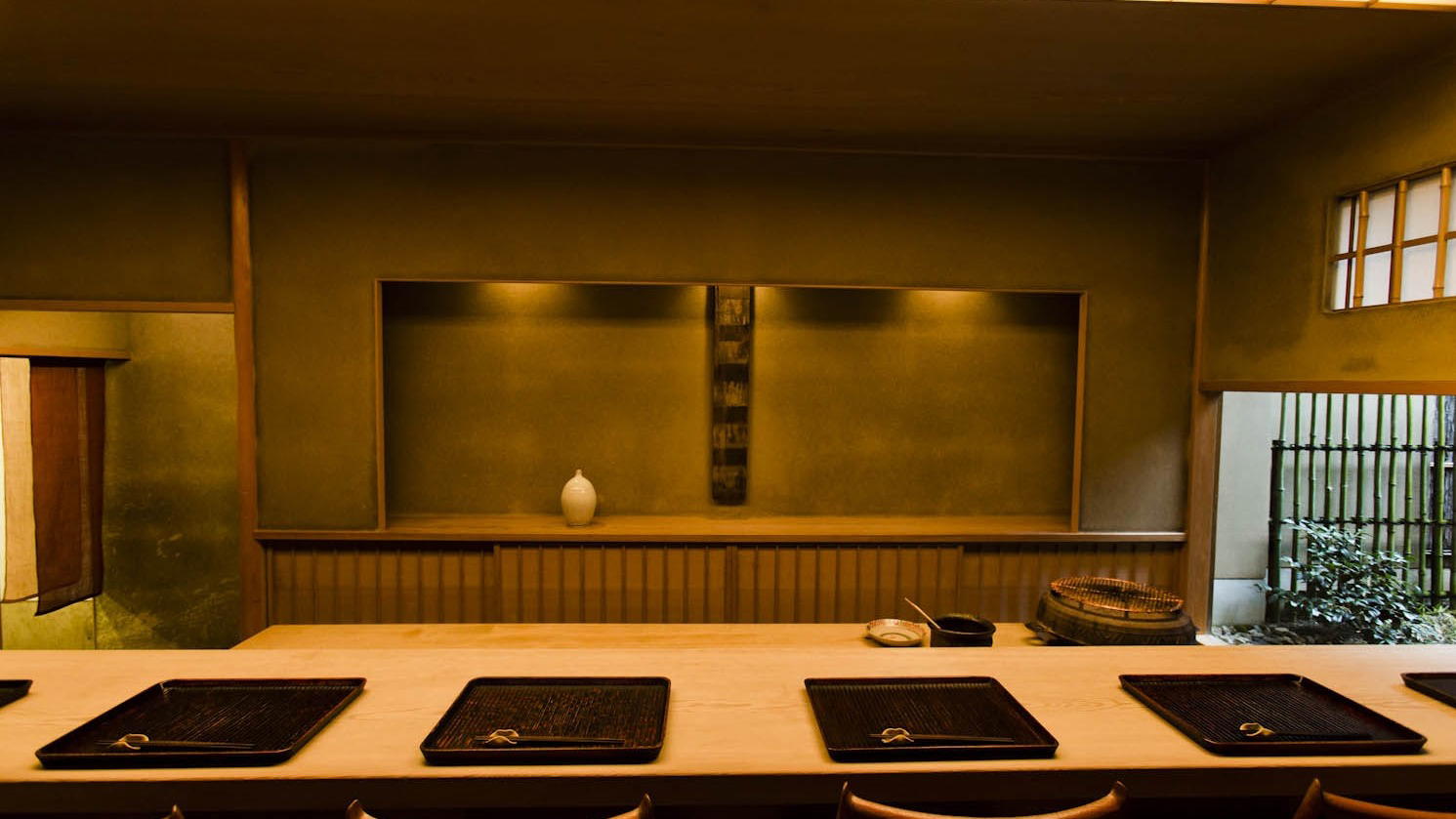
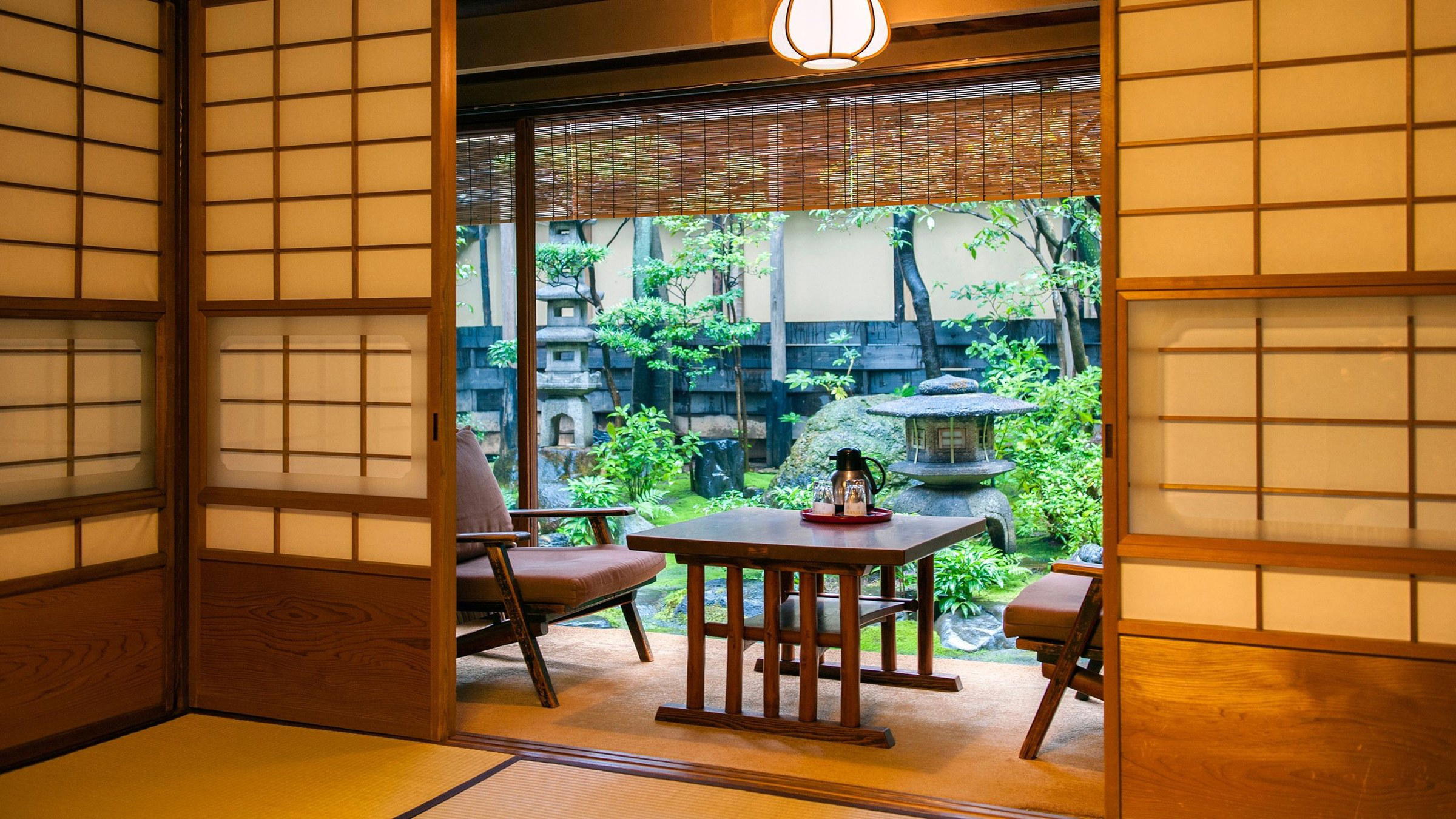
Warm wooden interior with lantern light, serene moss garden view, and quiet traditional townhouse atmosphere fostering personal connection with the chef.